
Key Facts
- Ornamental flowering cherry grown for spring blossoms.
- Native to Japan and parts of East Asia.
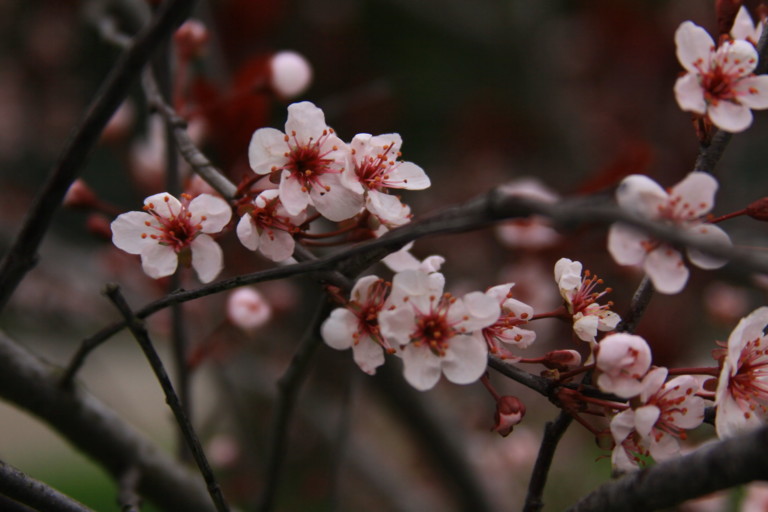
- Flowers appear in spring and range from single to double forms.
- Many named cultivars are grafted onto rootstock.
- Prefers full sun and well drained soil.
- Fruit are small and usually not widely eaten.
- Susceptible to fungal leaf spots and bacterial canker.
- Seeds and pits contain cyanogenic compounds and can be toxic.
Japanese Cherry is Prunus serrulata, an ornamental Japanese cherry prized for its showy spring blossoms and formal upright habit but it needs good sun and drainage to stay healthy. Many garden selections are grafted and offer dramatic flowering yet can be vulnerable to fungal leaf spots and bacterial canker.
Identification
This species is an ornamental cherry with spring flowers that range from single to double forms and small usually inedible fruit. Mature height varies widely by selection from about 8 to 40 feet and canopy spread commonly ranges from roughly 6 to 30 feet depending on cultivar and pruning.
Best uses and where to grow
Use Japanese Cherry as a focal specimen in a lawn an accent near a path or in a small orchard of ornamentals where spring bloom is desired. It performs best in full sun with at least six hours of direct light and suits temperate gardens in USDA zones 5 to 8.
Planting and spacing
Space trees to allow the mature canopy to spread with typical spacing reflecting a 6 to 30 foot spread depending on cultivar. Plant in a sunny site with well drained soil and avoid low spots that hold water which raise the risk of root rot and canker.
Soil light and watering
Plant in moist fertile well drained soil with neutral to slightly acidic pH around 6.0 to 7.0 for best vigor. Full sun encourages heavy flowering while waterlogged heavy clay reduces health. Water regularly to establish young trees and then moderate irrigation to avoid prolonged wet feet.
After flowering care and pruning
Prune to shape after flowering to preserve spring bloom the following year and to control spread and height. Remove dead or crossing branches and prune out cankered wood. Avoid heavy pruning in autumn to reduce the chance of winter damage on less hardy cultivars.
Pests disease and toxicity
Japanese Cherry is prone to fungal leaf spots and bacterial canker which worsen in humid conditions and crowded plantings. Seeds pits and wilted leaves contain cyanogenic compounds that can be toxic if crushed or eaten so keep pets livestock and large clippings away from animals.
Propagation and cultivars
Named cultivars are usually propagated by grafting or budding onto rootstock to preserve flower form and habit. Seed will grow but may not be true to type while softwood cuttings layering and occasional hardwood cuttings can work for some selections. Check cultivar notes for cold tolerance and rootstock effects.
Frequently asked questions
- How fast does Japanese Cherry grow?
- Growth rate varies with cultivar site and rootstock but many garden selections reach multi foot height within a decade and can attain 8 to 40 feet at maturity over years depending on form.
- When does Japanese Cherry bloom?
- Flowering occurs in spring in most climates with typical northern hemisphere bloom commonly in March and April though timing varies with local climate.
- Is Japanese Cherry toxic to pets?
- Yes parts of the plant such as seeds pits and wilted leaves contain cyanogenic compounds and can be hazardous if chewed or ingested in quantity. Consult local poison control for specific risks to animals.
- What soil does this cherry prefer?
- It prefers moist fertile well drained soil with neutral to slightly acidic pH around 6.0 to 7.0 and will suffer in waterlogged heavy clay.
- How should I propagate named cultivars?
- Named ornamental cultivars are commonly propagated by grafting or budding onto suitable rootstock to maintain true to type characteristics while seed propagation will not guarantee the same flower form.
Gallery


Related Plants

Mentioned In (9)

Trees
10 Trees Similar To Birch
You admire birch trees' slender, upright growth habit and their white bark, yet you're concerned about birch borer targeting your…

Trees
31 Most Common Trees in Japan
In the land of the rising sun, trees are a major part of Japan's culture and history. Trees in Japan…
Trees
18 Flowering Trees For Missouri
Are you looking for flowering trees in Missouri that you can plant to beautify your home garden? Well, your search…
Trees
15 Great Flowering Trees For Iowa Gardens
Are you searching for the best flowering trees to plant in Iowa to boost the curbside appeal of your home?…
Trees
16 Pink Flowering Trees in Spring
Are you looking for breathtaking pink flowering trees to plant in your garden? Well, you’ve come to the right place!…
Trees
27 Flowering Trees For Virginia Gardens
Are you thinking of planting flowering trees in your Virginia home? Well, you’re in luck! There is no shortage of…
Trees
19 Gorgeous Flowering Trees For Georgia
Are you searching for flowering trees that you can plant in your garden in Georgia? You have come to the…
Trees
26 Great Flowering Trees For Michigan Gardens
If you’re looking to add eternal, year-round beauty to your lawn and boost the curbside appeal of your Michigan home,…

Trees
10 Magnificent Flowering Trees for Maine
Maine is arguably one of the most naturally beautiful US states. It is home to a wide variety of flowering…