
Key Facts
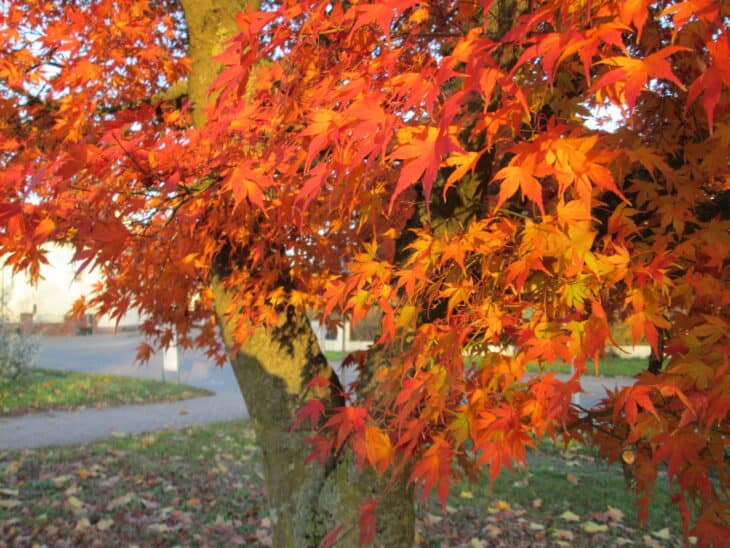
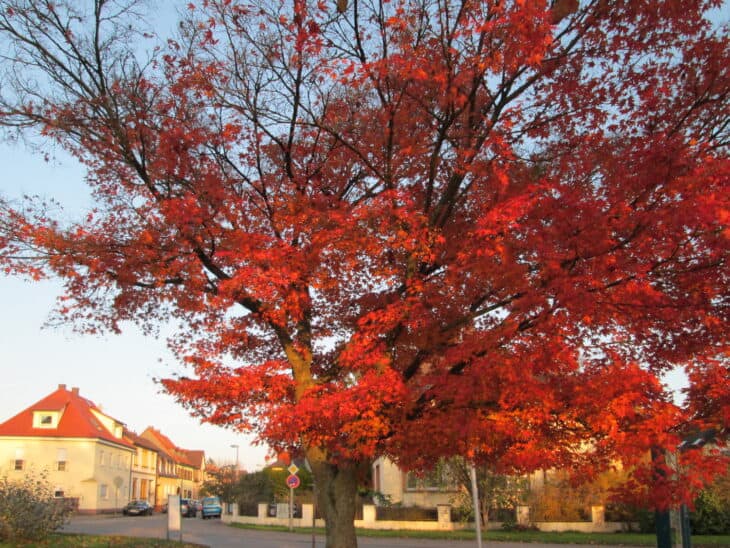
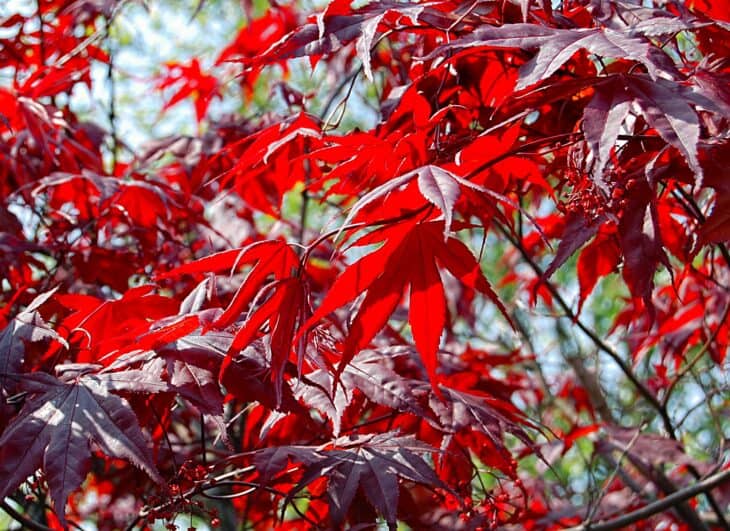
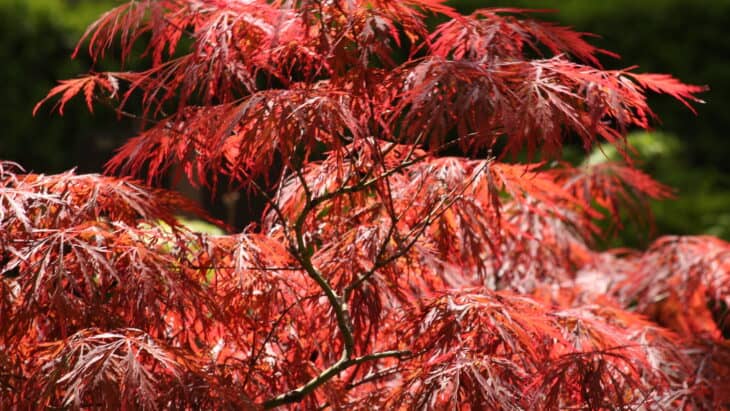
- Deciduous small tree or large shrub valued for finely cut leaves and fall color.
- Native to Japan Korea and parts of China.
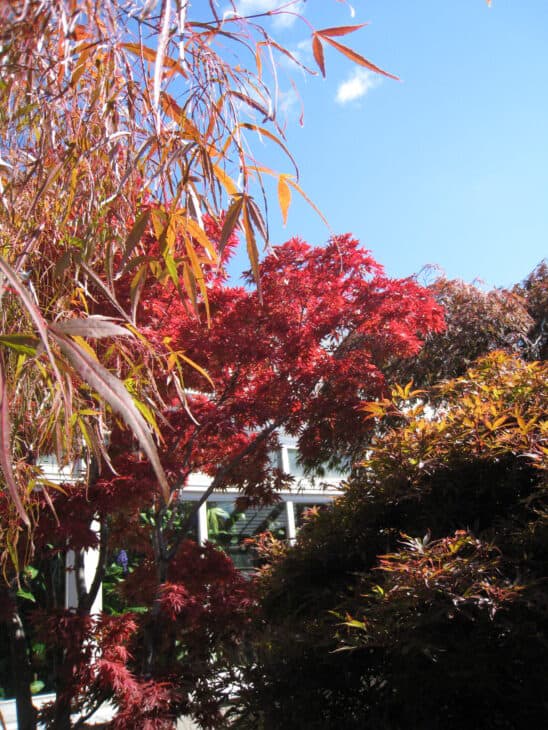
- Wide range of cultivars with different leaf shapes colors and growth habits.
- Typically grown as an ornamental in sheltered positions.
- Prefers well drained fertile soil and slightly acidic conditions.
- Flowers are small and appear in spring and are not the main ornamental feature.
- Propagated by seed grafting and by cuttings for some cultivars.
Japanese Maple is a small deciduous tree prized for delicate, often finely cut leaves and striking fall color while remaining compact enough for sheltered gardens. Many cultivars offer a range of leaf shapes and colors but they typically need some protection from hot afternoon sun.
Identification
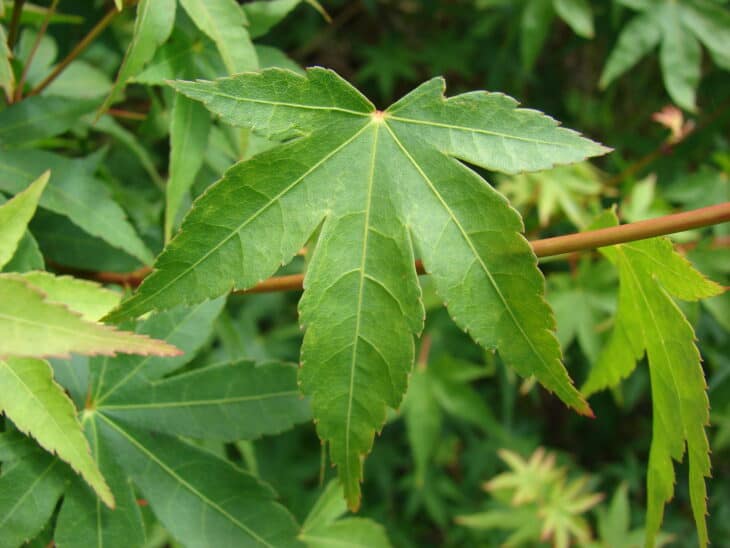
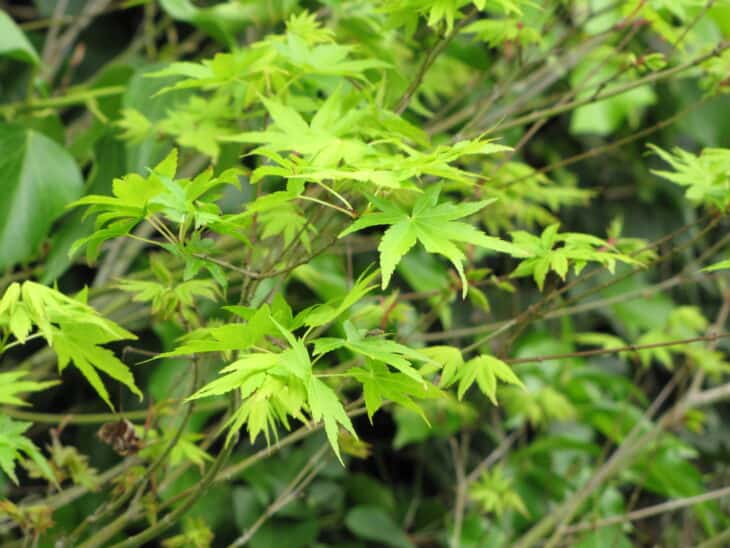
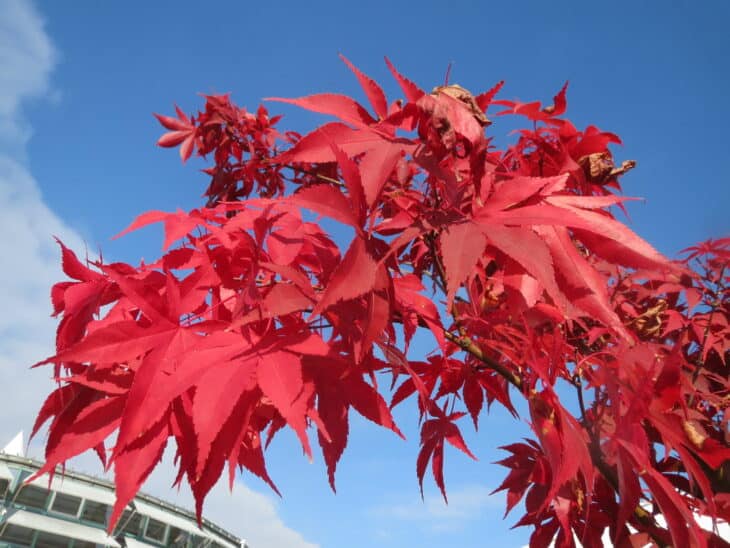
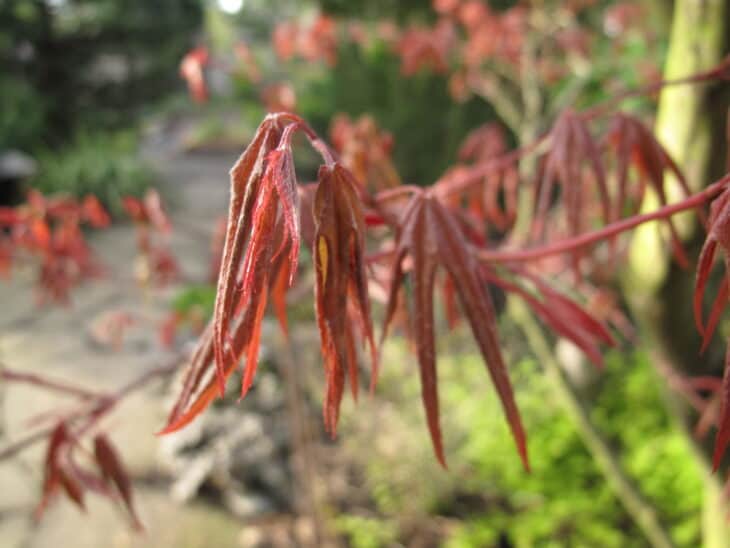
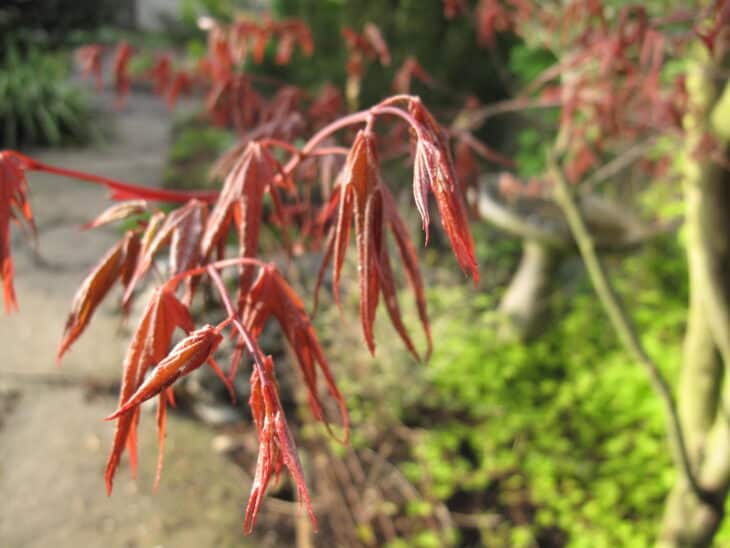
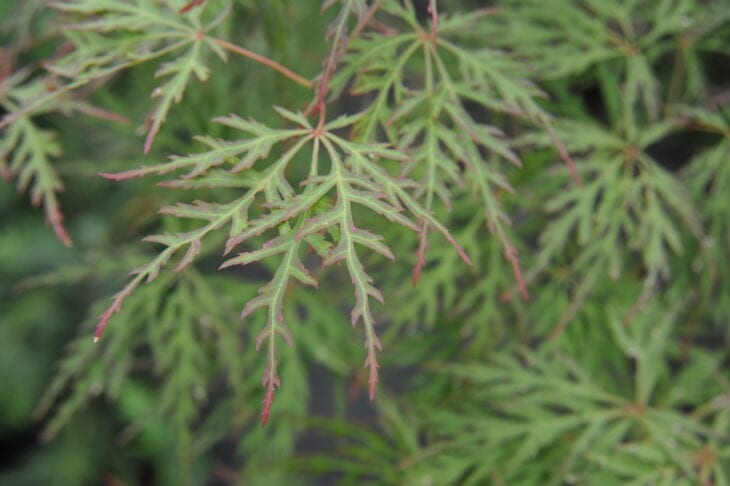
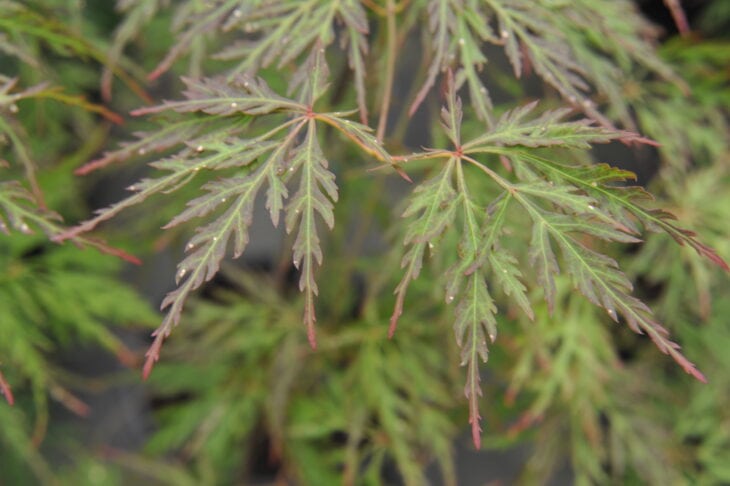
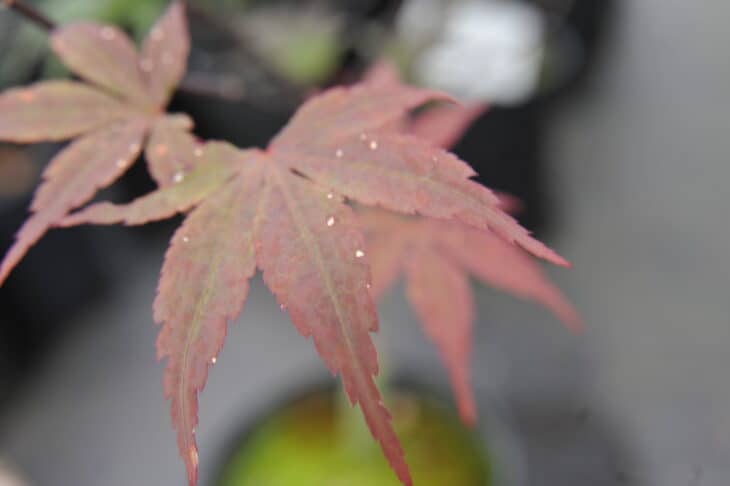
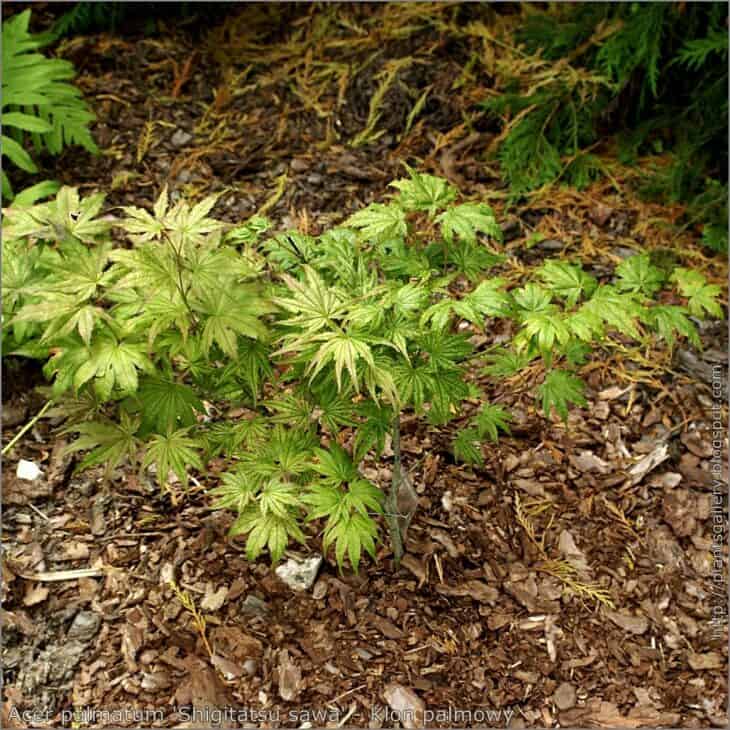
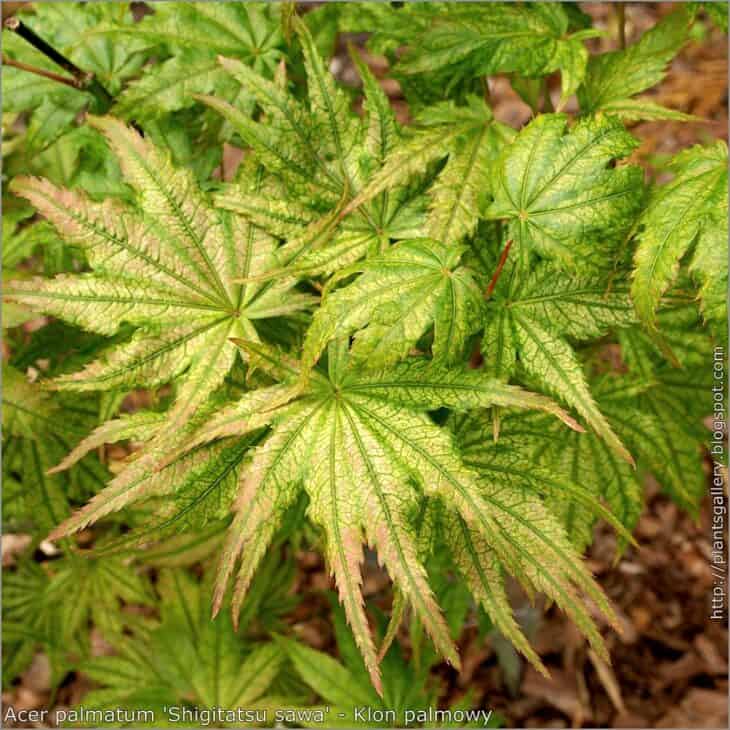
Acer palmatum is a small tree or large shrub with a graceful habit and variable leaf forms from lobed to deeply dissected. Flowers are small and appear in spring but are usually inconspicuous. Cultivars vary widely in size and color so use the cultivar name to confirm mature dimensions and leaf form.
Best uses and siting
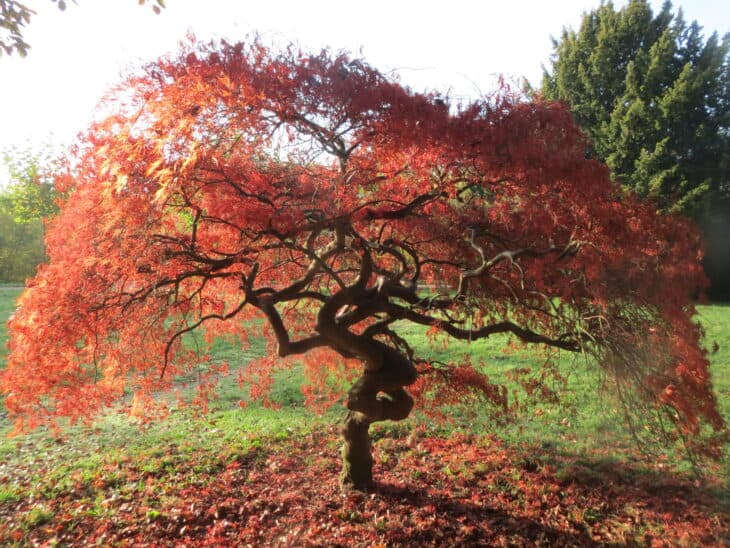
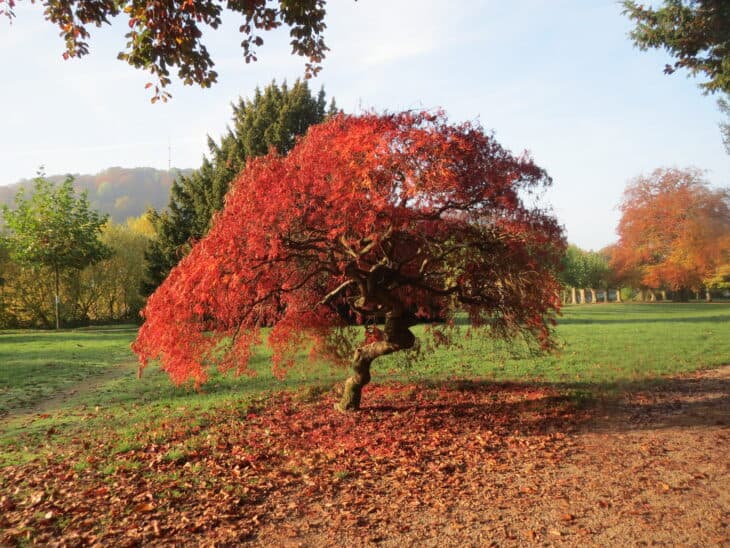
Use Japanese Maple as a specimen tree, in mixed borders or near patios where fall color and fine texture are visible up close. Many forms do best in a sheltered position with morning sun and afternoon shade. Compact cultivars suit containers or small gardens while larger types fit larger beds and sheltered lawn sites.
Hardiness and light
Many cultivars are typically hardy in USDA zones 5 to 8 but hardiness varies by cultivar and rootstock. Provide morning sun and afternoon shade in warm climates to reduce leaf scorch. In cool climates some varieties tolerate fuller sun and will keep stronger fall color.
Soil and planting
Plant in moist, well drained fertile soil with a slight acid to neutral pH around 5.5 to 7.0. Avoid waterlogged or heavy compacted ground which can cause root decline. Space trees roughly equal to their mature spread which commonly ranges from about 6 to 25 feet depending on the cultivar.
Watering and seasonal care
Keep soil consistently moist but not waterlogged to support good roots and strong leaf color. Poor drainage leads to root decline while extended dry periods cause leaf browning and drop. After flowering tidy crossing branches and remove dead wood to keep an open crown and good air circulation.
Containers and cultivation
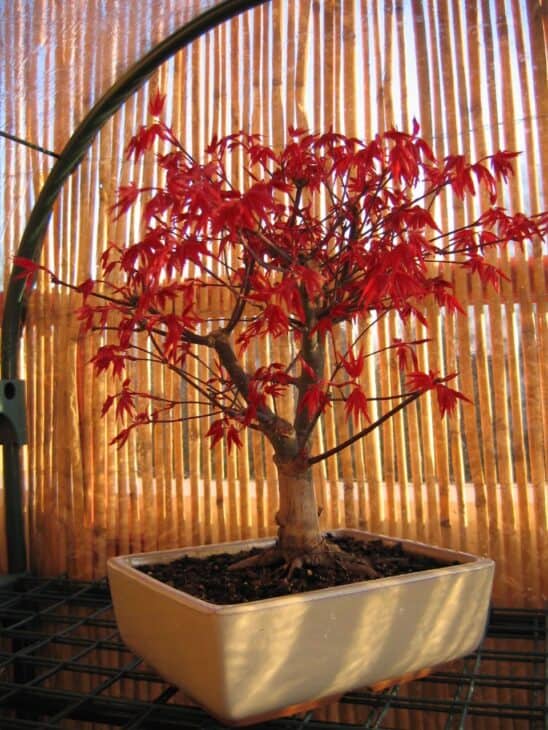
Compact and dwarf cultivars are well suited to containers where root restriction and winter protection control size. Use a free draining potting mix and protect container grown trees from severe freeze and summer heat. Regular watering and a top dressing of compost or slow release fertilizer help maintain vigor.
Propagation
Propagation methods include seed, grafting and cuttings with grafting commonly used to maintain named cultivar traits. Seed raised plants rarely come true to the parent so grafting onto compatible rootstock or taking cuttings is the usual practice for preserving cultivar characteristics.
Frequently asked questions
- How fast does Japanese Maple grow?
- Growth rate varies by cultivar and conditions. Many garden forms grow slowly to moderately and take several years to reach mature size. Dwarf cultivars can take longer to gain height but remain compact.
- Are Japanese Maples toxic to pets?
- Japanese Maple is not commonly listed as a major toxic plant on common lists but verify with local poison control or the ASPCA for the latest safety guidance if pets ingest plant material.
- Can Japanese Maples tolerate full sun?
- They tolerate full sun in cool climates but need protection from hot afternoon sun in warmer areas to prevent leaf scorch. Morning sun with afternoon shade is a reliable siting rule.
- When do Japanese Maples bloom?
- Small, usually inconspicuous flowers appear in spring often before or with the leaves. Exact timing varies with local climate and cultivar.
- How should I plant for spacing?
- Space trees roughly equal to their mature spread. Many cultivars develop a spread similar to height and commonly range from about 6 to 25 feet so allow room for the mature crown.
Gallery


Related Plants


Mentioned In (1)
Trees
4 Pros And 4 Cons Of Japanese Maple Trees
Japanese maple (Acer palmatum) is one of the most widely planted ornamental trees in the world, and for good reason.…