
Key Facts
- Succulent low growing annual or perennial in frost free climates.
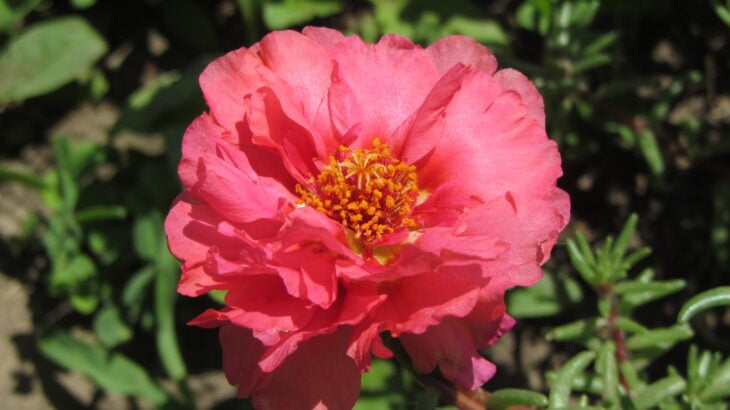
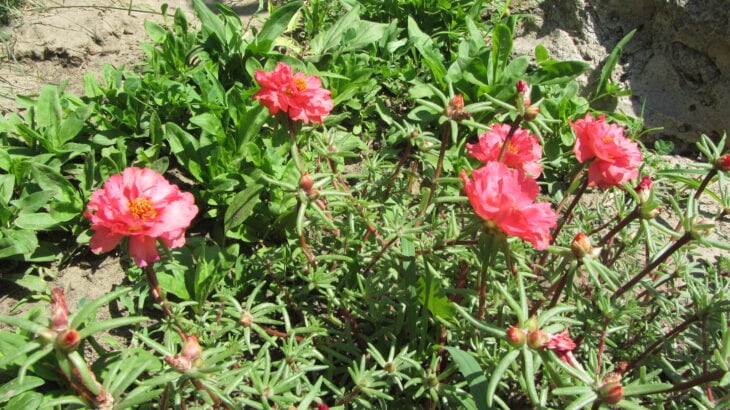
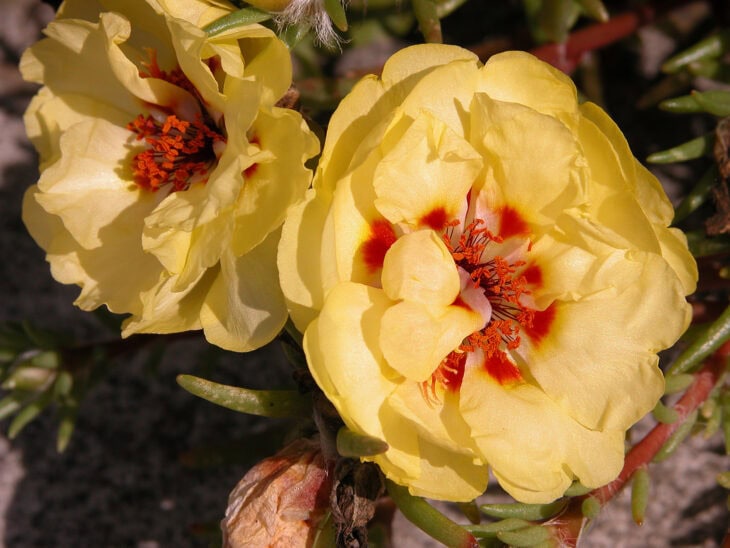
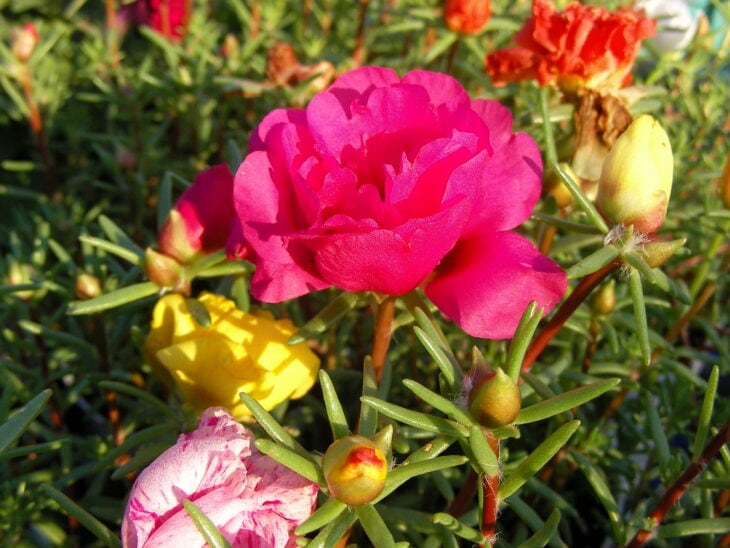
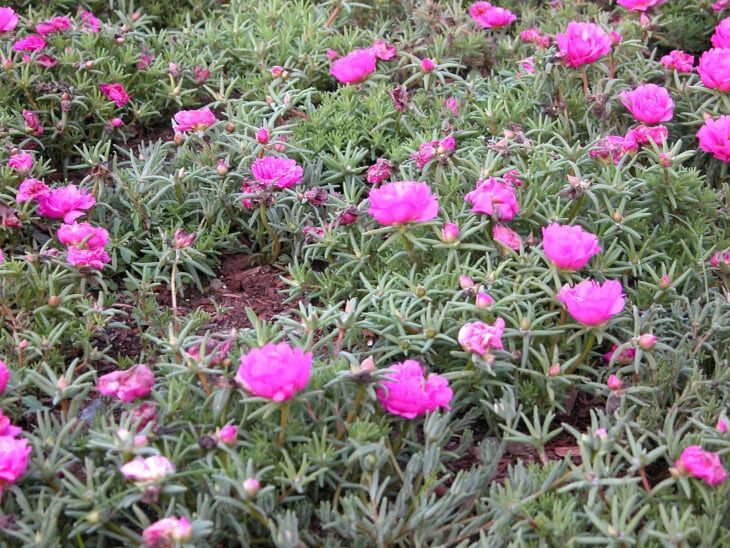
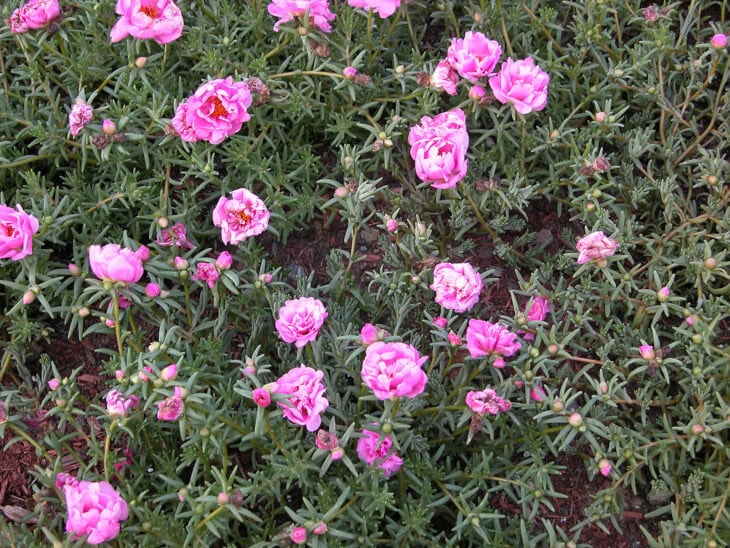
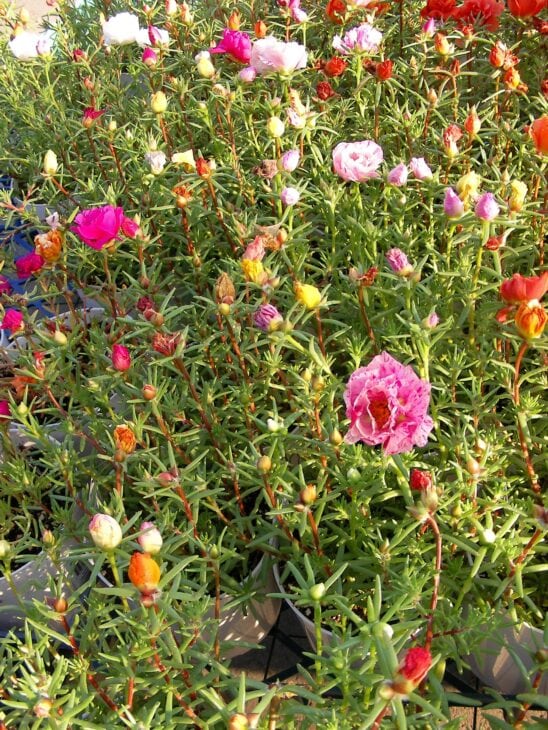
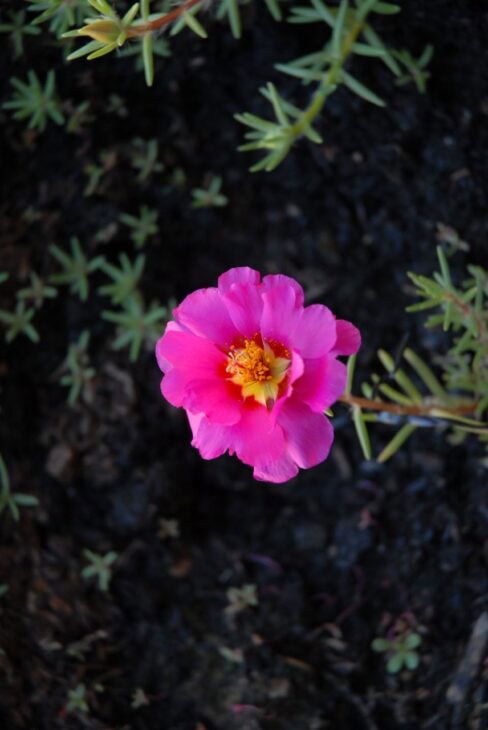
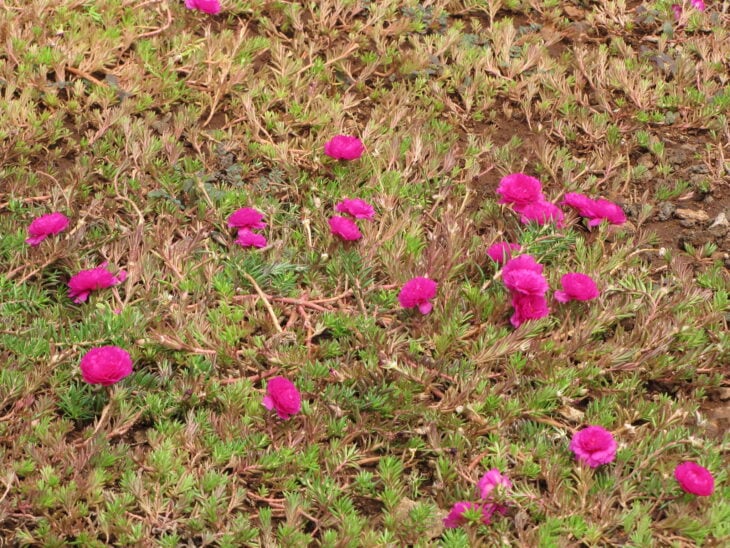
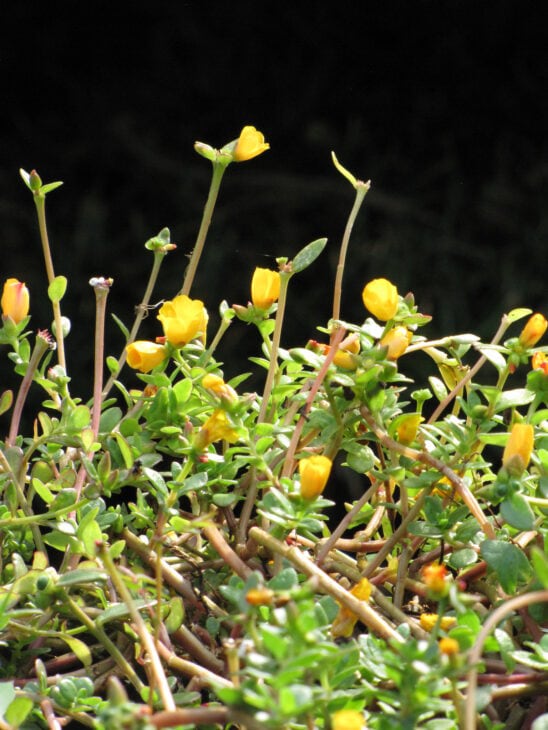
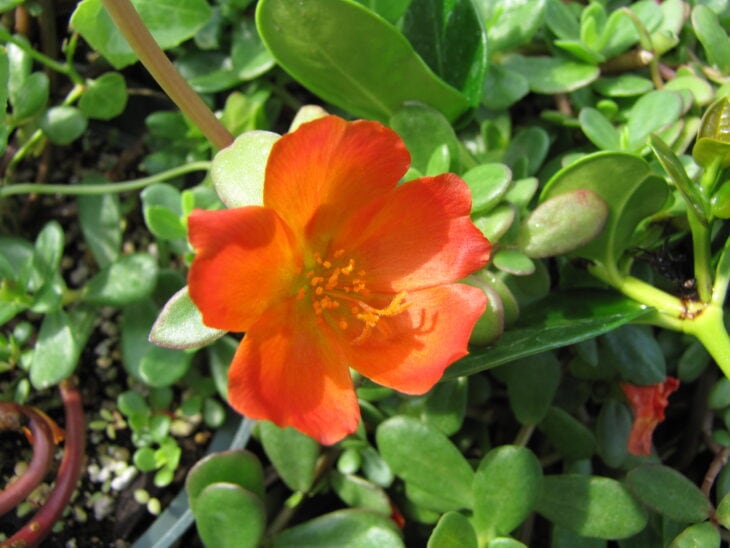
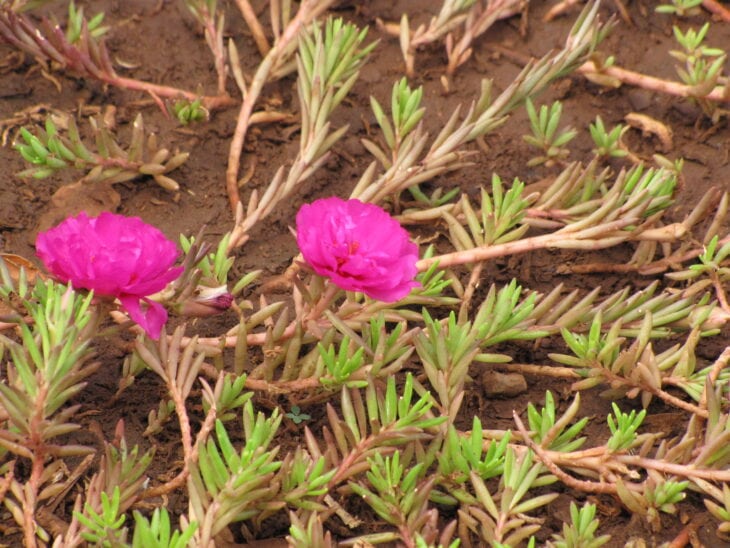
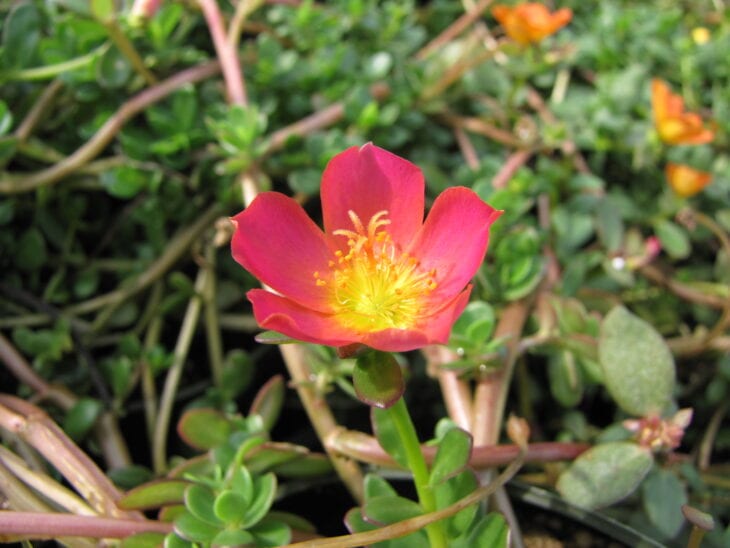
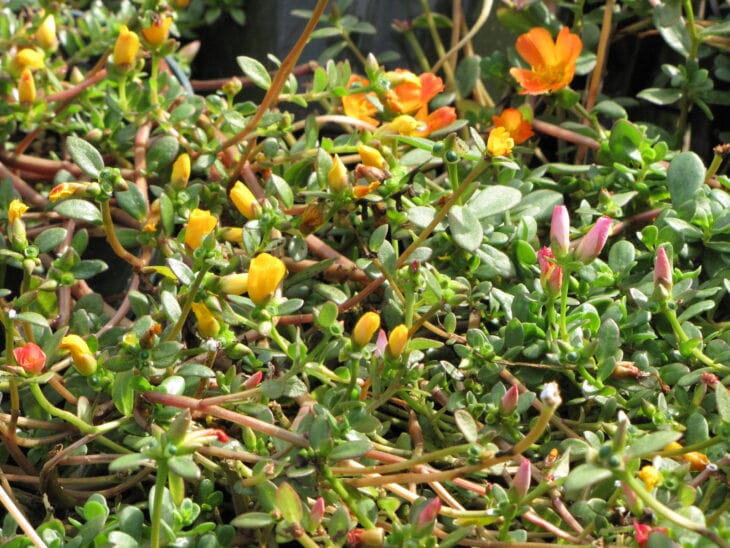
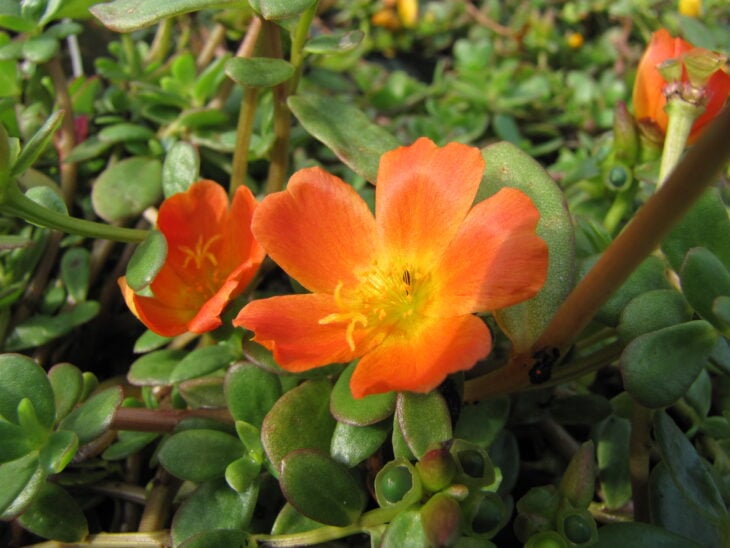
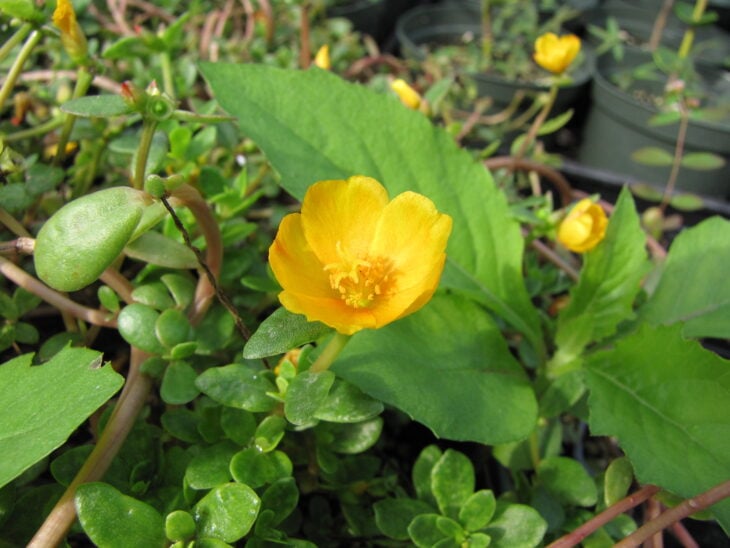
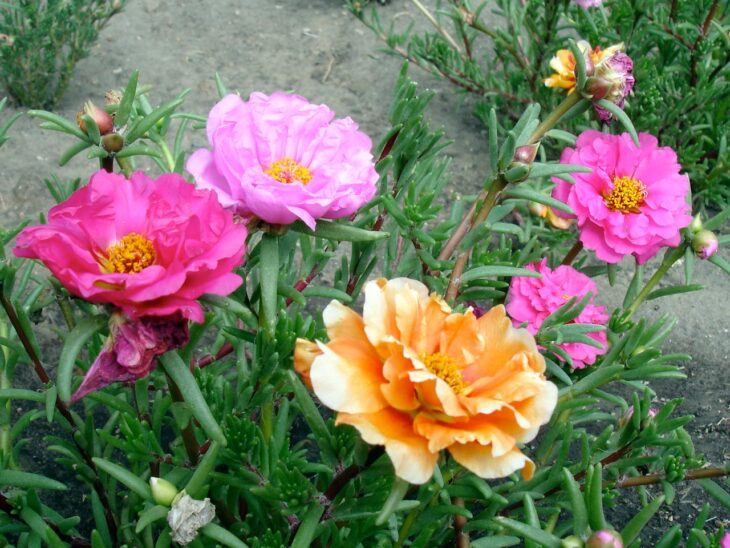
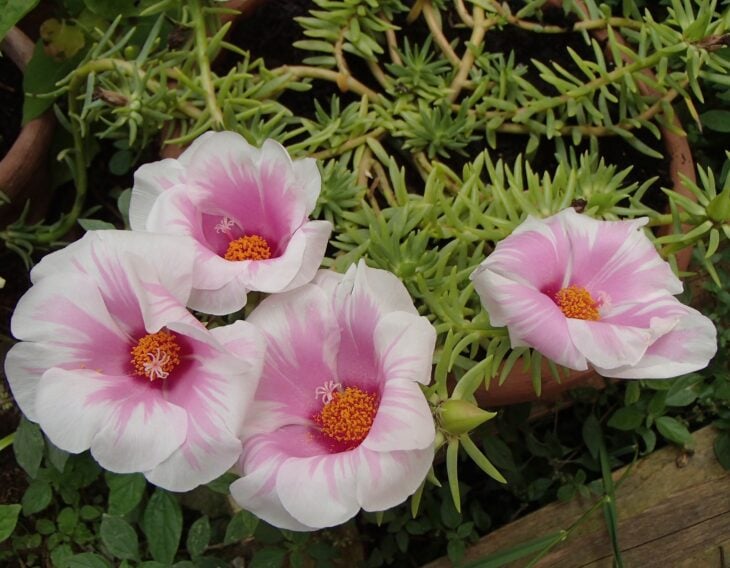
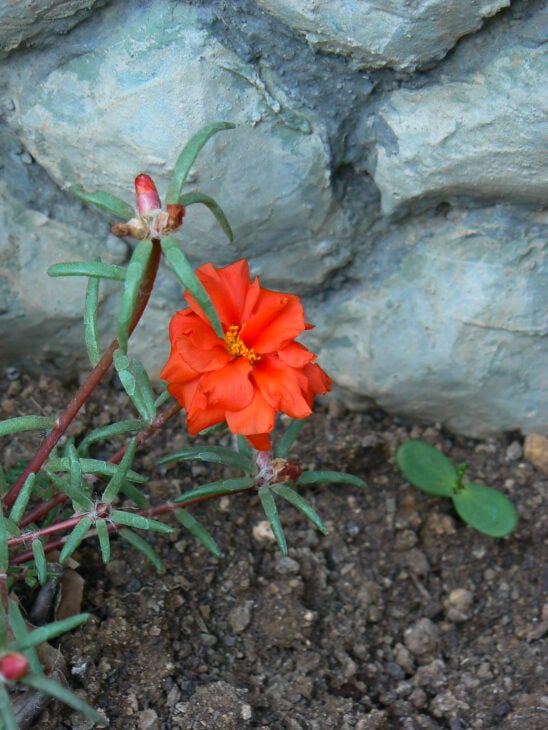
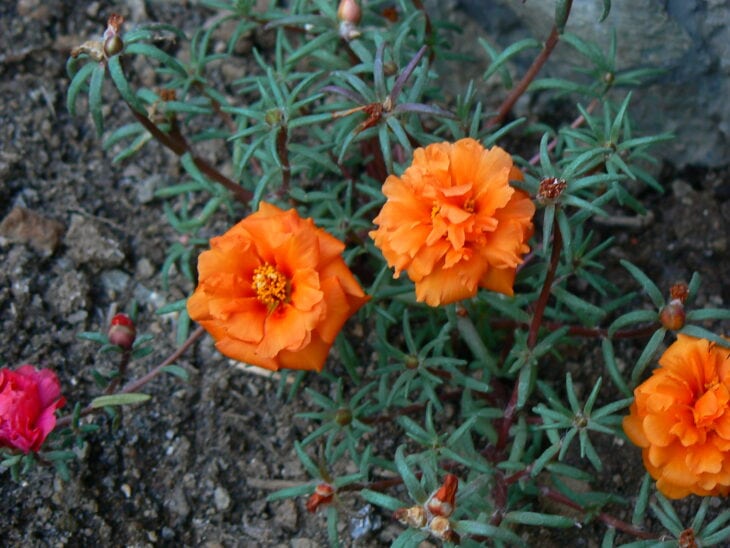
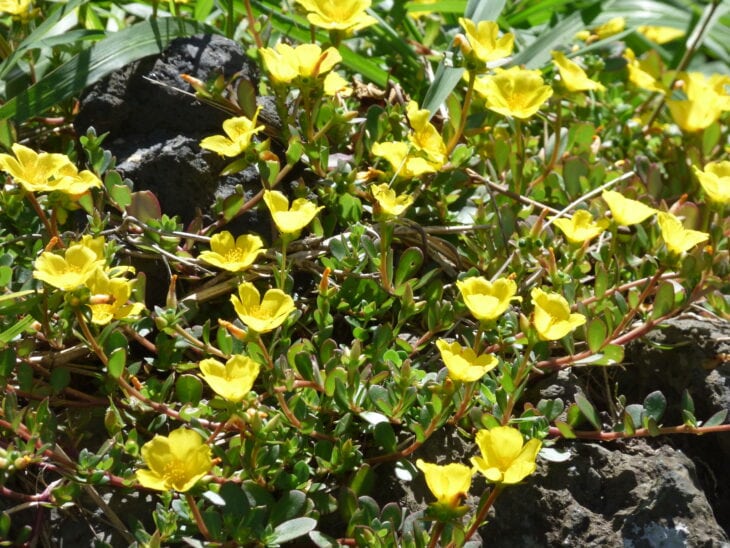
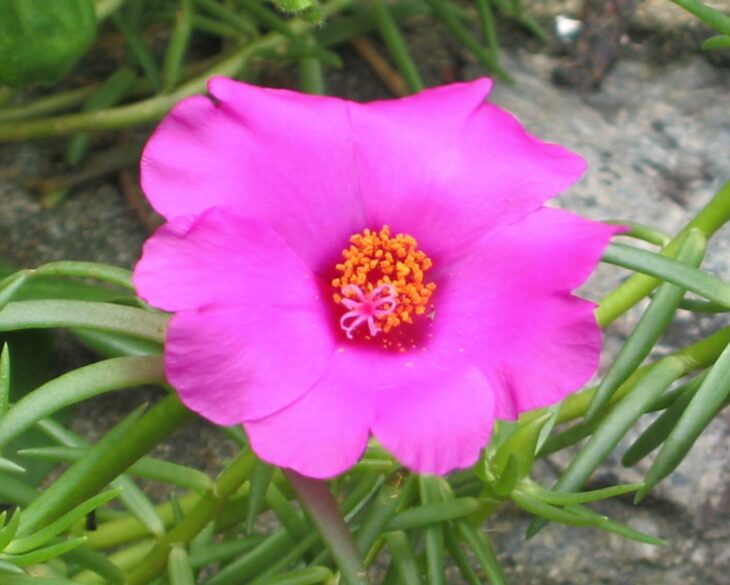
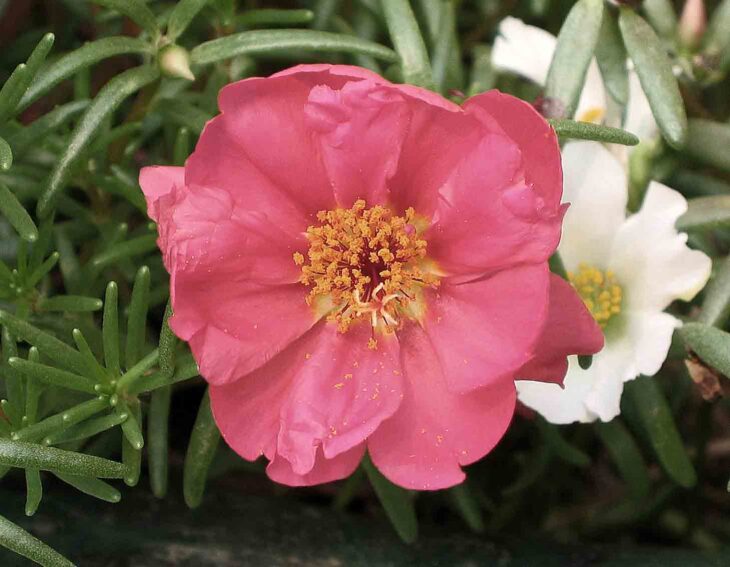
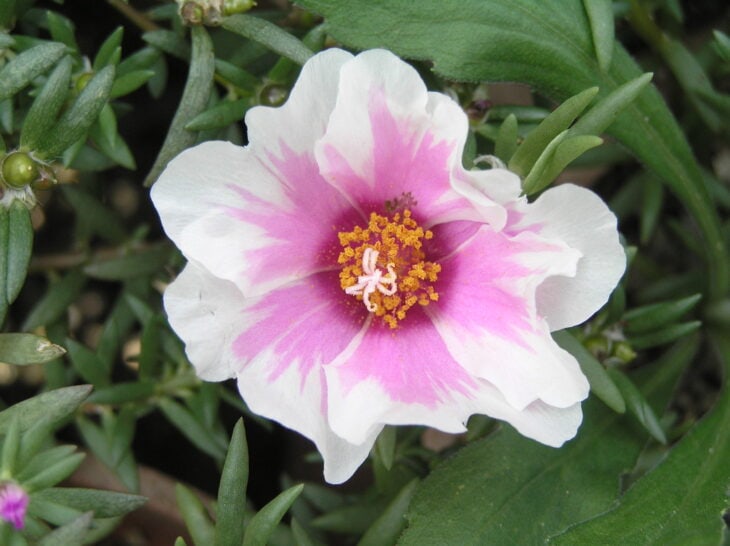
- Forms a mat of foliage with brightly colored single or double flowers.
- Prefers full sun for best and longest bloom.
- Does best in very well drained, sandy or poor soil.
- Drought tolerant once established.
- Commonly grown from seed or by stem cuttings.
- Often used in hot, dry borders, containers and rock gardens.
Moss rose (Portulaca grandiflora) is a low succulent that forms a mat of fleshy foliage and bright single or double flowers, used where summer color and drought tolerance matter. It performs best in full sun on very well drained soil and is usually treated as an annual where frost occurs.
Identification
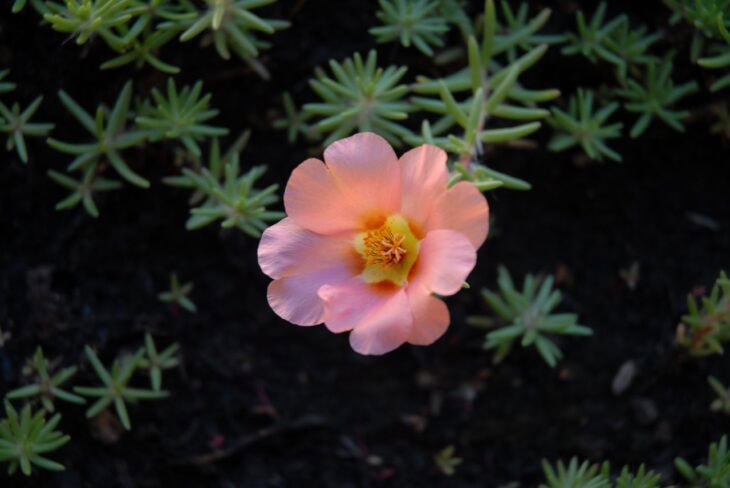
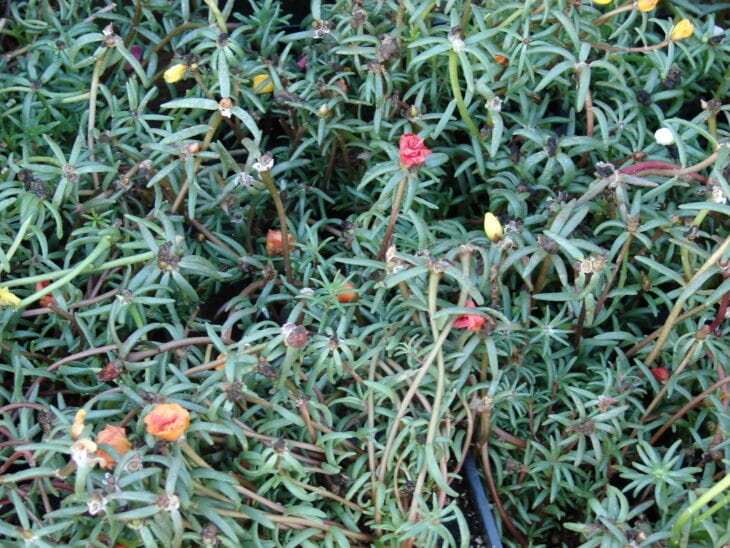
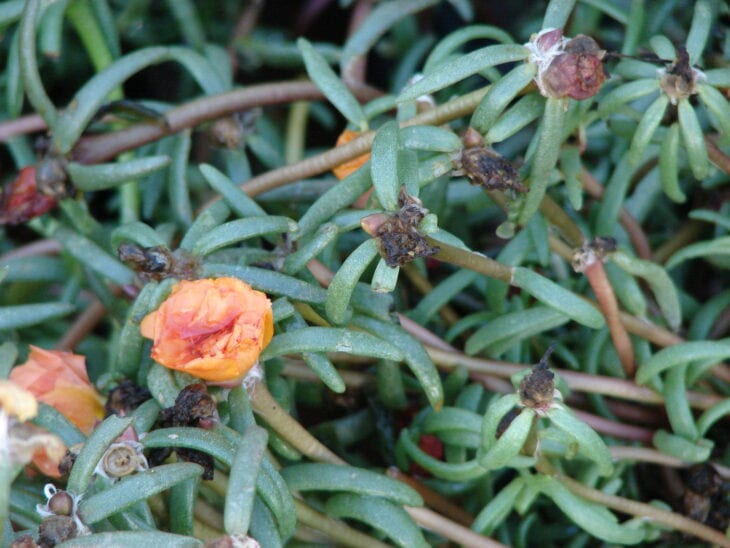
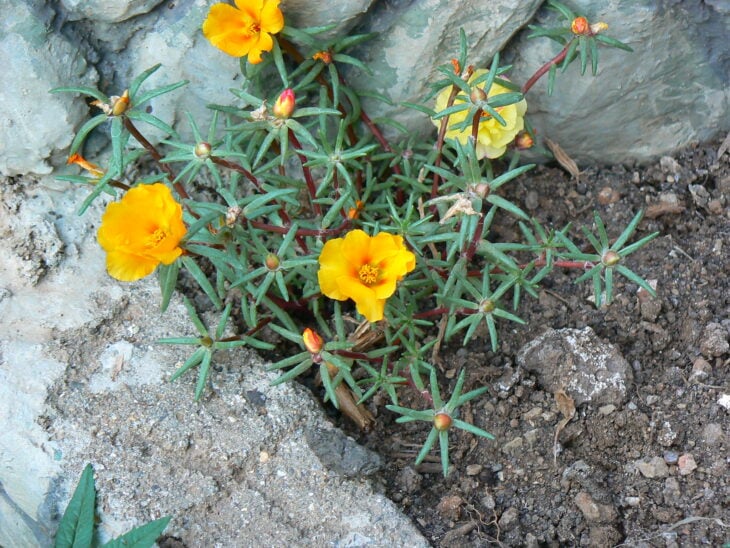
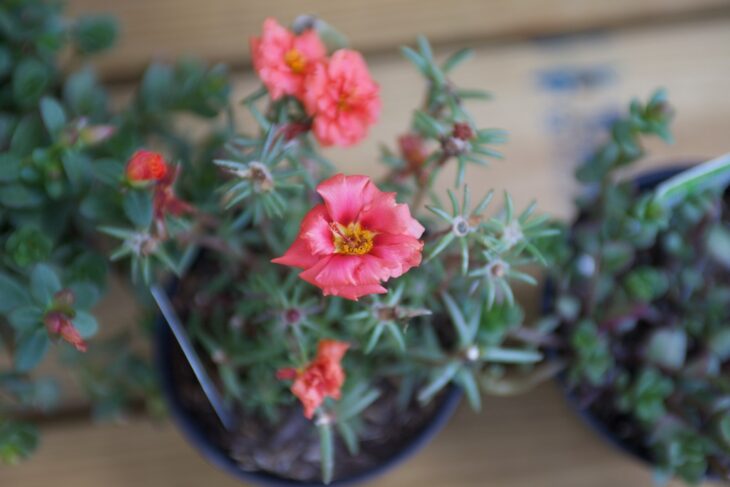
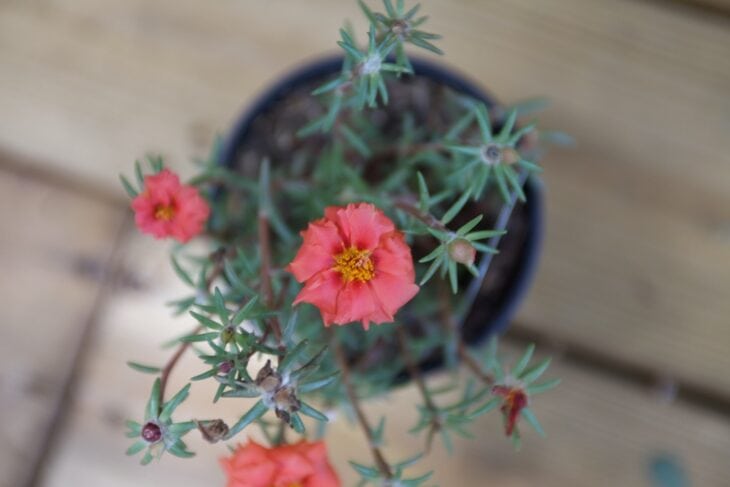
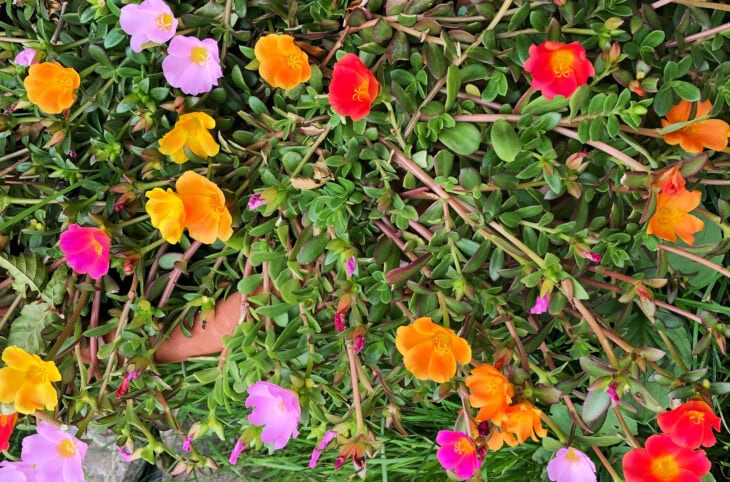
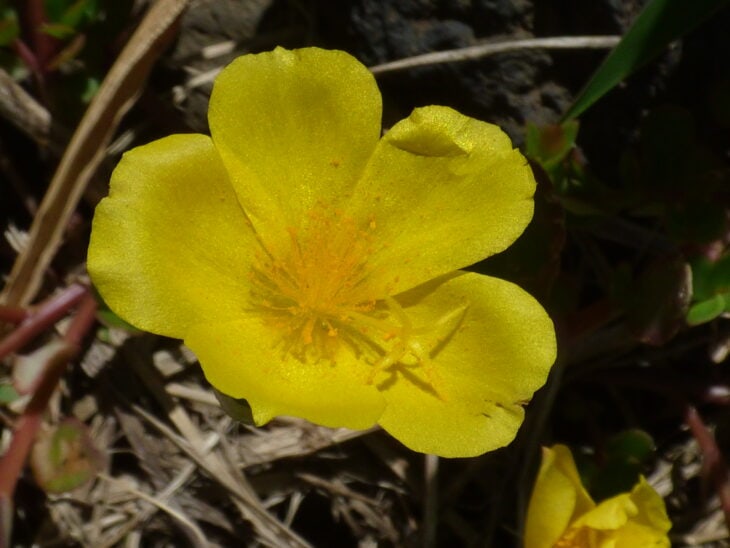
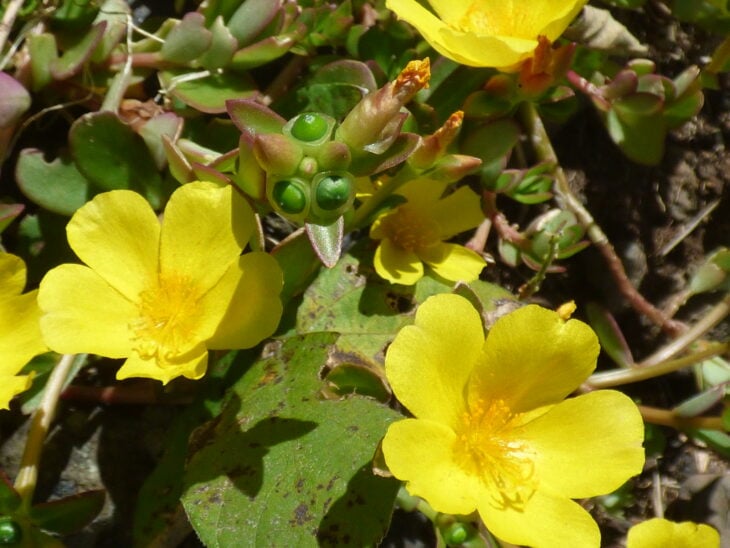
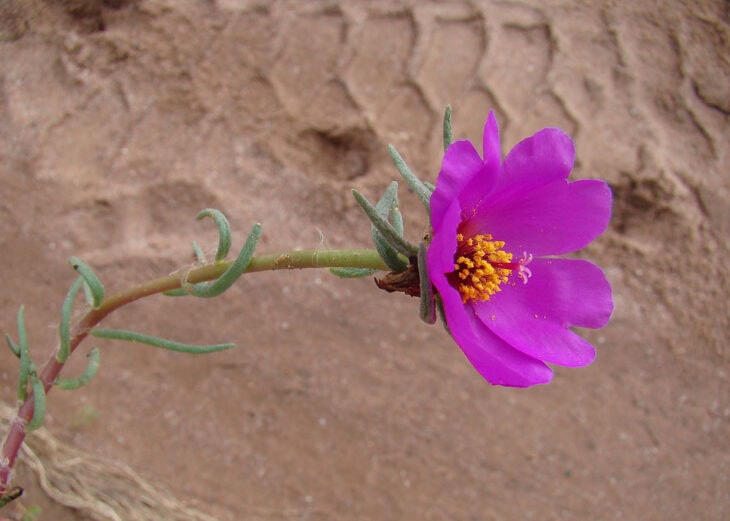
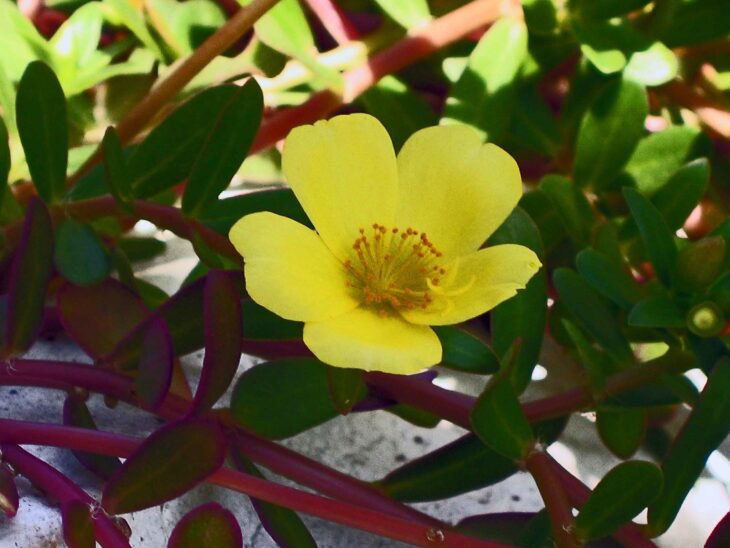
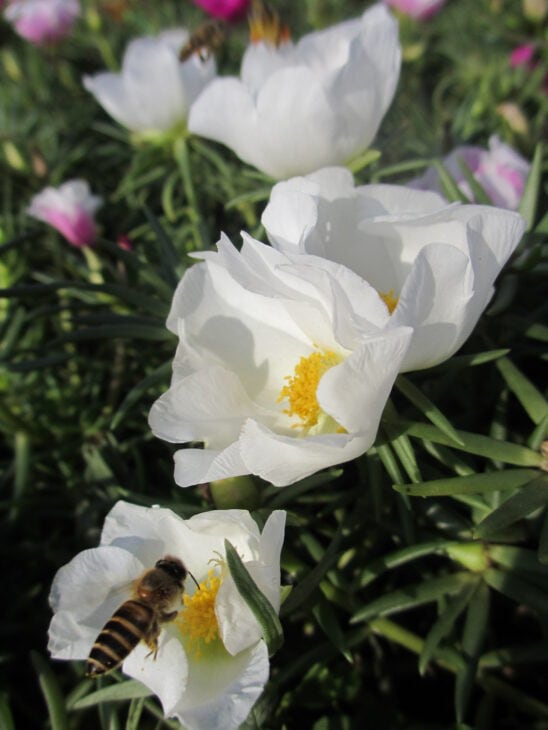
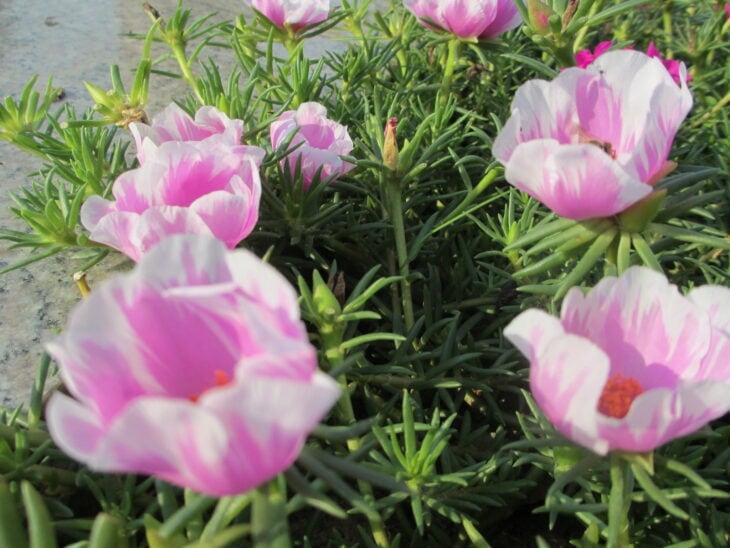
Compact, mat forming plants reach about 2 to 6 inches tall with trailing stems and a spread commonly between 6 and 18 inches. Flowers are showy and come in single and double forms across vivid colors. The succulent leaves are small and cylindrical, giving a mossy texture to the carpet of foliage.
Where to grow and best uses
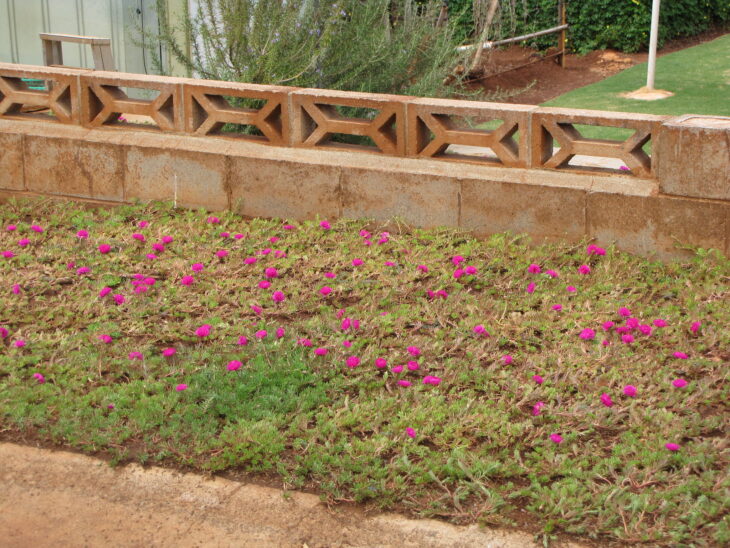
Use moss rose in hot, dry borders, rock gardens and sunny containers where low, spreading color is wanted. It tolerates poor, sandy soils that other bedding plants struggle with and fills gaps in summer beds. In frost free climates it can persist and help create low perennial groundcover.
Planting time and method
Sow seed after the last frost to establish plants for the growing season or take soft stem cuttings to preserve a particular cultivar. Plants germinate and develop quickly in warm, sunny weather. Cuttings root easily and guarantee the flower form and color of the parent plant.
Spacing and planting
Space plants to reflect their mat forming habit, allowing about 6 to 18 inches between plants so they can spread and fill in. Choose a sunny site with very well drained, sandy or gritty soil. Avoid heavy clay and spots that stay wet because excess moisture reduces flowering and invites rot.
Watering and soil
Moss rose prefers very well drained, low fertility soils and performs best when allowed to dry between waterings. It is drought tolerant once established but does poorly in waterlogged conditions, which lead to root rot and reduced bloom. Sandy or gritty mixes speed drainage in containers.
Light and location
Plant in full sun for the best and longest bloom period; even light afternoon shade reduces flower production. In shade plants become leggy and produce fewer flowers. Pick an exposed, warm position to maximize color from summer into fall in warm climates.
After flowering and winter care
Frost typically kills aboveground growth so treat moss rose as an annual in cooler areas. In USDA zones where frost is absent plants may persist, naturalize or self seed. Remove frost damaged growth in spring in colder climates and allow self-seeding to replenish displays where naturalizing is acceptable.
Propagation
Propagate easily from seed sown after the danger of frost or from soft stem cuttings taken in warm weather. Seed strains may not come true for double flower forms, so use cuttings to preserve specific cultivars. Plants commonly self seed, which helps maintain plantings year to year in mild climates.
Containers and rock gardens
Moss rose is well suited to containers and rock garden pockets because it tolerates dry, low fertility, sandy mixes and blooms abundantly in sun. Use a fast draining potting mix and avoid overwatering. Containers will dry faster than beds so allow plants to dry between waterings to prevent root issues.
Frequently asked questions
- How fast does Moss Rose grow?
- It forms a low mat during the growing season, typically reaching its mature spread within a single warm season when given full sun and good drainage.
- Is moss rose hardy?
- Outside USDA zones 9 to 11 moss rose is usually grown as an annual because frost will kill aboveground growth. In frost free zones plants can persist or self seed and behave like short lived perennials.
- Is moss rose toxic to pets?
- The ASPCA lists Portulaca as non toxic to dogs and cats but ingestion may cause mild gastrointestinal upset. Consult local poison control for definitive guidance if pets eat the plant.
- How do I propagate moss rose?
- Grow from seed sown after the last frost or take soft stem cuttings. Cuttings preserve specific cultivar traits while seed is simple and often leads to self seeding in the garden.
- How often should I water?
- Allow soil to dry between waterings. Once established the plant is drought tolerant; persistent wet soil reduces flowering and increases risk of root rot.
Gallery

Mentioned In (1)
Plants
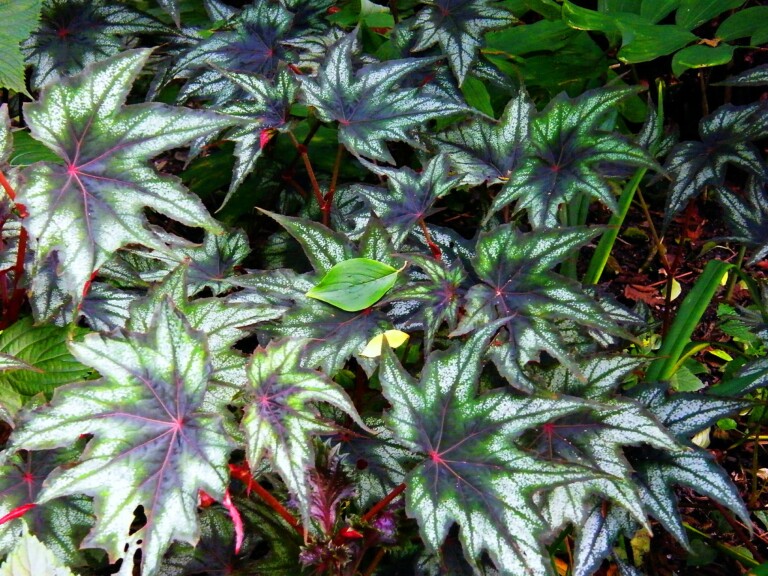
8 Plants That Look Like Begonias
Begonias are bright jewels in a garden. They have one of the tiniest seeds in the world. One ounce of…