Key Facts
- Cool season bulb crop grown for edible bulbs and green tops
- Commonly propagated by seed, sets, or transplants
- Prefers full sun and fertile well drained soil
- Typical plant foliage 8–20 in (20–50 cm) tall
- Individual plants are usually spaced 4–6 in (10–15 cm) apart
- Soil pH near neutral is preferred, roughly 6.0–7.0
- If allowed to bolt onions produce umbels of flowers in late spring to summer
- Onions are toxic to dogs and cats if ingested and can cause hemolytic anemia
Onions (Allium cepa) are a cool season bulb grown for edible bulbs and green tops and are a staple in kitchen gardens. They perform best in full sun and fertile, well drained soil but require the right variety and management for overwintering or reliable bulb formation.
Identification
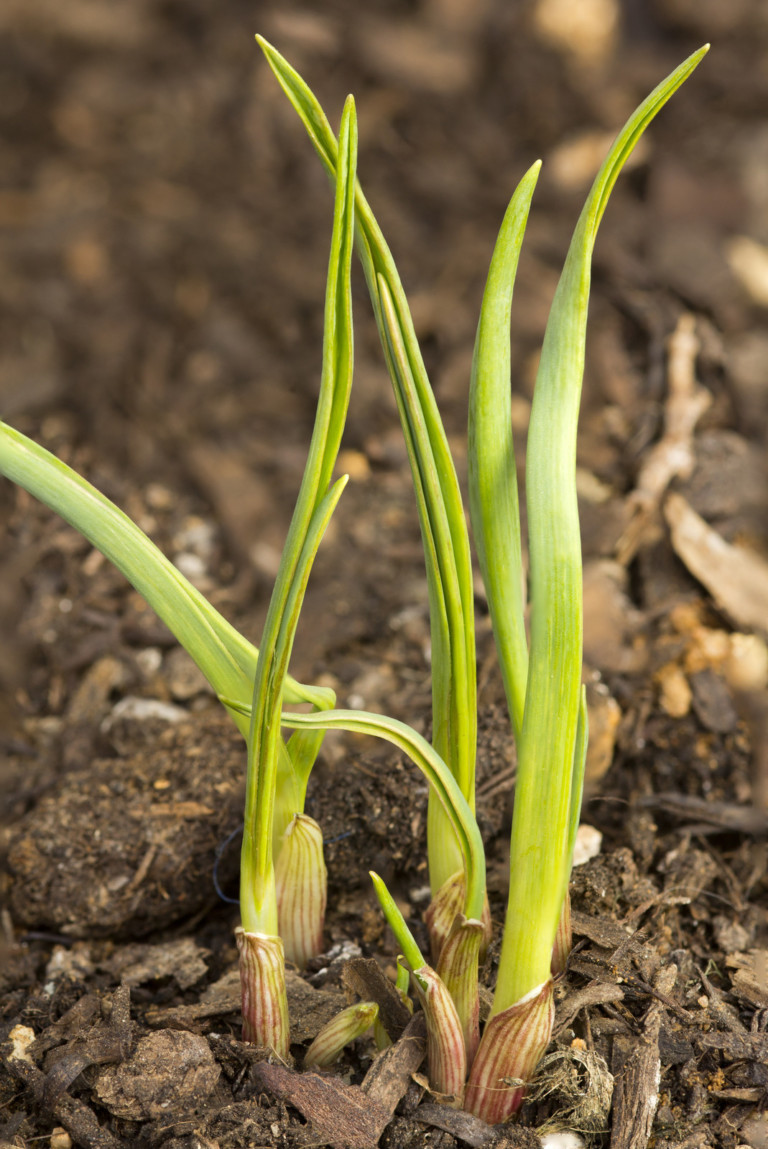
Onion plants have hollow, tubular leaves and foliage that typically reaches about 8 to 20 inches (20 to 50 cm) tall. When allowed to bolt they send up a flowering stalk topped with a round umbel of small flowers.
Where to grow and best uses
Grow onions in dedicated beds or rows with full sun for best bulb development. They are used for fresh green tops, short term harvest of scallions, and storage bulbs. Variety choice affects whether they overwinter in colder climates or are grown as annuals.
Soil and light
Choose a fertile loam with good drainage and a soil pH near neutral roughly 6.0 to 7.0. Full sun is preferred; at least six hours of direct sun helps bulbs reach good size. Poor drainage increases disease risk and reduces bulb quality.
Planting and propagation
Onions are commonly started from seed, from small bulbs called sets, or from transplants. Sets give an earlier harvest but can limit final bulb size compared with seed or transplants. Planting timing and variety determine whether plants form bulbs or are maintained for green tops.
Spacing
Space individual onion plants roughly 4 to 6 inches (10 to 15 cm) apart for bulb production. This spacing supports bulb development while keeping plants manageable in rows or beds.
Watering and drainage
Keep soil consistently moist but not waterlogged. Excessive wetness and poor drainage encourage rot and reduce bulb size, while consistent moisture during bulb fill supports better-sized bulbs.
Bloom and after-flowering
If allowed to bolt onions produce umbels of flowers in late spring to summer. Bloom timing varies with climate and whether plants were overwintered. For reliable bulb crops select varieties suited to your daylength and local conditions to reduce bolting.
Hardiness and overwintering
Onions are grown across a wide range of climates. USDA range is roughly zones 3 to 9 depending on variety and overwintering method. In colder zones choose hardy overwintering types or grow as an annual from sets or transplants.
Safety and pests
Onions are toxic to dogs and cats if ingested and can cause hemolytic anemia. Do not feed onion or onion scraps to pets and seek veterinary care if ingestion is suspected. Handling raw onion juices can cause mild skin irritation in sensitive people.
Frequently asked questions
- How fast does Onions grow?
- Growth rate varies by propagation and variety. Sets produce usable bulbs earliest, transplants are intermediate, and direct-seeded onions take longest to reach harvestable size.
- How far apart should onions be planted?
- Space plants about 4 to 6 inches apart for bulb production.
- Can onions overwinter?
- Some varieties overwinter well but others do not. USDA guidance shows onions grown from zone 3 to 9 depending on variety and management, so choose overwintering types for colder areas.
- Are onions toxic to pets?
- Yes. Onions are toxic to dogs and cats and can cause red blood cell damage. Avoid feeding onions to pets and contact a veterinarian if they eat any.
- When do onions flower?
- Onions that bolt produce umbels of small flowers typically in late spring to summer, but exact timing depends on climate and whether plants were overwintered.
Gallery


Related Plants