
Key Facts
- Native to the south central United States and northern Mexico.
- Large deciduous tree grown for edible nuts and timber.
- Monoecious with separate male catkins and small female flowers.
- Commonly propagated by grafting for cultivar fidelity and by seed for rootstock.
- Prefers deep fertile, well drained soils and full sun.
- Mature trees commonly reach very large sizes and can live many decades.
- Susceptible to pecan scab disease in humid conditions.
- Nuts are edible for people but are tree nuts and can trigger allergies.
Pecan is a large deciduous tree grown for edible nuts and timber. It prefers full sun and deep, well drained soils but requires plenty of room and attention to disease pressure in humid areas.
Identification
Carya illinoinensis has a tall open crown that commonly reaches 60 to 100 feet with a spread of 40 to 75 feet at maturity. It is monoecious with long male catkins and small female flowers that appear in spring. Nuts are produced in clusters inside a green husk that splits as they ripen.
Where to grow and best uses
Native to the south central United States and northern Mexico, pecans suit large yards and orchard settings in USDA zones roughly 5 to 9, though regional guidance varies. Plant for long term nut production, shade, or timber. The tradeoff is size and susceptibility to scab disease in humid climates, which raises maintenance needs.
Planting and spacing
Choose grafted nursery trees to reproduce named cultivars or seedling trees for rootstock and breeding. Space trees according to mature crown spread, commonly 40 to 75 feet apart, to avoid crowding. In many regions plant dormant trees in the cooler months before spring growth begins to reduce transplant shock.
Soil, light and watering
Pecans perform best in deep, fertile, well drained loams to sandy loams with soil pH near 6.0 to 7.5. Full sun maximizes nut yield. Poor drainage causes root decline and raises the risk of diseases such as pecan scab, while inadequate light reduces production and tree vigor.
After flowering care and pest management
Flowering occurs in spring with separate male and female flowers. Protect developing nuts by promoting good air circulation and reducing humidity around the canopy. Pecan scab is the primary disease concern in humid areas, so select tolerant cultivars and follow local extension recommendations for monitoring and treatment.
Controlling spread and mature tree size
Mature pecans develop a deep root system and a wide crown that can dominate a landscape. Control size and inner shading with regular structural pruning and by maintaining appropriate spacing. Crowding increases shading and disease pressure and reduces nut quality over time.
Propagation
Commercial and home growers commonly use grafting to reproduce named cultivars and maintain consistent nut quality. Seed is used for rootstocks or genetic diversity. Common grafting techniques include bench grafting and whip or bud grafts on seedling rootstocks, with method selection guided by local practices.
Frequently asked questions
- How fast does Pecan grow?
- Pecans develop into very large trees over many years. Young orchard trees are smaller and often trained, while mature specimens commonly reach 60 to 100 feet in height and take decades to reach full size.
- Are pecans hardy in my area?
- Pecans are generally suited to USDA zones about 5 to 9, though some extension sources recommend zones 6 to 9 for commercial production. Local climate influences winter injury risk and nut set, so check regional extension guidance.
- Do pecan trees need another tree to pollinate?
- Pecans are monoecious with separate male and female flowers on the same tree. Pollination timing varies by cultivar and climate, so consult local extension resources about compatible varieties and bloom timing for reliable nut set.
- Are pecans poisonous to pets?
- Nuts are edible for people but are tree nuts and can trigger human allergies. Feeding large amounts of nuts or shells to pets can cause gastrointestinal upset. Confirm pet risk and specific guidance with a veterinarian or poison control source.
- How do I manage pecan scab?
- Pecan scab is favored by humid conditions. Choose tolerant cultivars where available, maintain good canopy airflow through pruning, avoid poor drainage, and follow local extension recommendations for monitoring and fungicide use when necessary.
Related Plants


Mentioned In (5)
Trees
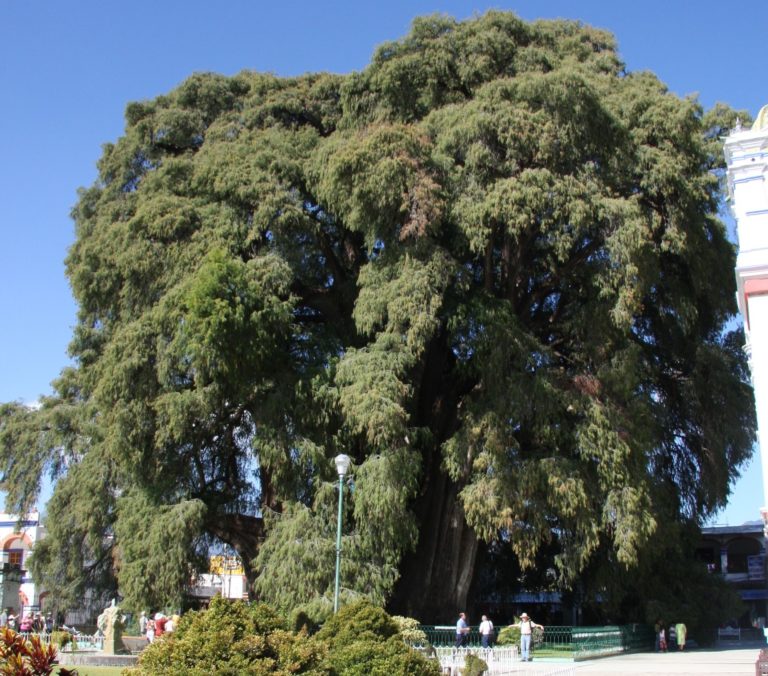
The 16 Biggest Trees in Texas
They say that everything is bigger in Texas, and that certainly seems to be the case with their trees. They…

Trees
37 Most Common Trees in Texas
Texas is located in the Southernmost region of the United States and is bordered by New Mexico and other Mexican…
Trees
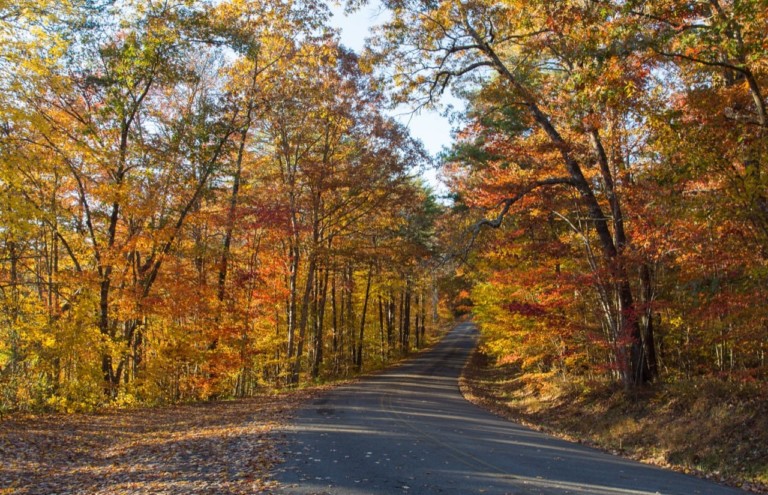
34 Most Common Trees in Alabama
The 30th largest state in the United States of America, Alabama, is home to a mesmerizingly diverse landscape. From hardwood…
Trees
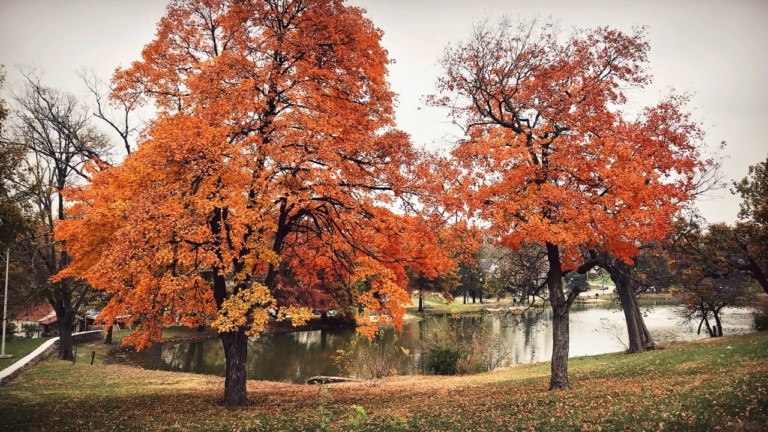
30 Most Common Trees in Kansas
Kansas is home to a wide range of trees, from the tall and hardy oak tree that can grow up…
Trees
25 Most Common Trees in Tennessee
Tennessee is America's most biodiverse inland state. It has a topography that is both adaptable and abundant, with an unusual…