
Key Facts
- Native to eastern North America.
- Spring ephemeral that fruits after the leaf stage.
- Edible bulb and leaves with a strong onion garlic flavor.
- Forms clonal colonies from bulbs.
- Prefers rich, moist, humus rich woodland soils.
- Grows in shade to part shade and in spring sunlight before canopy closure.
- Can be propagated by division or by seed.
- Allium species can be toxic to dogs and cats if ingested.
Ramps are a spring ephemeral wild leek with a strong onion garlic flavor, prized for shaded woodland gardens and foraging. They emerge in spring before tree canopy closure, form clonal colonies from bulbs, and fruit after the leaf stage.
Identification
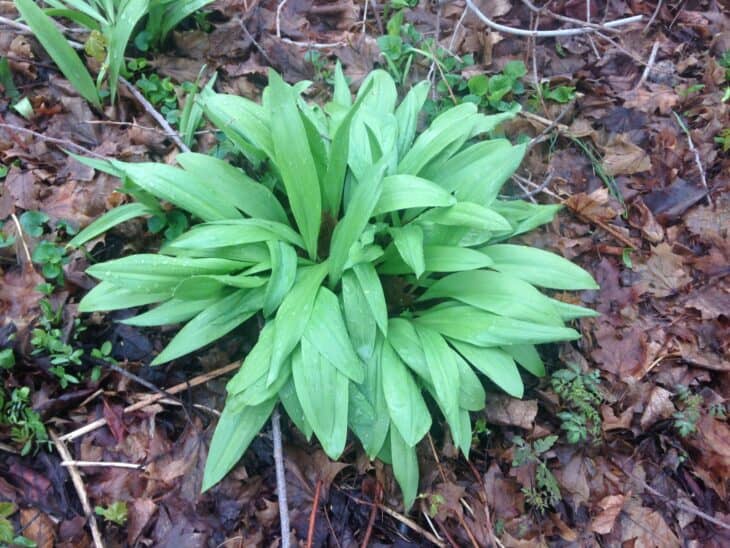
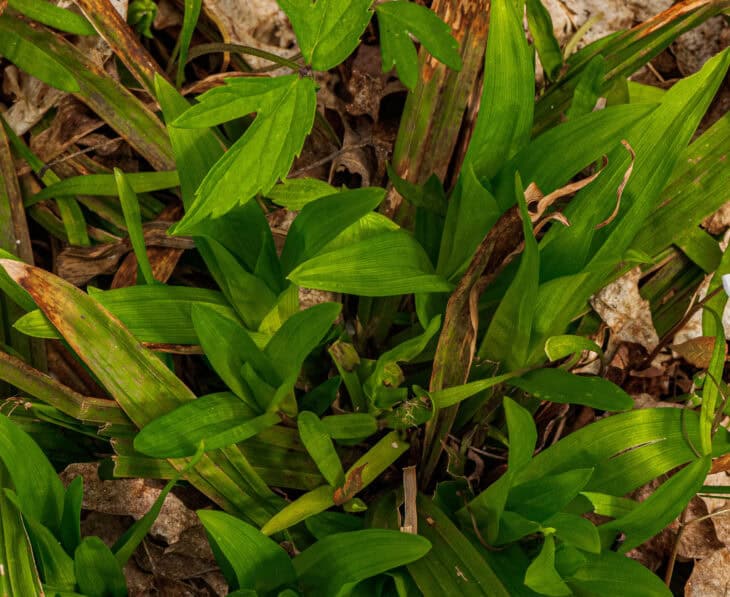
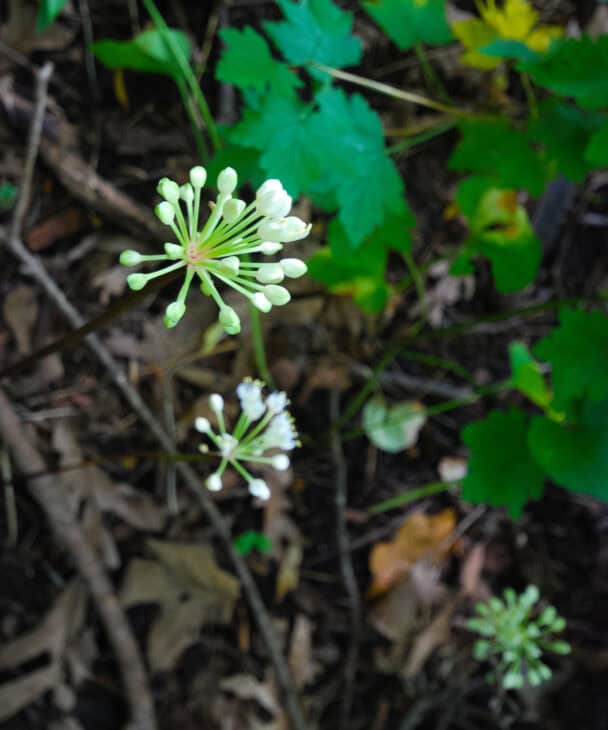
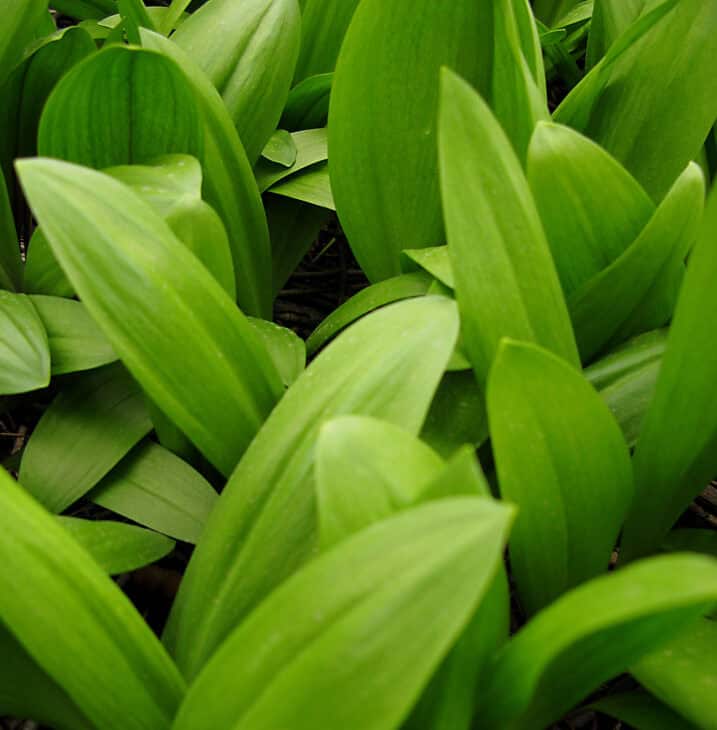
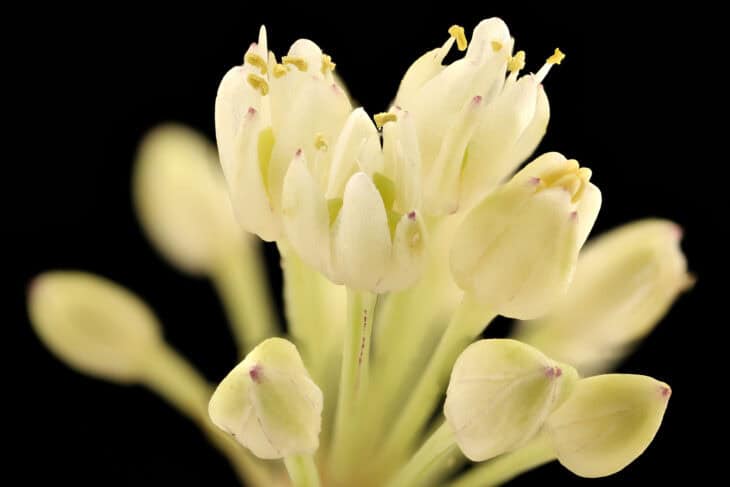
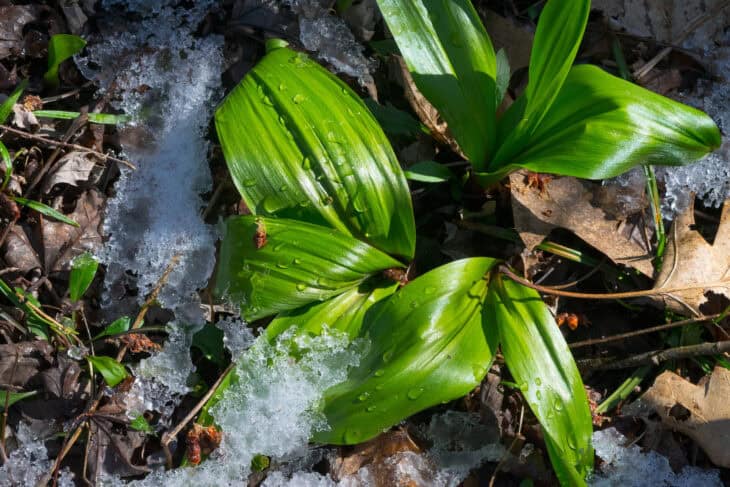
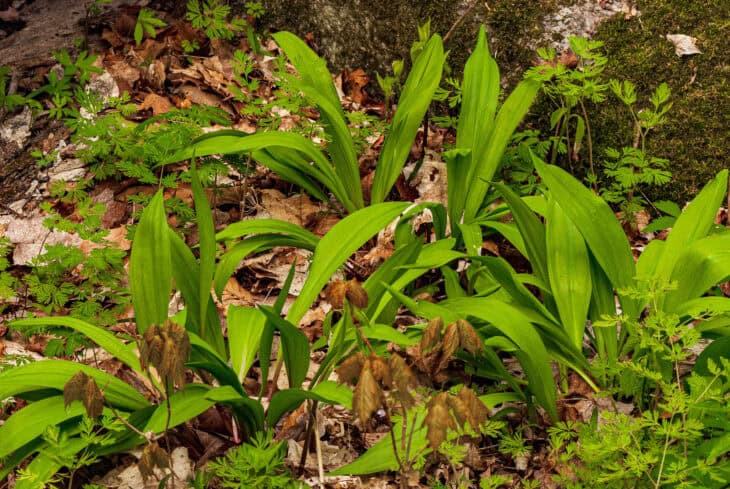
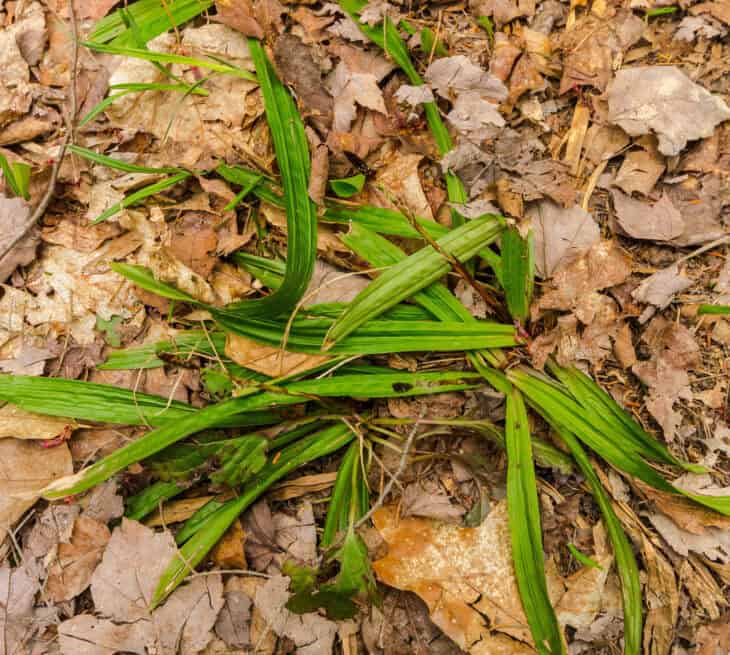
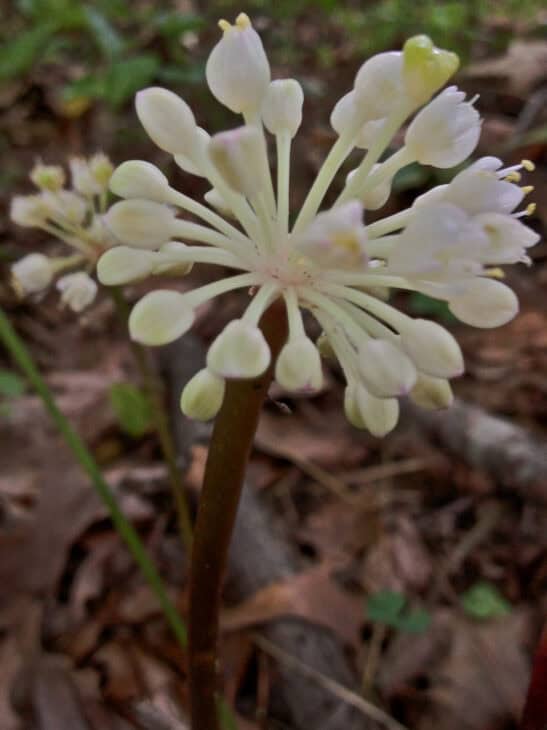
Ramps have broad, smooth leaves and an underground bulb that together reach roughly 6 to 18 inches tall overall, with foliage commonly around 6 to 12 inches. Flowers appear after the leaf stage in spring to early summer, and the plant fruits after flowering. Both leaves and bulbs are edible for people.
Best uses and where to grow
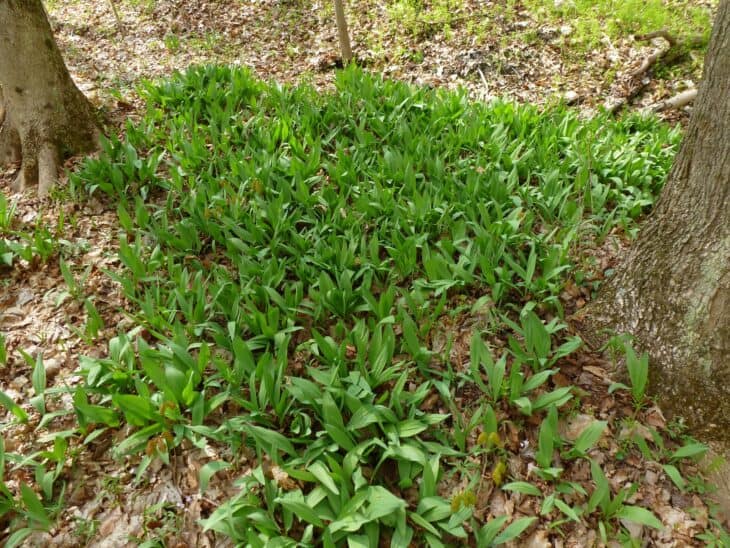
Use ramps as a woodland groundcover in shade to part shade where rich, moist soil is available. They suit naturalized beds under deciduous trees and cool shady margins. They are documented as native to eastern North America and are reported to be cold hardy roughly in USDA zones 3 to 8, with local performance varying by population.
Planting and propagation
Propagate ramps by dividing bulbs in fall for the fastest results. Seed is possible but often requires a cold period and several seasons to produce marketable bulbs. When planting divisions allow space for colonies to form, since bulbs offset slowly and will expand over time into clumps several inches to a couple of feet across.
Soil and watering
They prefer rich, moist, well drained loam high in organic matter and a neutral to slightly acidic pH. Avoid waterlogged ground and very dry soils because both conditions reduce vigor. Consistent moisture in spring supports leaf growth and helps colonies establish before canopy closure reduces light.
After flowering and care
Ramps are spring ephemerals so foliage fades after flowering and fruiting. Leave bulbs undisturbed through dormancy to let colonies strengthen, and avoid heavy disturbance or routine digging. Check local harvest guidance because some populations are vulnerable to overharvest and slow to recover.
Spread and naturalizing control
Colonies expand from bulb offsets and develop slowly over multiple years. To limit spread lift and divide bulbs in fall or contain plantings in a defined woodland bed. Do not assume rapid invasion since growth is gradual, but respect local regulations and sustainable harvest recommendations where wild populations exist.
Harvest and edible uses
Both bulbs and leaves are edible and have a strong onion garlic flavor useful in spring cooking. Harvest selectively and leave many plants to sustain a colony. Ramps are safe for humans but like other Allium species they can be toxic to dogs and cats if ingested, so prevent pet access.
Frequently asked questions
- How fast do Ramps grow?
- Colonies develop slowly over multiple years. Division establishes faster than seed grown plants, while seed often needs cold stratification and several seasons to produce mature bulbs.
- When is the best time to plant or divide ramps?
- Divide bulbs in fall for best establishment. Planting by division in autumn lets bulbs settle before spring emergence.
- What light conditions do ramps need?
- They prefer shade to part shade and take advantage of spring sunlight before tree canopy closure. Excess sun later in the season can stress the plants.
- What soil do ramps prefer?
- Rich, moist, well drained loam high in organic matter with neutral to slightly acidic pH supports the best growth. Avoid waterlogged or very dry soils.
- Are ramps safe for pets?
- Ramps are edible for people but Allium species can cause oxidative damage to red blood cells in dogs and cats, so prevent pets from eating them.
Gallery

Related Plants


Mentioned In (1)

Plants
8 Plants That Look Like Onions
The common onion (Allium cepa) is a well-known vegetable in most households worldwide. Onions have many uses and are often…