
Key Facts
- Native to eastern North America and common along streams and floodplains.
- Distinctive peeling, papery bark that matures to cinnamon and brown tones.
- Prefers moist to wet soils and tolerates clay and occasional flooding.
- Grows as a single trunk tree or multistem specimen.
- Blooms in spring with short pendent catkins before or with the leaves.
- Typically hardy in USDA zones 4–9.
- Propagated by seed, cuttings, and by suckers or layering.
- More tolerant of wet, compacted soils than many other birches.
River Birch is a fast growing ornamental tree valued for its peeling, papery bark and strong tolerance of wet soils. Native to eastern North America it suits streambanks and poorly drained sites while also working as a specimen in larger landscapes. Expect spring catkins before or with the leaves.
Identification and size
River Birch has distinctive exfoliating bark that becomes cinnamon and brown as it matures. It can grow as a single trunk tree or a multistem specimen and typically reaches about 40 to 70 feet tall with a 30 to 40 foot spread. Blooms appear in spring as short pendent catkins.
Best uses and site selection
Plant River Birch for streambanks, rain gardens and wet low spots where other birches struggle. It performs in full sun to part shade and tolerates heavy clay and occasional flooding. In warmer climates provide some afternoon shade to reduce heat stress and expect more suckering in those areas.
Planting and spacing
Place trees at least as far apart as their expected mature spread which is typically 30 to 40 feet for most selections. Set the root flare at soil level when planting and avoid planting too deep. Choose sites that stay moist during the growing season since prolonged dry conditions lead to decline and pest vulnerability.
Watering and soil
River Birch prefers consistently moist to wet soils and tolerates poorly drained and compacted sites. When soils dry out the tree often shows reduced vigor and becomes more susceptible to pests and dieback. Mulch to conserve moisture but keep mulch pulled back from the trunk to avoid rot.
After flowering and maintenance
Prune in late winter to shape single trunk forms or to remove crossing branches on multistem specimens. Remove unwanted suckers at the root if you want to maintain a single trunk. Watch for increased sucker production in warmer zones and thin branches to maintain airflow and reduce pest problems.
Propagation and controlling spread
River Birch is propagated by seed, softwood cuttings and by using suckers or layering. Root suckers are useful for propagation but can be removed for maintenance to prevent naturalizing in a landscape. Verify cultivar specific rooting success when propagating by cuttings for nursery production.
Safety and common concerns
River Birch is not widely reported as highly toxic to people or pets but birch pollen is a common allergen for sensitive individuals. Confirm pet safety with a regional poison control authority or the ASPCA. Avoid planting where rapid growth or suckering would conflict with foundations, patios or small yards.
Frequently asked questions
- How fast does River Birch grow?
- River Birch is considered fast growing compared with many hardwoods. Growth rate varies by site and moisture but young trees often add substantial height each year and reach maturity within a few decades depending on conditions.
- Is River Birch good for wet soils?
- Yes. It prefers moist to wet soils and tolerates heavy clay and periodic flooding, making it a good choice for streambanks and wet landscape spots.
- What are common problems for River Birch?
- Problems arise when trees experience prolonged drought. Reduced vigor from dry soils increases susceptibility to pests and dieback. Suckering can be a nuisance in warm areas.
- Can I plant River Birch in a small yard?
- Not usually. Typical mature size is 40 to 70 feet tall with a 30 to 40 foot spread. Consider smaller cultivars and verify mature dimensions before planting close to structures.
- How do I control suckers?
- Remove suckers at their base or dig out the root crown to prevent regrowth. Regular removal is often necessary in warmer climates where sucker production increases.
Related Plants


Mentioned In (8)
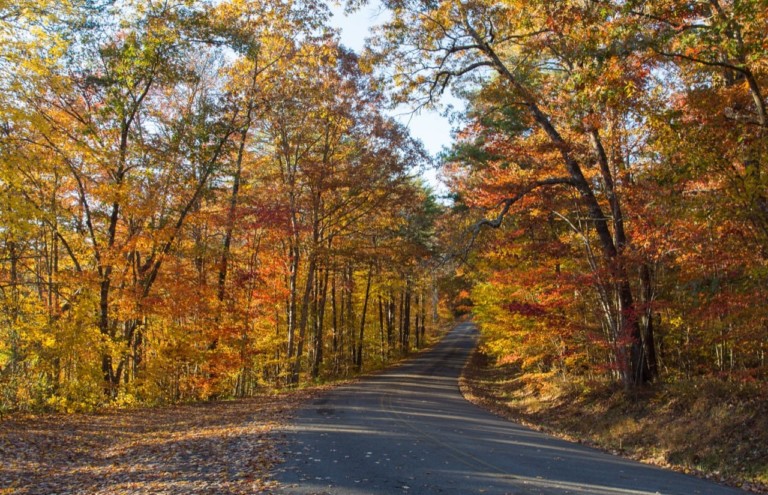
Trees
34 Most Common Trees in Alabama
The 30th largest state in the United States of America, Alabama, is home to a mesmerizingly diverse landscape. From hardwood…

Trees
30 Most Common Trees in Arkansas
The state of Arkansas is home to a diverse variety of trees. Some trees found in Arkansas are not native…
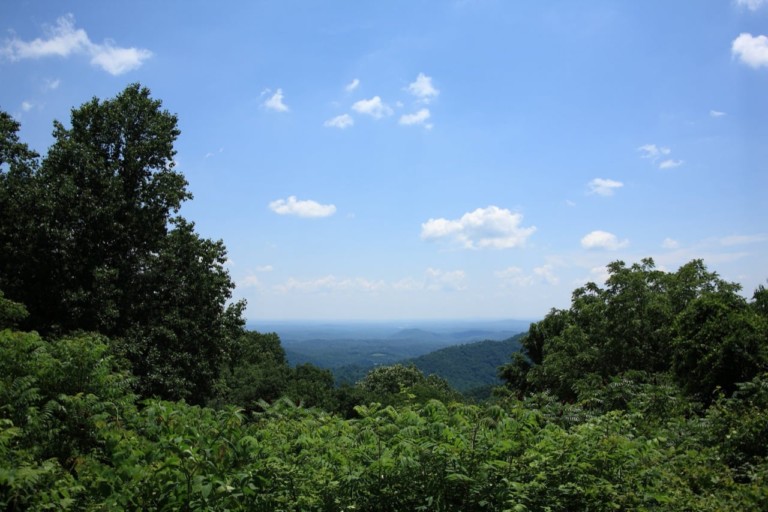
Trees
33 Most Common Trees in Virginia
Let's have a look at the 33 most common trees in Virginia. Which of the names of these tree species…
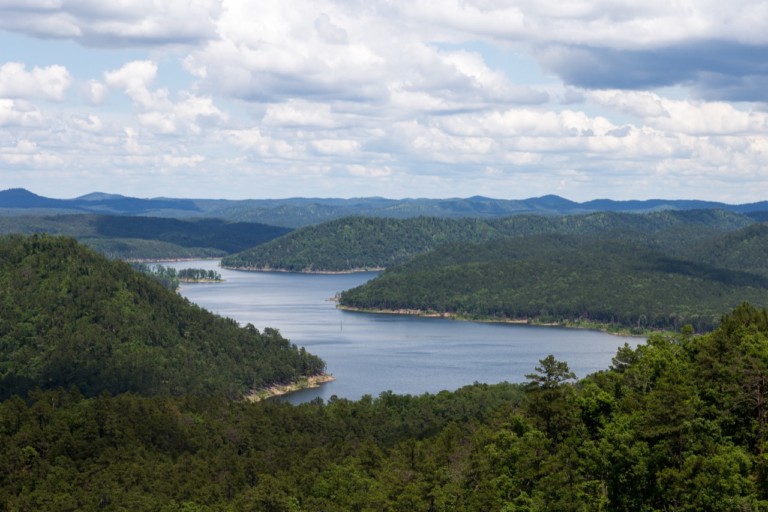
Trees
26 Most Common Trees in Oklahoma
The state of Oklahoma has many different ecoregions, including spruce-fir forests in the mountains, mesophytic forests in the eastern highlands,…
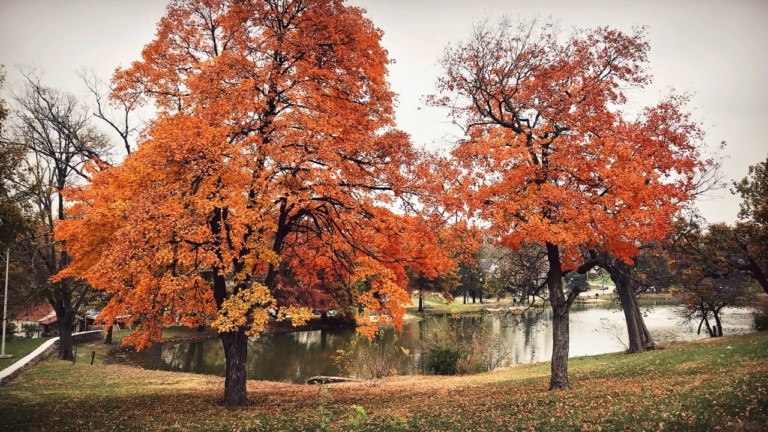
Trees
30 Most Common Trees in Kansas
Kansas is home to a wide range of trees, from the tall and hardy oak tree that can grow up…
Trees
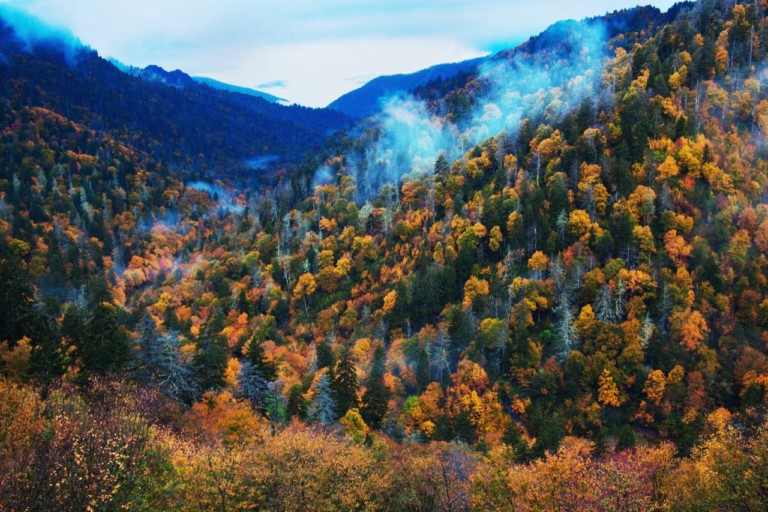
25 Most Common Trees in Tennessee
Tennessee is America's most biodiverse inland state. It has a topography that is both adaptable and abundant, with an unusual…

Trees
22 Most Common Trees in North Carolina
North Carolina's woodlands have the most tropical and temperate tree species of any state in the east coast. The great…

Trees
20 Different Types of Hardwood Trees
Hardwood trees are usually sought after by those who wish to make strong, sturdy furniture and other items so it…