
Key Facts
- Native evergreen conifer of western North America.
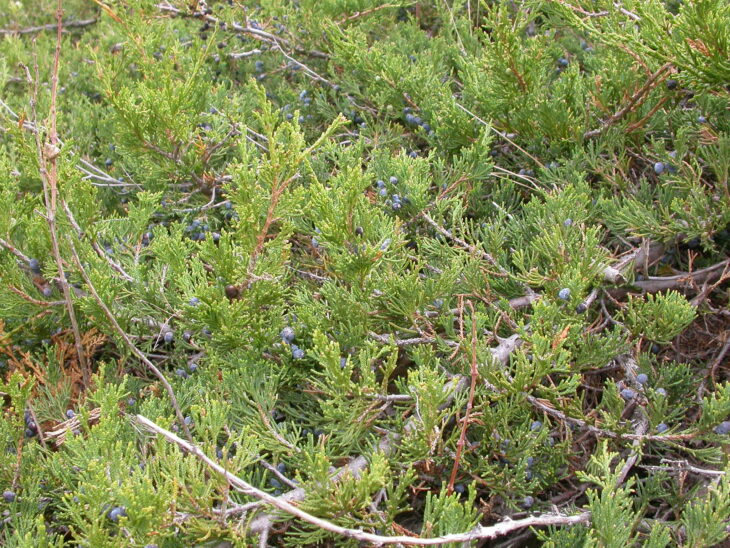
- Scale-like needles and berry-like seed cones commonly called juniper berries.
- Drought tolerant and suited to rocky or sandy soils.
- Valuable for wildlife forage and cover, especially birds.
- Used in windbreaks, erosion control, and native plant landscapes.
- Prefers full sun and good drainage.
- Slow to moderate growth rate with long life span.
- Can be susceptible to root rot in poorly drained soils.
Rocky Mountain Juniper (Juniperus scopulorum) is a native evergreen conifer valued for dry, sunny sites where it tolerates rocky soils and provides year-round cover. It produces scale-like foliage and berry-like seed cones that feed wildlife while remaining low-maintenance in well-drained locations.
Identification
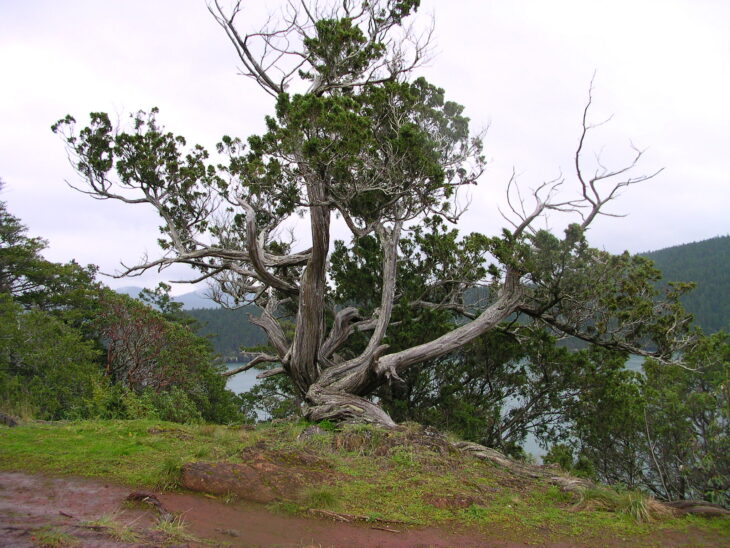
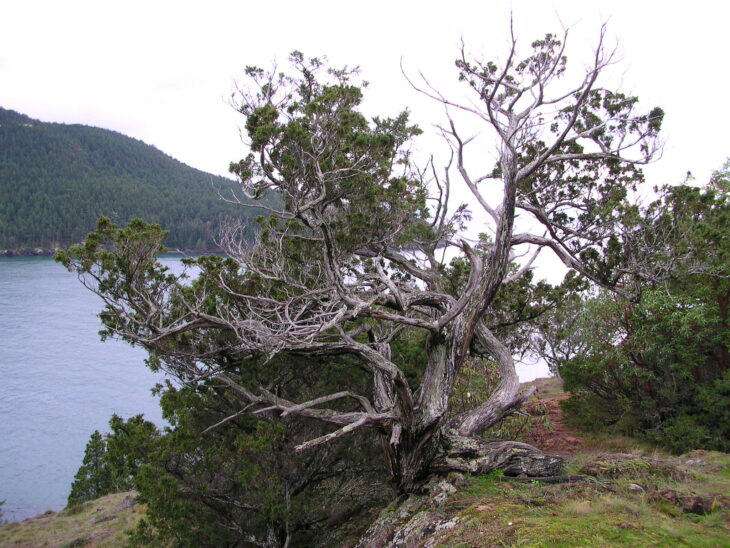
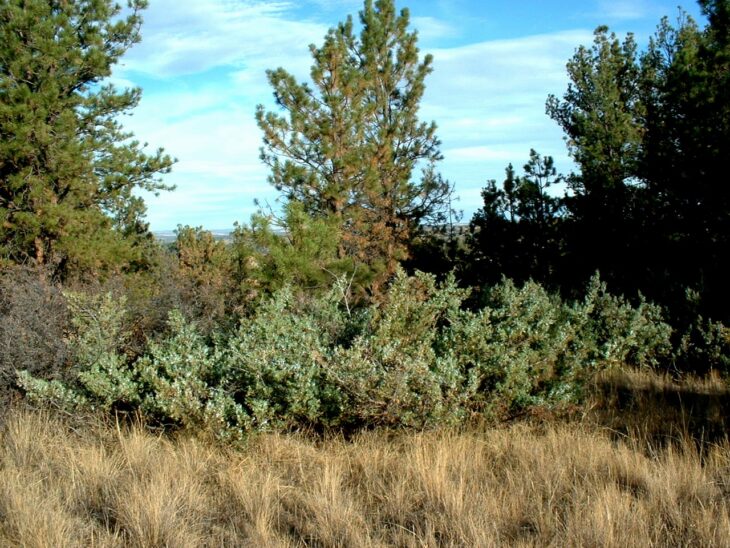
Juniperus scopulorum has scale-like needles and rounded berry-like seed cones often called juniper berries. Mature trees typically reach 15 to 30 feet tall and 10 to 20 feet wide though some trees can grow taller. Foliage forms a dense, columnar to broadly conical crown depending on site and provenance.
Best uses and where to grow
Use Rocky Mountain Juniper for windbreaks, erosion control, native plant landscapes and wildlife cover on dry slopes or sandy sites. It is hardy in USDA zones 3 to 7 and performs best in open, sunny exposures where drainage is good. It tolerates alkaline and low fertility soils.
Planting and spacing
Space plants to allow the mature crown to develop, commonly 10 to 20 feet apart for single specimens or dense hedgerows. Planting in well-drained soil is essential because poor drainage leads to decline. Choose a planting site that provides full sun for best vigor and cone production.
Soil and watering
Rocky Mountain Juniper thrives on well-drained rocky or sandy soils and tolerates poor and alkaline sites. It is drought tolerant once established. Overwatering or waterlogged soil encourages root rot and gradual thinning of foliage, so irrigate sparingly and avoid heavy clay soils without good drainage.
Light and maintenance
Full sun produces the healthiest growth and best cone set; light or dappled shade reduces vigor. Trees require little pruning for most uses but controlling spread or shaping large specimens should be done conservatively to avoid bare patches. Expect a slow to moderate growth rate and a long lifespan.
Propagation and nursery tips
Propagate by seed with scarification and cold stratification or by semi-hardwood cuttings and layering to clone selected forms. Seeds germinate slowly and irregularly so start small test batches. Cuttings may require rooting hormone and humid conditions for better success.
Pests, problems and toxicity
Root rot from poorly drained soils is the main cultural threat and causes decline. Juniper berries are eaten by birds and mammals but foliage and berries can cause digestive upset in pets or livestock if consumed in quantity and may irritate sensitive skin. Confirm local livestock and pet risks with extension resources.
Frequently asked questions
Common questions about growth habit, size and care for Rocky Mountain Juniper with concise answers to help planting and maintenance decisions.
- How fast does Rocky Mountain Juniper grow?
- Growth is slow to moderate. Trees eventually reach 15 to 30 feet tall under favorable conditions but annual height increment varies with site moisture and provenance.
- What is the typical mature size?
- Typical mature height is 15 to 30 feet with a spread of 10 to 20 feet. Some specimens may reach greater height depending on site and genetics.
- What soil does it prefer?
- Prefers well-drained rocky or sandy soils and tolerates alkaline or low fertility sites. Avoid waterlogged, poorly drained locations to reduce root disease risk.
- Are the berries edible?
- Juniper berries are eaten by wildlife and have historical human uses. Reports on edibility and safety vary, so verify with local extension or poison control before human or pet use.
- How do I propagate it?
- Propagate from seed with scarification and cold stratification or from semi-hardwood cuttings and layering. Seeds often germinate slowly and irregularly.
- What causes decline in new plantings?
- Decline is usually caused by poor drainage and root rot or planting in too-shady sites. Plant in full sun with good drainage and use conservative irrigation.
Gallery
Related Plants


Mentioned In (5)
Trees
18 Evergreen trees in Washington state
The Evergreen State is home to many different types of evergreen trees. In this blog post, we will discuss the…
Trees
12 Evergreen Trees in Tennessee
The state of Tennessee is home to many different kinds of trees. There are over 500 species, but some are…

Trees
23 Most Common Trees in South Dakota
If you are looking to plant a tree in your garden, it is best to know what the most common…
Trees
23 Most Common Trees in Nebraska
Nebraska is known for its vast, rich landscapes that are absolutely teeming with wildlife and vegetation. There are approximately 10,000…

Trees
19 Most Common Trees in Colorado
Colorado is known for its mountainous terrain and lush forests. The state has a range of ecosystems, which means there…