
Key Facts
- Perennial succulent herb in the stonecrop family.
- Native to arctic and mountainous regions of the Northern Hemisphere.
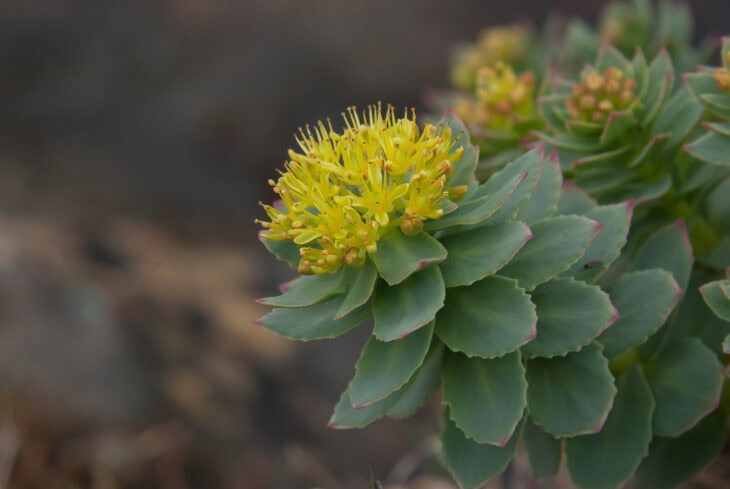
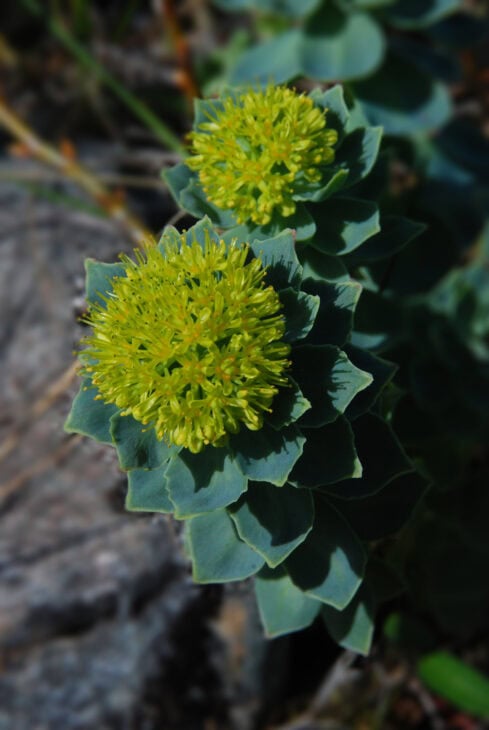
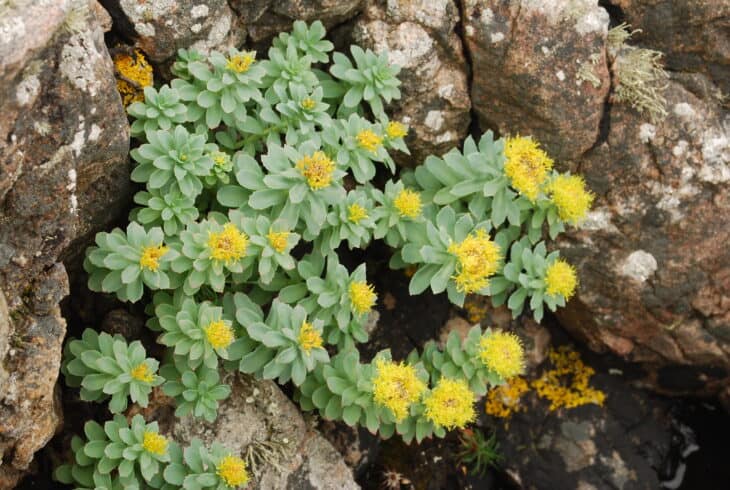
- Produces fleshy leaves and clusters of yellow to yellow-green flowers.
- Cold hardy and adapted to rocky, well drained sites.
- Used ornamentally and as an herbal supplement from the root.
- Forms clumping mats or tufts rather than tall upright stems.
- Propagated by seed, division, or root cuttings.
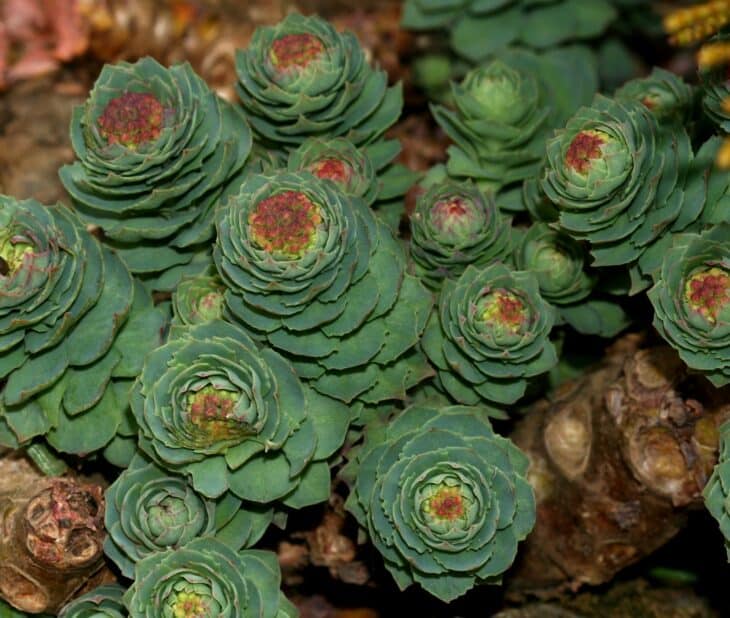
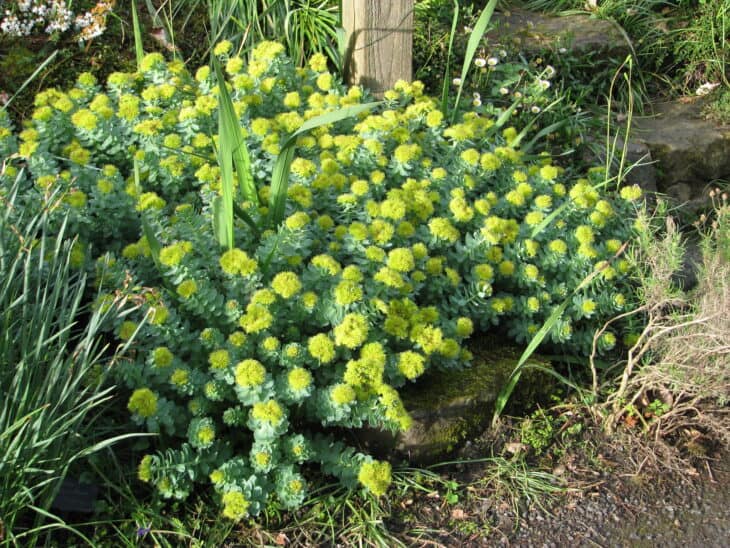
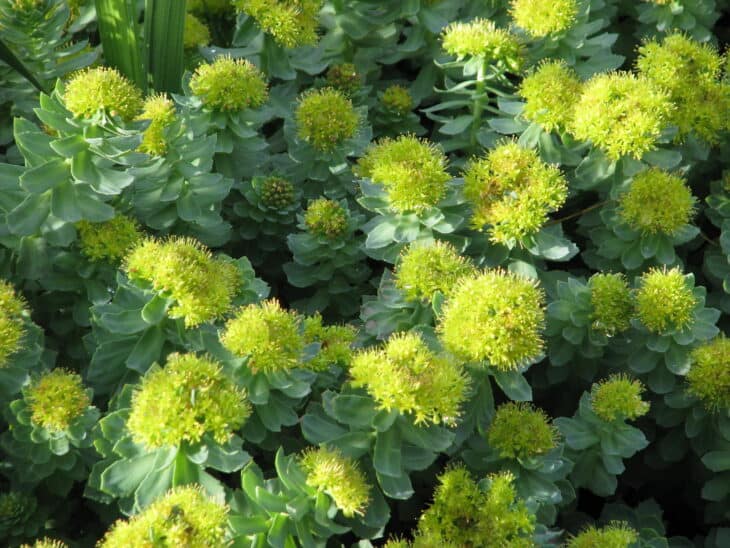
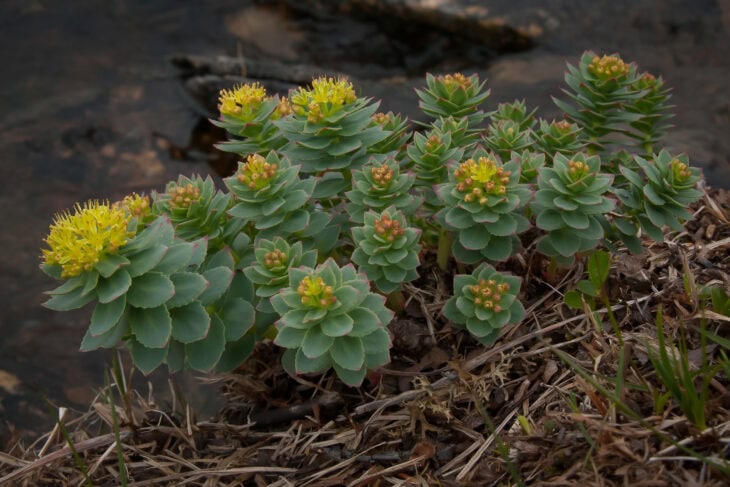
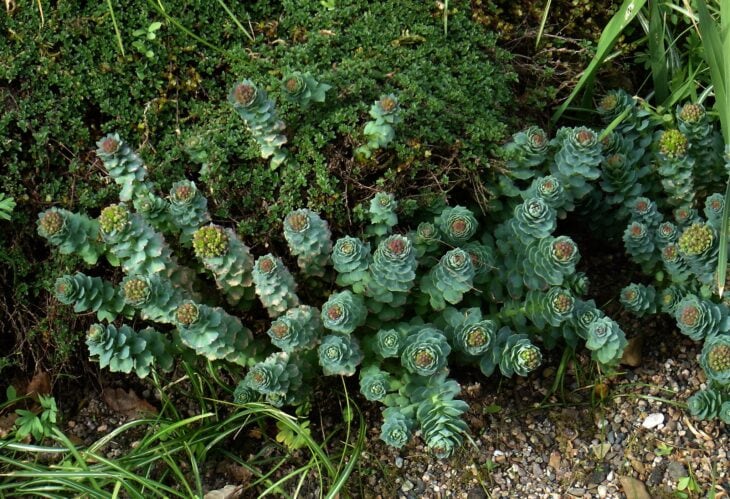
Rhodiola rosea, commonly called Roseroot or Arctic root, is a cold hardy succulent perennial used in rock gardens and as a low groundcover. It forms compact tufts of fleshy leaves and produces clusters of yellow to yellow green flowers in late spring and summer.
Identification
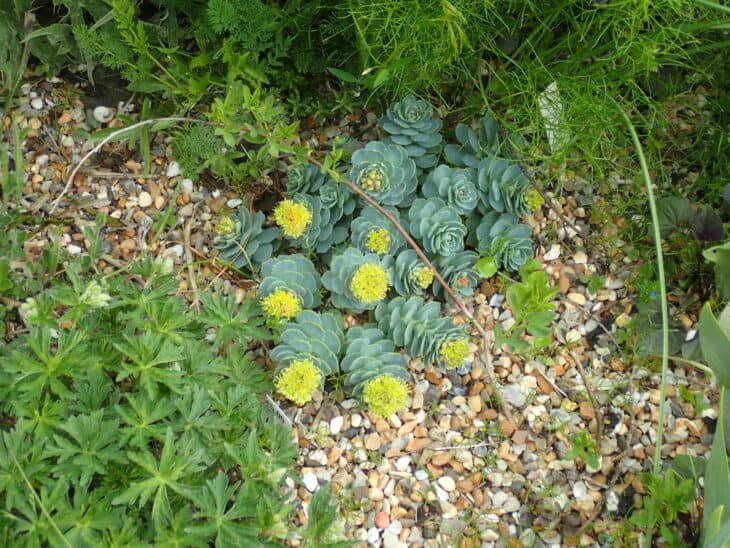
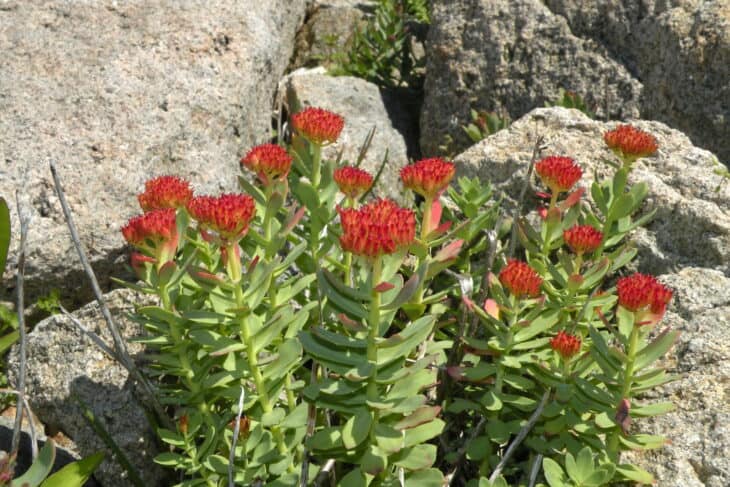
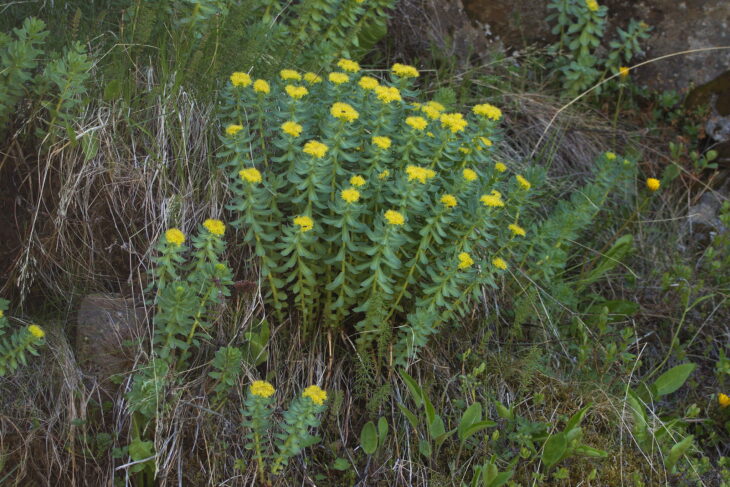
Low clumping perennial 6 to 14 inches tall with fleshy, succulent leaves and branching stems of yellow to yellow green flowers. Plants form small mats 8 to 16 inches across and remain much shorter in exposed alpine sites. Blooms typically appear from May through July in the Northern Hemisphere.
Best uses and where to grow
Ideal for rock gardens, gravel borders, crevices, and cool sunny slopes where lean, well drained soil is available. Hardy to USDA zones 1 through 7, roseroot performs best in cool sites and can struggle in warm, humid climates unless given afternoon shade and excellent drainage.
Planting season and spacing
Plant or divide in spring to reestablish clumps and allow roots to settle before active summer growth. Space plants according to their mature spread about 8 to 16 inches apart or 20 to 40 centimeters to let clumps develop without overcrowding and to maintain good air circulation.
Soil light and watering
Require lean gritty soil that drains freely with neutral to slightly alkaline pH preferred. Give full sun to part shade and avoid hot afternoon sun in warm areas. Overwatering or poor drainage leads to crown and root rot; water sparingly and expect foliage collapse or yellowing where soil stays wet.
After flowering and maintenance
Remove spent flower stalks to tidy clumps and reduce seed set if desired. Division in spring is the most reliable way to renew established plants and control old, woody crowns. Avoid heavy feeding; roseroot thrives in poor soils and rich soil can encourage weak, floppy growth.
Propagation
Propagate by division, seed or root cuttings. Division in spring is fastest for reestablishing clumps. Seed often benefits from cold stratification for reliable germination and short rhizome pieces will root when set in gritty medium.
Containers and small spaces
Works in containers or troughs when planted in a free draining gritty mix and placed in a cool bright spot. Containers make it easier to provide sharp drainage and afternoon shade in warmer climates but monitor moisture closely to prevent root rot.
Spread and naturalizing control
Spreads slowly by short rhizomes and forms compact tufts rather than aggressive mats. Control is simple by dividing clumps or removing expanding crowns; it is not known as an invasive garden thug in typical ornamental settings.
Frequently asked questions
- How fast does Rhodiola Rosea Flower grow?
- Growth is slow to moderate with plants forming compact clumps over seasons and spreading gradually by short rhizomes rather than rapidly expanding.
- Is Rhodiola Rosea hardy in winter?
- Yes. It is cold hardy and suitable for USDA zones 1 through 7 where it survives winter and resumes growth in spring.
- Can Rhodiola be grown in containers?
- Yes. Use a gritty, well drained mix and a cool bright location. Containers help control moisture and heat exposure in warmer climates.
- How do I propagate Rhodiola Rosea?
- Propagate by division in spring for quickest results; seed and root cuttings also work. Seed often needs cold stratification for reliable germination.
- Is Rhodiola Rosea toxic to pets?
- Authoritative pet toxicity data is limited. Consult local poison control or a veterinarian before assuming the plant is safe around pets.
Gallery

Related Plants


Mentioned In (2)

Plants
10 Plants That Look Like Brains
Plants can be weird and wonderful, but have you ever seen plants that look like brains? Plants that look like…
Plants
9 Plants That Look Like Roses
Roses are a classic choice for gifts and gardens, but they’re not the only plants that can deliver that layered,…