
Key Facts
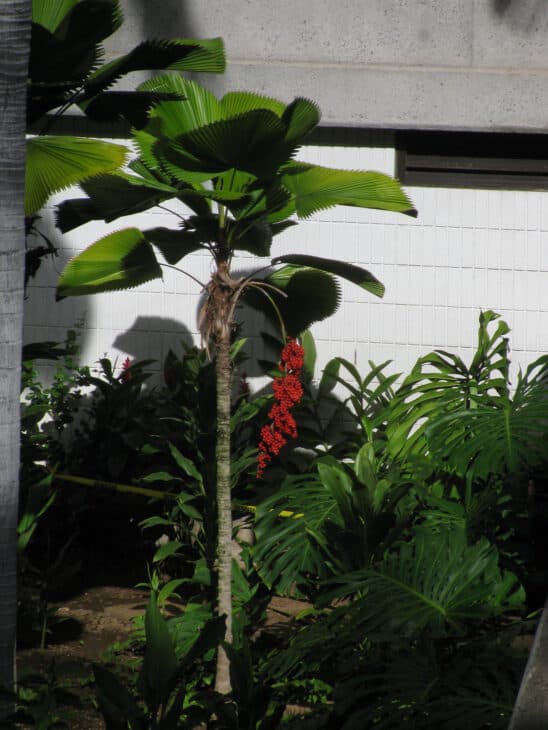
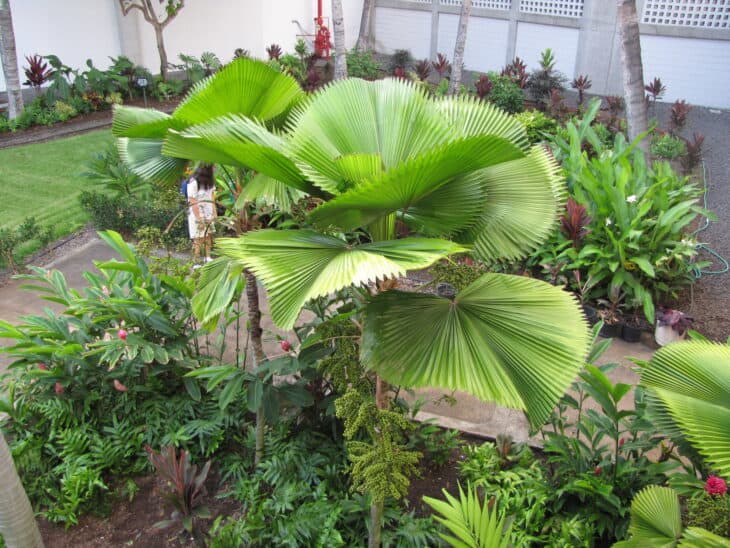
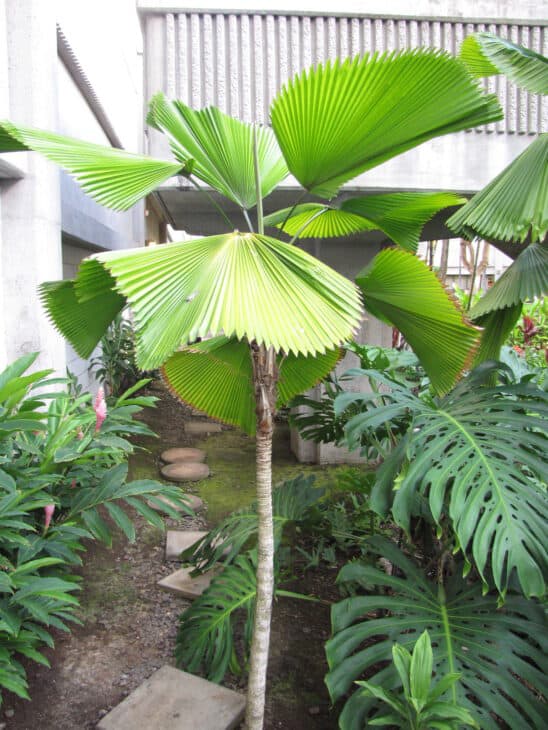
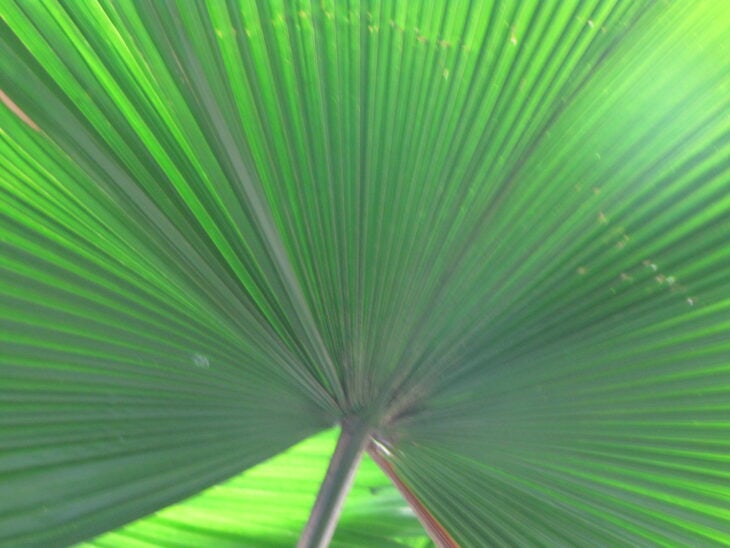
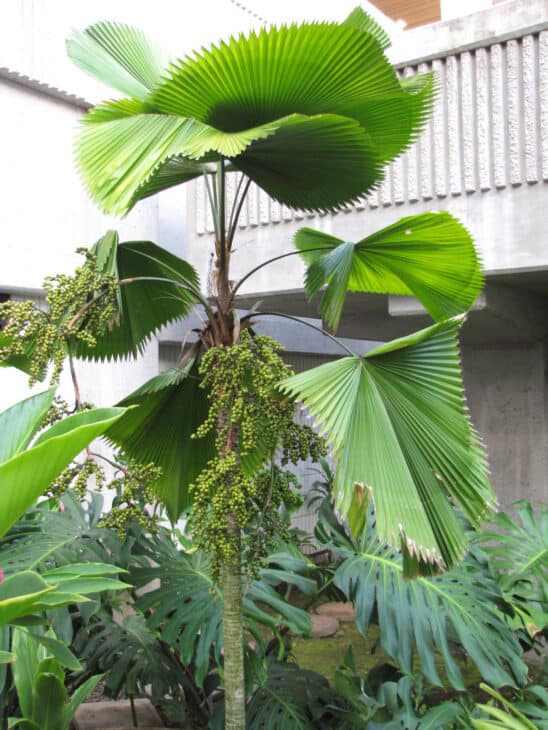
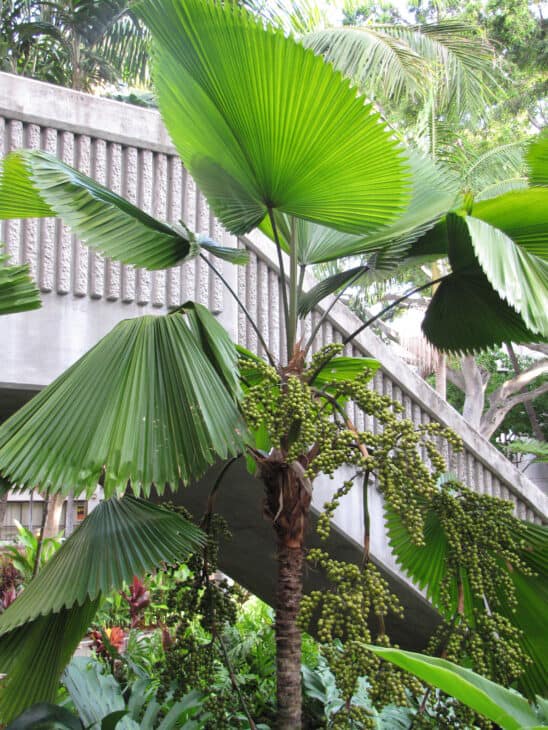
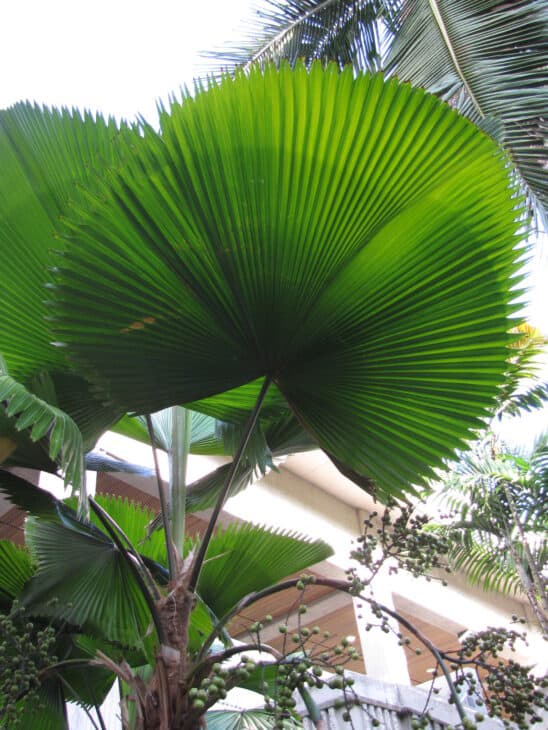
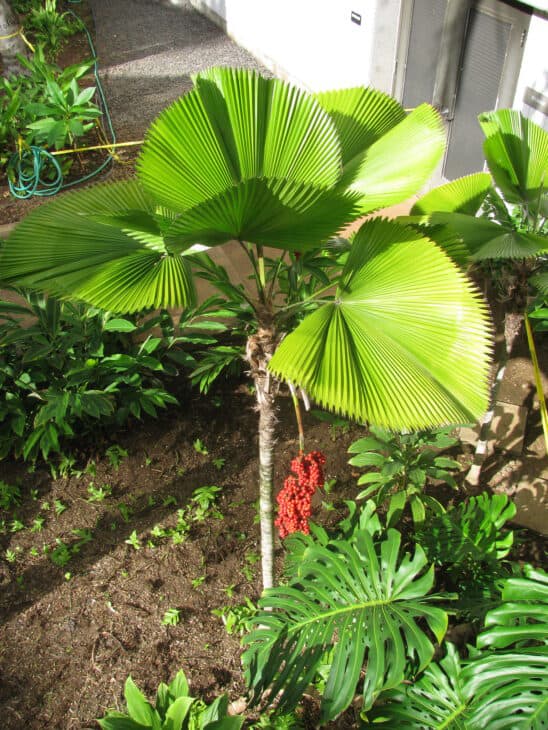
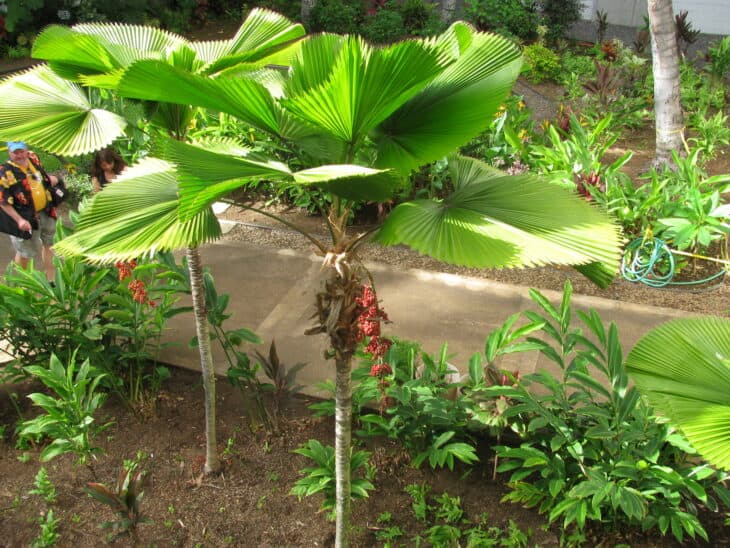
- Tropical fan palm with nearly circular pleated leaves.
- Native to Vanuatu and other south Pacific islands.
- Single trunk palm grown indoors or outdoors in warm climates.
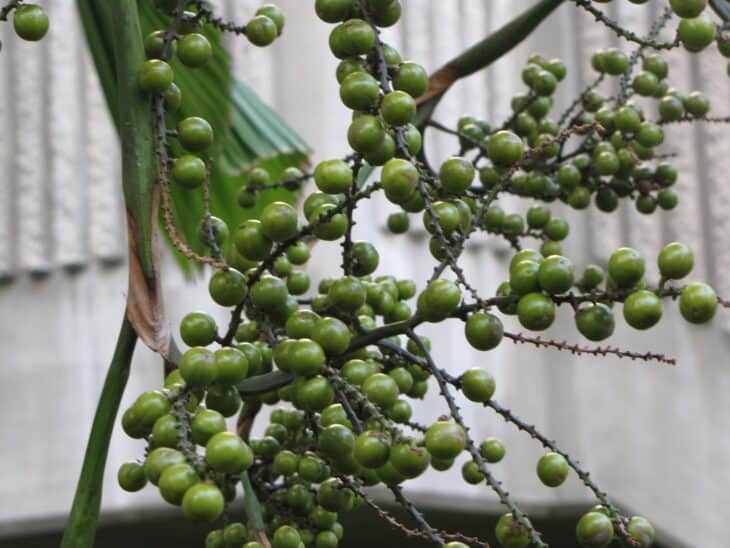
- Valued for architectural foliage rather than flowers.
- Prefers consistently moist but well draining soil.
- Does best in bright indirect light or filtered shade.
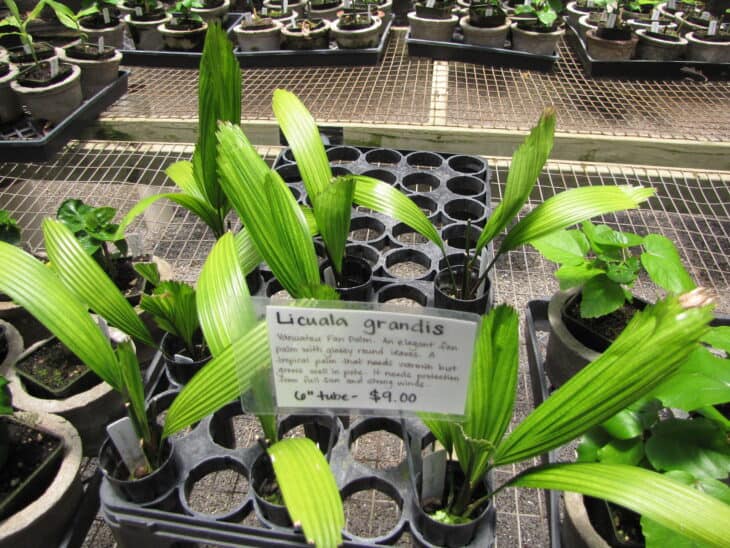
- Propagated primarily by seed.
- Not tolerant of frost.
Ruffled Fan Palm (Licuala grandis) is a tropical fan palm prized for nearly circular pleated leaves and an architectural look that suits bright indoor spaces or frost free landscape spots. It performs best where humidity and steady moisture mimic its south Pacific origins.
Identification
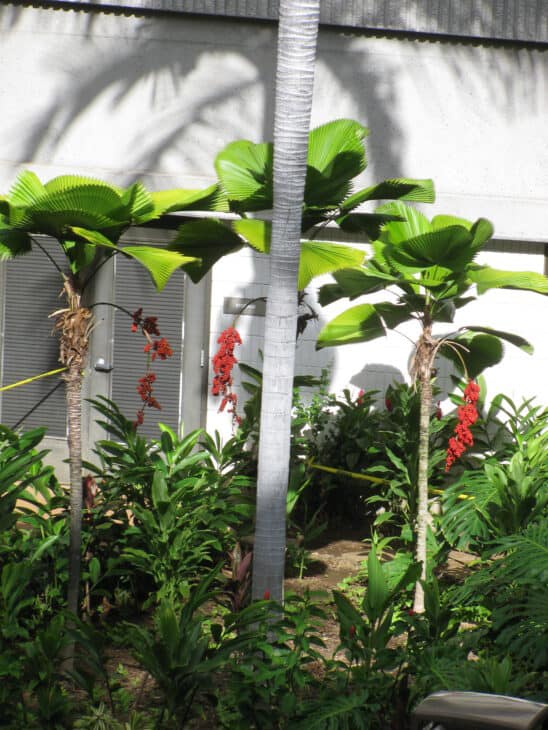
Licuala grandis has large pleated round leaves that sit atop a single slender trunk. The plant is grown for dramatic foliage rather than flowers and forms a compact canopy. In cultivation specimens commonly reach several feet tall and develop a broad spread of fan shaped fronds.
Where to grow and best uses
Use this palm as a statement container plant indoors or as an understory specimen in warm landscapes. It is suited to sheltered garden pockets and courtyard plantings in frost free climates. Expect the plant to remain manageable in containers while outdoor specimens form a wider canopy.
Hardiness and planting time
Ruffled Fan Palm is frost sensitive and best kept in USDA 10-11 zones or moved indoors in cooler areas. Plant outdoors only after frost danger has passed and select a protected location that avoids cold winds and hard freezes.
Planting and spacing
Allow room for a canopy that typically spreads around 6 to 8 feet so neighboring plants are not crowded. In containers choose a pot that gives stable support for the trunk and enough soil to hold moisture without becoming waterlogged.
Light and placement
Provide bright indirect light or filtered shade and protect the palm from hot direct afternoon sun which often causes leaf scorch. Indoors place near an east facing window or a bright spot with diffused light to keep fronds full sized and healthy.
Soil and watering
Plant in a rich humus mix that drains well and retains consistent moisture. Keep soil evenly moist but avoid standing water which leads to root rot. Dry conditions cause brown leaf tips while poor drainage causes decline so balance is key.
Containers and indoor care
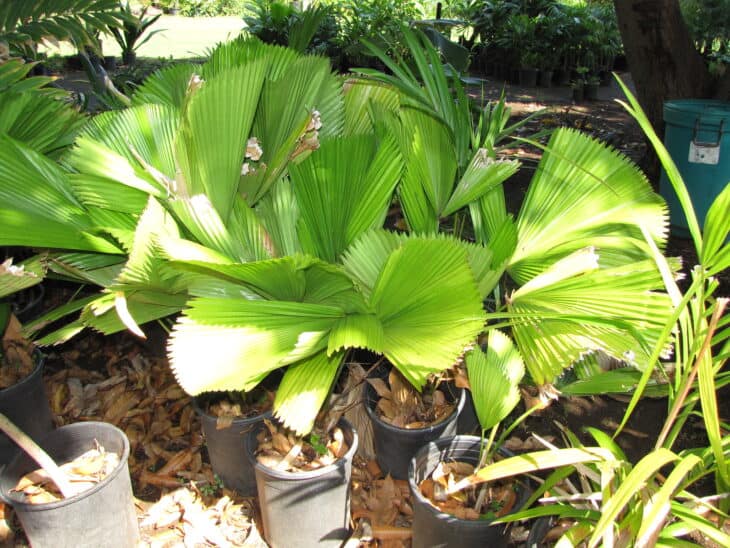
Use a slightly acidic to neutral potting mix enriched with organic matter and ensure good drainage. Maintain higher ambient humidity where possible to prevent tip browning. Remove damaged fronds to tidy the plant and repot into a larger container as the root ball fills.
Propagation
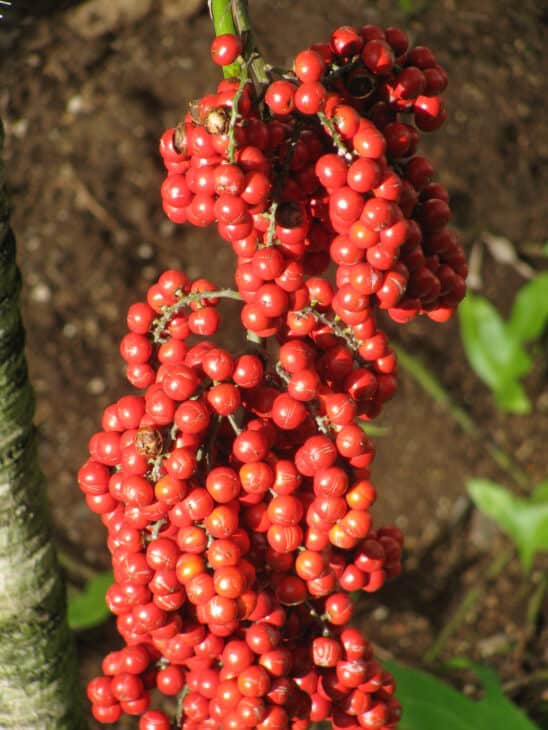
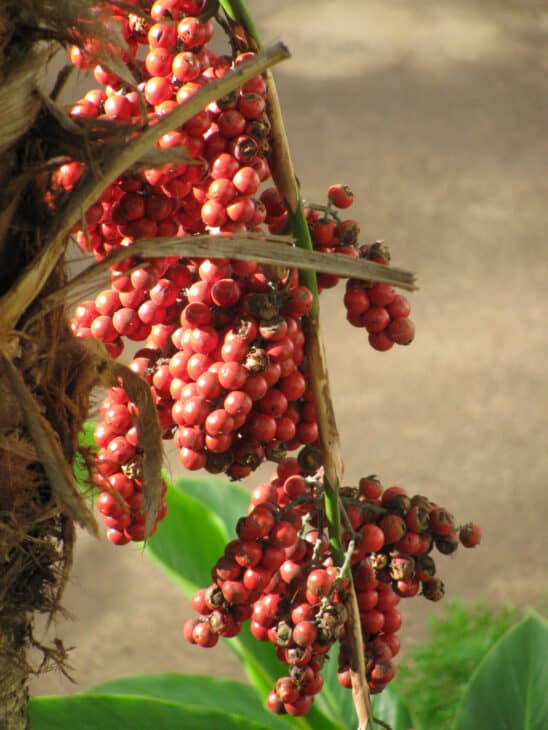
Propagation is primarily by fresh seed sown in warm humid conditions because seeds lose viability if allowed to dry. Commercial growers sometimes use tissue culture. Division or offshoot propagation is not typical for this single trunk palm.
Maintenance and common issues
Routine care is light removal of dead or damaged fronds and monitoring water and humidity levels. Slow growth, small leaves or brown tips usually point to low light, dry soil or low humidity. Inspect for common houseplant stress and treat cultural causes first.
Frequently asked questions
- How fast does Ruffled Fan Palm grow?
- Growth is generally slow to moderate and depends on climate and care. In good tropical conditions plants commonly reach about 6 to 10 feet in cultivation while container specimens remain smaller.
- Is Ruffled Fan Palm a good houseplant?
- Yes it works well indoors where bright indirect light and higher humidity can be provided. Containers keep the palm compact and allow placement in sheltered bright rooms or conservatories.
- Can this palm tolerate frost?
- No it is frost sensitive and should be grown outdoors only in frost free sites or kept indoors in cooler climates. USDA 10-11 approximate describes its minimal cold tolerance.
- How do I propagate Ruffled Fan Palm?
- Propagate mainly from fresh seed under warm humid conditions. Seeds lose viability if dried and tissue culture is used commercially. Division is not a common method for this species.
- How big does the canopy get?
- In cultivation the canopy commonly spreads about 6 to 8 feet from the fronds. Actual size varies with light, water and container constraints.
Gallery
Related Plants


Mentioned In (1)

Plants
5 Plants That Look Like Banana Trees
Banana trees are what most people think of when speaking about tropical plants. Surprisingly bananas are classified botanically as berries,…