
Key Facts
- Evergreen oak native to the coastal southeastern United States.
- Prefers well drained sandy soils and tolerates salt spray.
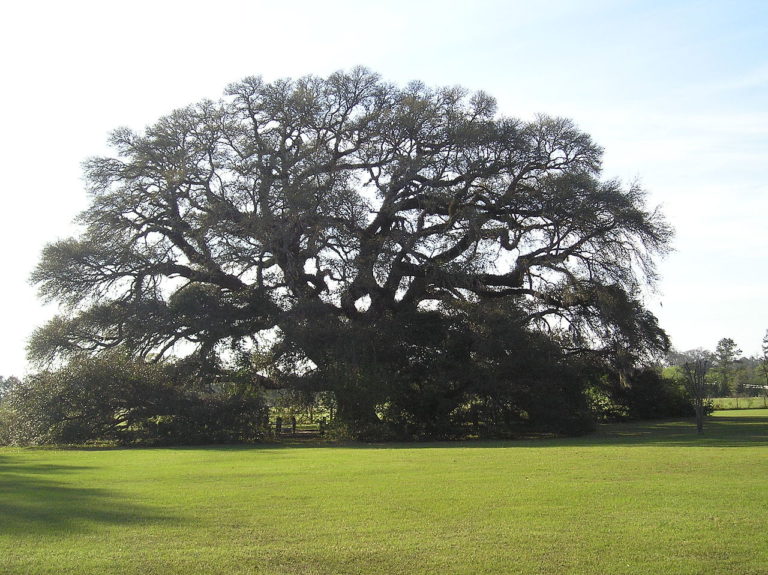
- Forms a broad, often low and spreading crown in coastal settings.
- Produces acorns that are an important food source for wildlife.
- Used in coastal and native landscaping for drought and salt tolerance.
- Slow to moderate growth rate.
- Wood and large branches can be heavy and prone to wind damage in storms.
Sand Live Oak (Quercus geminata) is an evergreen oak native to the coastal southeastern United States. It thrives on well drained sandy soils and tolerates salt spray and drought, so it is widely used in coastal and native landscaping where a low wide canopy is wanted.
Identification
Sand Live Oak is an evergreen oak that typically forms a broad low crown in coastal settings and produces acorns that feed wildlife. Mature specimens are commonly 10 to 40 feet tall with a wider canopy often reaching 20 to 50 feet, though exposed dune trees stay much smaller.
Best uses and where to grow
Use Sand Live Oak for coastal shade trees, native garden specimens, and wind tolerant hedgerows on sandy sites. It performs best in USDA zones 8 to 10 and excels on well drained beaches, dunes and coastal hammocks where salt spray and dry soils limit other trees.
Planting and spacing
Plant in full sun to light shade on well drained sandy soil to avoid root decline from poor drainage. Allow room for the mature canopy and space new trees at least the expected mature spread, generally 20 to 50 feet apart depending on site and specimen size.
Watering and soil
Sand Live Oak prefers well drained sandy soils and tolerates drought once established, but young trees need regular moisture until roots anchor. Avoid heavy clay that holds water because poorly drained sites lead to root decline. Salt spray tolerance makes it suitable near the coast.
After flowering and maintenance
Flowering occurs in spring with inconspicuous catkins and acorns develop after bloom. Monitor for heavy limbs and remove dead or crossing branches to reduce storm damage. Keep pruning light and performed while trees are young to encourage a safer structure.
Managing spread and storm risk
Canopy can become wider than tall and large branches and wood are heavy, which increases wind damage risk in storms. Plant away from buildings and utilities and maintain lower limbs to reduce leverage. Expect a slow to moderate growth rate and plan landscape placement accordingly.
Propagation
Propagate by seed from acorns sown fresh or after cold stratification. Nursery propagation for landscape specimens uses grafting or cuttings for named cultivars. Seed is the simplest method for regenerating natural stands and for restoration of coastal plantings.
Frequently asked questions
- How fast does Sand Live Oak grow?
- Growth is slow to moderate, with rate depending on site quality and exposure.
- How large does Sand Live Oak get?
- Mature height is commonly 10 to 40 feet with a canopy spread often 20 to 50 feet, smaller on exposed dunes.
- Can it tolerate salt spray and drought?
- Yes. It tolerates salt spray and dry sandy soils and is well suited to coastal planting sites.
- Are acorns toxic to pets or livestock?
- Acorns can cause illness in livestock and may harm pets if eaten in quantity. Consult local extension or poison control for specific guidance.
- What soil does it prefer?
- Well drained sandy soils are ideal. Avoid consistently wet or poorly drained clay soils to prevent root problems.
Gallery

Related Plants


Mentioned In (3)

Oak
21 Grand Types of Oak Trees in Mississippi
Do you wish to grow Oak Trees in your home garden? Well, you will be pleased to know that Mississippi…
Oak
22 Types of Oak Trees in Alabama
The fact that Alabama has a lot of trees shouldn’t be a surprise to anyone. After all, nearly 70% of…

Oak
76 Types of Oak Trees in North America (foliage photos)
Because of all the forests in North America, you can find just about every tree you can think of if…