
Key Facts
- Native to the southeastern United States.
- Common in bottomlands, floodplains, and other moist sites.
- Fast growing when young and used as a shade tree.
- Tolerates poorly drained soils better than many oaks.
- Produces acorns that provide food for wildlife.
- Best grown in full sun to partial shade.
- Useful for restoration of wet sites and low-lying landscapes.
Water Oak (Quercus nigra) is a medium to large deciduous oak native to the southeastern United States that establishes quickly in moist lowlands and floodplain sites. It makes a broad shade tree for wet or poorly drained landscape spots but can drop abundant acorns and volunteer seedlings where it naturalizes.
Identification
Quercus nigra typically reaches about 40 to 70 feet tall with a rounded crown 40 to 60 feet wide in open sites. Flowers are inconspicuous spring catkins and the tree produces acorns that persist into autumn. Form and size vary with soil moisture and regional climate, with wetter sites supporting faster growth and broader crowns.
Best uses and where to grow
Plant Water Oak as a shade tree in low-lying yards, riparian buffers, and restoration projects on moist to wet soils. It tolerates heavy clay and poorly drained sites better than many oaks and performs in full sun to partial shade. Avoid tight urban sites where its large crown or acorn drop would be problematic.
Planting and spacing
When establishing trees allow room for a mature crown by spacing specimens at least as far apart as their expected spread. Typical crown spread is 40 to 60 feet, so plan 12 to 18 meter spacing in open plantings. For acorns collect in autumn and sow fresh or stratify and sow the following spring for best germination.
Watering and soil
Water Oak prefers moist to wet soils and tolerates poorly drained conditions; consistent moisture encourages faster growth and fuller crowns. In dry or alkaline soils growth declines and stress increases, so supplemental watering during prolonged drought reduces dieback and leaf scorch in warm zones where soil moisture drops.
After flowering and maintenance
After spring flowering trees set acorns through summer and into autumn. Minimal care is needed once established but monitor young trees for winter injury in colder sites and for drought stress in hot, dry years. Remove unwanted volunteer seedlings to control spread and prune young trees for a strong central leader if a single trunk is desired.
Propagation and spread
Propagate Water Oak from acorns collected in fall. Use fresh acorns or store them under cool moist conditions for short stratification before sowing. The species also regenerates naturally from seed, so expect volunteer seedlings in naturalized plantings and along wet corridors where wildlife disperse acorns.
Toxicity and wildlife value
Acorns and foliage contain tannins that can cause digestive upset or toxicosis in livestock and may cause gastrointestinal signs in pets if eaten in quantity. Acorns are nonetheless an important food source for wildlife; handle seeds and fallen acorns with care around grazing animals and pets.
Frequently asked questions
- How fast does Water Oak grow?
- Water Oak is fast growing when young, especially on moist sites, and establishes more quickly than many oaks.
- What soils does Water Oak prefer?
- It prefers moist to wet soils, adapts to loam and clay, and tolerates poorly drained sites; growth declines in dry or alkaline soils.
- Is Water Oak safe for pets and livestock?
- Acorns and fresh foliage contain tannins that can cause digestive upset or toxicosis if consumed in large amounts; consult local extension for specific risks.
- How large does Water Oak get?
- Mature trees commonly reach about 40 to 70 feet tall with a crown spread near 40 to 60 feet depending on site conditions.
- When does Water Oak bloom?
- Flowering occurs in spring, typically March through May in the Northern Hemisphere, with male catkins and small inconspicuous flowers.
Gallery

Related Plants


Mentioned In (11)

Oak
21 Grand Types of Oak Trees in Mississippi
Do you wish to grow Oak Trees in your home garden? Well, you will be pleased to know that Mississippi…
Oak
19 Types of Oak Trees in Tennessee
Not only does the state of Tennessee have a lot of different trees, but the state is also home to…
Oak
15 Amazing Types of Oak Trees in Arkansas
Arkansas has more than 18 million acres of forests that account for nearly 60% of the state, so if you’re…

Oak
7 Common Types of Oak Trees in Virginia
The state of Virginia is home to dozens of tree types, and thanks to the mild temperatures experienced throughout most…
Oak
22 Types of Oak Trees in Alabama
The fact that Alabama has a lot of trees shouldn’t be a surprise to anyone. After all, nearly 70% of…
Oak
8 Common Types of Oak Trees in Louisiana
Louisiana’s warm weather means that there are lots of plants and trees in the state and you can even see…

Oak
15 Types of Oak Trees in North Carolina
There are hundreds of species of trees in North Carolina, in part because there are mountains on one side of…
Oak
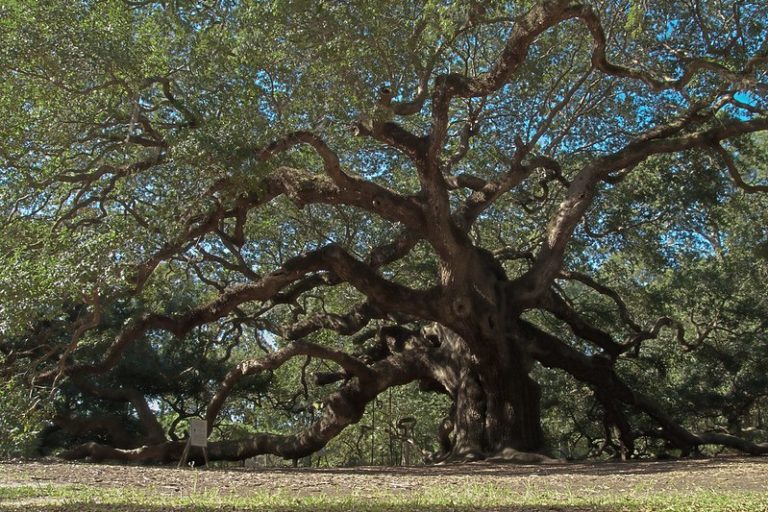
13 Types of Oak Trees in South Carolina
Not only is South Carolina home to tons of species of trees, but it also contains some of the largest…
Oak
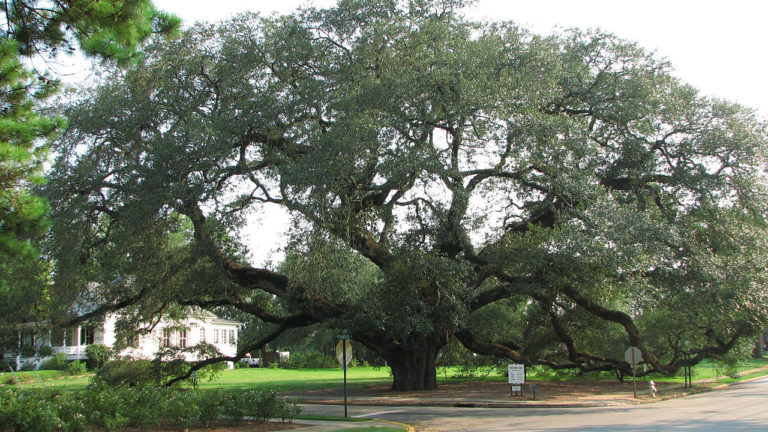
17 Great Types of Oak Trees in Georgia
That states like Georgia have a lot of trees should be no surprise to anyone. Because of its mild climate,…

Oak
16 Types of Oak Trees in Florida
With more than 16 million acres of forests and 180 state parks and forests, Florida is definitely a nature-lover’s paradise.…

Oak
76 Types of Oak Trees in North America (foliage photos)
Because of all the forests in North America, you can find just about every tree you can think of if…