
Key Facts
- Deciduous oak native to East Asia and introduced widely in North America.
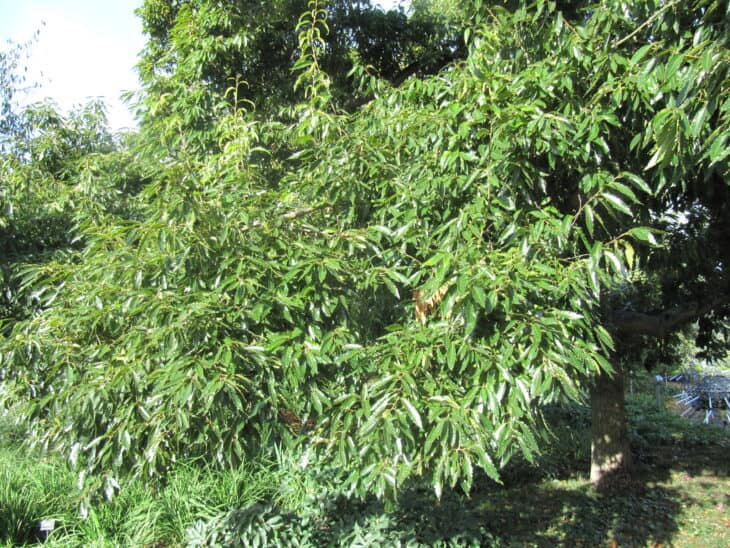
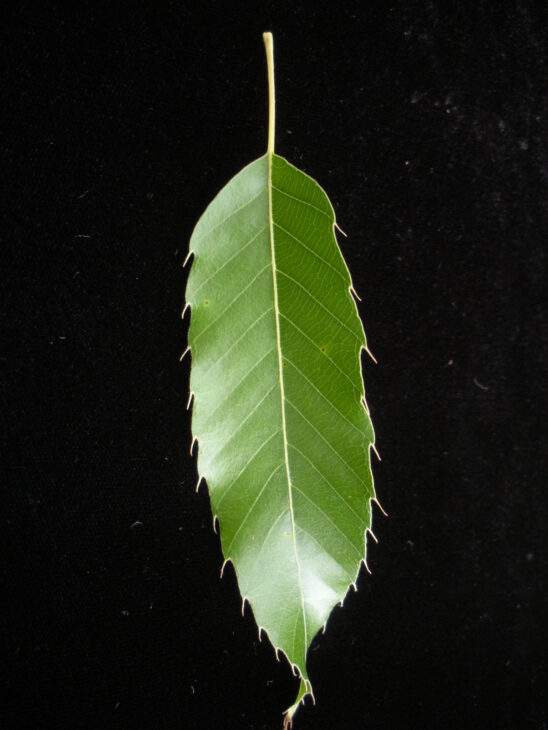
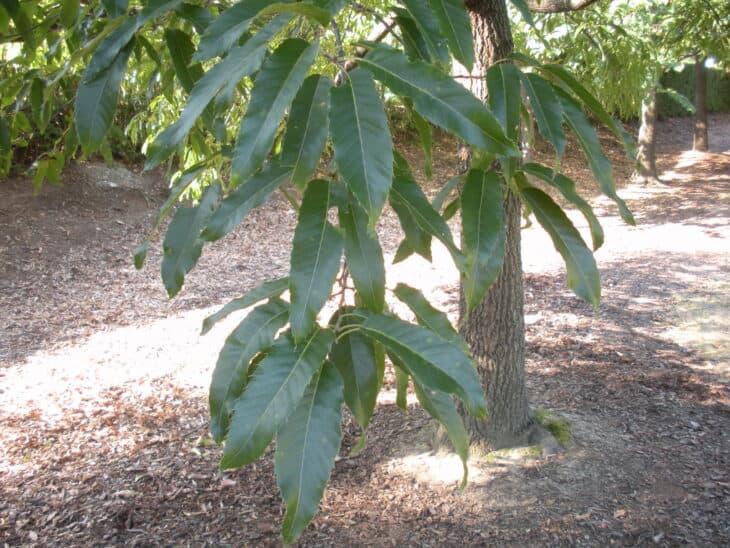
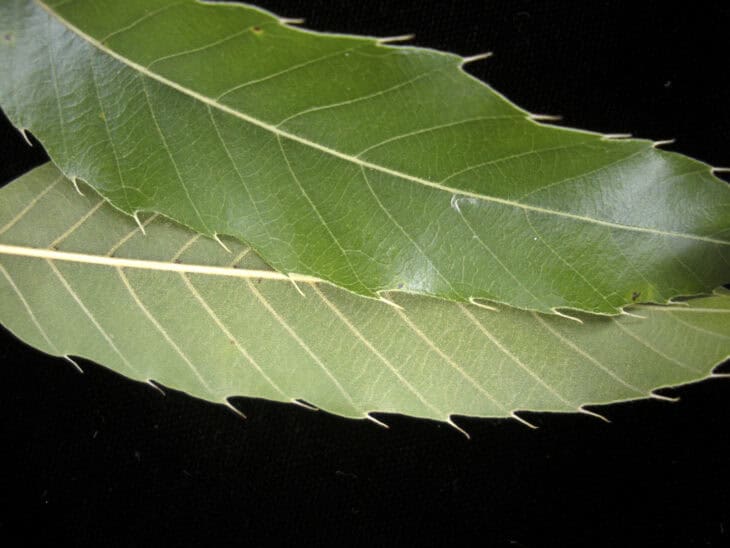
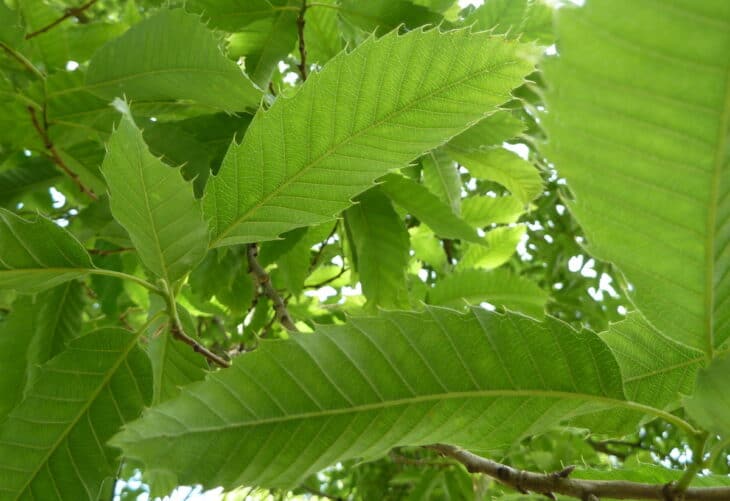
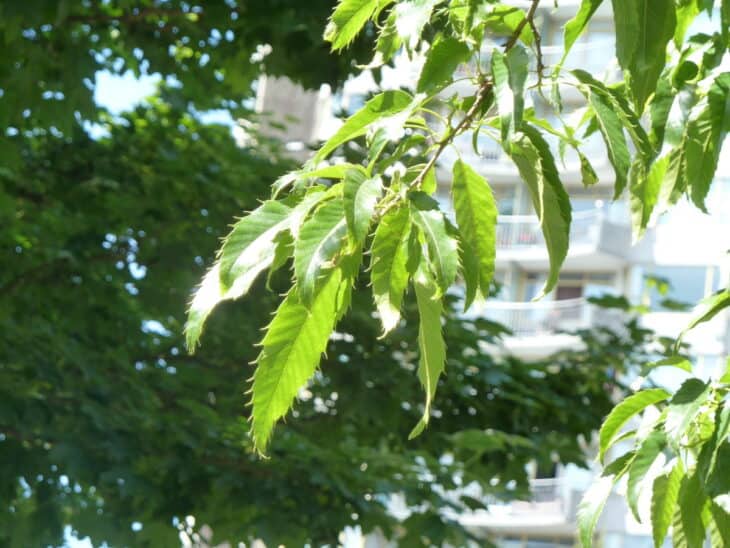
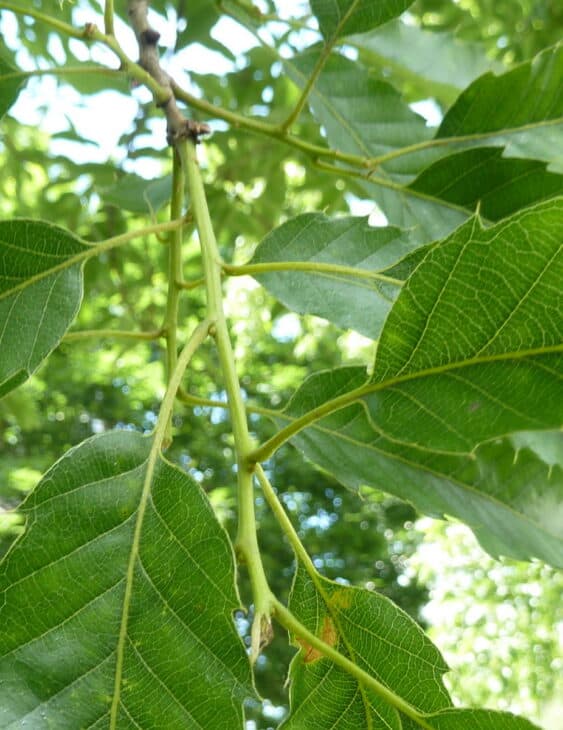
- Leaves have coarse serrated margins that give the tree its common name.
- Fast growing compared with many oak species.
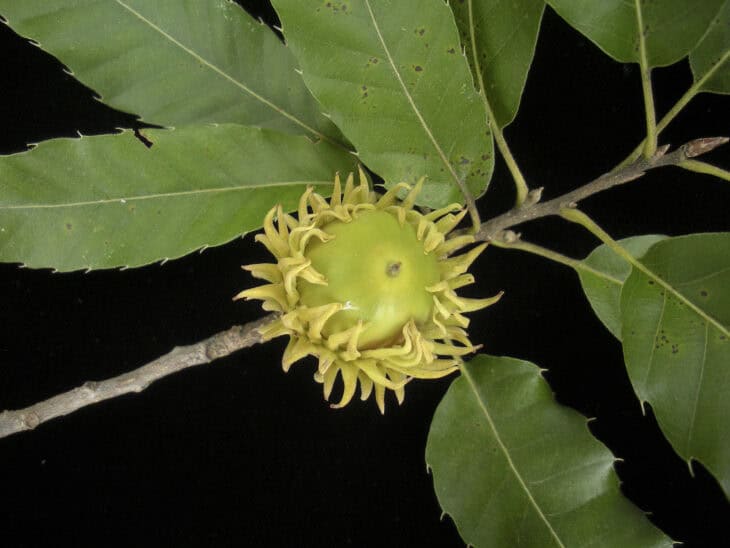
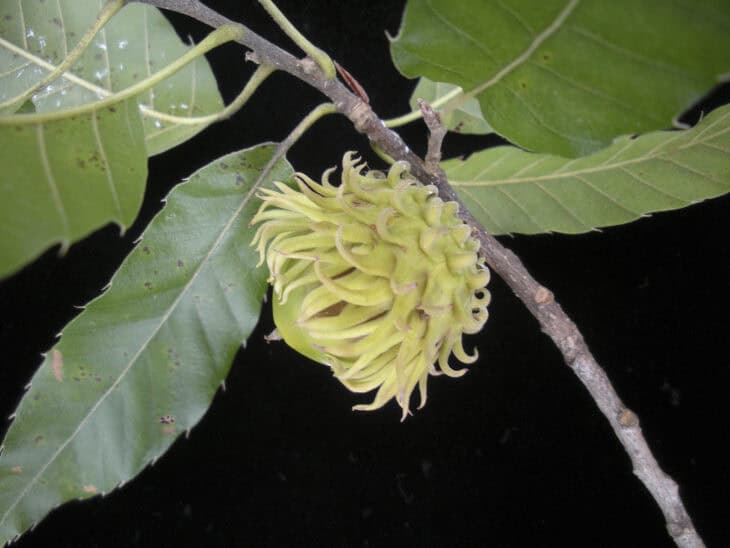
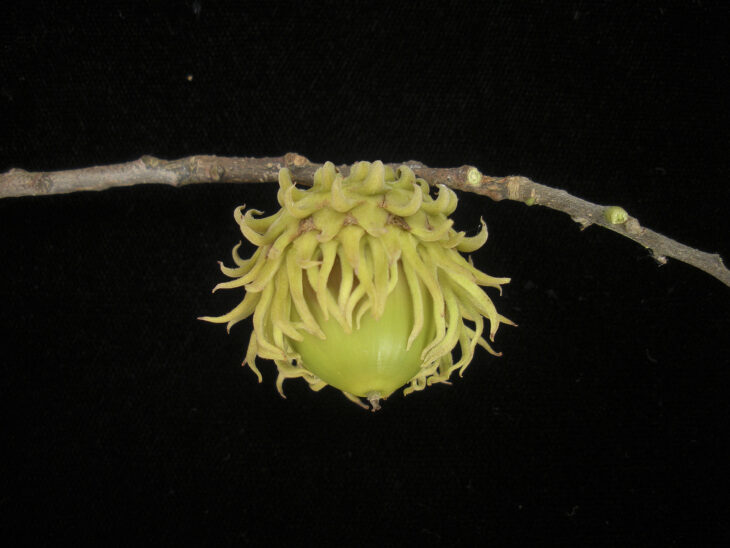
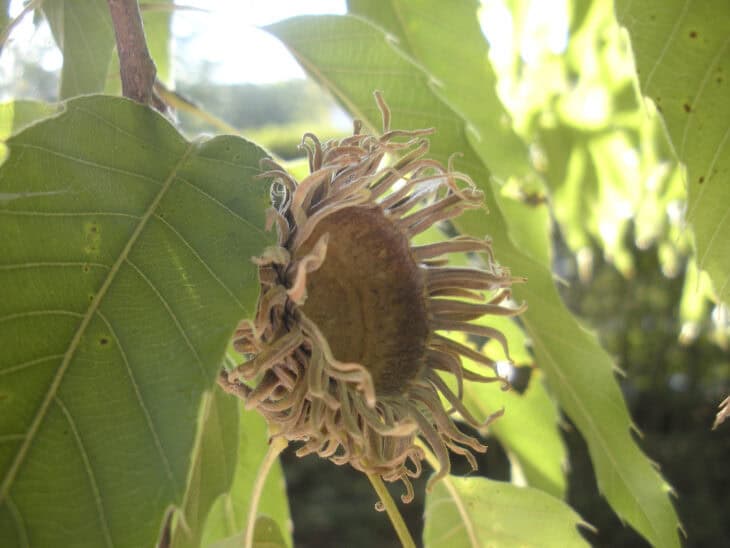
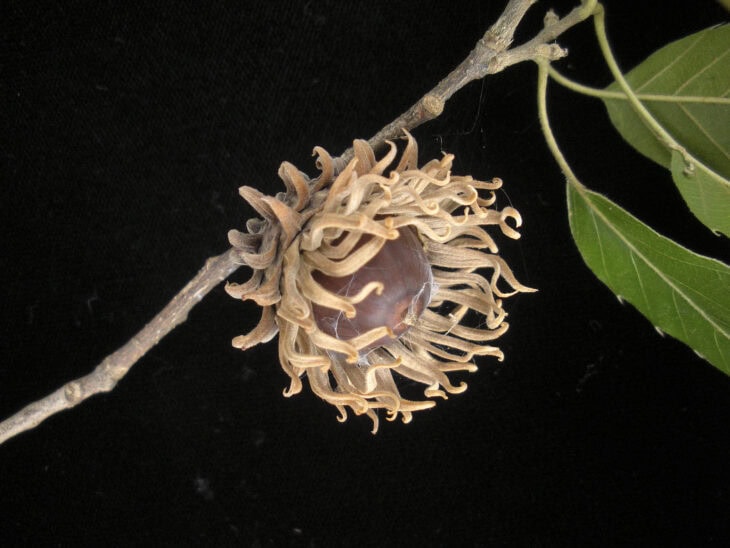
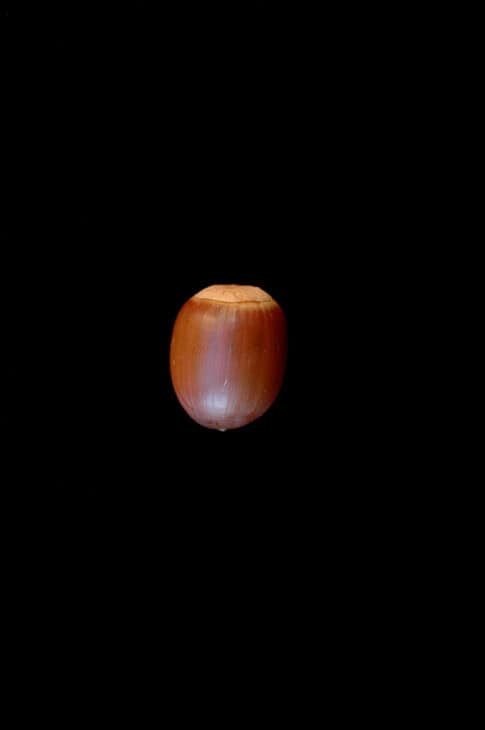
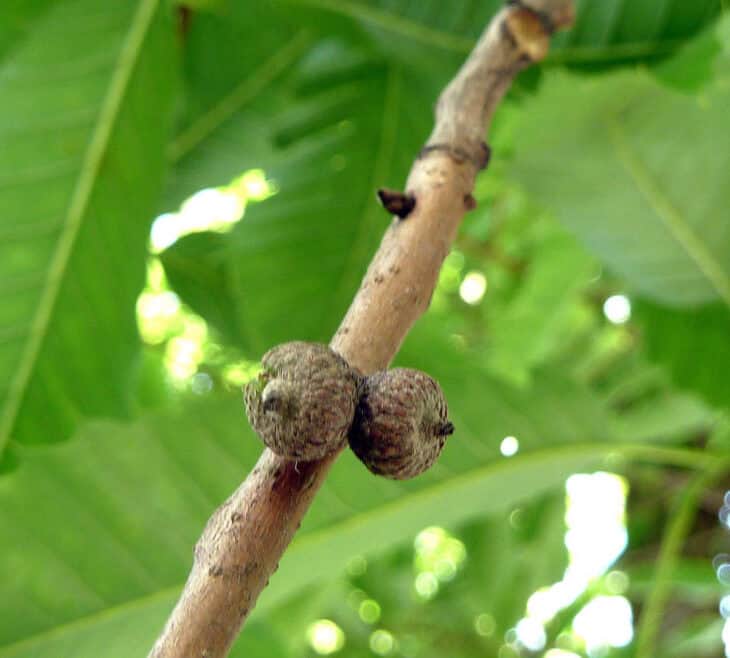
- Produces abundant acorns that are eaten by wildlife and can self seed.
- Tolerant of a range of soils but dislikes poorly drained, waterlogged ground.
- Prefers full sun for best form and acorn production.
- Acorns and foliage can cause digestive issues in livestock if eaten in large amounts.
Sawtooth Oak (Quercus acutissima) is a fast growing deciduous oak prized for shade and street planting. It has coarse serrated leaves and produces abundant acorns, making it valuable for wildlife but prone to self seeding and heavy drop in autumn.
Identification
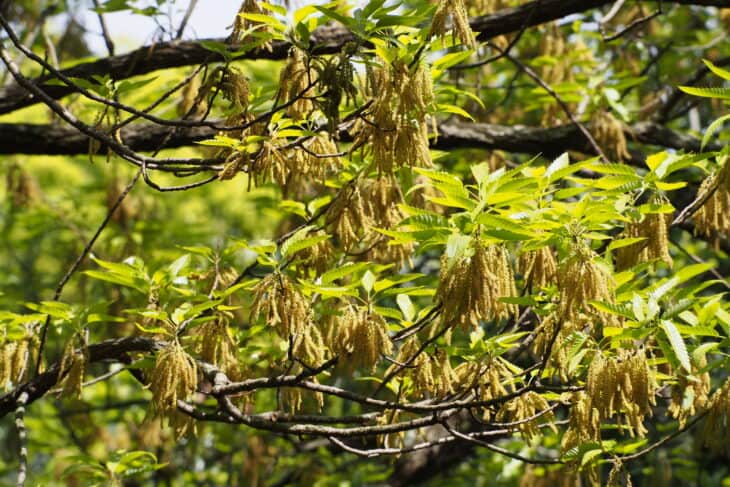
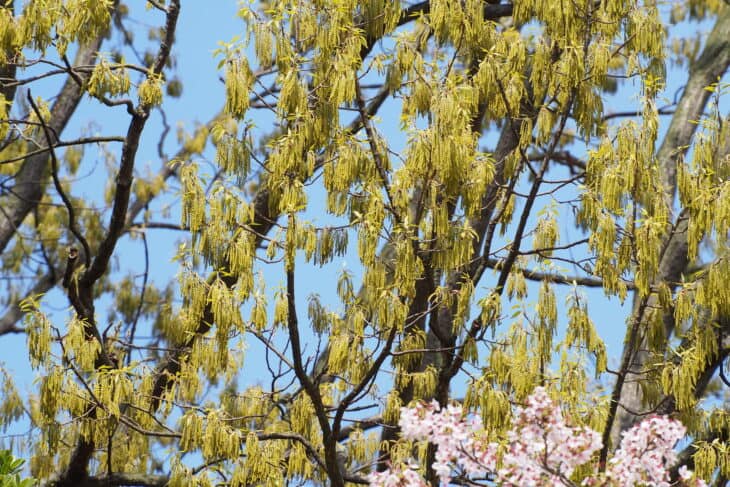
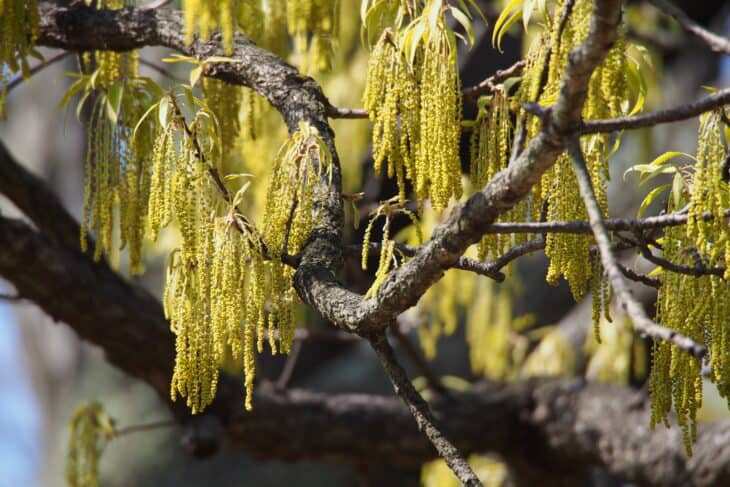
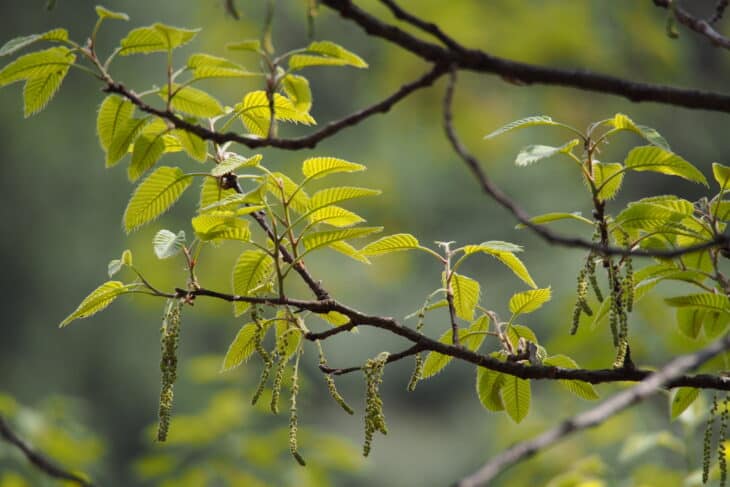
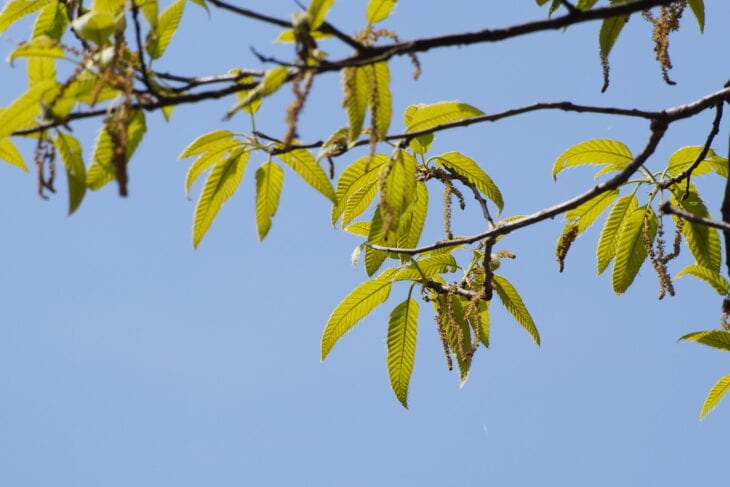
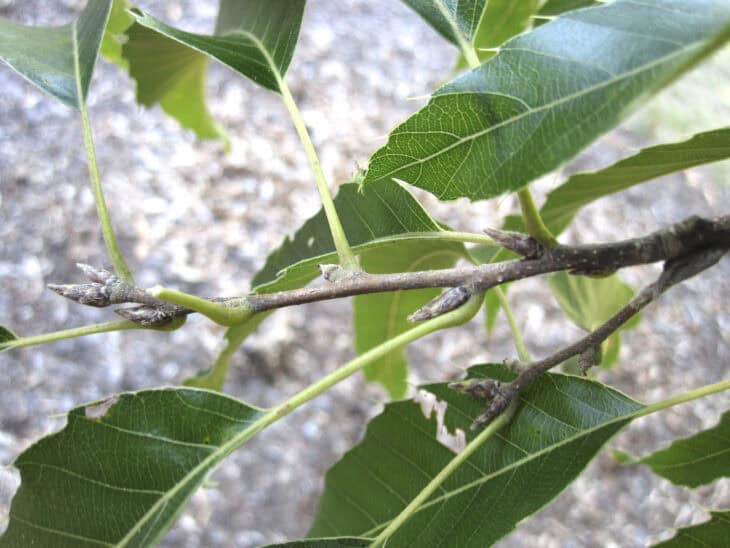
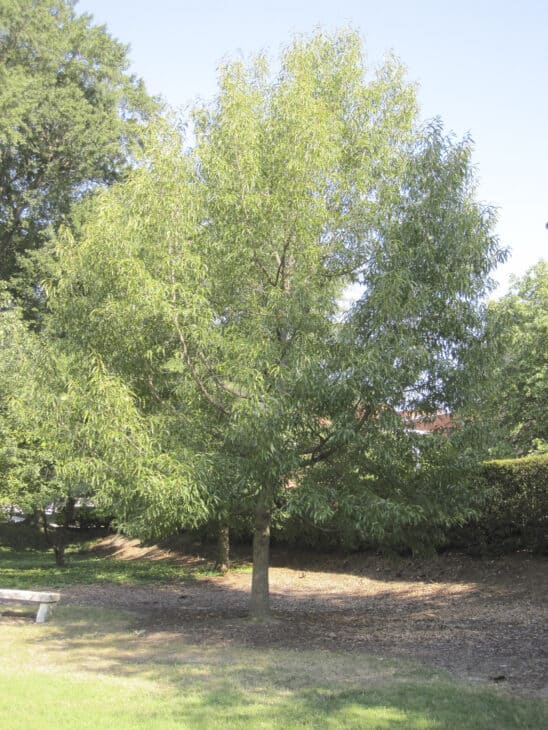
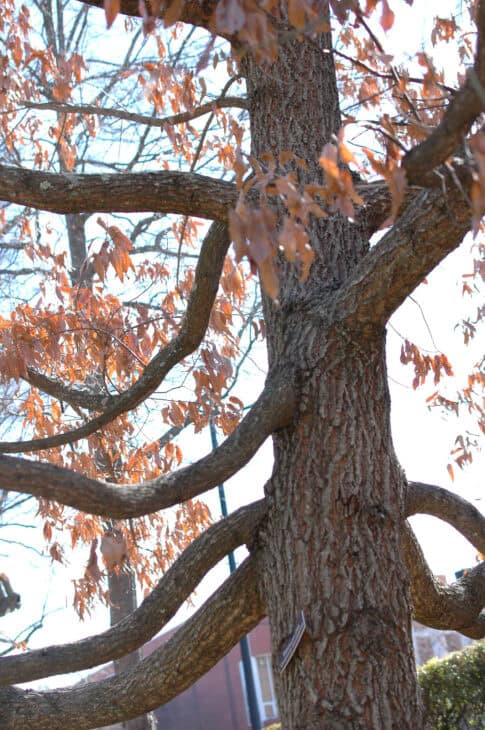
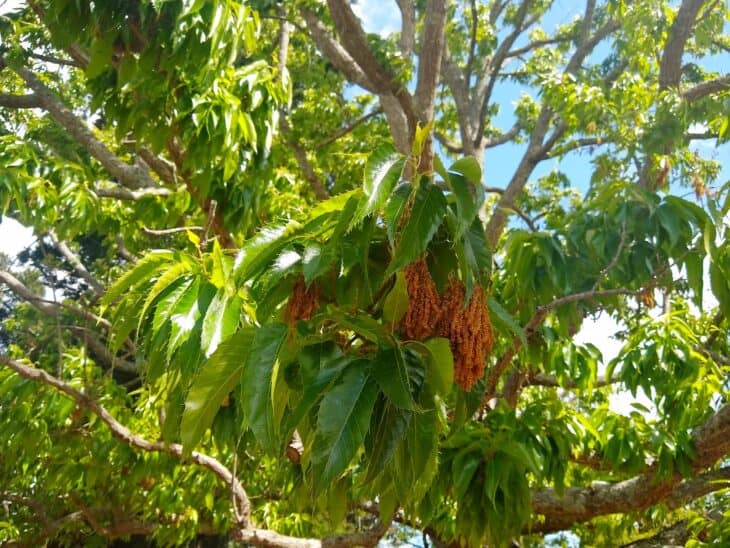
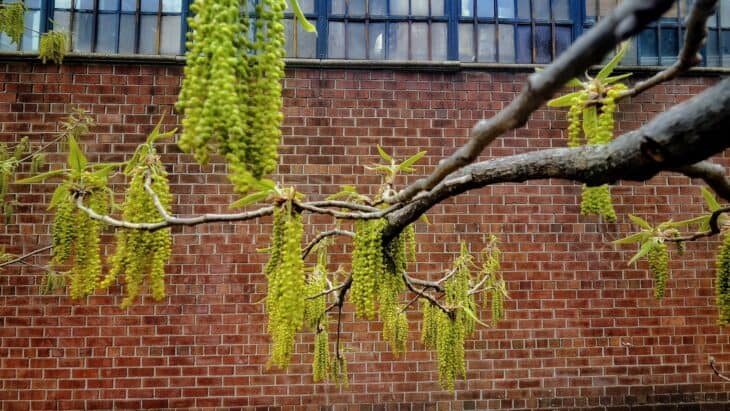
Leaves have coarse serrated margins that give the tree its common name and are readily recognized in leafing season. Flowers are inconspicuous male catkins in spring with acorns developing later. Mature specimens commonly reach about 40 to 60 feet tall with a crown spread near 30 to 40 feet.
Best uses and where to grow
Use Sawtooth Oak as a shade or street tree where winters are not extreme. It adapts to a range of soils including loam and clay provided they drain well. It is hardy in USDA zones 5 to 9, with some sources reporting zone 5 to 8, so match selection to local winter severity.
Planting and spacing
Place trees so mature crowns have room to spread, roughly 30 to 40 feet between trunks for a single specimen or rows. Avoid sites with standing water or poor drainage. Set the root ball level with surrounding soil and keep the planting area free of competing turf while roots establish.
Soil and watering
Prefers well drained soils from slightly acidic to neutral and tolerates poorer soils when not waterlogged. Poor drainage can suffocate roots leading to decline. Provide regular watering while young until established; on well drained sites mature trees perform with minimal supplemental water.
Pruning and after-flowering care
Prune to remove dead or crossing branches and to shape young trees for a single trunk or desired canopy. After flowering and acorn set there is no special feeding requirement for most sites. Clean up heavy acorn drop to reduce seedling establishment and slipping hazards on paved surfaces.
Propagation
Propagate primarily by sowing fresh acorns, often with cold stratification when stored. Grafting is used to reproduce named cultivars. Propagation from cuttings is generally difficult, so seed and grafting remain the most reliable methods for home growers and nurseries.
Control and self-seeding
Sawtooth Oak produces abundant acorns that attract wildlife and create volunteer seedlings. In warmer zones acorn drop and self seeding can be heavier. Remove young seedlings where spread is unwanted and monitor areas beneath trees if naturalizing is a concern.
Safety and toxicity
Acorns and foliage contain tannins that can cause digestive upset in livestock and pets if consumed in quantity. The primary risk is to grazing animals that eat large numbers of acorns or wilted leaves. Do not intentionally feed acorns to livestock and monitor animals in heavy acorn fall areas.
Frequently asked questions
- How fast does Sawtooth Oak grow?
- It is faster growing compared with many oak species and can reach typical mature heights of 40 to 60 feet. Actual annual growth varies with site, soil and climate.
- What USDA zones are suitable for Sawtooth Oak?
- It is generally hardy in USDA zones 5 to 9, though some references list zone 5 to 8. Local winter extremes affect performance.
- Are the acorns poisonous?
- Acorns and leaves contain tannins that may cause gastrointestinal upset in livestock and pets if eaten in large amounts. Risk is mainly to animals that ingest many acorns.
- Does Sawtooth Oak self-seed?
- Yes. The tree produces abundant acorns that wildlife spread and that can germinate beneath parent trees, so expect volunteers where acorn drop is heavy.
- How much sun does it need?
- Full sun gives best form and acorn set, though it tolerates light shade.
Gallery


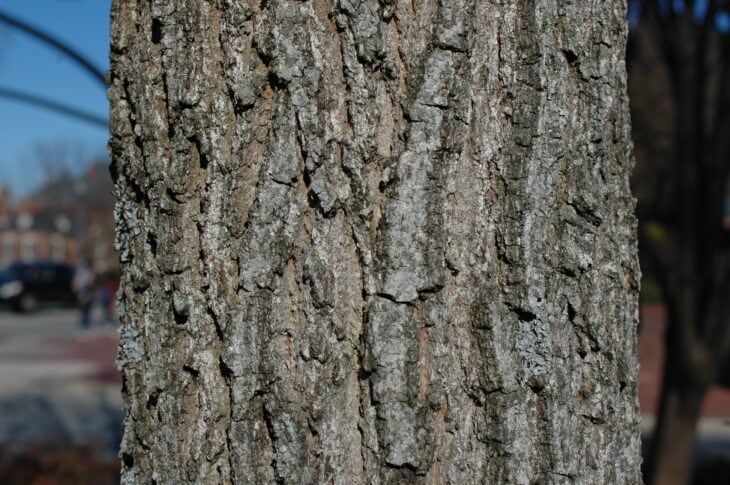
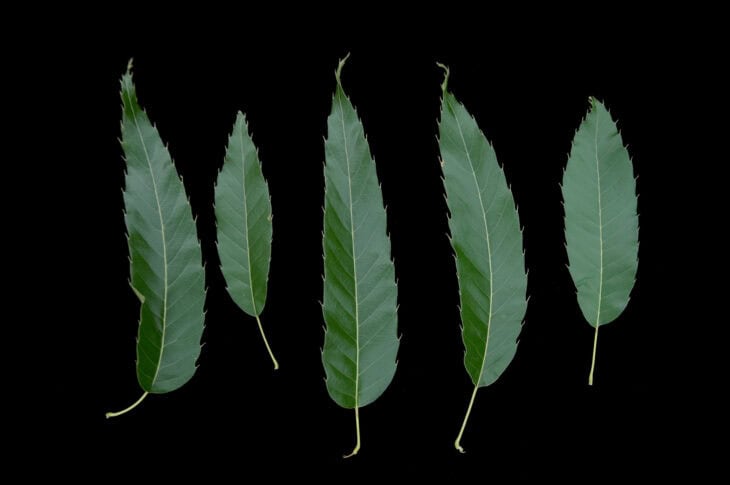
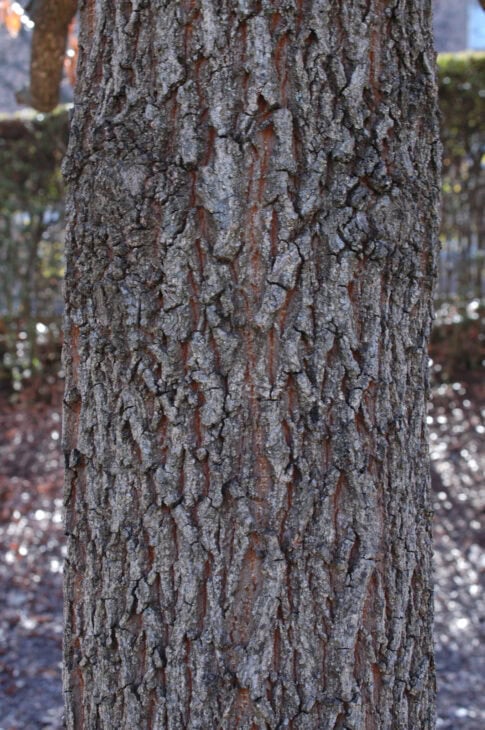

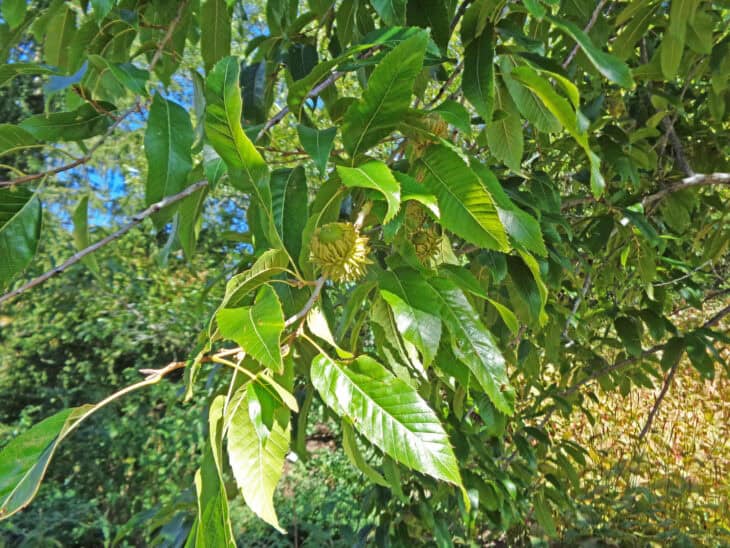


Related Plants


Mentioned In (3)
Oak
9 Types Of Oak Trees In Australia
Did you know that there are over 600 Oak species in the world? Oaks are part of the Quercus genus. They…
Oak
10 Prevalent Types of Oak Trees in Oklahoma
Trees in Oklahoma include everything from elms to black walnuts and pines to dogwoods, and that doesn’t even include the…

Oak
76 Types of Oak Trees in North America (foliage photos)
Because of all the forests in North America, you can find just about every tree you can think of if…