
Key Facts
- Native to the southeastern United States, especially coastal plain habitats.
- A small to medium oak with deeply lobed leaves that resemble a turkey foot.
- Typically grows as a multi‑stemmed shrub or small tree.
- Prefers dry, sandy, well drained acidic soils.
- Tolerant of drought once established.
- Flowers as spring catkins and produces acorns that feed wildlife.
- Propagation is commonly by acorn seed. Cuttings are difficult.
- Can be sensitive to poorly drained or clay soils.
- Acorns and foliage contain tannins that can be toxic to livestock in large amounts.
Turkey Oak (Quercus laevis) is a small to medium oak native to the southeastern United States with deeply lobed leaves that resemble a turkey foot. It often grows as a multi stemmed shrub or small tree on dry sandy sites and provides acorns for wildlife while tolerating drought once established.
Identification
Leaves are deeply lobed and give the tree its common name. Mature plants typically reach 15 to 30 feet tall and form a rounded crown when multiple stems are present. Spring catkins produce pollen and the tree sets acorns that are eaten by birds and mammals.
Where to grow and landscape uses
Best used in native plantings, pine savanna restorations, or xeric landscapes where soils are sandy and drainage is good. It performs well on coastal plain sites and sandhills and makes a useful specimen or informal screen in dry sunny parts of the yard.
Soil light and climate
Prefers dry, sandy, acidic soils and does poorly in heavy clay or persistently wet ground. Plants do best in full sun and will tolerate light shade with reduced flowering. Suitable for USDA hardiness zones 6 to 9 depending on local site conditions.
Planting and propagation
Propagate primarily by acorn seed. Sow fresh acorns in fall or store and stratify for spring planting. Nursery grafting is used for named selections while hardwood cuttings and straight grafts have variable success, so seed is usually simplest for home propagation.
Watering and aftercare
Establish young trees with regular water until roots are set then reduce irrigation because the species is drought tolerant. Avoid planting where water stands because poorly drained soils cause root decline. Minimal pruning is needed other than removing dead or crowded stems to maintain form.
Managing spread and wildlife value
Turkey Oak often grows as a multi stemmed shrub and can spread to a crown similar to its height, commonly 15 to 25 feet. Acorns are a food source for wildlife. Control habit by selective pruning or removing extra stems if a single trunk form is desired.
Toxicity and livestock
Acorns and foliage contain tannins that can be toxic to livestock if consumed in large amounts. Small quantities are eaten by wildlife. Check veterinary or regional poison control sources for pet specific risks before advising on animal exposure.
Frequently asked questions
- How fast does Turkey Oak grow?
- Growth is moderate and depends on soil depth and moisture. Plants commonly reach the typical mature height of 15 to 30 feet with faster development on deeper, well drained sites.
- Is Turkey Oak suitable for small yards?
- Yes when you allow 15 to 25 feet for spread and manage multiple stems by pruning. In very poor sandy soil plants may remain smaller and more shrub like.
- Can Turkey Oak tolerate clay soils?
- No. It performs poorly in heavy clay or poorly drained soils and is prone to root decline if water stands around roots.
- When does Turkey Oak bloom?
- Flowering occurs as spring catkins with pollen release in spring. Exact timing varies with latitude and local climate.
- How do I propagate Turkey Oak?
- Best by acorn seed sown in fall or stratified for spring planting. Nursery grafting is used for cultivars while cuttings are generally difficult.
Related Plants


Mentioned In (6)

Oak
21 Grand Types of Oak Trees in Mississippi
Do you wish to grow Oak Trees in your home garden? Well, you will be pleased to know that Mississippi…
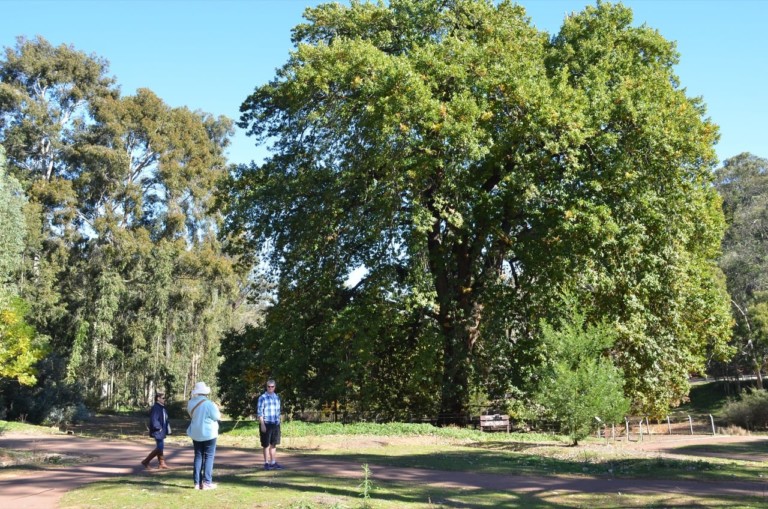
Oak
9 Types Of Oak Trees In Australia
Did you know that there are over 600 Oak species in the world? Oaks are part of the Quercus genus. They…
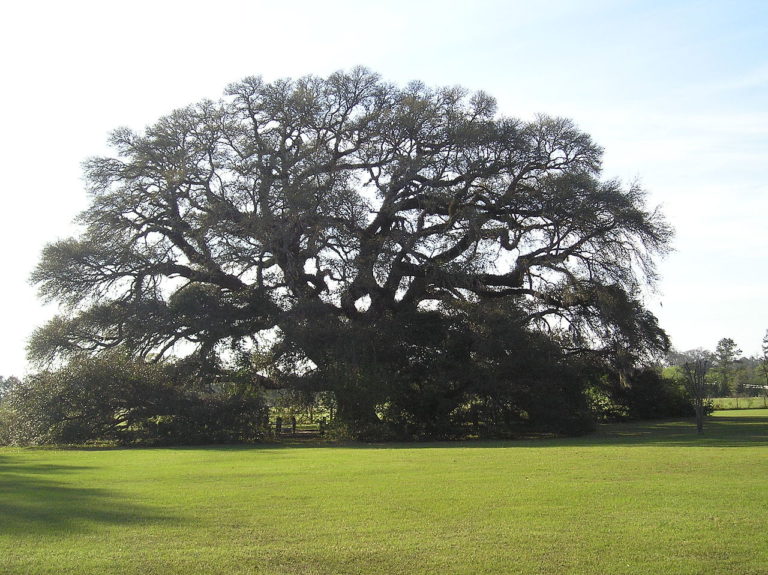
Oak
22 Types of Oak Trees in Alabama
The fact that Alabama has a lot of trees shouldn’t be a surprise to anyone. After all, nearly 70% of…
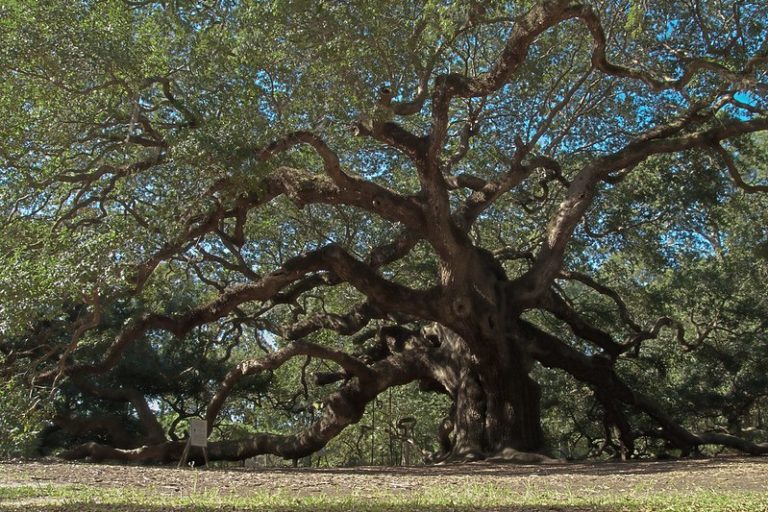
Oak
13 Types of Oak Trees in South Carolina
Not only is South Carolina home to tons of species of trees, but it also contains some of the largest…

Oak
16 Types of Oak Trees in Florida
With more than 16 million acres of forests and 180 state parks and forests, Florida is definitely a nature-lover’s paradise.…

Oak
76 Types of Oak Trees in North America (foliage photos)
Because of all the forests in North America, you can find just about every tree you can think of if…