
Key Facts
- Native to central and eastern China.
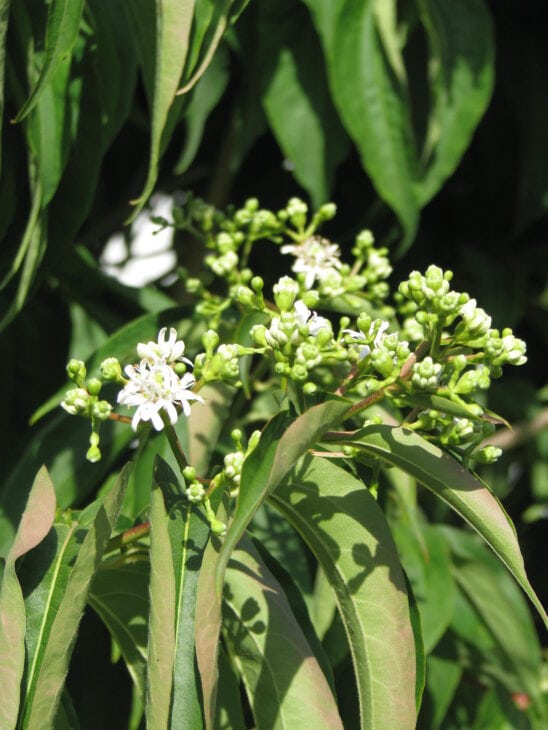
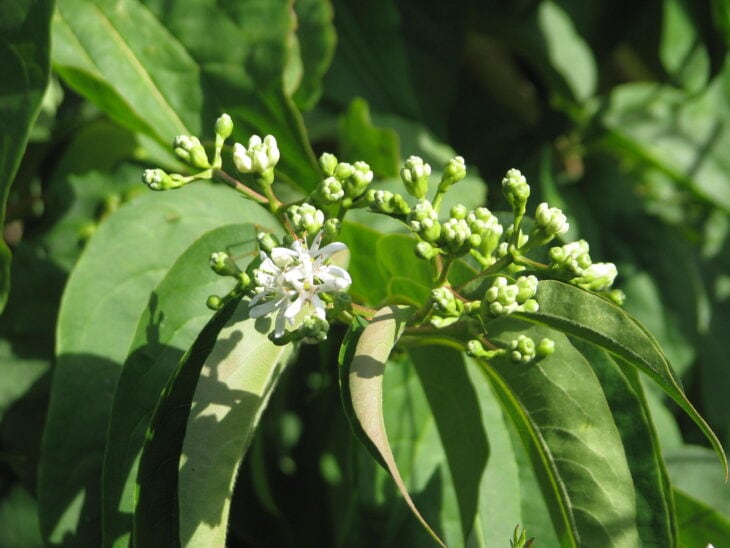
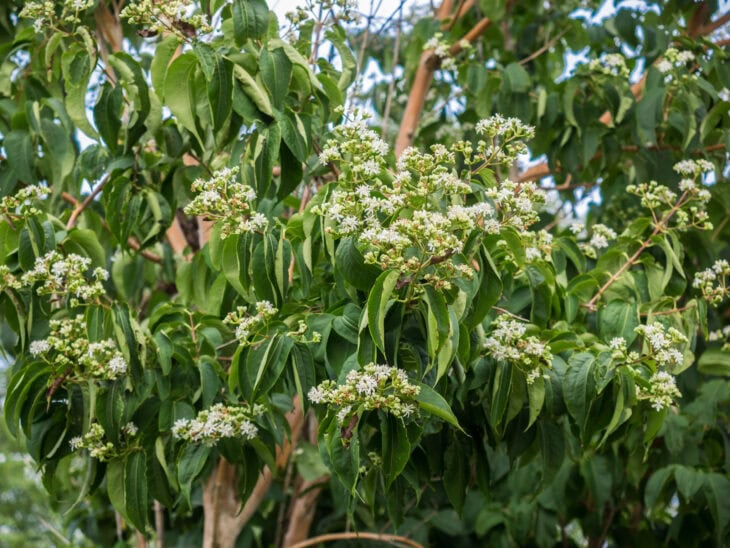
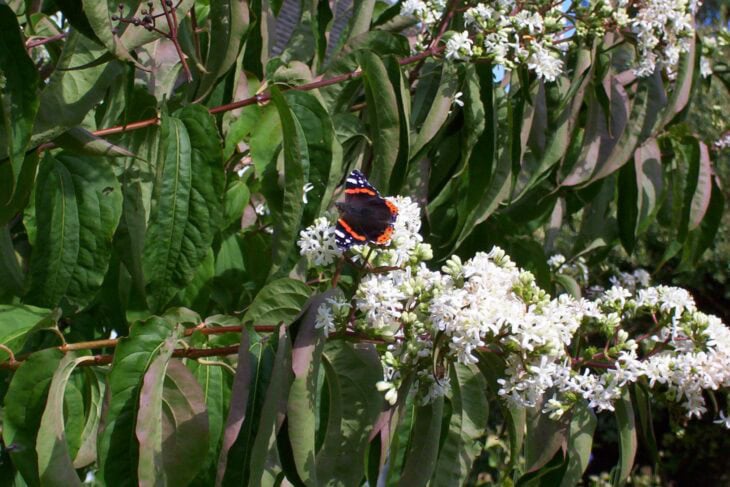
- Late summer fragrant creamy white flowers.
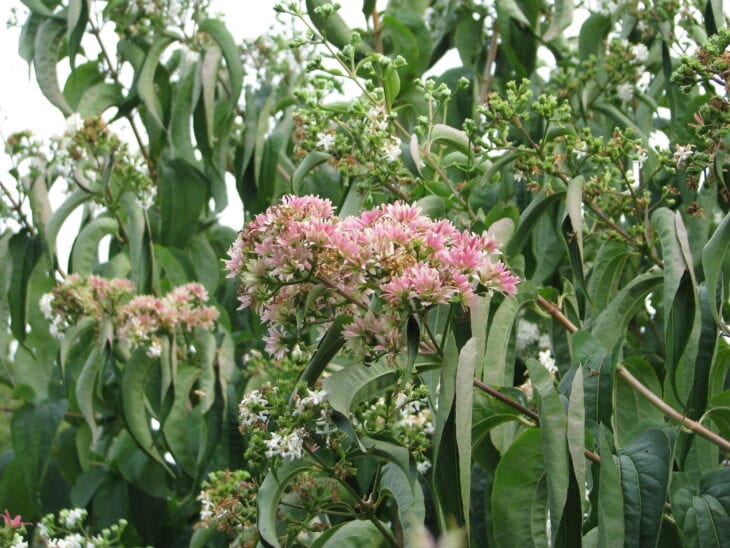
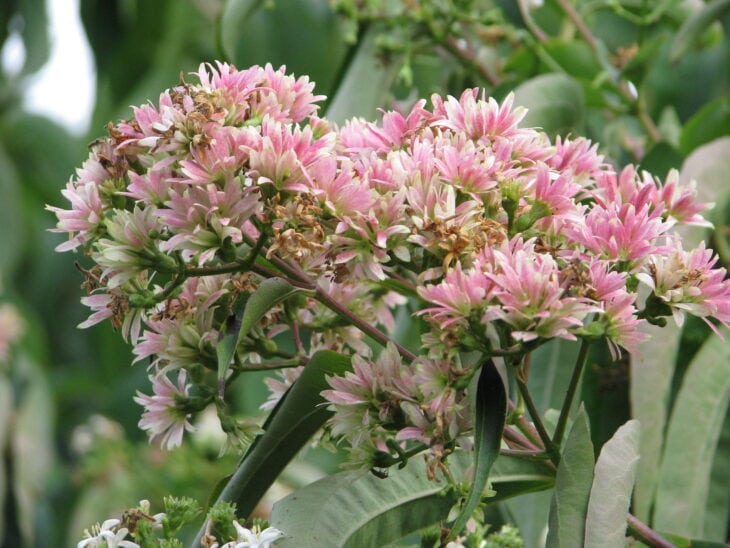
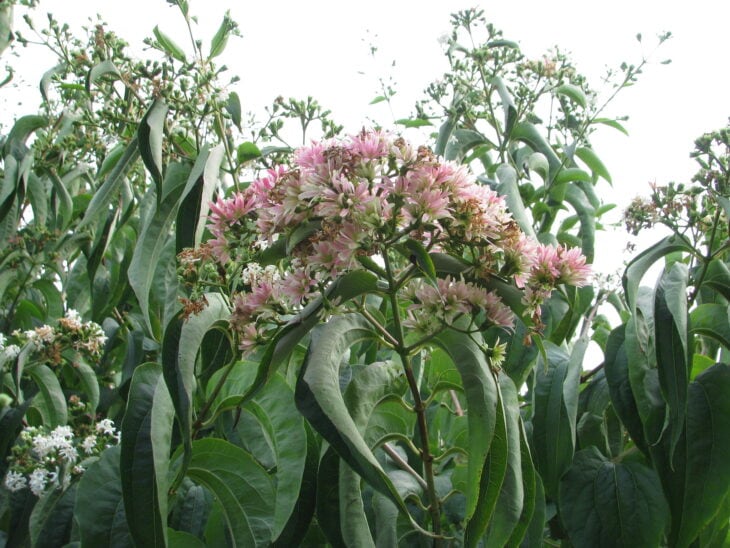
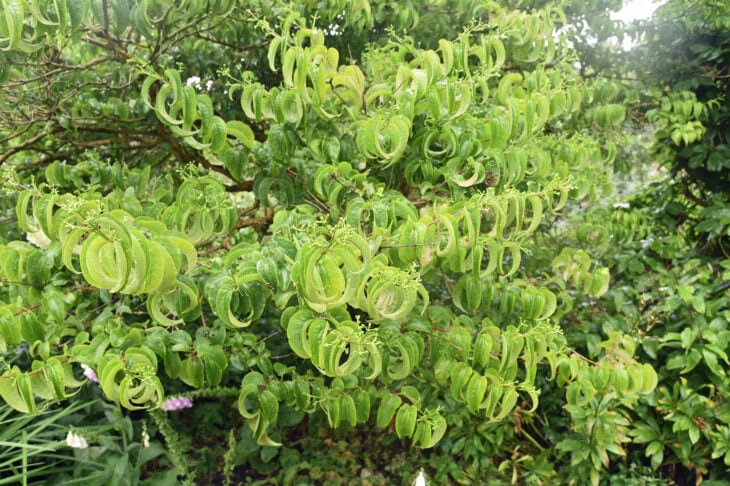
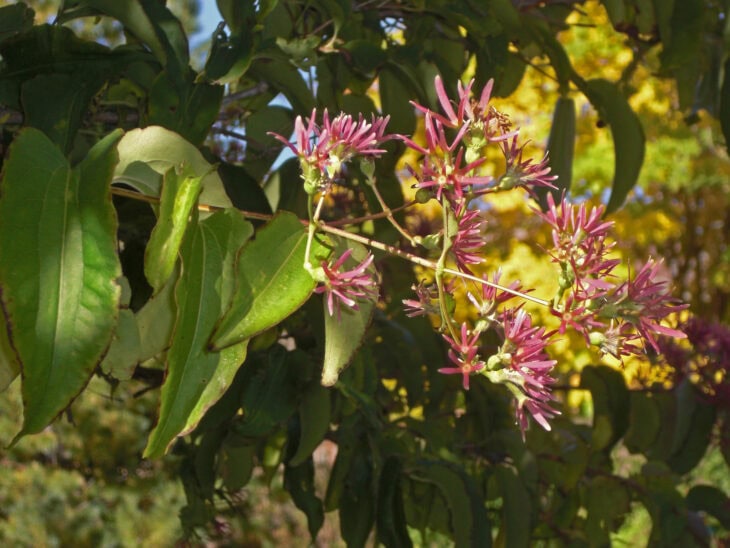
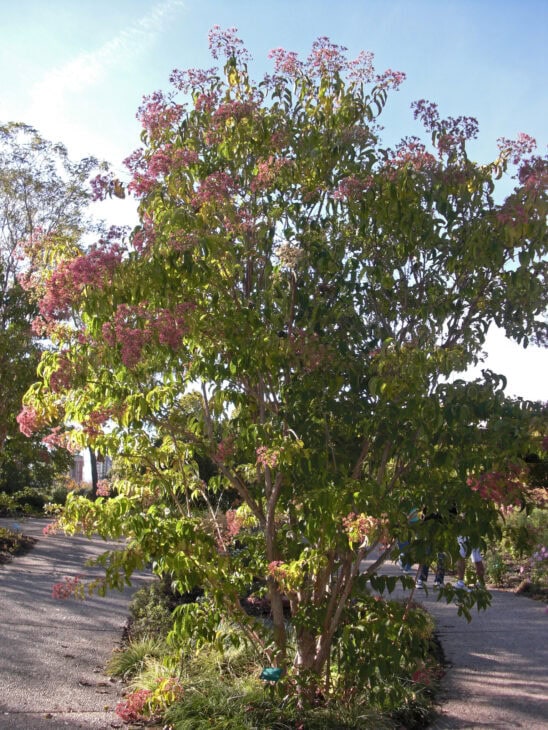
- After flowering the calyces age to pink or reddish tones that persist into fall.
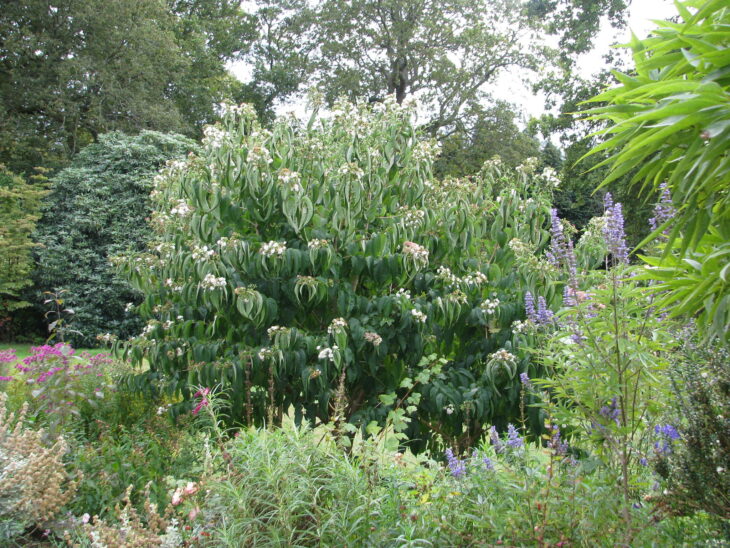
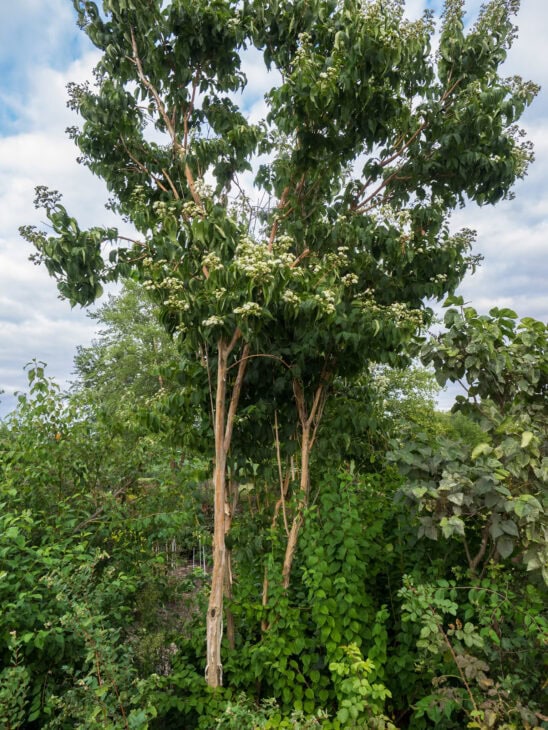
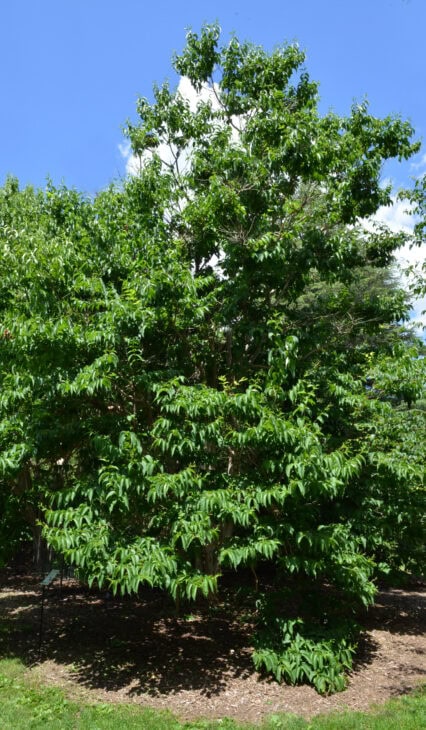
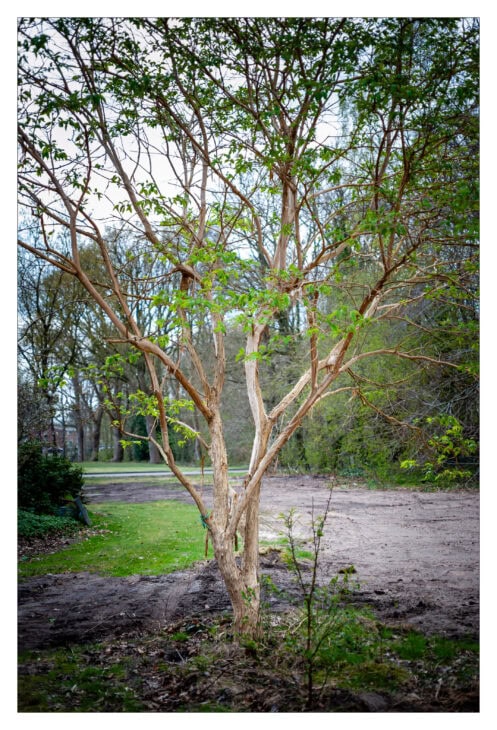
- Grows as a multi-stemmed shrub or small tree often used for late season interest.
- Attracts pollinators including bees and butterflies.
- Tolerant of urban conditions and a range of soil textures when well drained.
- Valued in landscapes for its late season blooms and notable bark.
Seven-Son Flower (Heptacodium miconioides) is a multi-stemmed shrub or small tree valued for fragrant late summer flowers and persistent pink to reddish calyces that extend interest into fall. It is used as a specimen or small street tree where late season blooms and attractive bark are desired, and it tolerates a range of urban conditions when planted in well drained soil.
Identification
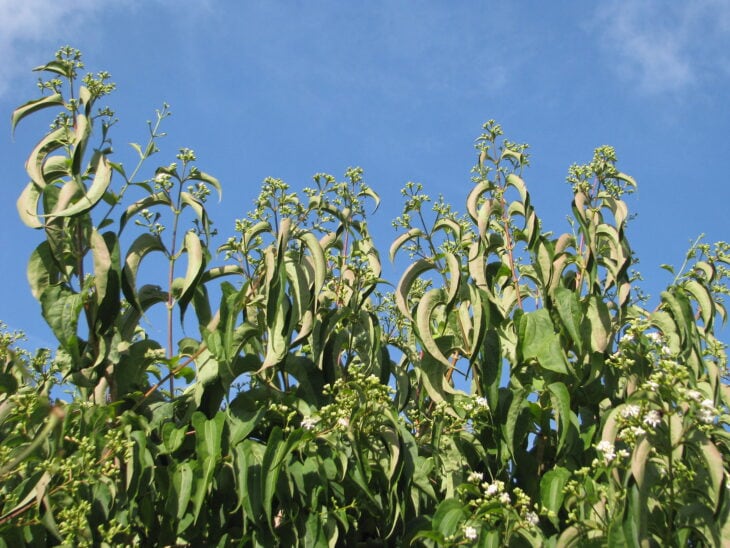
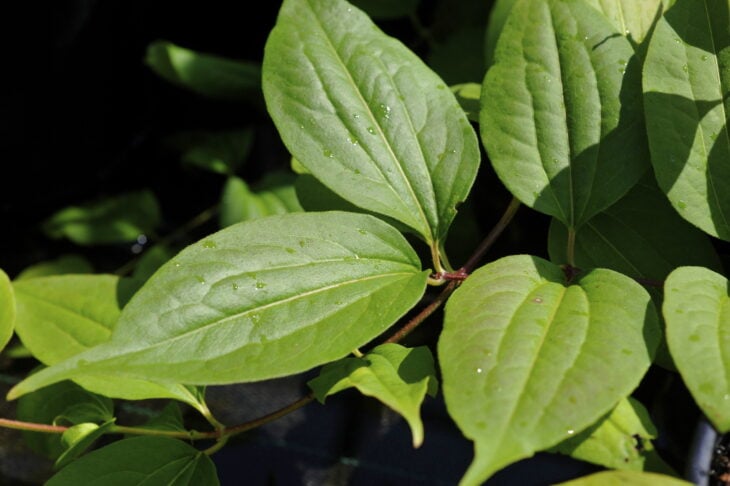
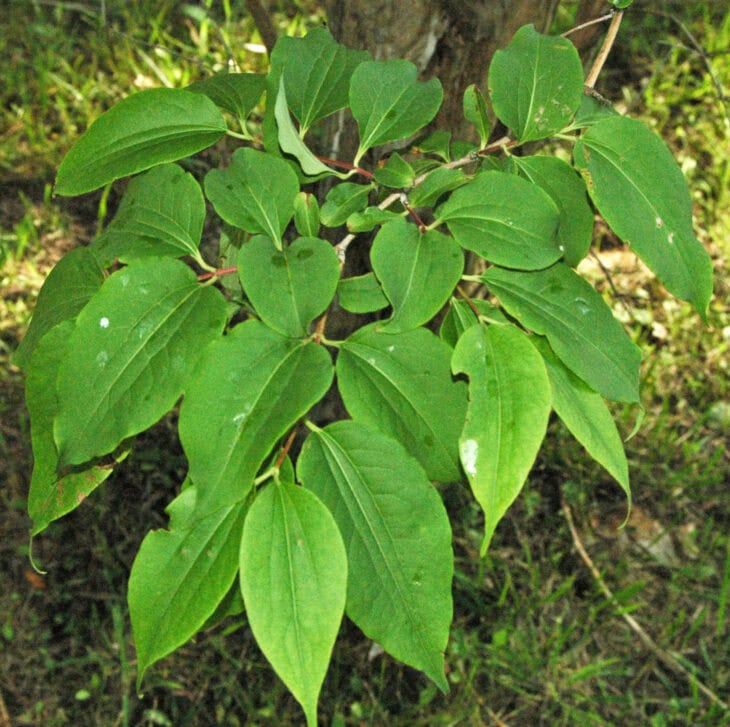
Heptacodium miconioides bears clusters of fragrant creamy white flowers in late summer that are followed by calyces that age to pink or red and remain through fall. Plants form a multi-stemmed shrub or small tree 10 to 25 feet tall with notable bark and foliage that attract bees and butterflies during bloom.
Best uses and where to grow
Use Seven-Son Flower as a specimen in mixed borders, a small street or courtyard tree, or a multi-stem focal shrub for late season interest. It is rated for USDA zones 5 to 9 and tolerates urban conditions and a variety of soil textures provided drainage is good, making it suitable for many suburban and city landscapes.
Planting and spacing
Space plants according to mature spread, commonly 8 to 15 feet apart depending on form and pruning choices. Final height and spread vary with fertility and pruning, so allow room for a 10 to 25 foot tall specimen or maintain a shorter multi-stemmed shrub by closer spacing and routine pruning.
Light and soil
Grow Seven-Son Flower in full sun to part shade with the best flowering occurring in full sun. It prefers moist but well drained and fertile soils, tolerates clay and slightly alkaline pH, and will decline in poorly drained or waterlogged sites. Adding organic matter improves heavy soils.
Watering and establishment
Keep soil evenly moist while the plant establishes to encourage deep rooting and reduce transplant stress. Once established it tolerates typical urban conditions, but prolonged saturation causes decline. Monitor new plantings in hot or dry periods and water so the root zone remains slightly moist until established.
Pruning and after-flowering care
Light pruning to remove dead wood and to shape the plant can be done after flowering or during dormant season depending on form. Pruning controls size and encourages multiple stems when desired, and removing crossing branches improves air movement. Avoid heavy pruning in late winter if expecting early cold damage in colder sites.
Controlling spread and suckers
Seven-Son Flower can be grown as a single trunk tree or allowed to form multiple stems; spread is influenced by that choice. Remove unwanted suckers at the base to maintain a single trunk, or divide and replant suckers when propagating. It is not noted as invasive but manage suckers to control spread.
Propagation
Common propagation methods include seed, softwood or semi-ripe cuttings, hardwood cuttings, layering, and division of suckers. Seed-grown plants may not be true to named cultivars, so use cuttings or layering to preserve specific selections. Timing and technique vary by region and desired results.
Frequently asked questions
- How fast does Seven-Son Flower grow?
- Growth rate ranges from moderate to vigorous depending on climate, soil and fertility. In favorable sites it will reach the general mature height range of 10 to 25 feet over several years, with slower growth in colder zones.
- When does Seven-Son Flower bloom?
- It typically blooms in late summer to early fall, with flowering timing shifting earlier or later depending on local climate. Blooms are fragrant and followed by pink to reddish calyces that persist into fall.
- What USDA zones is it suited for?
- Seven-Son Flower is commonly cited as hardy in USDA zones 5 through 9. Colder zone plantings may show slower growth or some winter dieback while warmer sites often produce more vigorous growth and earlier flowering.
- Does it tolerate urban sites and poor soils?
- Yes. It tolerates a range of soil textures including clay and withstands urban conditions when planted in well drained soil. Avoid sites with poor drainage or prolonged soil saturation.
- How should I propagate Seven-Son Flower?
- Use seed, cuttings, layering or division of suckers. For true-to-type propagation of named cultivars choose cuttings or layering rather than seed, and follow regional timing recommendations for best success.
Gallery
Related Plants


Mentioned In (1)
Trees
23 Flowering Trees For Pennsylvania Gardens
Do you want to enhance the curbside appeal of your Pennsylvania home by planting flowering trees in your garden? Well,…