
Key Facts
- Fast growing deciduous shade tree.
- Leaves have silvery undersides and shallow lobes.
- Native to eastern North America.
- Tolerates wet and poorly drained soils.
- Shallow, aggressive roots can lift sidewalks and invade drains.
- Wood is relatively brittle and prone to storm damage.
- Reproduces by seed and by root suckers.
Silver Maple is a fast growing deciduous shade tree used where rapid canopy and wildlife value are priorities. It tolerates wet and compacted soils but has shallow, aggressive roots and relatively brittle wood that create tradeoffs near buildings and paved areas.
Identification
Silver Maple has deeply divided leaves with silvery undersides and shallow lobes that give the crown a light, fluttering look. Native to eastern North America, mature trees commonly reach about 40 to 70 feet tall with a broad canopy 35 to 50 feet across, though size varies with site and cultivar.
Best uses and where to grow
Use Silver Maple for fast shade, park and riparian plantings and wildlife habitat on moist or seasonally wet sites. It performs across USDA zones 3 to 9 and grows best in full sun for strong form but tolerates some light shade. Avoid tight urban sites where roots and storm-prone wood are hazards.
Planting and spacing
Space trees to accommodate a mature canopy roughly 35 to 50 feet across and keep them well away from sidewalks, driveways and buried services. Planting season and exact timing vary by climate; select a planting date that allows roots to establish before prolonged summer stress in your area.
Soil and watering
Silver Maple prefers moist fertile soils and tolerates wet, poorly drained clay and occasional flooding. Its adaptability to wet sites makes it useful where other trees struggle, but on dry planting locations provide regular moisture until the tree shows healthy growth to reduce stress and limb failure during storms.
Roots and structural concerns
The species sends shallow, aggressive roots and produces root suckers that can lift sidewalks, invade drains and compete with lawns. The wood is relatively brittle and prone to storm damage, so avoid planting near structures and remove or train weak limbs to reduce breakage risk.
Propagation and maintenance
Silver Maple reproduces by seed, by root suckers and by grafting for named cultivars; cuttings are less reliable. Seed-grown trees vary from the parent so use grafting to preserve cultivar traits. Manage suckers and volunteer seedlings when control or a single-trunk specimen is desired.
Containers and urban planting
Not suited to containers due to eventual mature size and root habit. In urban landscapes place at generous distance from pavement, foundations and utilities. Where rapid shade is needed on challenging wet sites it can be a practical choice if long-term root and storm risks are acceptable.
Frequently asked questions
- How fast does Silver Maple grow?
- Silver Maple is considered fast growing compared with many maples and is valued for rapid shade; mature height typically reaches 40 to 70 feet, depending on site and cultivar.
- Are Silver Maples safe for pets and people?
- Silver maple is not widely listed as highly toxic to people or common pets. Red maple can be toxic to horses, so verify livestock and equine risk with local extension or poison control before allowing browsing.
- Will Silver Maple damage sidewalks or drains?
- Yes. The tree has shallow, aggressive roots and produces suckers that can lift sidewalks and invade drains, so do not plant close to paved surfaces or sewer lines.
- How should I prune Silver Maple?
- Remove broken or weak limbs and selectively prune for a stronger branch structure; the species is prone to storm damage so ongoing removal of hazardous branches reduces long-term risk.
- How does Silver Maple reproduce?
- It reproduces by seed and by root suckers; named cultivars are usually grafted to maintain traits. Expect volunteer seedlings and suckers in some sites.
Related Plants


Mentioned In (12)
Trees
36 Most Common Trees in Missouri
Missouri is located in the Midwestern region of the United States. The gorgeous State is bordered by eight states, including…

Trees
23 Most Common Trees in South Dakota
If you are looking to plant a tree in your garden, it is best to know what the most common…

Trees
30 Most Common Trees in Arkansas
The state of Arkansas is home to a diverse variety of trees. Some trees found in Arkansas are not native…
Maple
5 Different Types Of Maple Trees in Idaho
From the Canadian border to the state's southern border, Idaho boasts 21.5 million acres of forest land. Northern Idaho has…
Trees
16 Most Common Trees in New York State
Lying in the Mid-Atlantic and Northeastern region of the United States, the state of New York has a very diverse…
Maple
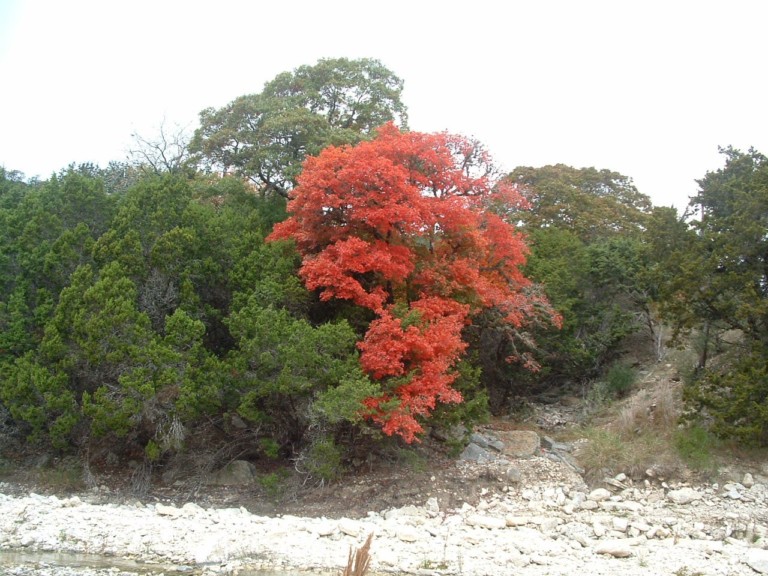
5 Common Types Of Maple Trees in Texas
There are approximately 100 different species of maple trees around the world. The weather in Texas is ideal for producing…

Maple
7 Common Types Of Maple Trees In the UK
The United Kingdom is Europe's second-least forested country, with only Ireland having fewer trees. This isn't to say that the…
Maple
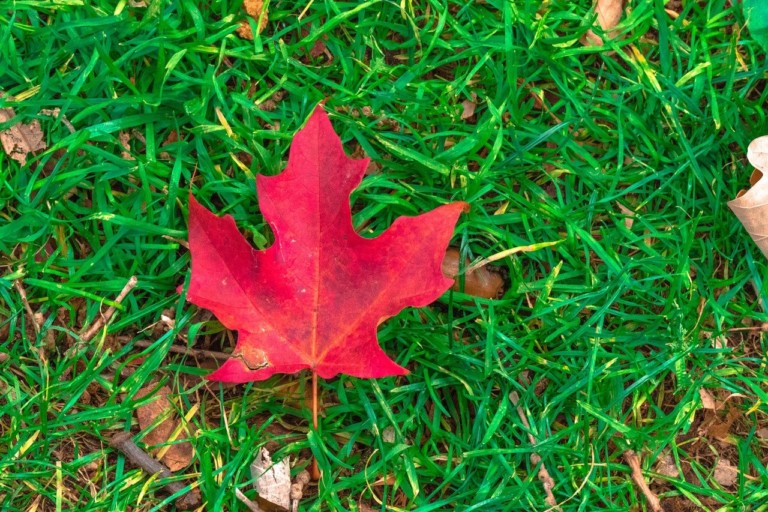
4 Types of Maple Trees in Alberta
Are you looking to plant a Maple Tree in your garden? Well, you will be pleased to know that there…
Maple
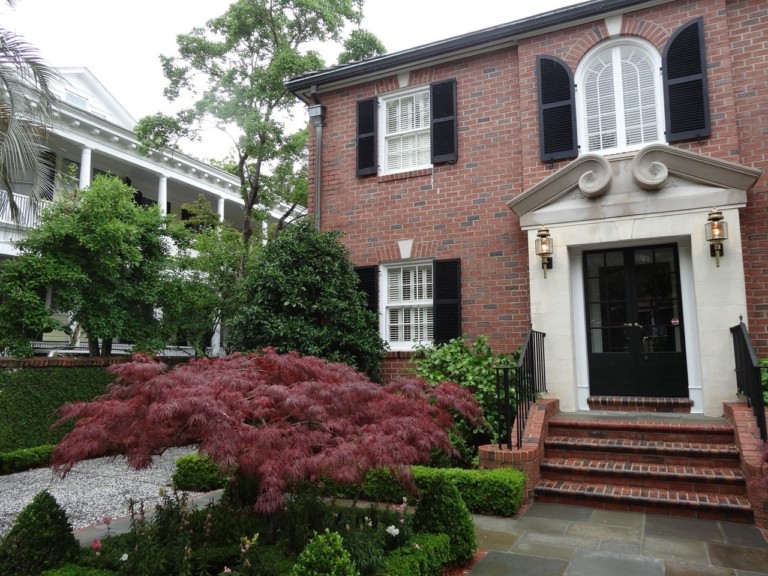
10 Types Of Maple Trees In South Carolina
Forests, one of the most prominent characteristics of the South Carolina environment, have played a significant part in the state's…
Maple
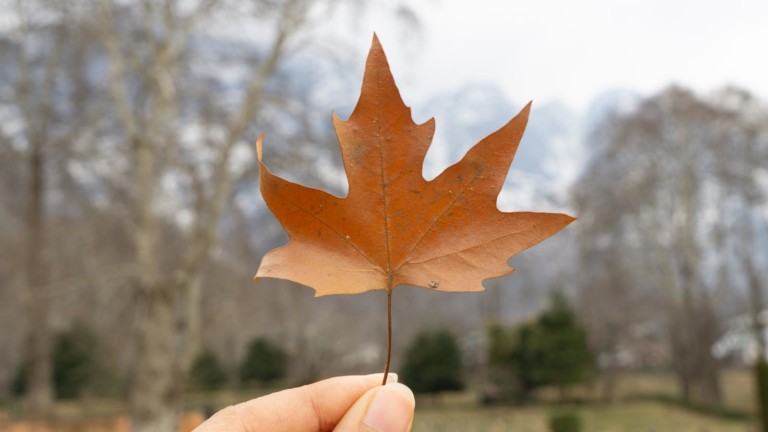
12 Common Types of Maple Trees in Canada
There are more than 100 Maple tree species across the world. Canada is home to some of the most popular…
Maple
6 Prevalent Types of Maple Trees in Alabama
Because nearly 70% of the land in Alabama is forested, you’ll see a lot of trees when you visit the…

Maple
42 Common Types of maple trees Growing in the USA (photos)
Maple trees are quite common in the United States, so regardless of which state you visit, it’s very likely you’ll…