
Key Facts
- Bulbous perennial that flowers in early spring.
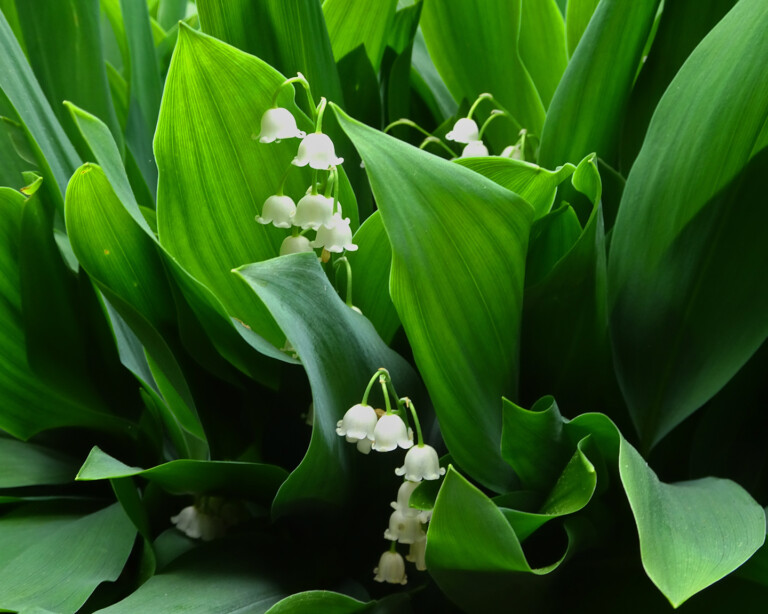
- Nodding white bell shaped flowers with a green or yellow spot at the tip.
- Typically 6–10 in (15–25 cm) tall.
- Prefers moist, humus rich soil and tolerates heavier soils.
- Grows in full sun to partial shade and does well in dappled woodland shade.
- Hardy in many temperate gardens to about USDA zone 3–8.
- Propagated by bulbs and offsets or by seed.
- Contains toxic alkaloids so bulbs and plant parts are poisonous if eaten.
Spring Snowflake is a small bulbous perennial that blooms in early spring with nodding white bell shaped flowers. It is prized for dappled woodland sites and shady borders, though bulbs and plant parts are poisonous if eaten.
Identification
Compact clumps reach about 6 to 10 inches tall with nodding white bells each showing a small green or yellow spot at the tip. The plant forms bulbous clumps with a typical spread of about 4 to 6 inches per clump. Flowers appear in early spring, timing varies with climate and latitude.
Best uses and where to grow
Use Spring Snowflake as a spring-flowering groundcover beneath deciduous trees, in woodland edges or mixed spring borders. It performs well in full sun to partial shade and is especially suited to dappled shade where early light reaches before tree leaf out. The plant tolerates heavier soils and moist conditions better than many small bulbs.
Planting and timing
Plant bulbs in temperate climates while they are dormant so they establish before winter. Space bulbs to match their natural spread, about 10 to 15 centimeters apart to allow clump development. Exact planting time shifts with local climate, so schedule planting to let roots form before hard freezes in colder areas.
Soil light and watering
Choose moist, humus rich soil that is freely draining to moderately heavy. Spring Snowflake tolerates heavier clay soils but dislikes standing water which can cause bulb rot. Avoid prolonged drought, as dry sites can cause early foliage wither and reduce bulb strength. It grows in full sun to part shade and thrives in dappled woodland light.
After flowering care
Allow foliage to die back naturally after flowering so bulbs can store energy for the next season. Division of bulb clumps after flowering or while dormant helps rejuvenate overcrowded patches and speeds spread. Avoid removing leaves too early as that can weaken bulbs and reduce future blooms.
Spread and naturalizing control
Clumps slowly produce offsets and can naturalize into colonies over years. Expect individual clumps to spread roughly 4 to 6 inches, with larger colonies occupying more area if left undisturbed. Control spread by dividing clumps when they become crowded or by lifting bulbs and replanting smaller groups.
Propagation
Propagate by separating bulb offsets or dividing clumps after flowering or during dormancy. Seed propagation is possible but slow and may take several years before seedlings reach flowering size. Division is the fastest way to increase established patches for use in drifts or under trees.
Toxicity and safety
Spring Snowflake contains toxic alkaloids and all parts are considered poisonous if ingested. Exercise caution where children or pets might encounter bulbs or foliage and consult regional poison control or a veterinary source for exposure guidance. Handle bulbs with basic care and wash hands after planting.
Frequently asked questions
- How fast does Spring Snowflake grow?
- Growth is modest. Clumps expand by offsets over several seasons and seed grown plants need multiple years to reach flowering size.
- Is Spring Snowflake winter hardy?
- Yes, it is generally hardy in many temperate gardens to about USDA zone 3 through 8, though local microclimate and cultivar can affect hardiness.
- Can it grow in clay soil?
- Yes, it tolerates heavier soils and clay better than many bulbs, provided drainage is not poor and bulbs are not waterlogged.
- Does it naturalize and become invasive?
- It naturalizes slowly by offsets and can form colonies over time. It is not reported as aggressively invasive but monitor spread and divide clumps if needed.
- Is Spring Snowflake poisonous?
- Yes, bulbs and plant parts contain toxic alkaloids and are poisonous if eaten. Keep away from children and pets and seek professional advice for exposures.
Related Plants


Mentioned In (1)
Plants
9 Plants That Look Like Lily of the Valley
Have you ever experienced the irresistible charm of the lily of the valley? This attractive groundcover is a hard match…