
Key Facts
- Deciduous to semi evergreen shrub in the heath family Ericaceae.
- Native to wetlands and acidic soils of the eastern United States.
- Produces pendent white urn shaped flowers in racemes in spring.
- Prefers moist to wet, acidic, high organic matter soils.
- Performs best in part shade to full shade.
- Used in bog gardens and native plantings for naturalized wet sites.
- Attracts bees and other pollinators when in bloom.
Swamp Doghobble is a low to medium shrub native to wetlands of the eastern United States that bears pendent white urn shaped flowers in spring. It suits naturalized wet sites and bog gardens where consistently moist acidic soil and shade are available.
Identification
Swamp Doghobble is a deciduous to semi evergreen member of the heath family Ericaceae and typically reaches three to six feet tall. In late spring to early summer it produces drooping racemes of small white urn shaped flowers that attract bees and other pollinators. The plant forms a multi stem shrub habit suited to woodland edges.
Where to grow and best uses
Use Swamp Doghobble in bog gardens, rain gardens and native plantings for naturalized wet sites where acidic soils remain consistently moist. It performs best in part shade to full shade and is well suited to shaded margins of swamps and wet woods. Avoid planting in dry or alkaline locations where the shrub will decline.
Soil and watering
This shrub prefers acidic soils rich in organic matter and tolerates poorly drained and peaty conditions. Maintain consistent moisture because dry soils lead to poor growth and decline. Improve heavy soils with leaf mold or compost to increase organic content and keep the root zone evenly damp rather than letting it dry out between waterings.
Light and placement
Place Swamp Doghobble in part shade to full shade and protect it from hot afternoon sun which can stress foliage. The plant tolerates morning sun but in sunnier exposures it needs more moisture and can show scorch in warm climates. Group with other shade tolerant, moisture loving natives for a natural understory effect.
Planting and seasonal notes
Flowers appear in spring to early summer, typically May to June in temperate regions, so allow a season for establishment before expecting a full display. Choose a protected, consistently moist site with acidic soil and good organic matter. Monitor young plants for even moisture while they develop a larger root system.
After flowering and maintenance
After flowering maintain consistent moisture and remove dead or damaged wood to keep a tidy multi stem habit. Plants in naturalized wet areas often need minimal intervention once established. Avoid heavy topsoil changes and maintain surrounding organic mulch to conserve moisture and protect shallow roots.
Frequently asked questions
- How fast does Swamp Doghobble grow?
- Growth rate varies with site and moisture. In moist, shady conditions plants typically establish over several years and reach the common mature height of three to six feet.
- What USDA hardiness zones are suitable?
- Swamp Doghobble is generally suited to USDA zones 6 through 9. In colder zones plants may die back to the ground in winter and be slower to establish.
- When does Swamp Doghobble bloom?
- Blooming occurs in spring to early summer, commonly in May to June in many temperate areas, though timing shifts with latitude and local climate.
- Is Swamp Doghobble safe for pets and people?
- Toxicity for this species is not well documented. Avoid ingestion and consult a veterinary toxicologist or poison control source for confirmation if exposure occurs.
- Can it tolerate sun?
- It prefers part shade to full shade and tolerates morning sun. Avoid hot afternoon sun which increases moisture needs and can cause foliage stress in warm climates.
Related Plants


Mentioned In (2)
Plants
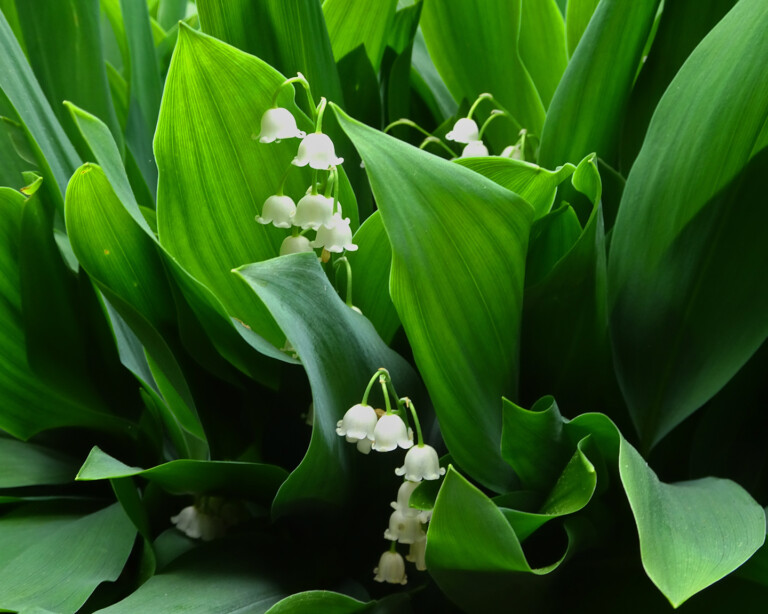
9 Plants That Look Like Lily of the Valley
Have you ever experienced the irresistible charm of the lily of the valley? This attractive groundcover is a hard match…

Plants
10 Plants That Look Like Bells
Bell-shaped flowers add graceful elegance to any garden, and they appear across a surprisingly wide range of plants—from delicate spring…