
Key Facts
- Native to the Sierra Nevada and adjacent ranges of eastern California and western Nevada.
- Evergreen conifer with woody seed cones rather than showy flowers.
- Closely related to ponderosa pine and treated variably as a separate species or a variety.
- Prefers full sun and well drained soils.
- Drought tolerant once established.
- Used in native plant landscaping and for ecological restoration.
- Slow to moderate growth rate depending on site conditions.
Washoe Pine, Pinus washoensis, is an evergreen Sierra Nevada native conifer closely related to ponderosa pine and used in native planting and restoration where sunny, well drained sites are available. It offers drought tolerance once established but performs poorly in waterlogged soils so site choice is the main tradeoff for landscapers.
Identification
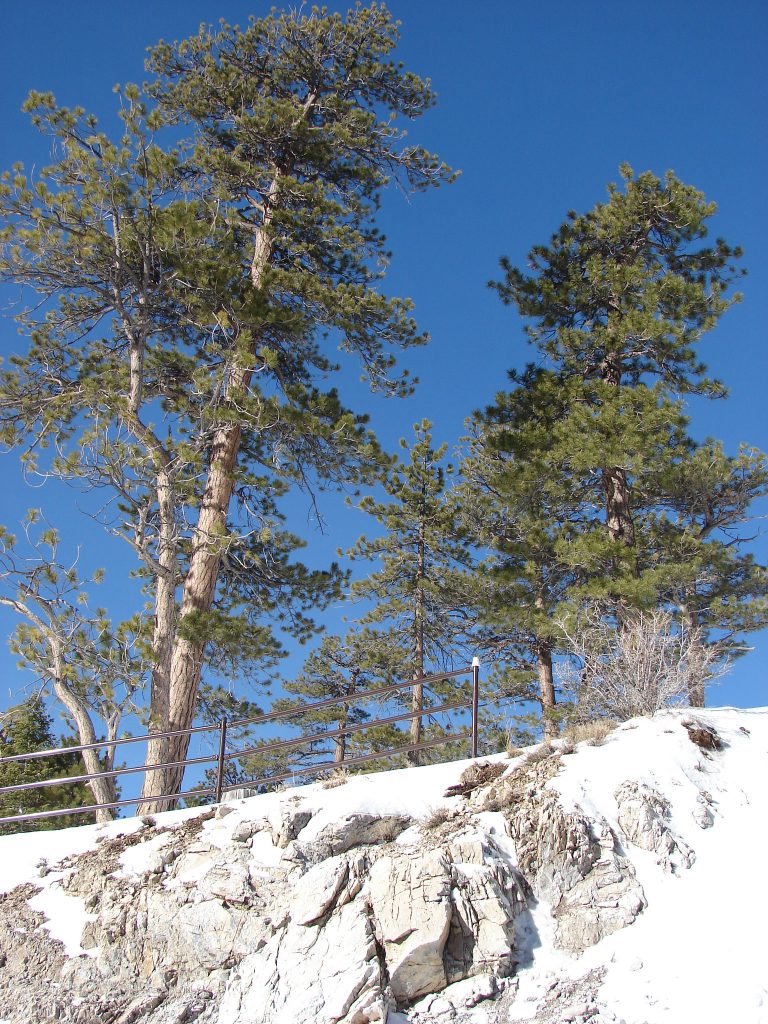
Washoe Pine has the look of a ponderosa-type pine with long needles and woody seed cones rather than showy flowers. Mature trees commonly reach tree size in favorable montane sites. Exact taxonomic treatment varies so specimens are sometimes listed as a distinct species or as a ponderosa variety in regional references.
Best uses and where to grow
Use Washoe Pine in native plant gardens, restoration projects and open park or foothill settings where a drought tolerant evergreen is desired. It suits sunny slopes, rocky outcrops and low fertility soils. Avoid planting in poorly drained areas and situations where livestock will browse beneath the canopy because related pines are linked to livestock health issues.
Planting and timing
Plant transplants at the same depth as the nursery container and avoid burying the trunk. Choose a sunny, well drained spot and allow room for a mature crown. Timing varies with elevation and climate so schedule planting during the local dormant season or when seedlings are least stressed by heat or drought.
Watering and ongoing care
Water regularly until trees are established then reduce frequency to encourage drought tolerance. Do not overwater since waterlogged soils lead to decline. Minimal pruning is needed except to remove dead branches. Monitor young trees for root competition and mulch to conserve moisture without creating prolonged wet conditions at the trunk.
Soil and light
Preferential habitat includes well drained rocky or sandy soils where drainage is good and roots can avoid standing water. Full sun produces the best form and vigor while light shade is tolerated. Soil fertility tolerance is high but pines will not thrive in heavy clay that stays saturated.
Propagation
Propagation is typically by seed collected from mature cones and grown in nurseries using local seed sources to preserve regional adaptation. Standard seed handling is used but check local propagation protocols for any recommended pre-treatment such as cold stratification. Nursery grown transplants are the practical route for landscaping projects.
After cones and management
Washoe Pine produces male and female cones in spring to summer and then sets woody seeds. After seed release manage natural regeneration if you do not want volunteer seedlings. Populations are geographically restricted so use local seed for restoration and confirm livestock safety if planting where animals may browse.
Frequently asked questions
- How fast does Washoe Pine grow?
- Growth is slow to moderate depending on site quality and moisture. Expect slower growth on poor, exposed sites and faster rates in favorable montane conditions.
- Where is Washoe Pine native?
- It is native to the Sierra Nevada and adjacent ranges of eastern California and western Nevada and is used in local restoration projects.
- Is Washoe Pine suitable for small urban yards?
- It can become a medium to large tree in good sites so avoid small yards unless you can accommodate a mature canopy and root spread.
- Is Washoe Pine toxic to people or livestock?
- No widely documented human toxicity exists. Related ponderosa pines have been linked to cattle abortion so avoid planting where livestock will browse and consult local extension for pasture safety.
- How do I propagate Washoe Pine?
- Collect mature cones and extract seed for nursery sowing using local seed sources. Check authoritative propagation guides for any recommended seed pre-treatment.
Related Plants


Mentioned In (1)

Pine
51 Common Types of Pine Trees in North America (photos)
Wherever you go in North America, it is difficult not to see pine trees. These are tall, elegant trees that…