
Key Facts
- Large evergreen pine native to the mountains of western North America.
- Needles in bundles of five and slender elongated cones.
- Prefers cool, moist sites with well drained acidic to neutral soils.
- Commonly used for timber and as a large landscape specimen.
- Moderate to fast growth when young with a tall, narrow crown habit.
- Historically and currently affected by white pine blister rust.
- Main propagation by seed. Grafting used for specific cultivars.
Western White Pine is a large evergreen conifer native to the mountains of western North America, valued for timber and as a tall landscape specimen. It prefers cool, moist, well drained acidic to neutral soils and is vulnerable to white pine blister rust.
Identification and key traits
Needles appear in bundles of five and the tree bears slender elongated cones that mature later in the season. Mature trees develop a tall narrow crown that can reach 60 to 150 feet in ideal sites, with a crown spread typically around 20 to 40 feet. Young trees grow moderate to fast when conditions are favorable.
Best uses and where to grow
Use Western White Pine as a specimen tree in large landscapes, as a screen in cool climates, or in restoration of montane forests where native. It performs best in USDA zones 3 through 7 and in cool moist sites. Avoid planting it in hot inland locations where heat stress can reduce vigor.
Planting season and spacing
Plant during the dormant window in spring or fall based on local climate to allow roots to establish before summer heat or winter freeze. Give each tree room to form its full crown by spacing at least equal to the expected crown spread, typically 20 to 40 feet between trunks in open settings.
Soil light and watering
Prefers moist, well drained acidic to neutral soils and tolerates sandy to loamy textures. Plant in full sun to light shade for best growth and air circulation. Maintain even soil moisture during establishment and avoid waterlogged conditions which lead to root decline and poor vigor.
After cone season care and maintenance
Conifers do not require seasonal deadheading. Limit pruning to dead or crossing branches and do most pruning in late winter when the tree is dormant. Monitor crowns and lower limbs for signs of stress, and remove severely affected branches to slow spread of secondary problems.
Propagation and nursery notes
Main propagation is by seed and by transplanting nursery seedlings. Grafting is used to preserve named cultivars since rooted cuttings are difficult. Follow local nursery guidance for stratification and seedling handling to improve establishment success.
Pests diseases and safety
White pine blister rust has historically and currently affected Western White Pine and can severely damage trees over time. Good site selection and spacing help reduce disease pressure. Needles and cones are not listed as highly toxic but ingestion can cause mild gastrointestinal upset and resin or dust may irritate skin or airways in sensitive individuals.
Frequently asked questions
- How fast does Western White Pine grow?
- Growth is moderate to fast when young under favorable cool moist conditions, with slower rates as trees age and in less suitable climates.
- Is Western White Pine suitable for small yards?
- Generally no for small yards. Expect a mature height of 60 to 150 feet and a spread of 20 to 40 feet so reserve large open space for long term planting.
- When does it release pollen?
- Pollen release typically occurs in spring with cones developing through summer and maturing later in the season, timing varies with latitude and elevation.
- How do I protect trees from white pine blister rust?
- Reduce nearby infected alternate hosts where practical, choose well drained cool sites, maintain good air circulation through proper spacing, and remove heavily infected branches or trees to limit spread.
- Are Western White Pine needles toxic to pets?
- They are not considered highly toxic but ingestion can cause mild gastrointestinal upset and resin may irritate sensitive skin or airways. Confirm local guidance with poison control or the ASPCA for specific concerns.
Related Plants
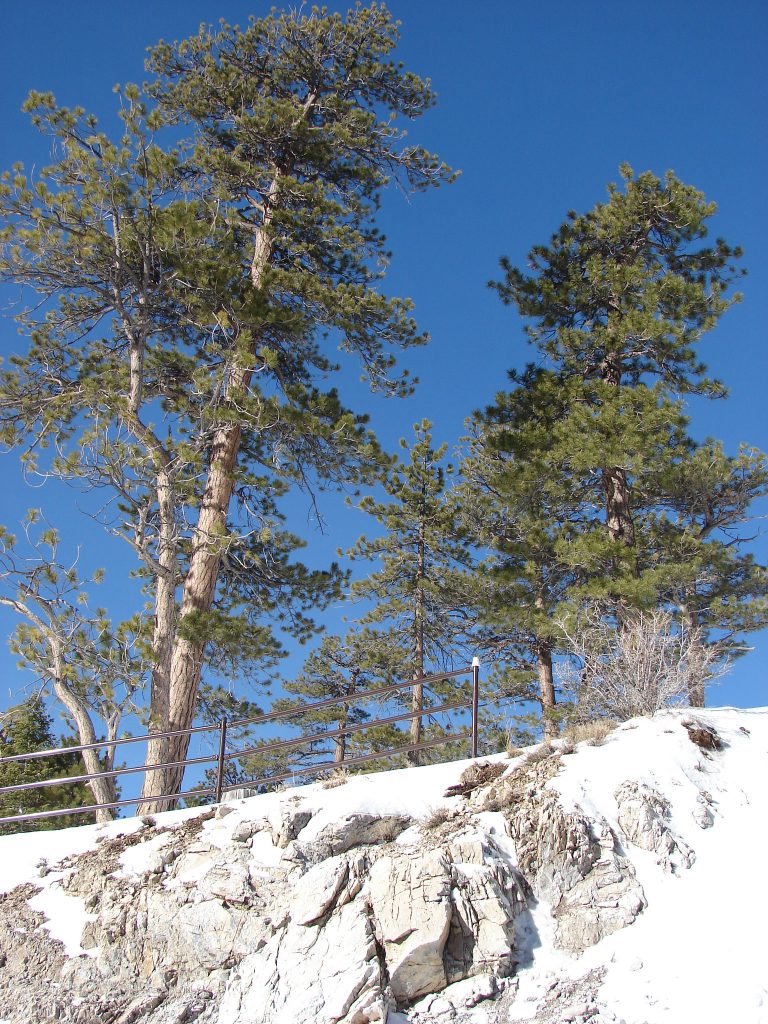


Mentioned In (6)
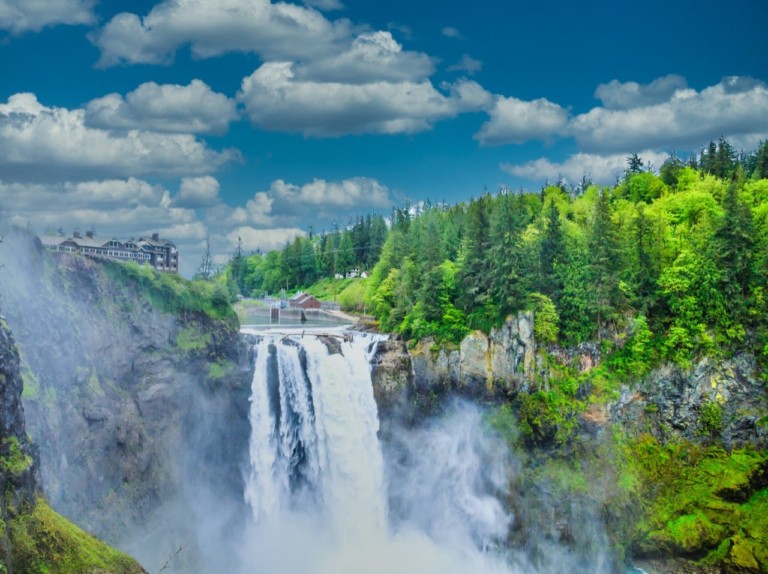
Trees
18 Evergreen trees in Washington state
The Evergreen State is home to many different types of evergreen trees. In this blog post, we will discuss the…
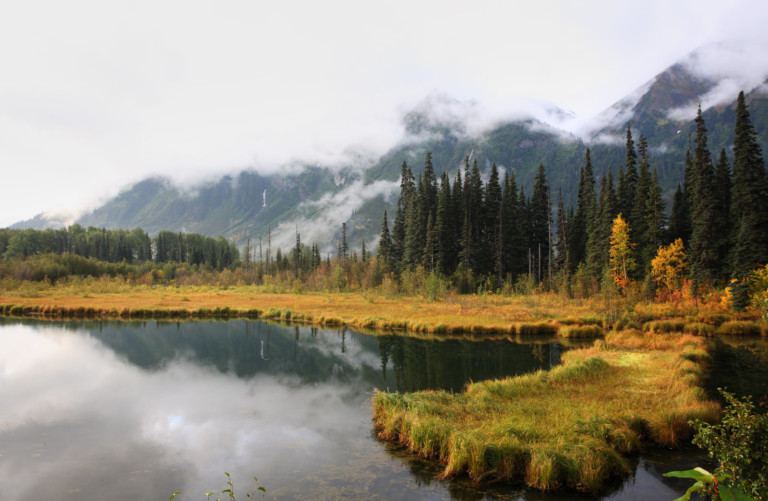
Pine
7 Types Of Pine Trees In British Columbia
People in British Columbia hold a deep appreciation for nature and the beauty it offers. From scenic landscapes to evergreen…
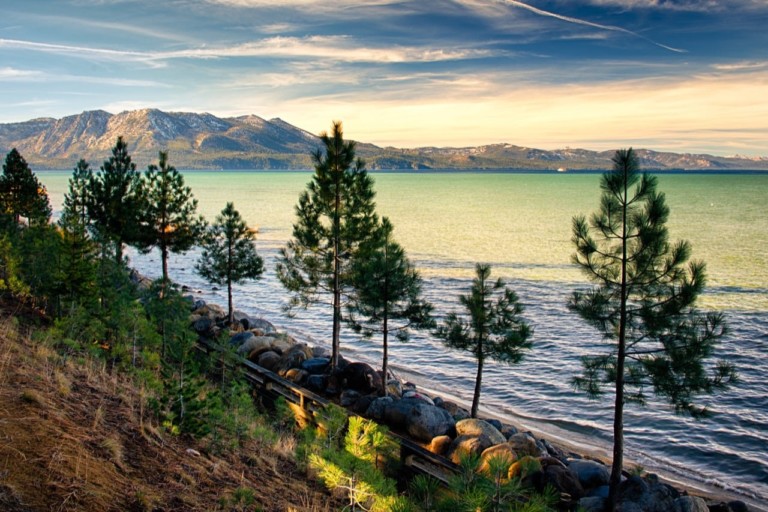
Pine
6 Types of Pine Trees in Lake Tahoe
Planning a vacation to Lake Tahoe soon? The North Lake Tahoe flora and fauna attract hundreds of tourists from around…

Pine
4 Main Types of Pine Trees in Washington State
Washington State is known for its beauty and its vast landscapes, and it should come as no surprise that there…

Pine
29 Different Types of Pine Trees in California (Northern & Southern)
People love pine trees, and there is little wonder why. The cones can be easily decorated for a variety of…

Pine
51 Common Types of Pine Trees in North America (photos)
Wherever you go in North America, it is difficult not to see pine trees. These are tall, elegant trees that…