
Key Facts
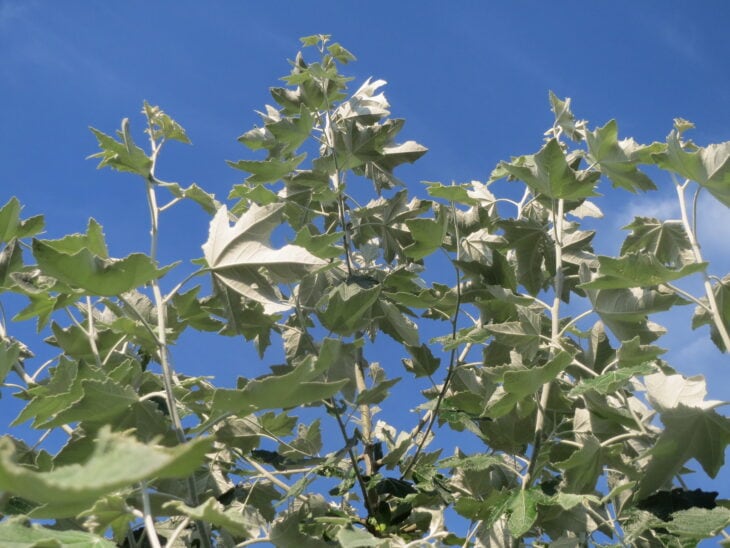
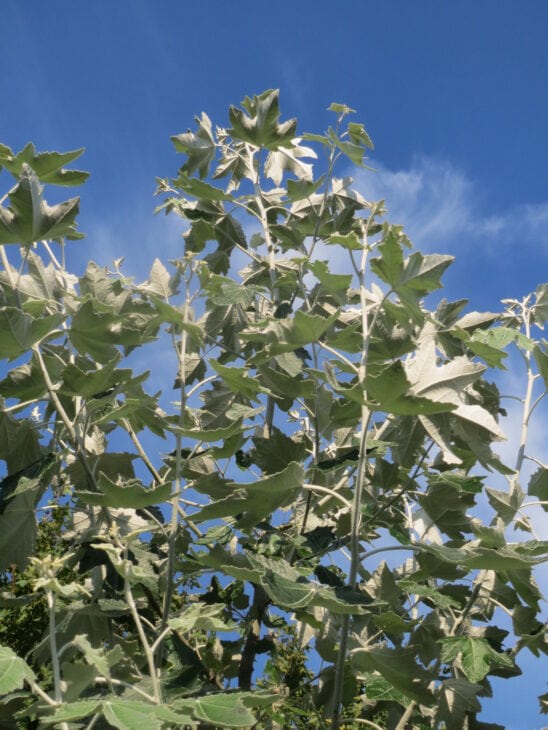
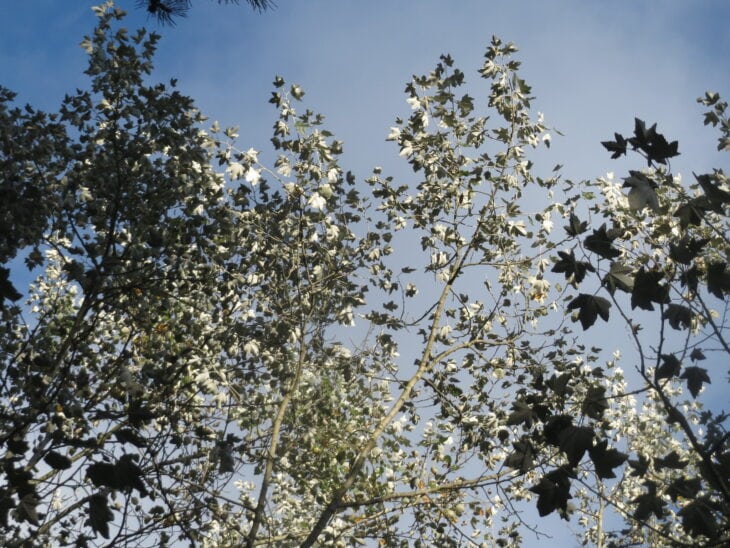
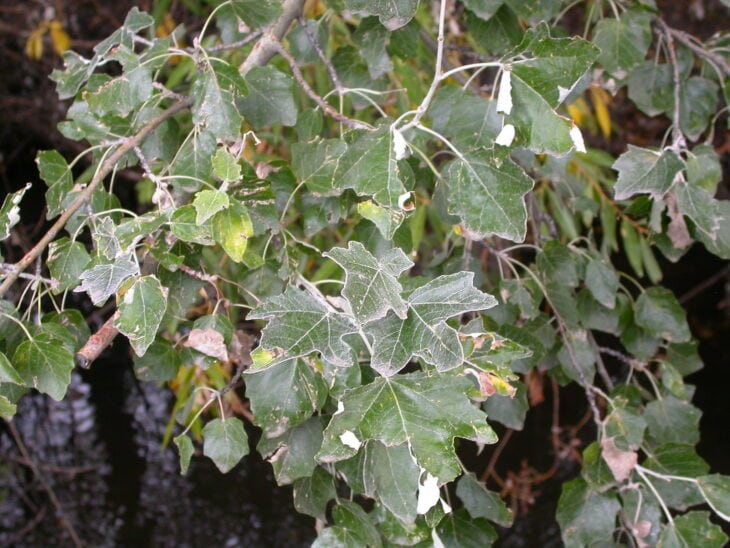
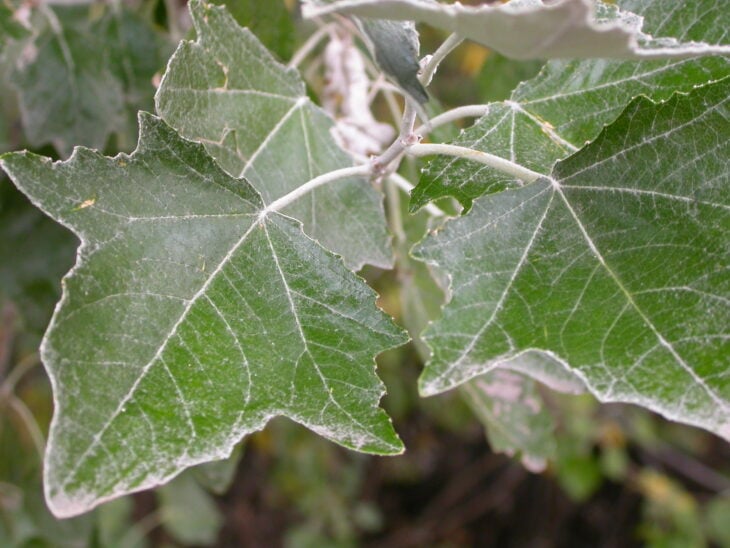
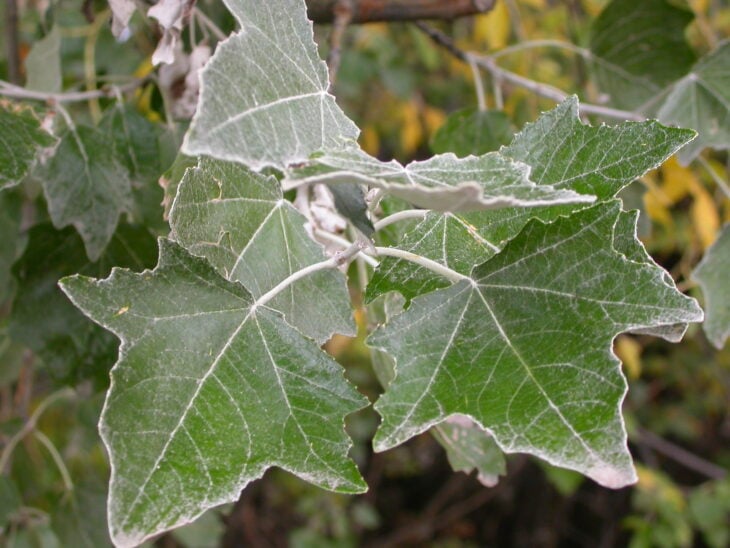
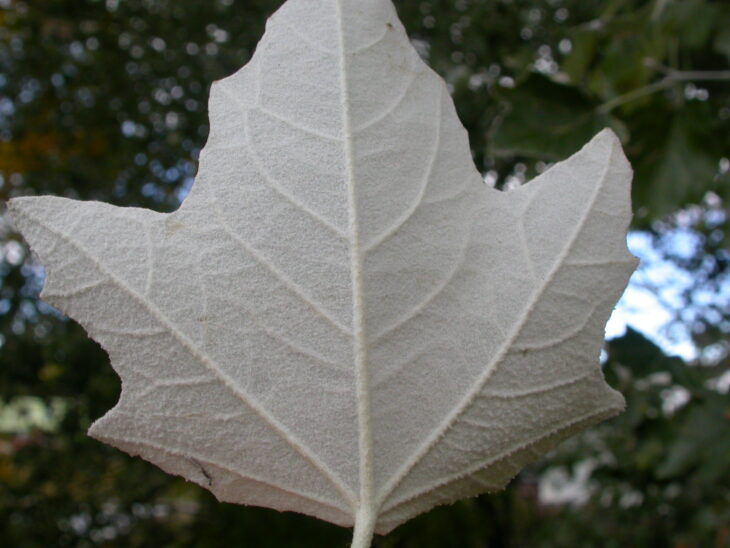
- Deciduous tree with white felted leaf undersides.
- Native to Europe, Central Asia and parts of North Africa.
- Produces pendulous catkins in spring before or with leaf emergence.
- Fast to medium rapid growth rate.
- Suckers from roots and can form clonal thickets.
- Tolerant of a wide range of soils including alkaline and compacted clay.
- Prefers full sun.
- Used for shade and specimen planting but can be invasive outside its native range.
- Propagated by seed and vegetative methods including hardwood cuttings and root suckers.
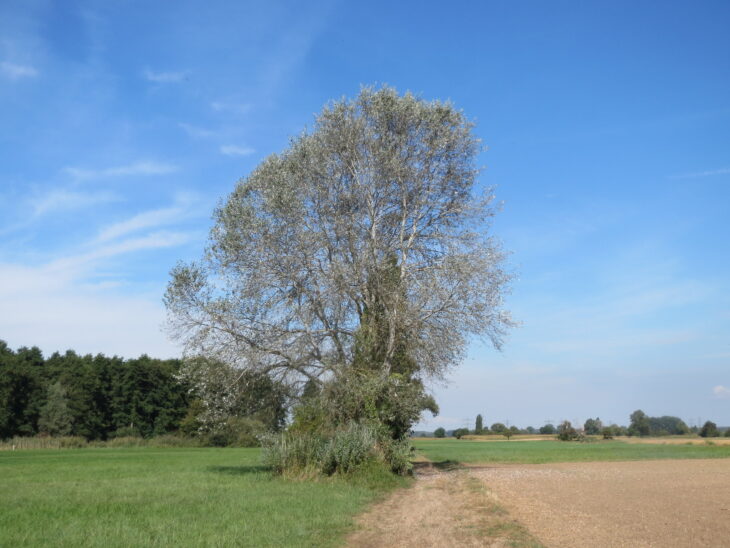
White Poplar (Populus alba) is a deciduous tree noted for white felted leaf undersides and pendulous catkins in spring. It grows quickly in many soils and makes a strong shade or specimen tree but it suckers easily and can naturalize outside its native range.
Identification
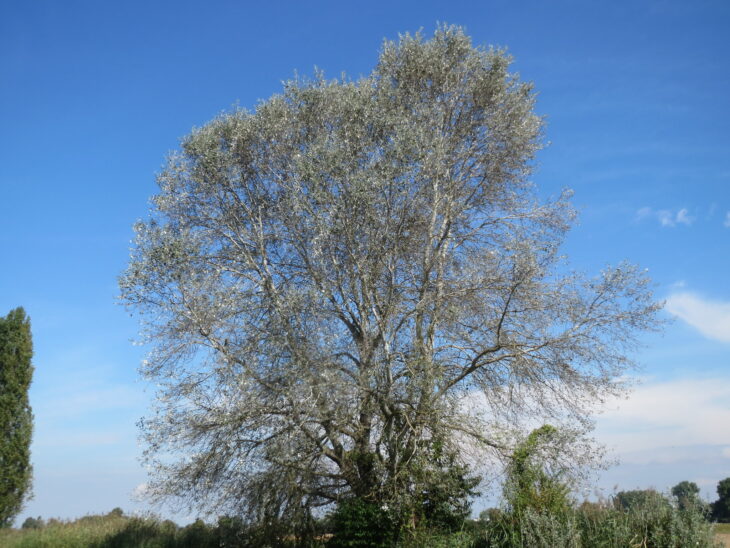
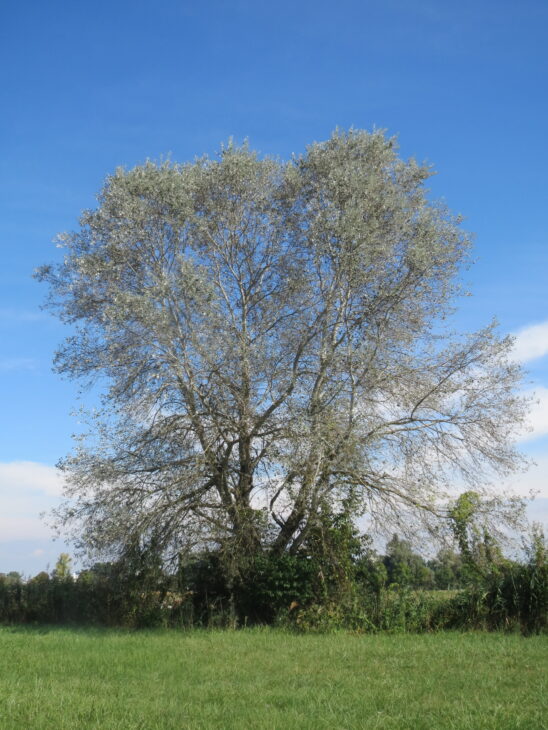
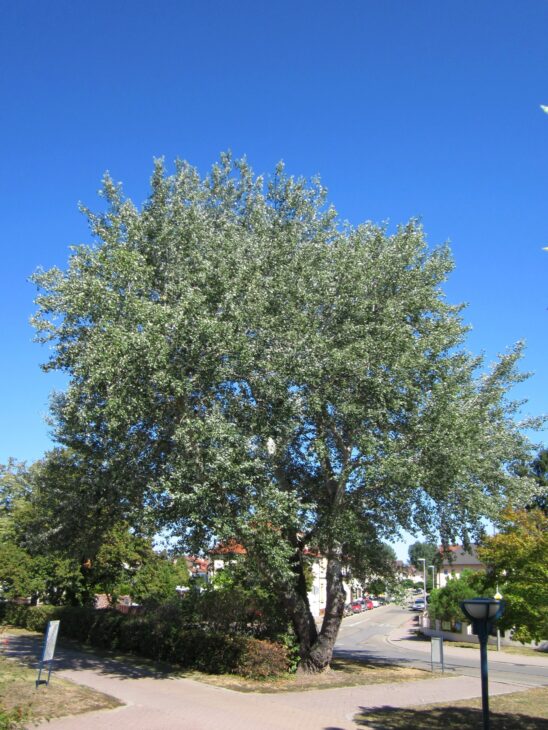
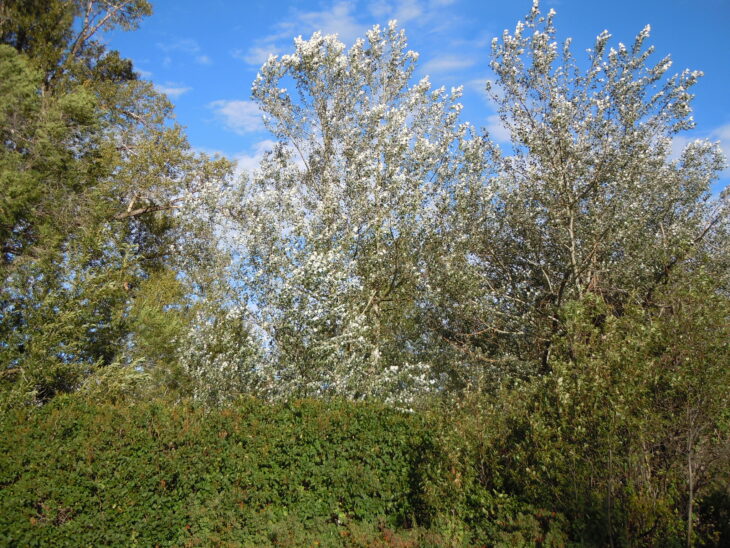
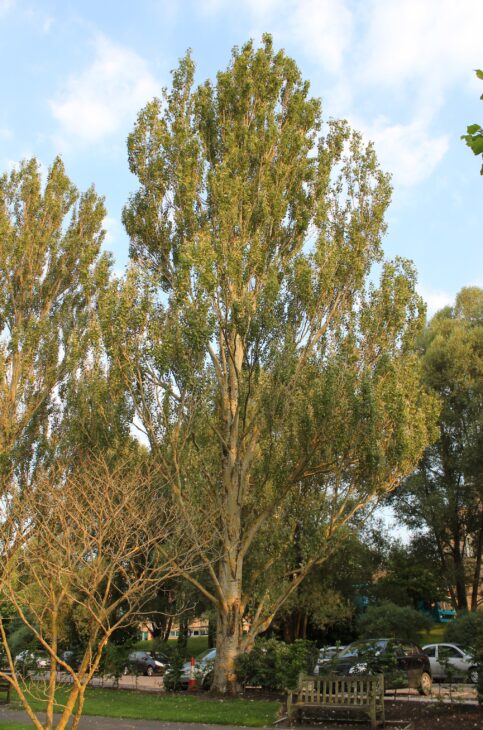
Leaves have pale white felted undersides that give the tree a silvery appearance in a breeze. It produces pendulous catkins in spring before or with leaf emergence. Mature trees commonly reach roughly 40 to 70 feet tall with a broad crown and a spreading habit.
Best uses and where to grow
Use as a shade tree or specimen where fast establishment is desired and space allows for a broad crown. It prefers full sun for best form and flowering and tolerates alkaline and compacted clay soils. Check local invasive species lists before planting because it can form clonal thickets by root suckering.
Soil light and watering
White Poplar prefers moist well drained soils but tolerates a wide range including compacted clay and alkaline ground. Prolonged waterlogging or extreme drought can cause stress. Plant in full sun for best shape and bloom while light shade can produce leggier growth and more leaf disease in dense shade.
Planting and spacing
Allow room for a broad crown and for root suckers when siting the tree. Plan on roughly 30 to 60 feet between trees for mature crown spread and expect clonal spread beyond the canopy where suckering occurs. Verify mature size for the specific cultivar before final placement.
Controlling spread and maintenance
Root suckering creates lateral thickets if left unchecked. Remove suckers at the root or use root barriers to limit spread. Coppicing and selective pruning can manage size and form but regular removal of new shoots is often required to prevent unwanted clonal spread.
Propagation
Propagate from seed and by vegetative methods. Hardwood cuttings and root suckers are effective for producing identical trees. Root cuttings and coppicing also work well. Expect easy establishment from cuttings in suitable conditions which contributes to its tendency to naturalize.
Toxicity and wildlife
Not widely listed as highly toxic to cats and dogs though ingestion may cause mild gastrointestinal upset. Poplars contain salicylate compounds that can be problematic for livestock if consumed in large amounts and buds may irritate some people. Consult local extension or poison control for definitive guidance.
Frequently asked questions
- How fast does White Poplar grow?
- It has a fast to medium rapid growth rate. In favorable sites trees often reach 40 to 70 feet over time.
- Is White Poplar invasive?
- Yes it can sucker aggressively and form clonal thickets. Check local invasive species lists before planting and plan for sucker control.
- How big does White Poplar get?
- Typical mature height is roughly 40 to 70 feet with a crown that often spreads 30 to 60 feet depending on site conditions and cultivar.
- What soil and light does it prefer?
- It prefers moist well drained soils and full sun. It tolerates a wide range including compacted clay and alkaline soils but does not thrive under prolonged waterlogging or extreme drought.
- How do I control suckers?
- Remove suckers at their origin or install root barriers. Regular cutting back and prompt removal of new shoots reduces clonal spread.
Gallery


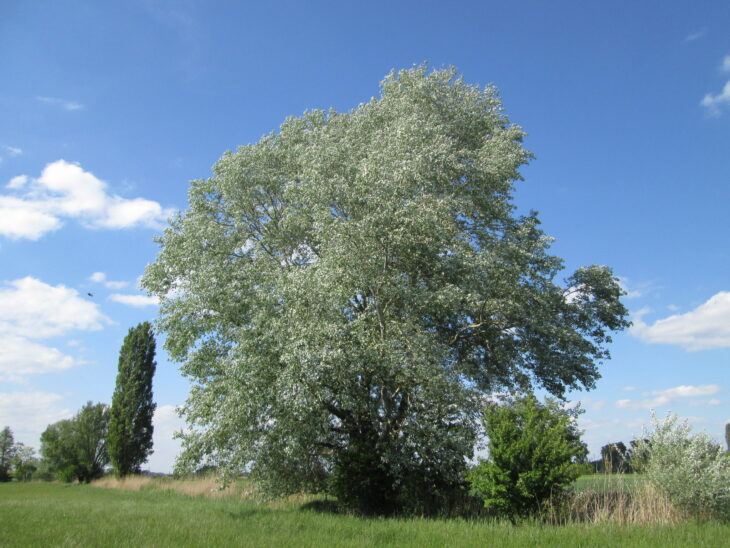
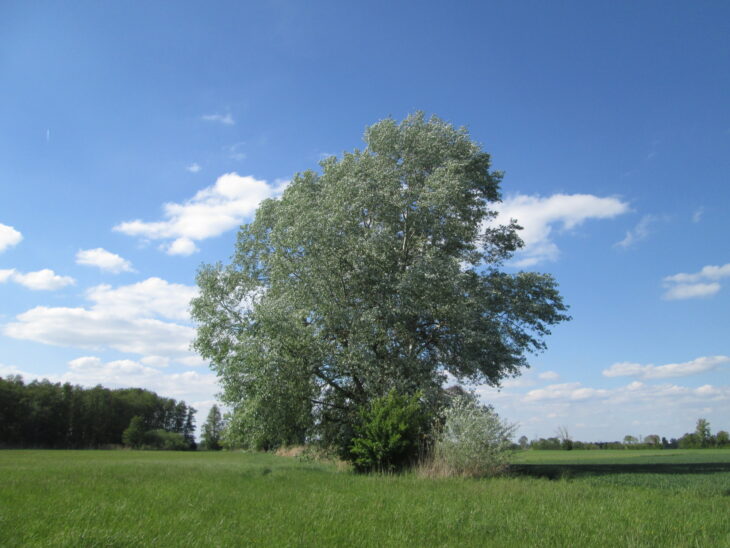
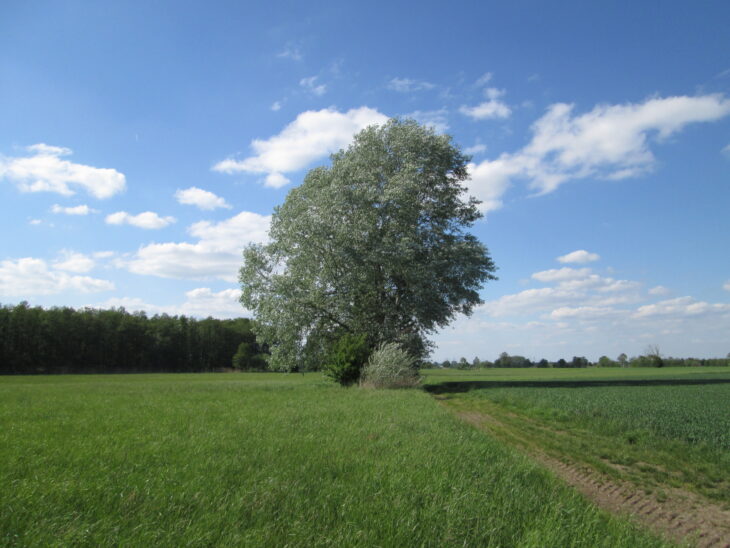
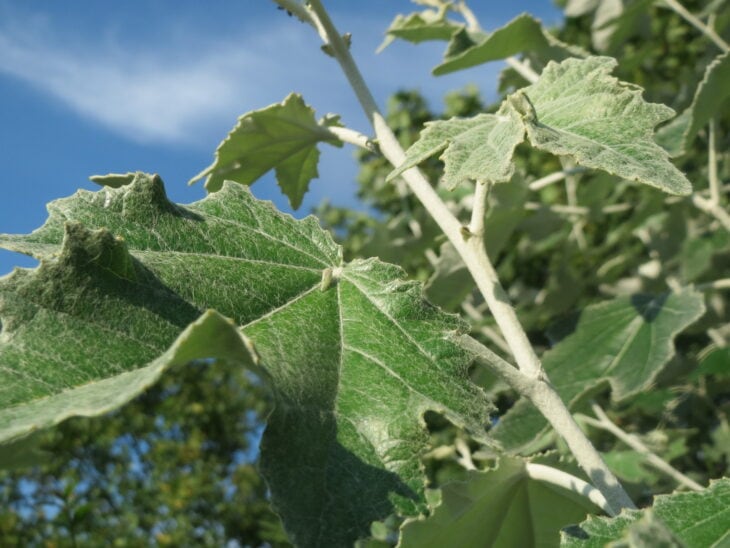
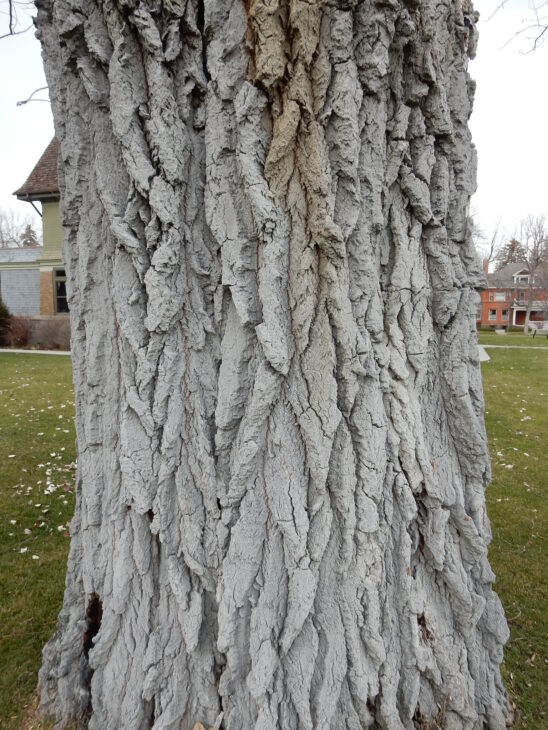
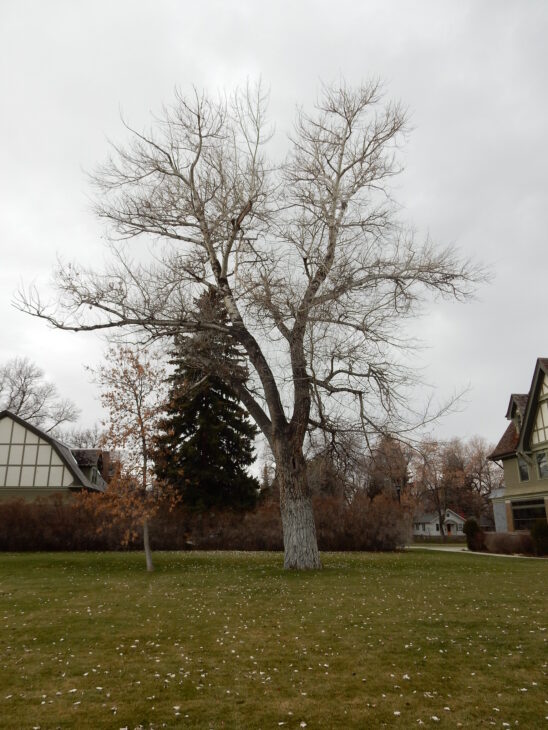
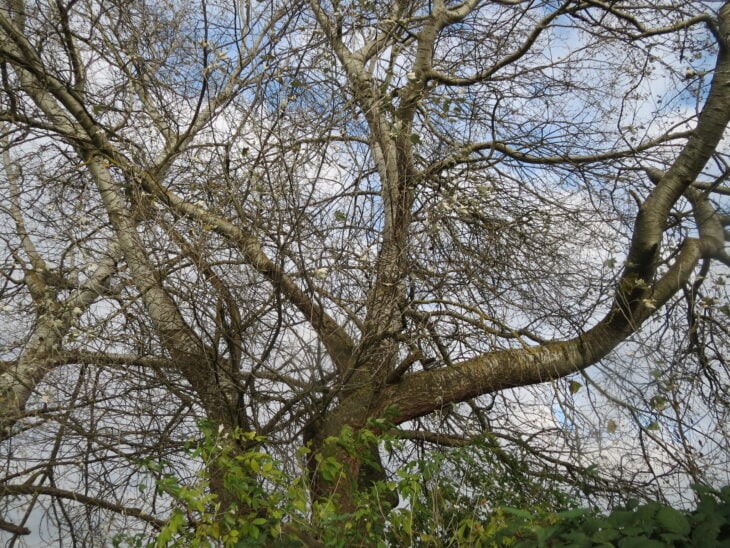


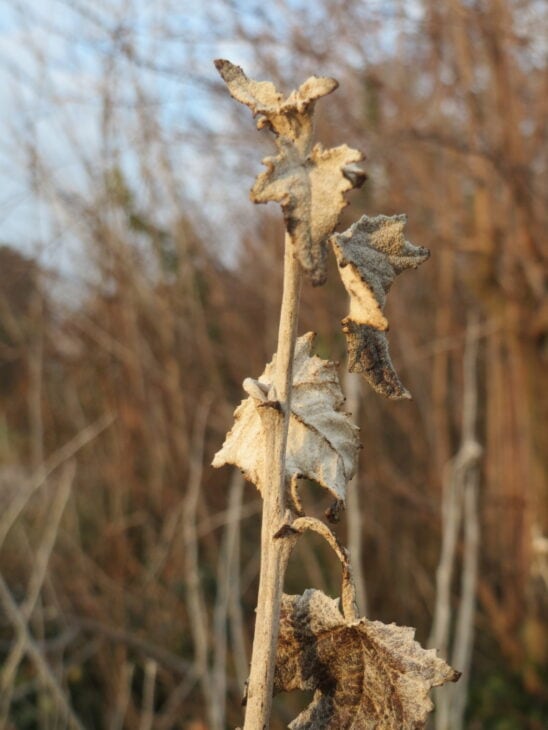
Related Plants


Mentioned In (1)

Trees
10 Trees Similar To Birch
You admire birch trees' slender, upright growth habit and their white bark, yet you're concerned about birch borer targeting your…