Key Facts
- Native to Central Asia and a primary wild ancestor of the domestic apple.
- Deciduous tree that flowers in spring and sets small to medium edible fruit.
- Fruit size and flavor are highly variable across wild populations.
- Valued in breeding for genetic diversity and disease resistance.
- Prefers full sun and well drained soil but tolerates a range of soils.
- Can be grown from seed but grafting is used to preserve desirable traits.
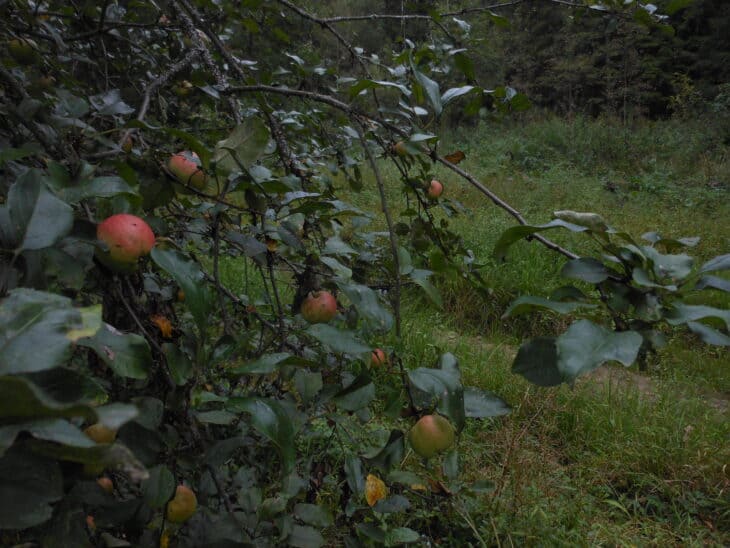
- Wild apple populations occur in mountainous and forested habitats.
- Not considered highly toxic to people but seeds contain compounds that can release cyanide if consumed in large quantities.
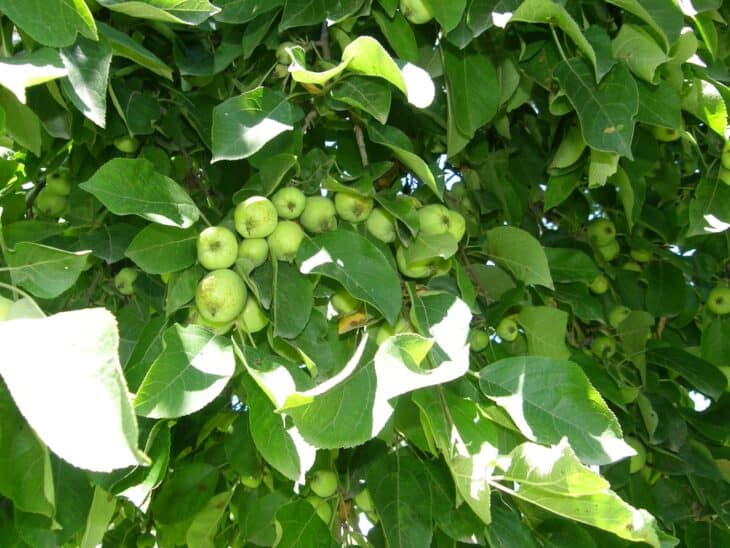
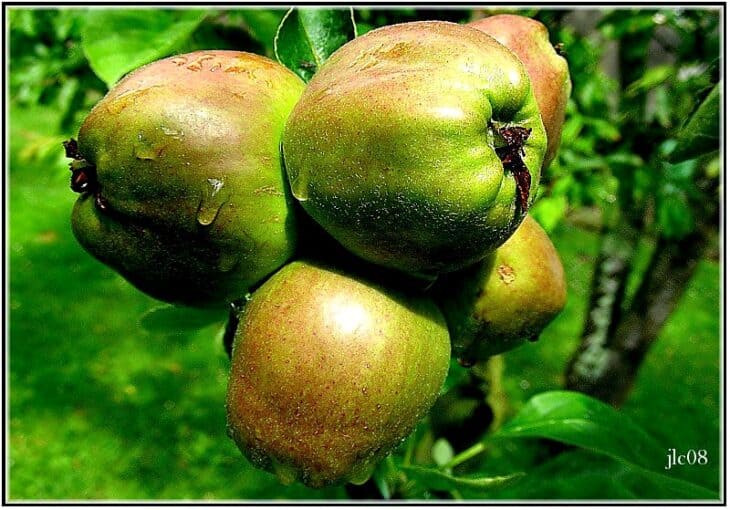
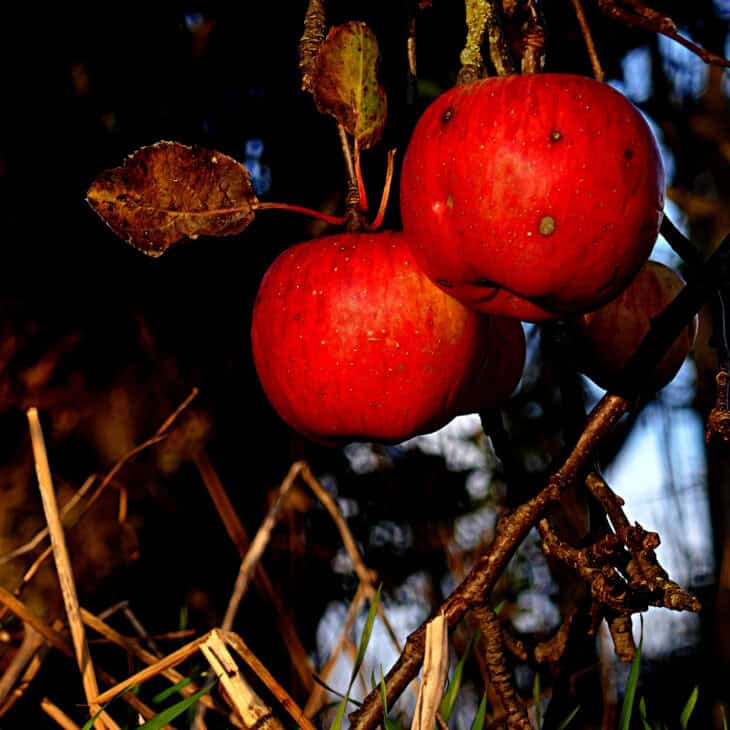
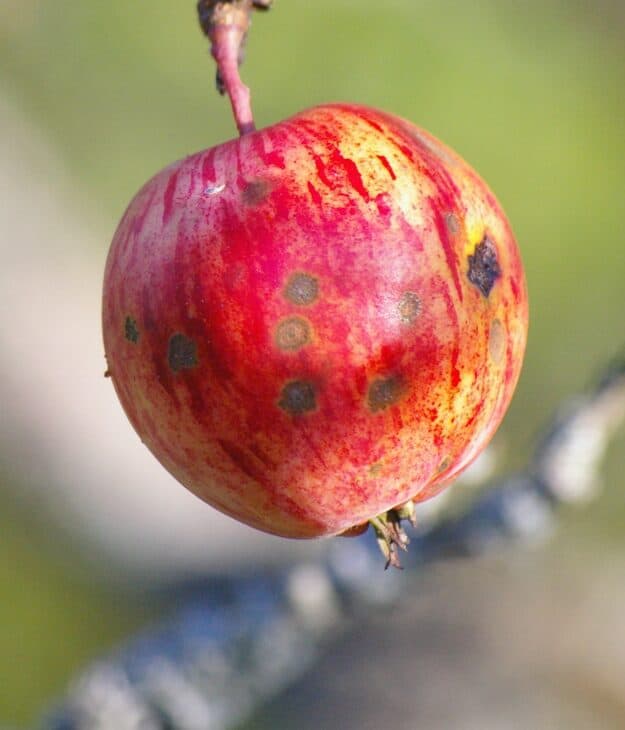
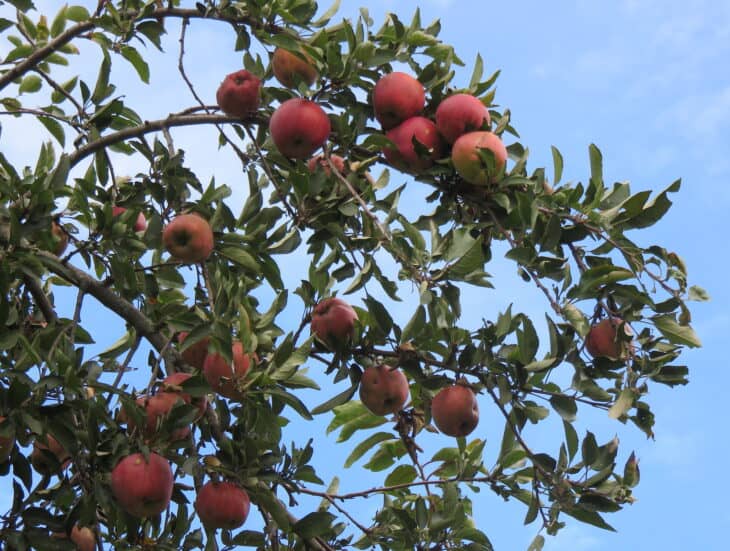
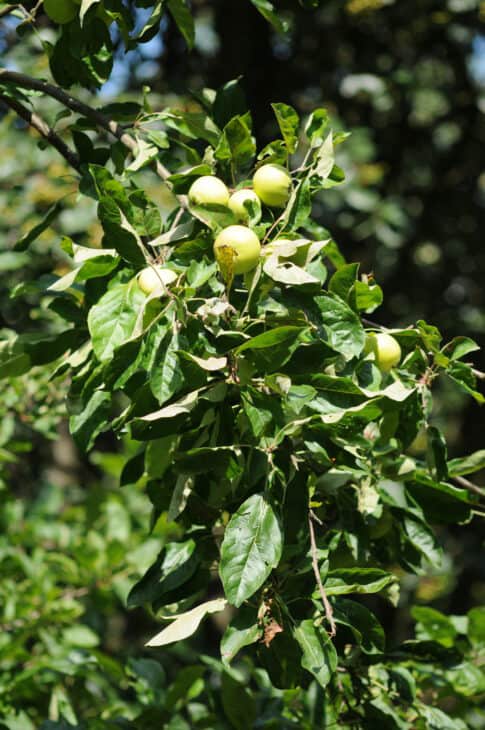
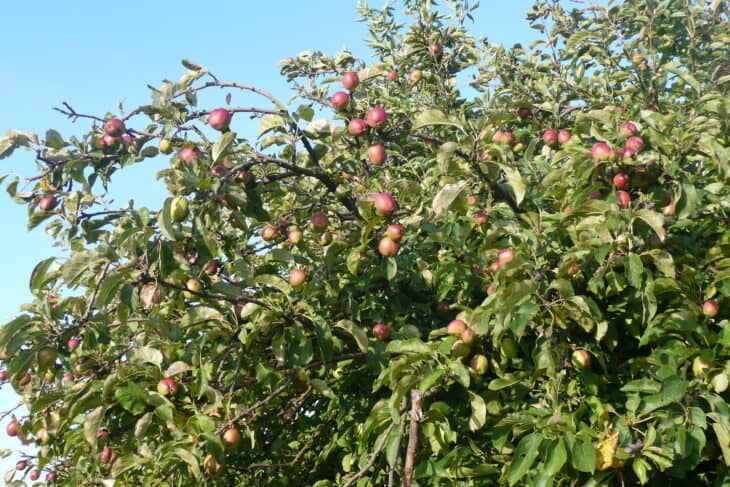
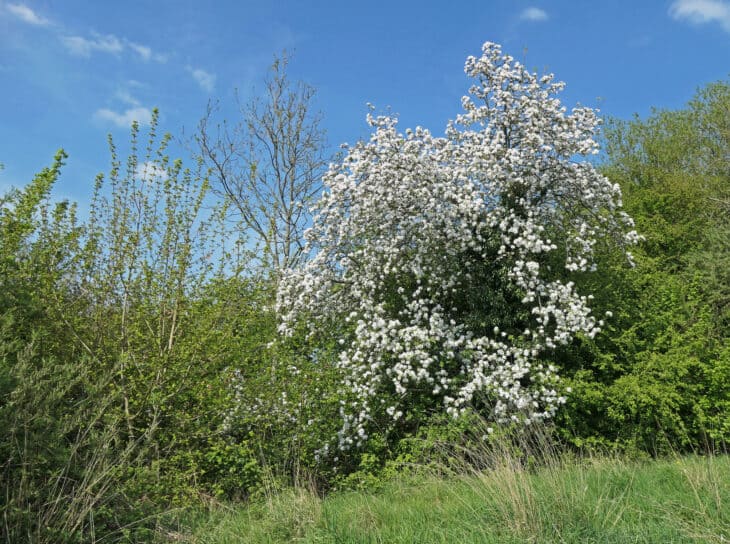
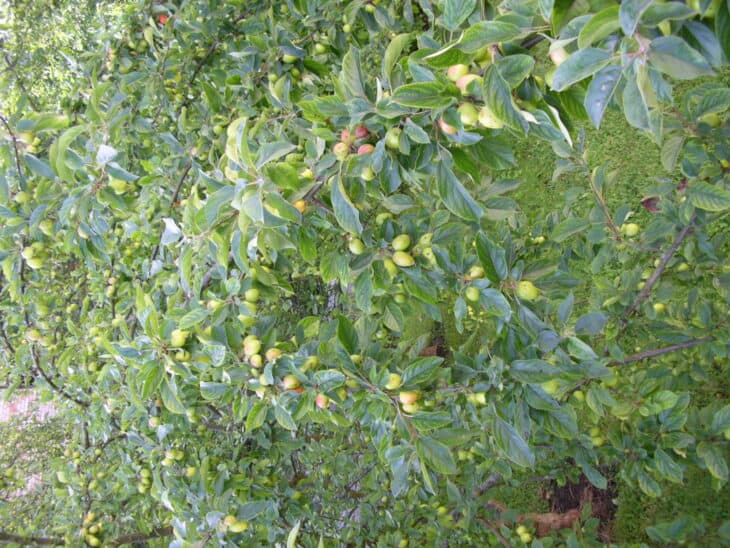
Wild Apple, Malus sieversii, is a deciduous wild apple tree native to Central Asia and the primary wild ancestor of the cultivated apple. It flowers in spring and produces small to medium edible fruit with highly variable size and flavor across wild populations.
Identification
Wild Apple is a small to medium deciduous tree typically 10 to 40 feet tall with a crown spread around 10 to 30 feet depending on site and genetics. It flowers in spring and sets edible fruit that varies widely by tree. The species is valued for genetic diversity and as the wild progenitor of our common apples.
Where to Grow and Best Uses
Native to mountainous and forested habitats in Central Asia, Wild Apple grows in temperate landscapes and adapts to a range of soils if well drained. It suits small orchard plots, conservation plantings, and breeding programs where disease resistance or genetic diversity is desired. Use it as a specimen tree or to supply seed for conservation collections.
Planting and Spacing
Plant during the local dormant season when soil is workable; timing varies with climate. Space trees according to mature crown spread, generally 10 to 30 feet apart depending on rootstock and the canopy size you want. Choose a sunny site with room for the tree to develop an open crown for best flowering and fruiting.
Soil, Light and Water
Prefers well drained loam to sandy loam and a slightly acidic to neutral pH around 6.0 to 7.0. Full sun produces the best flowering and fruit set. Avoid prolonged waterlogging which causes root stress and decline. Trees tolerate a range of soils but perform best in fertile, free-draining sites.
Blooming and Fruit
Flowers appear in spring, typically April to May in the Northern Hemisphere, with exact timing varying by local climate and elevation. Fruit size and flavor are highly variable among wild populations. Fruit flesh is edible; seeds contain amygdalin which can release cyanide if eaten in very large quantities and should not be fed in bulk to pets or livestock.
Propagation and Nursery Uses
Propagation methods include seed for conservation and breeding and grafting or budding to preserve selected genotypes. Hardwood cuttings and layering are used in some cases. Seedlings will not be true to parent, so grafting onto appropriate rootstock is standard when a specific tree form or fruit character must be retained.
Toxicity and Livestock Caution
Fruit flesh is edible for people and many pets but seeds contain cyanogenic compounds. Wilted or frosted leaves and branches have been associated with cyanide poisoning in ruminants in some cases. Do not feed large quantities of cores, seeds, or wilted pruning material to livestock and consult local extension or poison control for specific regional risks.
After-Flowering Care and Controlling Spread
After flowering monitor fruit set and remove weak or diseased wood to maintain vigor. Manage volunteers from seed if you do not want naturalized seedlings; remove young seedlings before they establish strong roots. Grafted trees benefit from routine inspection and selective pruning to keep an open canopy and reduce disease pressure.
Frequently asked questions
- How fast does Wild Apple grow?
- Growth rate varies with genetics and site quality. In favorable conditions trees can reach the species typical mature range of 10 to 40 feet over many years, while poor soils or cold sites produce much smaller specimens.
- Is Wild Apple edible?
- Yes. The fruit flesh is edible but size and flavor vary widely across wild trees. Seeds contain cyanogenic compounds and should not be eaten in large quantities.
- What USDA zones does Wild Apple grow in?
- Wild Apple is generally reported for USDA zones 3 to 7. Local performance varies so check regional sources before planting.
- Can I grow Wild Apple from seed?
- Yes. Seed is used for conservation and breeding. Seedlings will not be true to the parent for selected traits, so grafting is used to reproduce desirable genotypes.
- Are wild apple seeds poisonous to pets?
- Seeds contain amygdalin which can release cyanide if consumed in very large amounts. Normal consumption of fruit flesh is safe for most pets, but avoid feeding large numbers of whole cores or seeds.
Gallery