
Key Facts
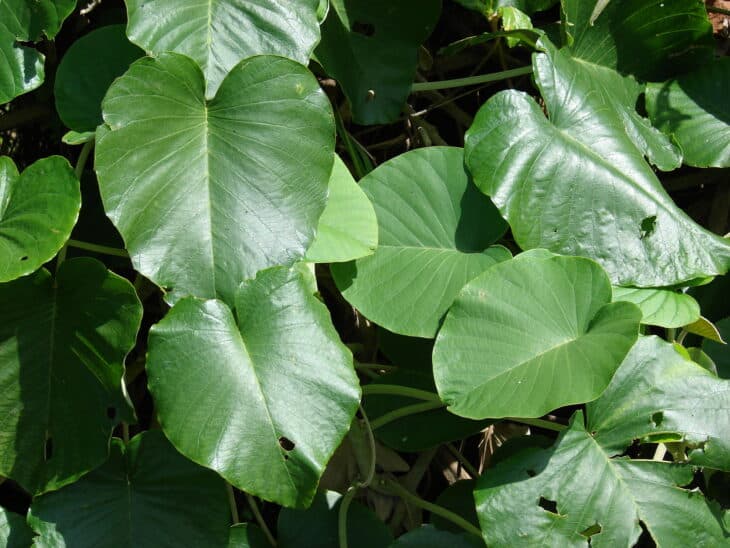
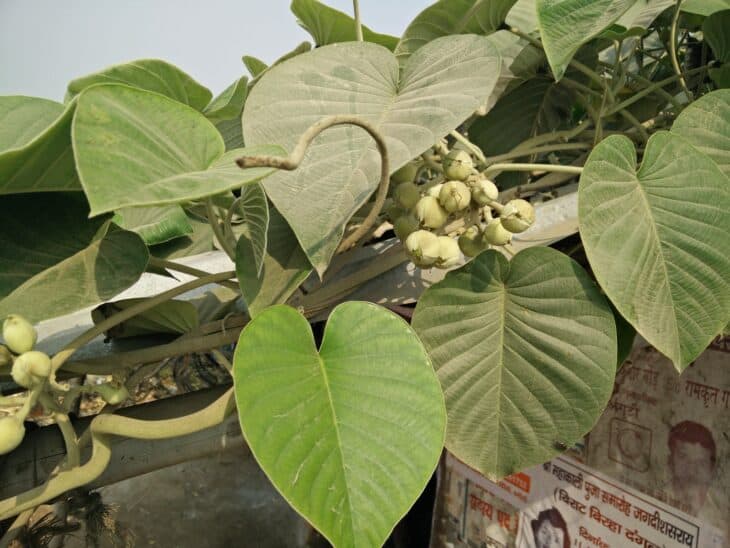
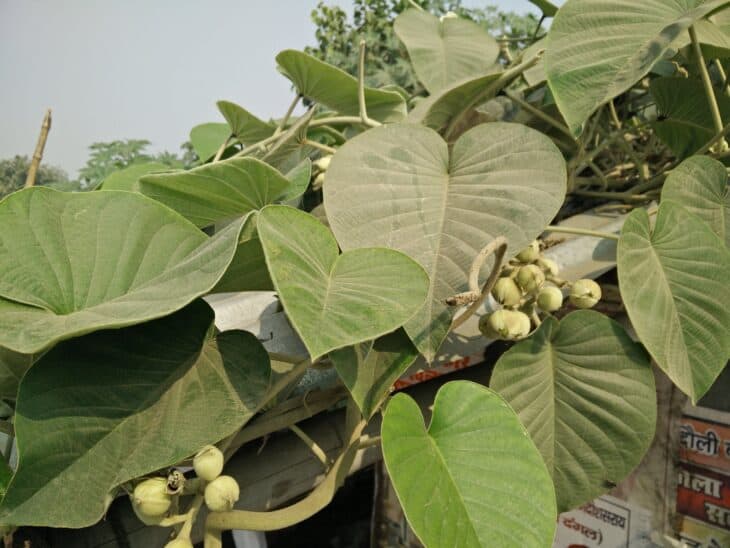
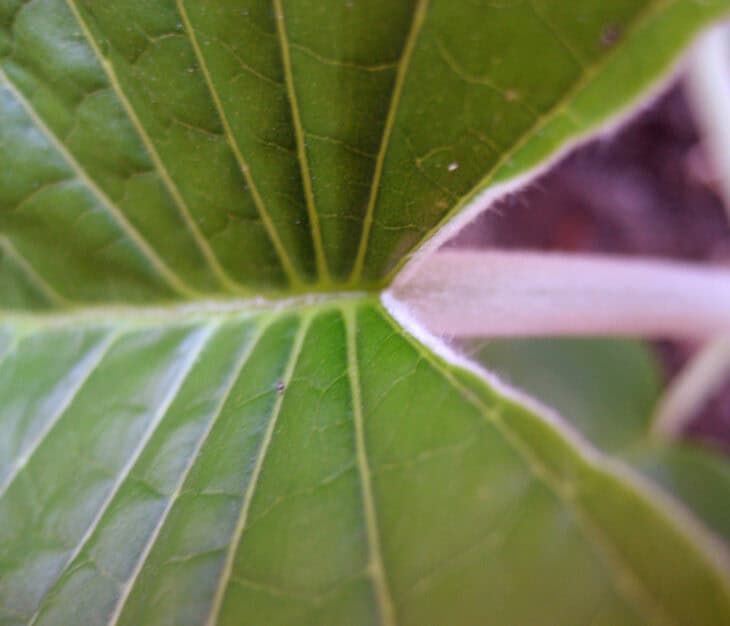
- Twining perennial vine with large heart shaped leaves.
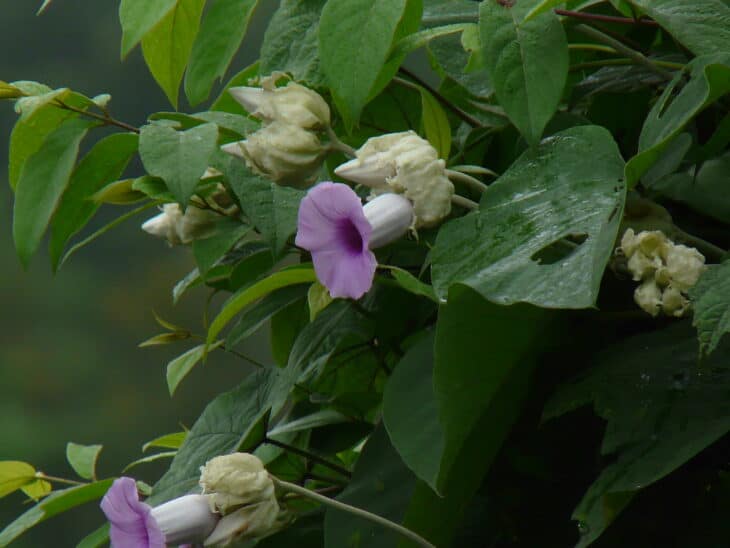
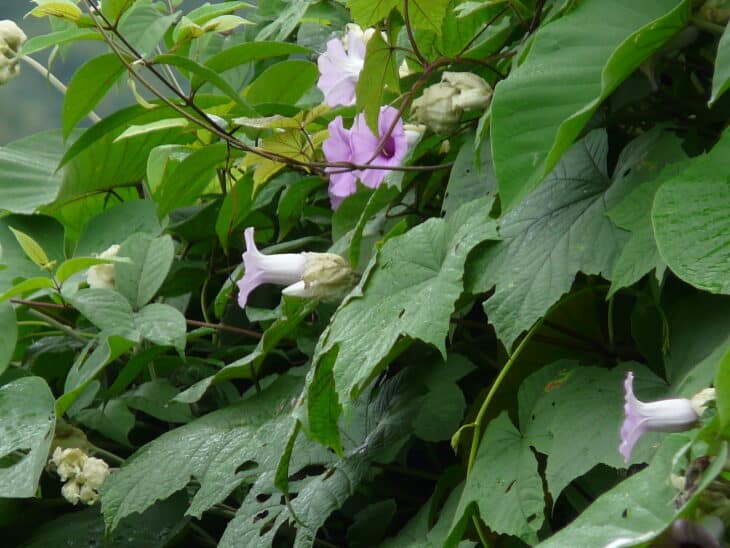
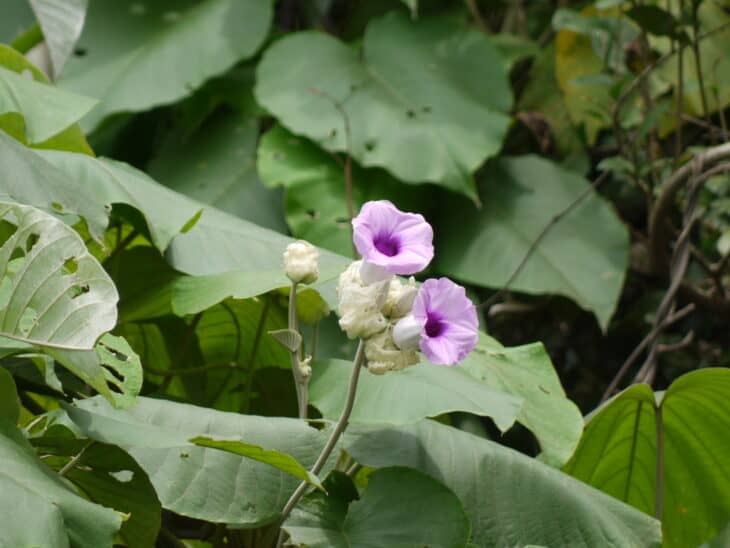
- Produces funnel shaped pink to purple flowers in summer.
- Native to the Indian subcontinent and naturalized in warm regions.
- Seeds have been used for their psychoactive ergoline alkaloids.
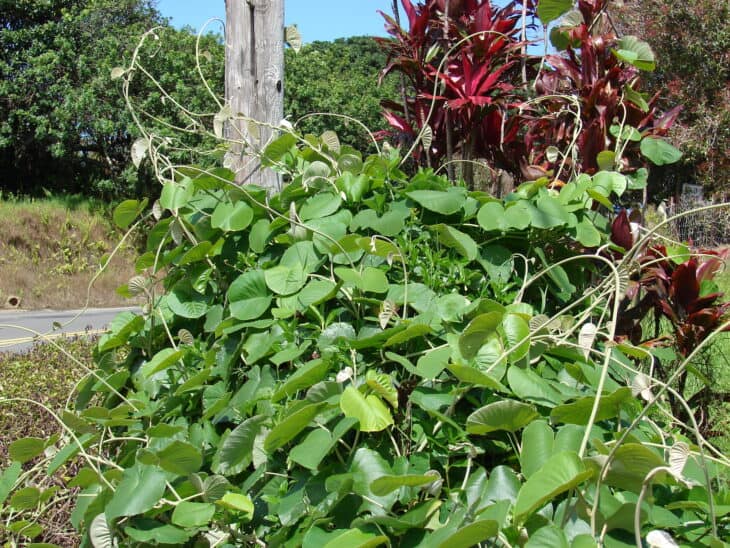
- Grown on trellises and pergolas as an ornamental climber.
- Prefers well drained soil and full sun to part shade.
- Propagated by seed or by softwood cuttings.
Woodrose is a vigorous twining perennial vine with large heart shaped leaves and showy funnel shaped pink to purple flowers in summer. It is grown as an ornamental climber on trellises and pergolas but its seeds contain psychoactive alkaloids so it is not a food plant.
Identification
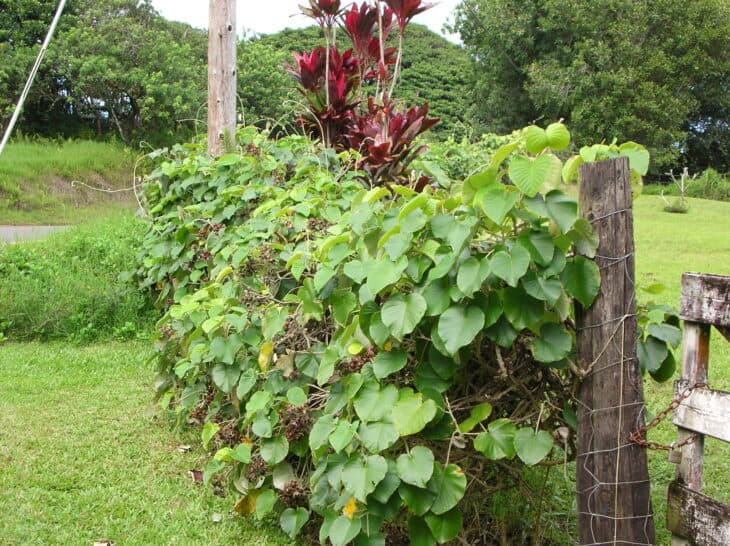
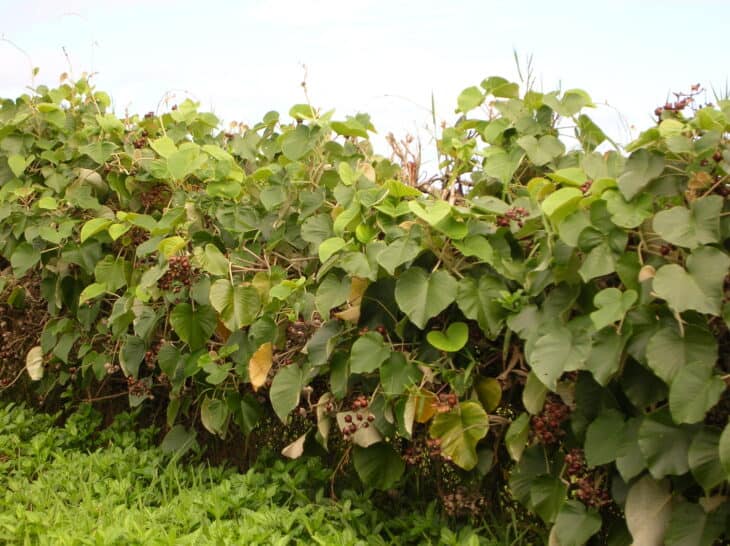
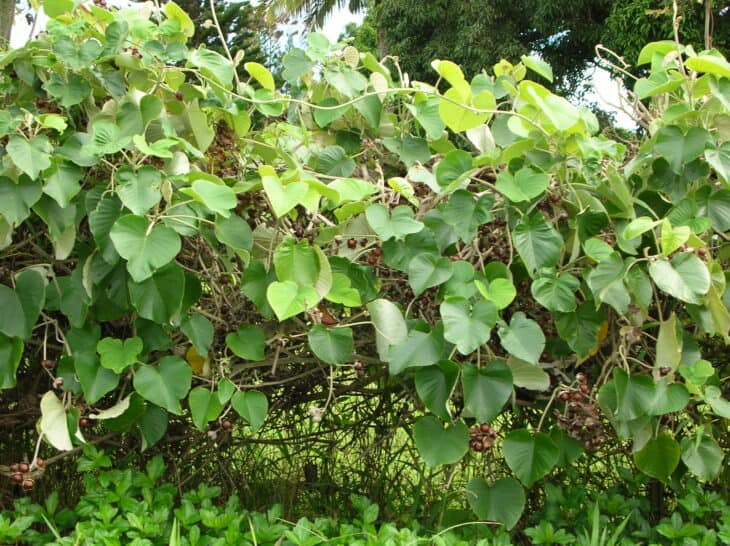
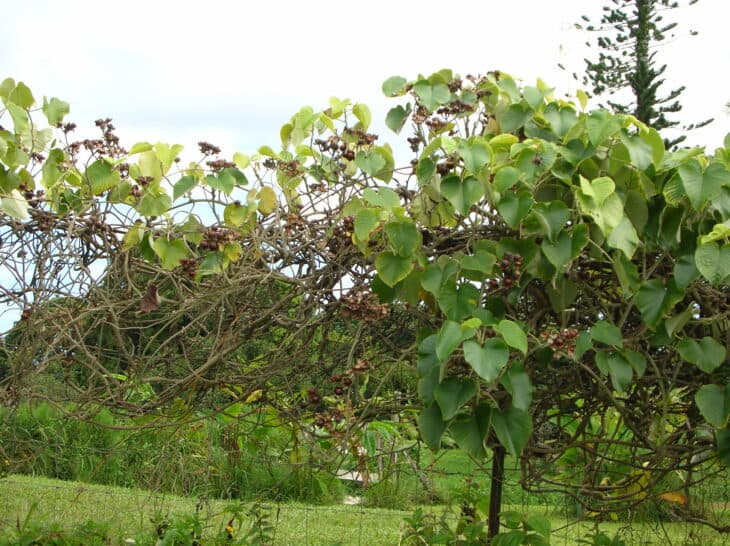
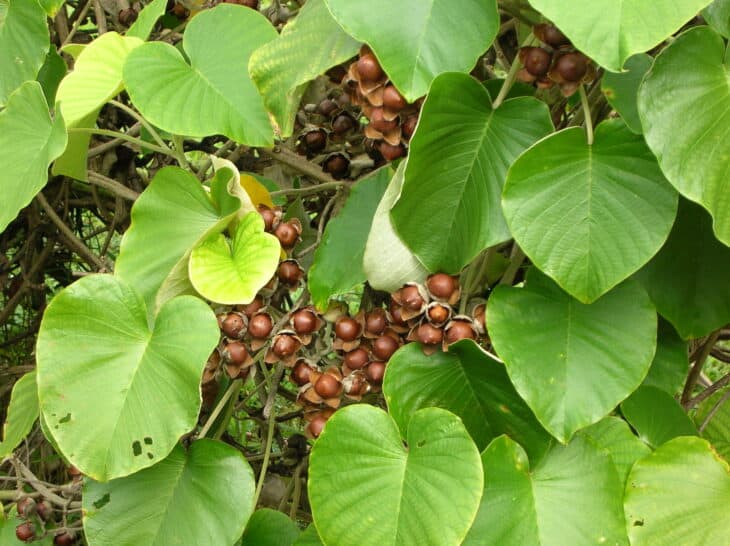
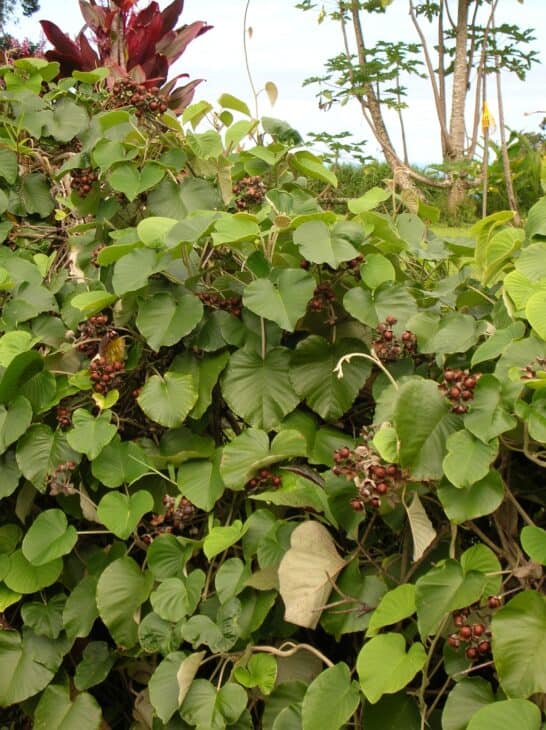
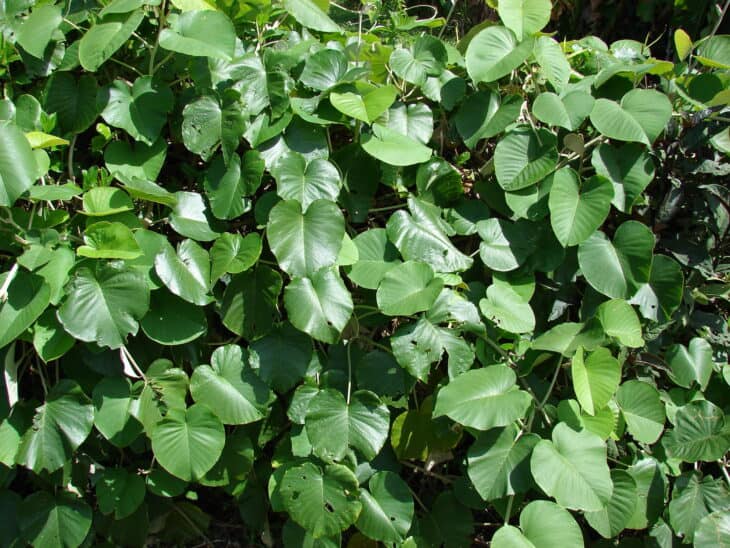
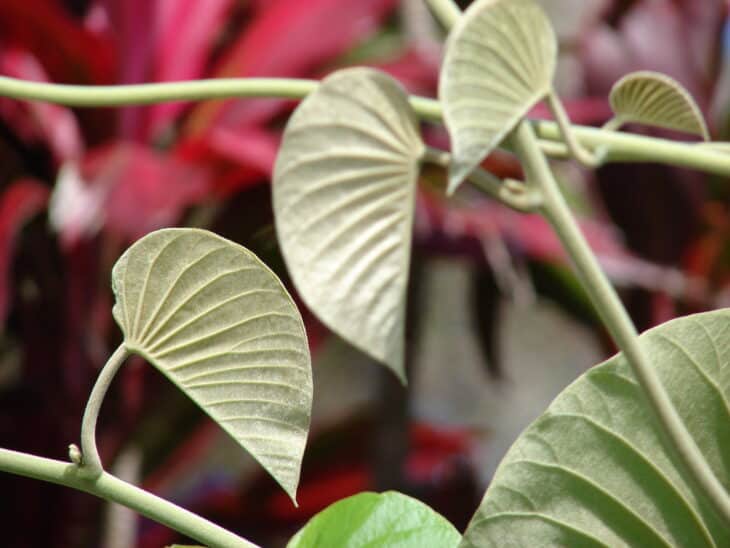
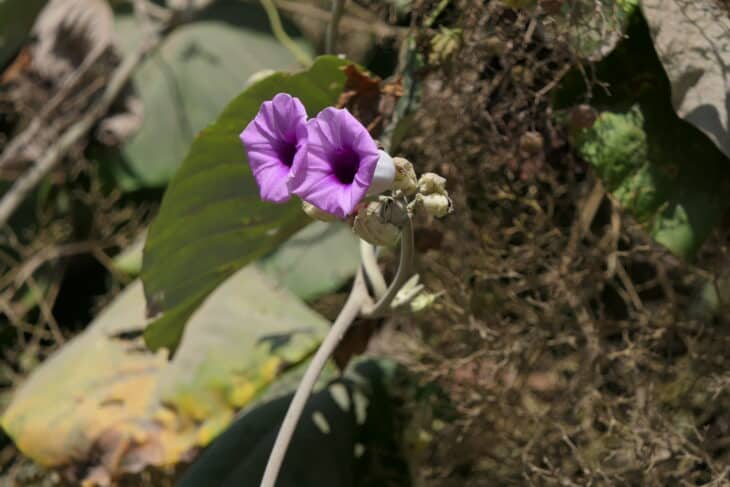
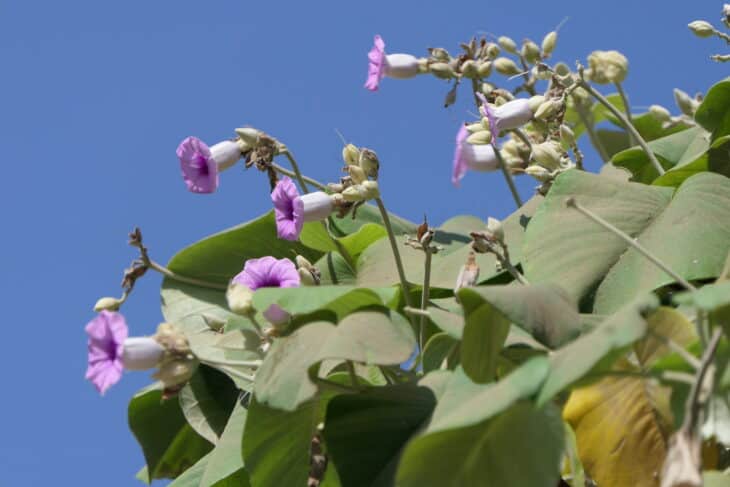
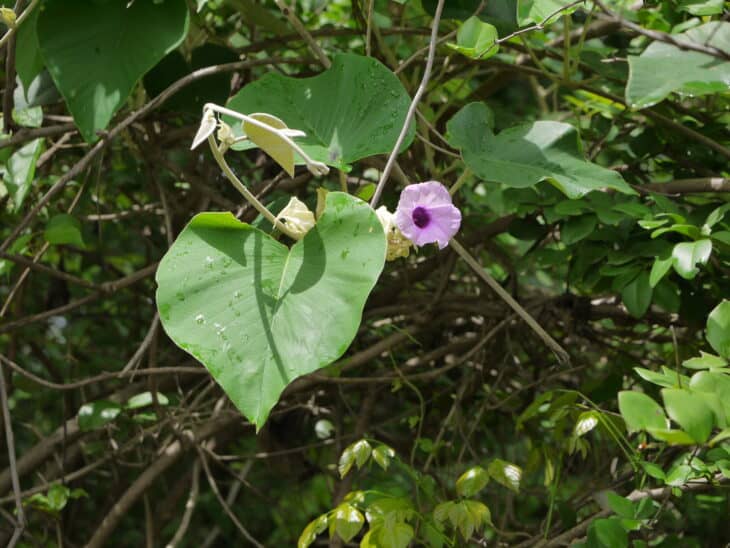
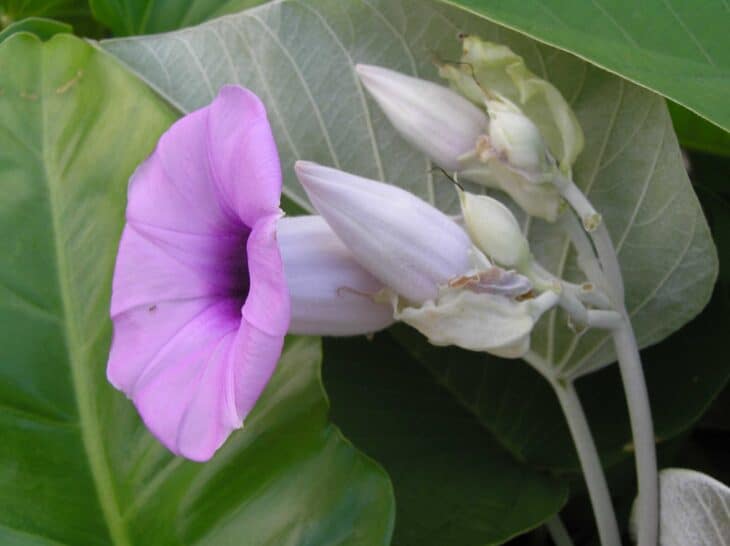
Woodrose Argyreia nervosa is a twining vine that can reach about 10 to 20 ft 3 to 6 m when given support. Leaves are large and heart shaped and the plant produces funnel shaped pink to purple flowers in summer to early fall in temperate climates.
Where to grow and main uses
Native to the Indian subcontinent and naturalized in warm regions Woodrose is most often used on trellises pergolas and other supports where its vigorous habit fills vertical space. In USDA zones 9 to 11 it can remain evergreen and spread vigorously while in cooler zones it is usually treated as a tender perennial or grown with winter protection.
Light soil and watering
Woodrose prefers full sun to part shade and flowers best in full sun. It favors fertile well drained soil and tolerates poor soils and moderate drought. Waterlogged soil can cause root loss and poor flowering so improve drainage where needed.
Planting and propagation
Propagate by seed or by softwood cuttings. Seeds germinate readily under warm conditions and cuttings root more reliably in warm humid situations. Provide a sturdy support at planting since the vine climbs quickly and needs something to twine around as it grows.
Maintenance and after flowering care
Prune to shape and to limit spread. Cutting back after flowering keeps the vine tidy and helps prevent it from overtopping nearby plants. Remove spent flower clusters and seedpods if you want to limit self seeding and to lower the chance that children or pets encounter the seeds.
Controlling spread and naturalizing
Woodrose can naturalize and spread vigorously in warm climates. Regular pruning removal of seedlings and avoiding escape of seedpods are the main ways to control spread. Locate plants where a climbing habit will not smother or overgrow nearby trees and shrubs.
Safety and toxicity
The seeds contain ergoline alkaloids and have been used as psychoactive substances. Do not eat the seeds and keep them away from children and pets. Verify toxicology concerns with local poison control before publishing safety instructions in your area.
Frequently asked questions
- How fast does Woodrose/Elephant Creeper grow?
- Growth is described as vigorous and rate depends on temperature support and light. With warm conditions and a support it can reach several metres over a few growing seasons.
- Is Woodrose invasive?
- In warm regions it can naturalize and spread vigorously. Control comes from regular pruning removing seedlings and preventing seed dispersal.
- Can Woodrose grow in part shade?
- Yes it tolerates part shade but it flowers best in full sun. In shade the vine may produce more leaf growth and fewer flowers.
- How should I propagate Woodrose?
- Use seed or softwood cuttings. Seeds germinate readily in warm conditions and cuttings root well when kept warm and humid.
- Are the seeds poisonous?
- Seeds contain ergoline alkaloids that can be psychoactive and can cause adverse effects. Do not use seeds as food and keep them away from children and pets.
Gallery
Related Plants


Mentioned In (1)

Plants
24 Poisonous Plants in Florida
When we think about plants, we usually think about how magnificent and beautiful they are. They are a source of…