
Key Facts
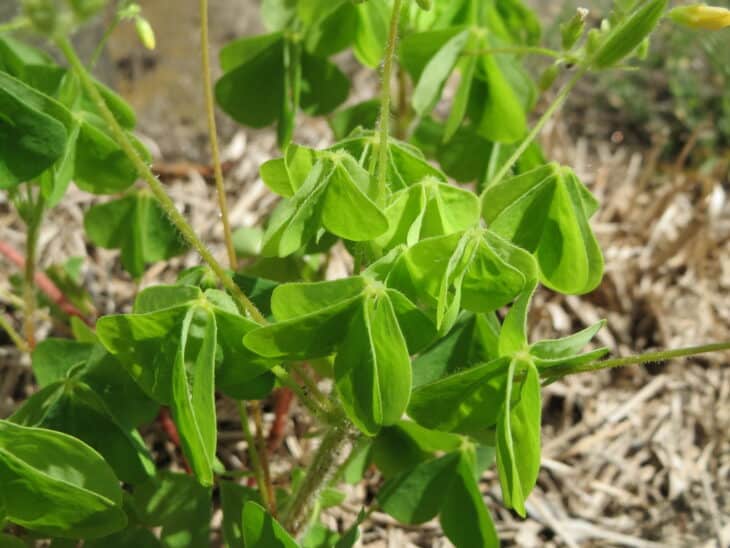
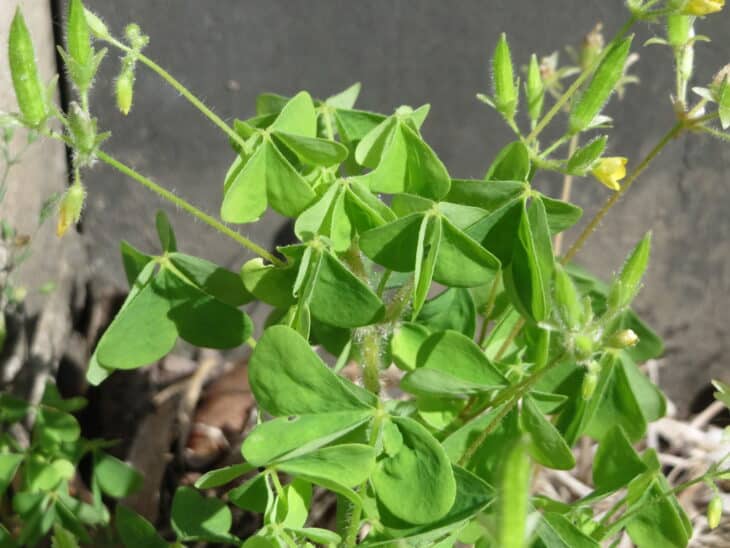
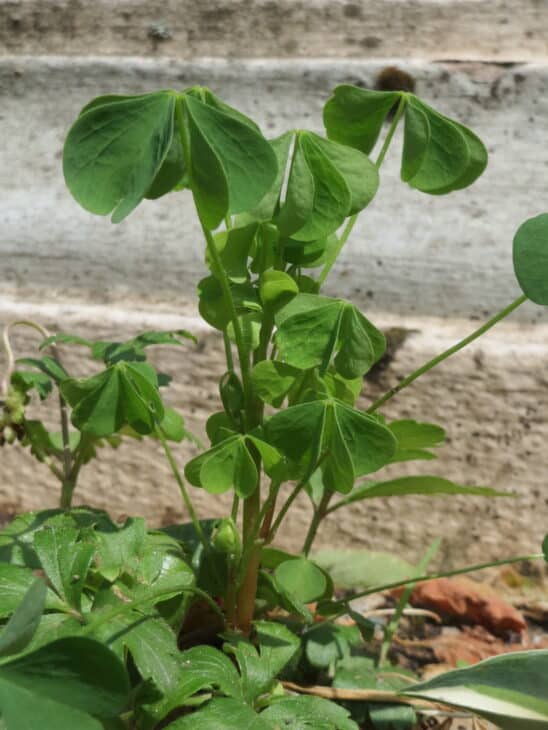
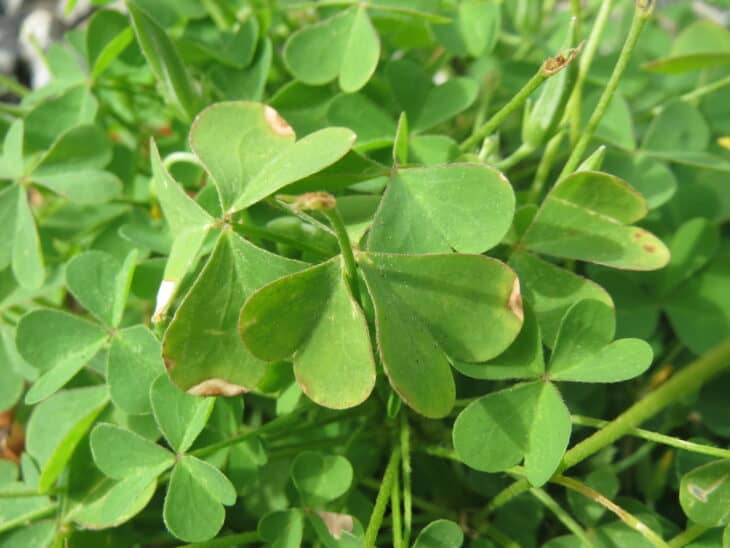
- Small herbaceous plant with trifoliate cloverlike leaves.
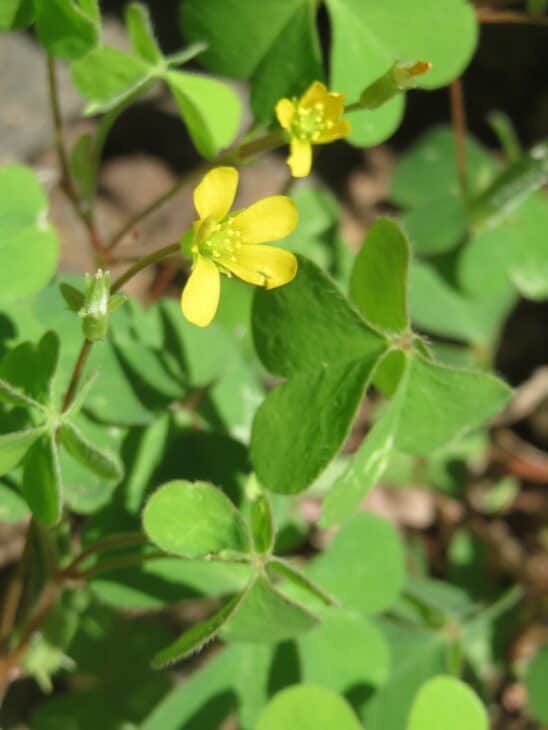
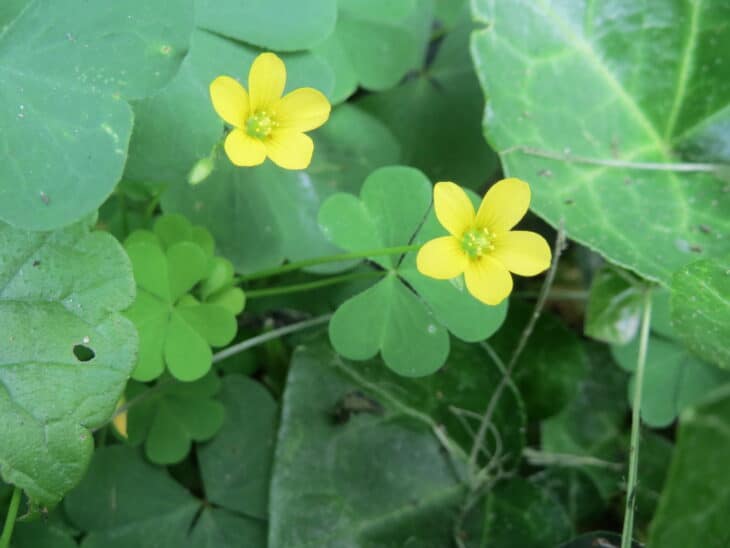
- Yellow five petaled flowers that open in sun.
- Produces slender seed pods that can eject seeds.
- Sour citrus like taste from naturally occurring oxalic acid.
- Native to large parts of North America and common in disturbed sites.
- Spreads by seed and by creeping stems or stolons.
- Often regarded as a lawn or garden weed but can be edible in small amounts.
Yellowwood Sorrel is a low growing herb with cloverlike trifoliate leaves and small yellow flowers that open in sun. It forms mats through seed and creeping stems and has a sour citrus taste from oxalic acid, which makes it both an edible garnish in small amounts and an occasional lawn weed.
Identification
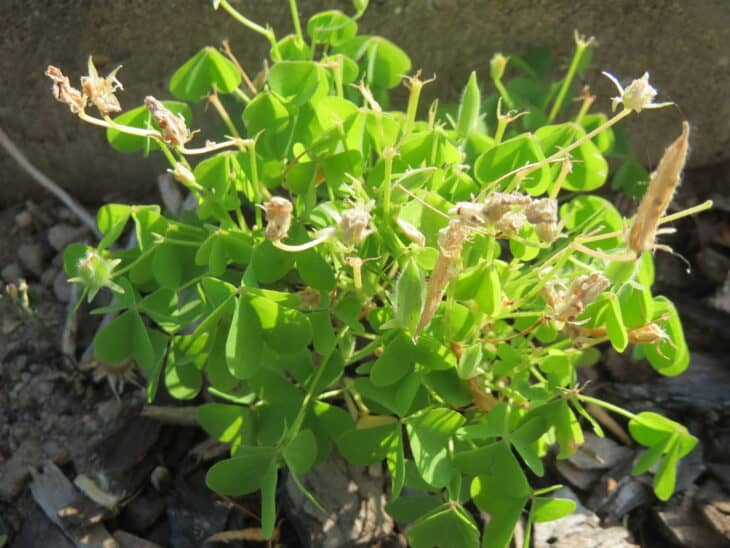
Look for three rounded leaflets that fold at night and bright yellow five petaled flowers on thin stalks. Plants reach about 2 to 6 inches tall and can spread 6 to 12 inches or wider when allowed to form colonies. Seed pods are slender and can eject seeds when ripe.
Best uses and where to grow
Works as a low groundcover in informal or naturalized sites and fills bare patches in disturbed soil where other plants struggle. It prefers sunny to partly shaded spots and tolerates poor soils, so expect stronger flowering in sun and persistence in compacted or sandy soil.
Planting and seasonal timing
Flowers appear from spring into early fall in many climates and plants set seed during warm months. Establishment follows the same warm season pattern, with new seedlings and creeping stems spreading during spring and summer when conditions favor growth.
Soil light and watering
Prefers well drained loamy to sandy soil and avoids waterlogged conditions. It tolerates low fertility and a range of pH. Full sun produces the most flowers while partial shade reduces bloom. Soggy soil reduces plant vigor and can limit spread.
After flowering and routine care
Remove seed pods before they burst to slow spread and deadhead flowers to reduce reseeding in lawns and beds. Occasional raking or light hand pulling keeps patches from overtaking desired plants. No special fertilizing is required for survival.
Controlling spread and naturalizing
Pull plants by hand ensuring stolons and crown pieces are removed to prevent regrowth. Mulch and maintain dense desirable vegetation to limit colonization of bare soil. Persistent patches are best controlled by removing seedheads and repeating hand removal during the growing season.
Propagation
Reproduces by seed and by creeping stems or stolons and forms colonies naturally. Seed pods may eject seeds some distance so allow naturalizing only where spread is acceptable. Where desired, sow seed into disturbed bare soil or transplant small colonies for quick cover.
Frequently asked questions
- How fast does Yellowwood Sorrel grow?
- It establishes quickly in disturbed or bare soil and spreads by seed and stolons to form mats roughly 6 to 12 inches wide. Speed depends on site conditions but expect rapid local spread in warm, sunny locations.
- Is Yellowwood Sorrel edible?
- Leaves taste sour due to oxalic acid and are eaten in small amounts as a garnish. Large quantities can cause stomach upset in people and can be harmful to pets, so treat edibility cautiously.
- What hardiness zones does it tolerate?
- Reported hardy from USDA zones 4 to 9 with greater winter dieback in colder zones and more persistent growth in warmer zones.
- Will it survive in shade?
- It tolerates partial shade but produces fewer flowers there than in full sun. It commonly appears in partly shaded yards and open disturbed sites.
Gallery
Related Plants


Mentioned In (1)
Plants
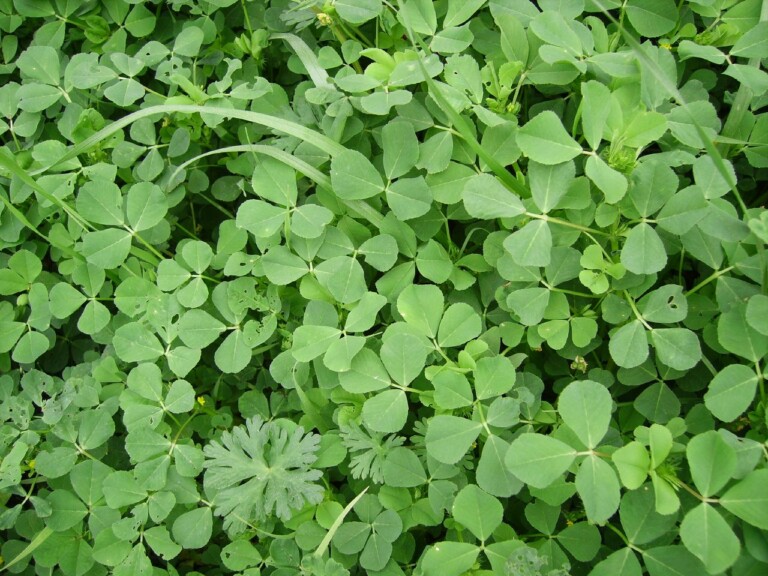
9 Plants That Look Like Clover (Including 2 That Are Clover)
The plants most often mistaken for clover are wood sorrels (Oxalis) and black medic. Wood sorrels have heart-shaped leaflets that…