
Key Facts
- Woody climbing vine in the Hydrangeaceae family.
- Clings to supports with aerial rootlets and twining stems.
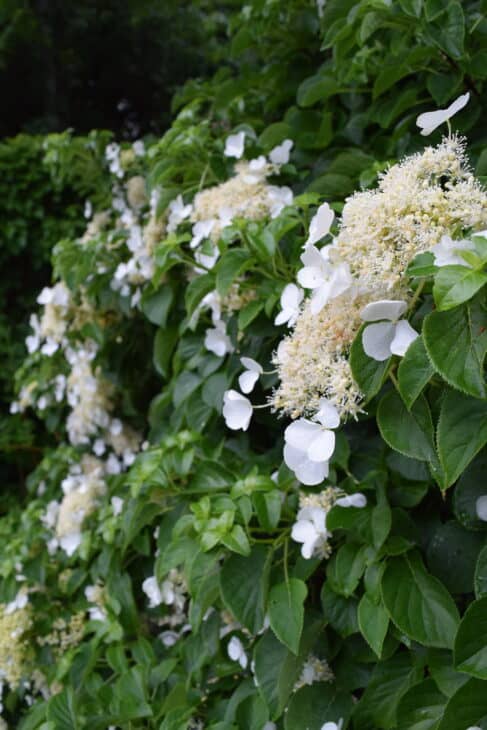
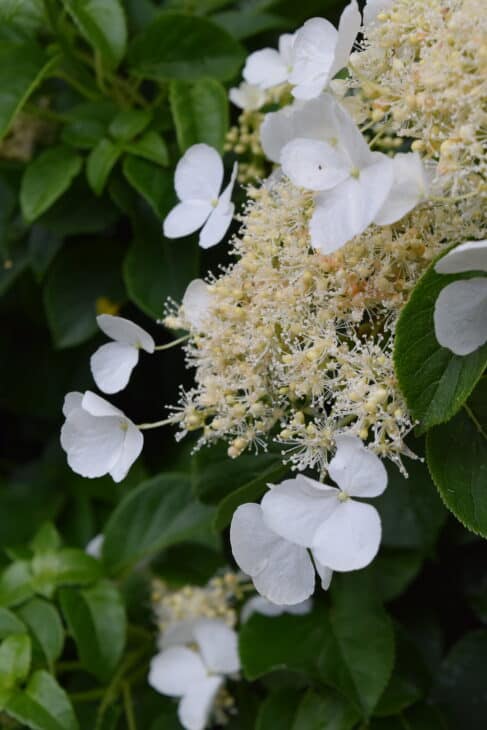
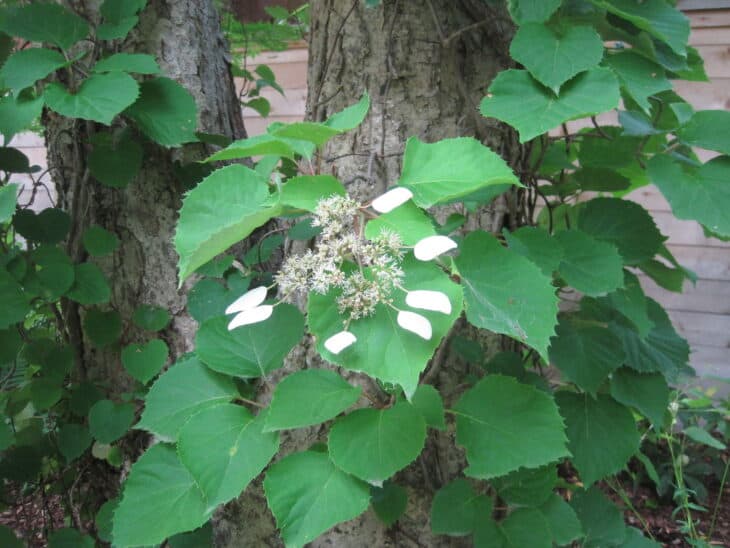
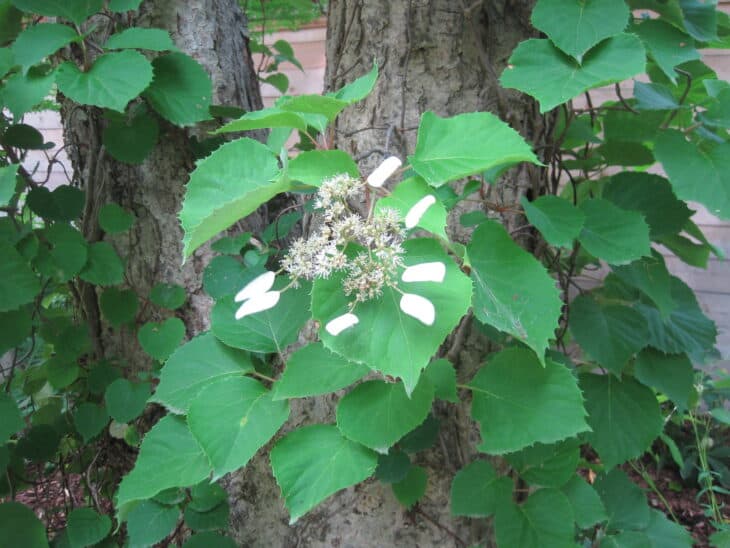
- Produces flat clusters of white to creamy flowers in late spring to early summer.
- Deciduous in colder climates and more persistent in mild winters.
- Prefers rich moist well drained soil.
- Performs best in part shade to full shade.
- Commonly propagated by layering and stem cuttings.
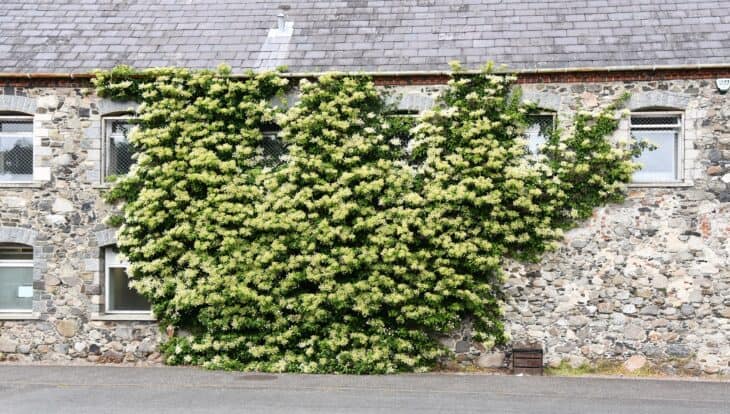
Climbing Hydrangea Decumaria barbara is a woody vine in the Hydrangeaceae family used to cover walls trees and fences while producing flat clusters of white to creamy flowers in late spring to early summer. It performs best in part shade to full shade and prefers rich moist well drained soil which means site selection matters for long term success.
Identification
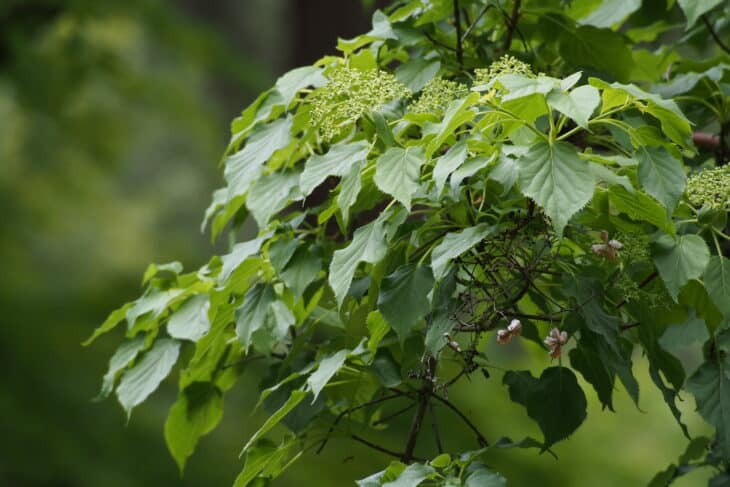
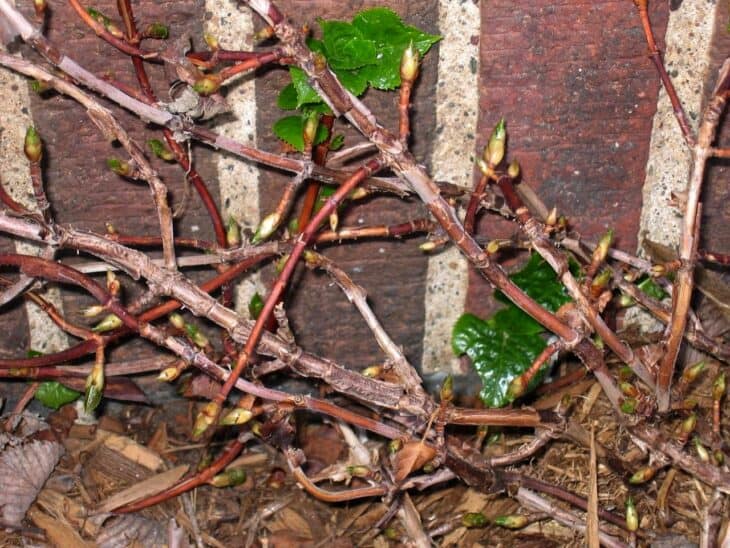
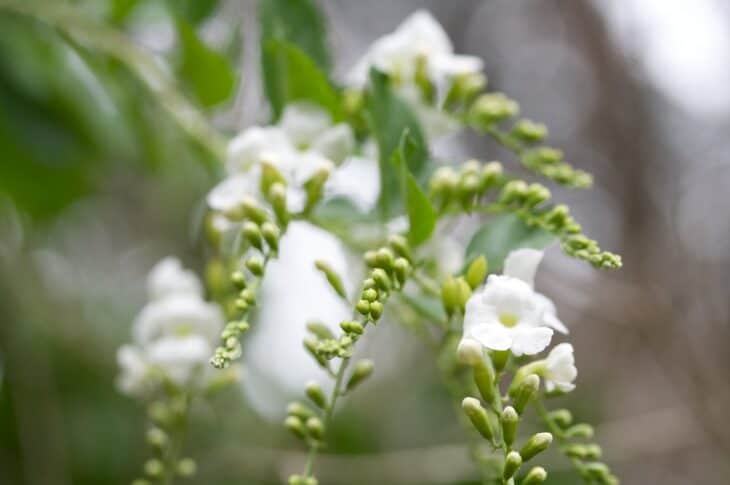
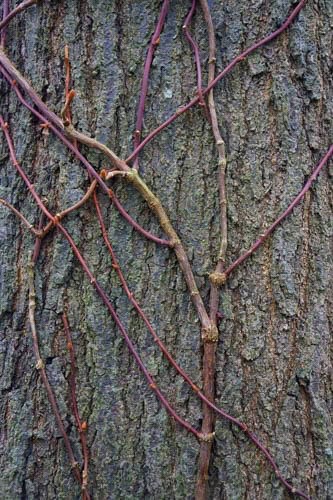
This vine clings to supports with aerial rootlets and also uses twining stems. Flowers are flat clusters of white to creamy florets that appear in late spring to early summer. Foliage is deciduous in colder climates and tends to remain longer in milder winters.
Where to grow and best uses
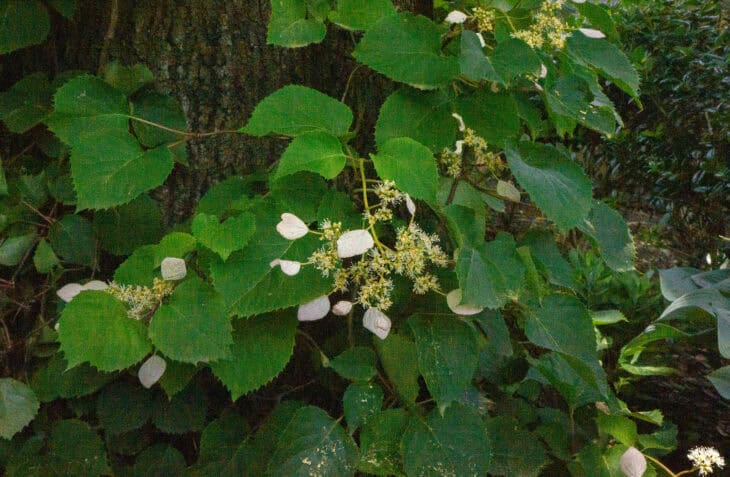
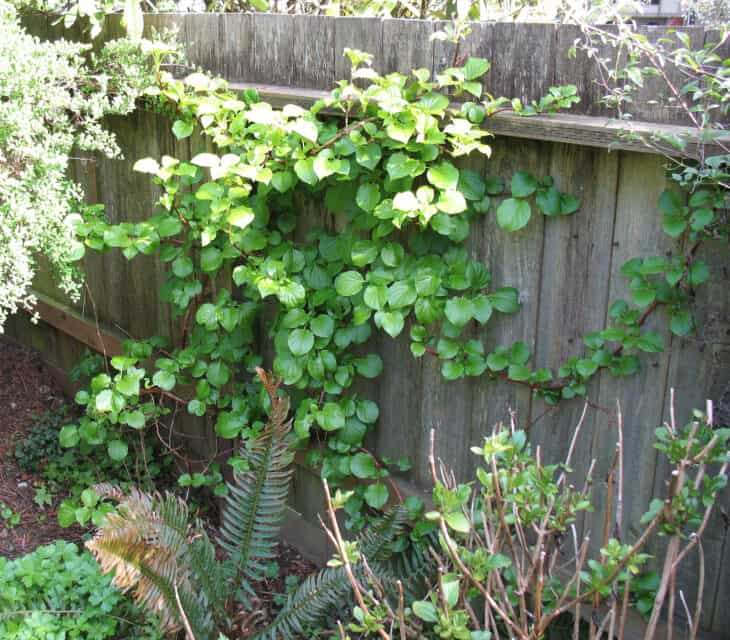
Use Climbing Hydrangea on masonry walls fences pergolas or large tree trunks where shade is present. It will tolerate morning sun but avoid hot afternoon sun in warm sites. The plant can form broad coverage when trained so allow space or plan for regular pruning if you want a controlled shape.
Soil and planting
Choose a site with rich moist well drained soil. Improve poor or very sandy soil with organic matter to retain moisture and maintain drainage. Avoid compacted or poorly drained locations because these conditions can lead to decline and root problems.
Watering and care
Keep the soil evenly moist during establishment and water in dry spells to prevent stress. Mulch the root zone to conserve moisture and moderate soil temperature. Annual top dressing with compost helps maintain fertility without heavy feeding.
Training pruning and after flowering care
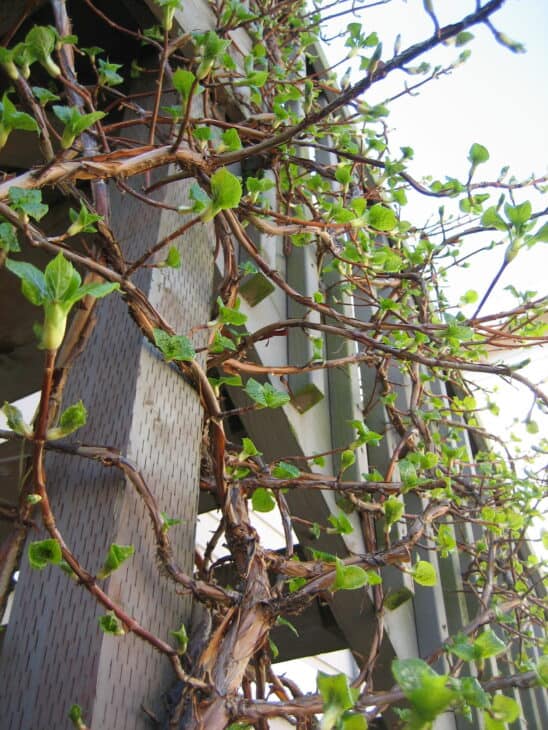
Train new shoots onto the support so the vine attaches with aerial rootlets and twining stems. Prune to control spread and remove dead wood after flowering so the plant can put energy into new shoots. Regular pruning keeps coverage tidy and prevents smothering of underlying surfaces or plants.
Propagation
Common methods include layering and stem cuttings. Botanic garden guides recommend semi ripe or hardwood cuttings and simple layering for reliable results.
Pests diseases and toxicity
Maintain good site conditions to avoid decline. Members of the Hydrangeaceae family can contain cyanogenic compounds so the plant may be toxic if ingested by pets or people. Verify specific risks for Decumaria barbara with local poison control or veterinary resources.
Containers and indoor use
Climbing Hydrangea is primarily an outdoor climber for permanent supports and large structures. It is not commonly grown as a small container or houseplant because it needs room to climb and consistent moisture.
Frequently asked questions
- How fast does Climbing Hydrangea grow?
- Growth rate is moderate and varies with light soil and climate. Left unpruned it can develop broad coverage on walls and supports.
- When does it bloom?
- Blooming occurs in late spring to early summer though exact months shift with local climate.
- Is Climbing Hydrangea toxic to pets?
- It may be toxic if ingested because Hydrangeaceae can contain cyanogenic compounds. Check with poison control or your veterinarian for specifics about Decumaria barbara.
- How do I propagate this vine?
- Layering and stem cuttings are commonly used and are effective for woody climbers like this species.
- Will it damage walls or trees?
- The vine clings with rootlets and twining stems and can form dense coverage. Monitor growth and prune to protect bark and built surfaces.
Gallery
Related Plants


Mentioned In (1)

Plants
10 Plants That Look Like Virginia Creeper
The Virginia Creeper (Parthenocissus Quinquefolia) is a vine plant. It's part of the grape family and produces small, grape-like purple…