
Key Facts
- Native to western North America from British Columbia to Baja California.
- Grows as a shrub or a climbing vine depending on site.
- Leaves composed of three leaflets that may be lobed or toothed.
- Produces small yellow green flowers in spring and white drupes later.
- Contains urushiol oil that causes allergic contact dermatitis in humans.
- Reproduces by seed and by resprouting from root crowns and nearby roots.
- Common in forest edges, chaparral, and disturbed sites.
Poison oak (Toxicodendron diversilobum) is a western North American shrub or climbing vine that contains urushiol oil which causes allergic skin reactions. It produces small yellow green flowers in spring and later bears white drupes and can spread by seed and by resprouting from roots.
Identification and size
Leaves come in threes with leaflets that may be lobed or toothed. Plants occur as low shrubs or as vines that climb trees in shade. Typical height ranges from about 3 to 10 feet depending on form and site and individual plants commonly form patches that spread about 3 to 8 feet but can extend into larger thickets by root sprouting.
Where it grows and practical uses
Native from British Columbia to Baja California poison oak is common on forest edges chaparral and disturbed sites. It is used by wildlife for cover and food in wildland settings and it can help stabilize dry slopes. It is not recommended for managed yards near people or pets because urushiol causes allergic dermatitis and clothing and animals can transfer the oil.
Growing conditions and seasonal notes
Plants tolerate full sun to full shade and shift form according to light with shrubby growth in sun and climbing behavior in shady woods. They prefer well drained sandy to loamy soils and tolerate dry rocky sites. Poor drainage tends to reduce vigor and may increase root disease. Flowers appear in spring with timing that varies by latitude and elevation.
Planting and spacing guidance
Intentional planting is generally discouraged because of toxicity and the tendency to form clonal patches. If managing plants for restoration or wildlife use space plantings roughly equal to the typical spread of 3 to 8 feet so clonal groups have room to develop. Propagation occurs by seed and by resprouting from root crowns and nearby roots so plan for resprout control when plants are established.
Watering and after flowering care
Once established poison oak is drought tolerant and needs little supplemental water. Overwatering or poorly drained soil will reduce vigor and increase susceptibility to root problems. After flowering monitor for seed set and bird dispersed drupes if the goal is to limit spread. Cutting tops without addressing root crowns and roots will usually cause rapid resprouting.
Controlling spread and safety
Wear protective clothing when handling live plants or removing debris because urushiol causes allergic contact dermatitis in most people. Pets can carry oil on fur and spread it to people. Removal that leaves root fragments will commonly cause resprouting so dig out roots when possible or use repeat treatments for persistent sprouts. Dispose of material carefully and wash tools and clothing that contacted plants. For severe exposure or ingestion contact local poison control or medical services.
Frequently asked questions
- How fast does poison oak grow?
- Growth rate varies with site and climate. In warm dry sites and where roots remain intact plants can resprout quickly and form thickets. In shade the vine form can climb trees and reach greater heights.
- How can I tell poison oak from other three leaflet plants?
- Look for leaves in threes with leaflets that may be lobed or toothed and the plant habit which can be a low shrub or a climber. Spring flowers are small and yellow green and fruits are white drupes.
- Can I plant poison oak in a garden?
- Because urushiol causes allergic reactions and plants spread clonally planting in managed yards is not recommended. It is better suited to natural restoration or wildlife corridors away from people and pets.
- What is the best way to remove a patch?
- Removal that eliminates roots is most effective since plants regrow from root crowns and nearby roots. Wear protective gear avoid burning material and wash tools and clothing after work. Recheck the site for sprouts and remove them promptly.
- What first aid is recommended for skin exposure?
- Rinse skin and clothing with water and follow local medical or poison control guidance for treatment. Seek professional help for severe reactions or if oil may have been ingested.
Related Plants


Mentioned In (22)

Plants
10 Plants That Look Like Virginia Creeper
The Virginia Creeper (Parthenocissus Quinquefolia) is a vine plant. It's part of the grape family and produces small, grape-like purple…
Plants
25 Poisonous Plants in Pennsylvania
Pennsylvania has a diverse landscape that grows many varieties of flora, including a large variety of vines, trees, and shrubs.…

Plants
25 Poisonous Plants in North Carolina
North Carolina is home to hundreds of different species of poisonous plants. While some of these plants are more common…
Plants
23 Poisonous Plants in New Mexico
New Mexico is a State in the United States of America that is located in the Southwestern region. It is…
Plants
25 Poisonous Plants in Washington State
Native and imported plants are abundantly found in Washington State. Animals and humans should avoid eating these plants since they…
Plants
24 Poisonous Plants in Alabama
There are dangers lurking in the world of toxic plants, even those that look harmless. Many plants contain poisons that…

Plants
25 Poisonous Plants in Illinois
Want to increase your knowledge of the poisonous plants in Illinois? The Prairie State is home to a large variety…

Plants
24 Poisonous Plants in Tennessee
Interested in learning about the poisonous plants in Tennessee to protect yourself when hiking the great outdoors in the state?…
Plants
23 Poisonous Plants in Arkansas
Arkansas is home to a wide range of flora that may be found in backyards, fields, forests, and hiking routes.…

Plants
14 Poisonous Plants in South Carolina
South Carolina is blessed with a vast array of some of the most stunning flora and fauna, with vivid hues…
Plants
15 Poisonous Plants in Kentucky
Even though plants are an essential part of our world, and they add beauty, color, and uniqueness to diverse landscapes…

Plants
21 Poisonous Plants in Maryland
When the warmer weather nears, many people may look forward to spending more time outdoors, which also includes natural landscapes…
Plants
16 Poisonous Plants in Maine
There are thousands of poisonous plant species in the world, and some might even be in your backyard, locality, city,…

Plants
19 Poisonous Plants in Missouri
Accidental poisonings by toxic plants throughout the United States are extremely common, estimated to be about 2 million every year.…

Plants
18 Poisonous Plants in Nevada
The large State of Nevada is located in the country's Western region. Its borders meet Oregon, California, Idaho, Arizona, and…

Plants
15 Poisonous Plants in Mississippi
According to the American Association of Poison Control Centers, two individuals in the United States died as a result of…
Plants
20 Poisonous Plants in Minnesota
The presence of vegetation contributes to the survival of life. In our regular diet, we consume a variety of plants,…

Plants
24 Poisonous Plants in Oklahoma
You can find several types of poisonous plants in the state of Oklahoma in a variety of natural landscapes. So,…

Plants
12 Poisonous Plants in Oregon
There are numerous poisonous plants in the state of Oregon. They can be toxic to both animals and humans. Other…

Plants
22 Poisonous Plants in Michigan
Known for its beautiful outdoor adventures, tourists and locals love spending their time hiking in Michigan. The weather is always…
Plants
22 Poisonous Plants in Ohio
Ohio is home to some of the most interesting and unique wildflowers as well as some of the most dangerous…
Plants
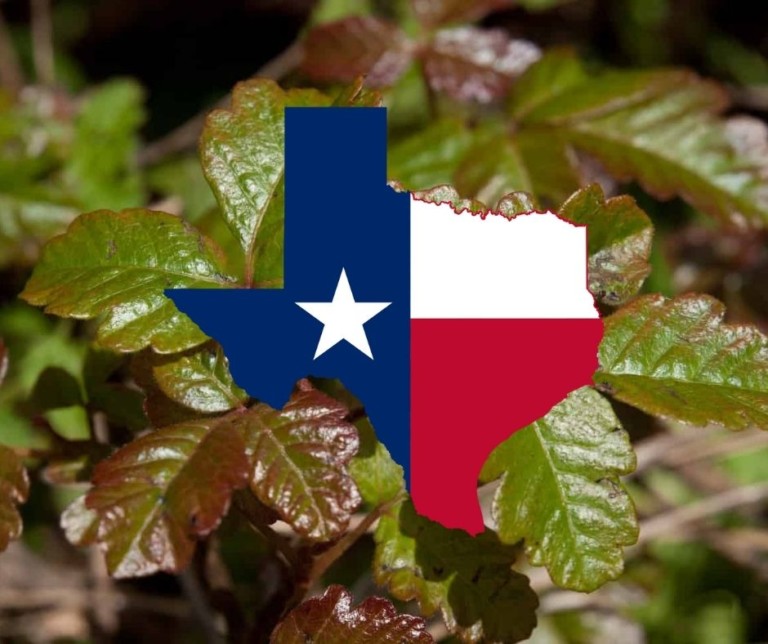
24 Poisonous Plants in Texas
If you live in Texas or are visiting and you love mother nature, be prepared to run into at least…