
Key Facts
- Spring‑flowering bulb that naturalizes in lawns and beds.
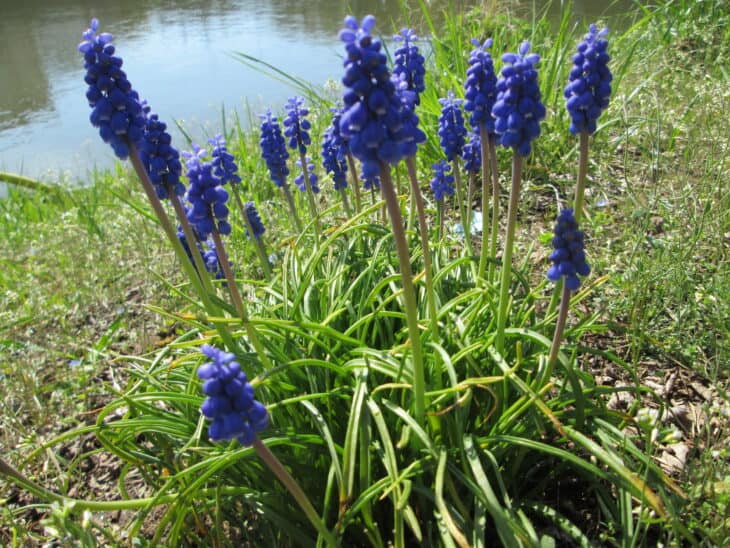
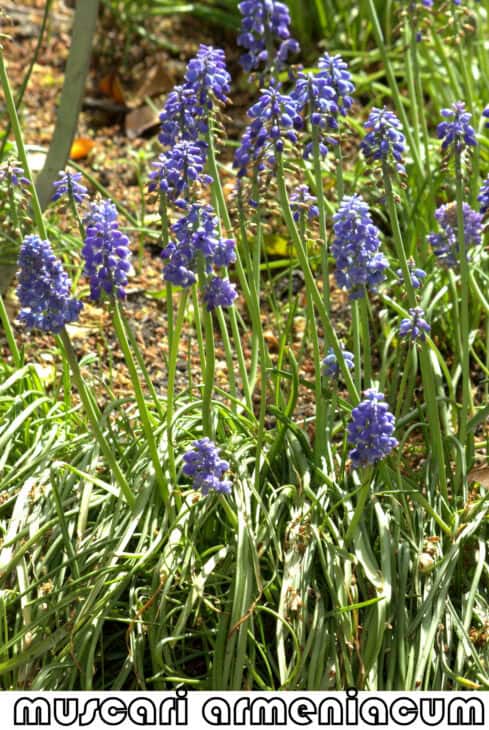
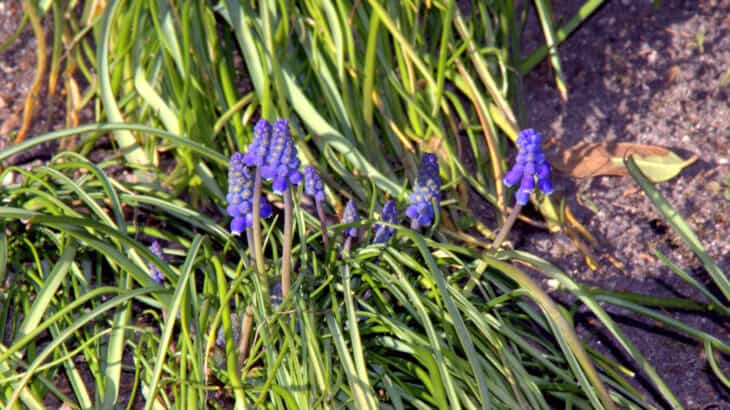
- Compact clumps of straplike leaves with dense conical flower clusters.
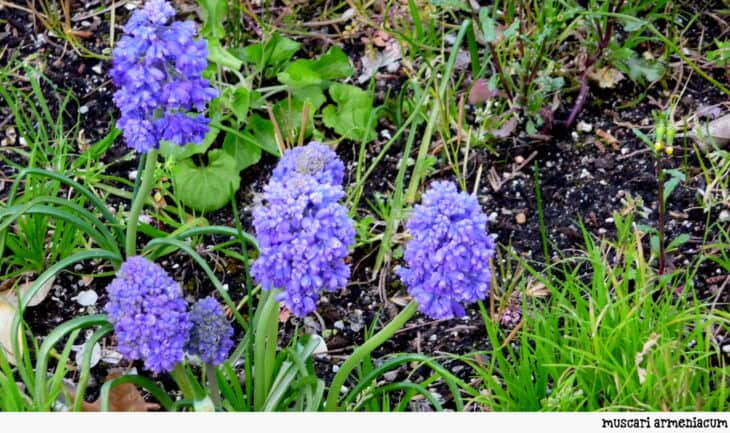
- Flowers typically blue but white and pale variants exist.
- Forms offsets and spreads slowly by bulb division.
- Tolerates a range of garden soils but dislikes waterlogged conditions.
- Grows in full sun to part shade.
- Often used at front of borders, in rock gardens and under trees.
- Bulbs are reported to cause mild stomach upset if ingested.
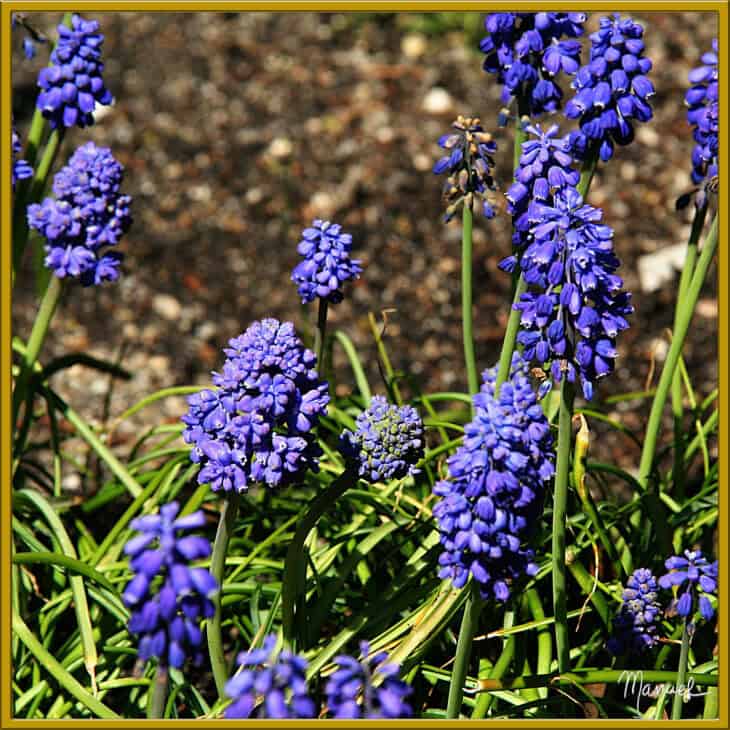
Grape Hyacinth (Muscari armeniacum) is a springflowering bulb that forms compact clumps topped with dense conical clusters of small bell flowers. It naturalizes in lawns and beds and is commonly used at the front of borders, in rock gardens and under trees, but it dislikes waterlogged soil.
Identification
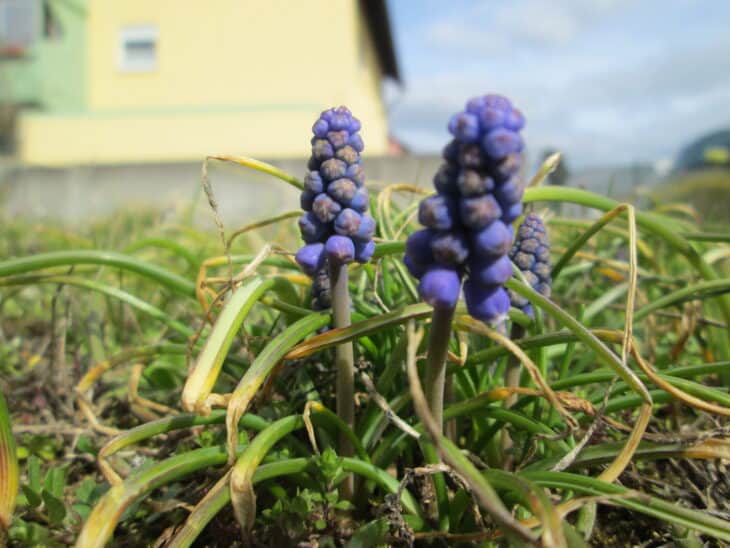
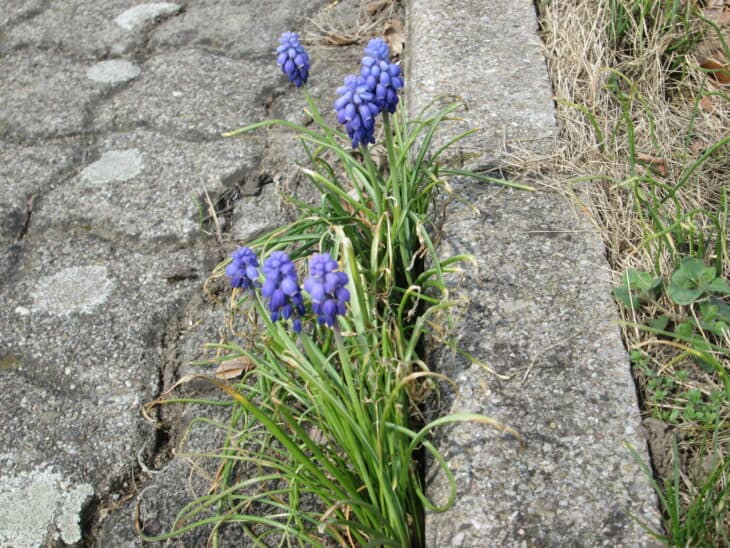
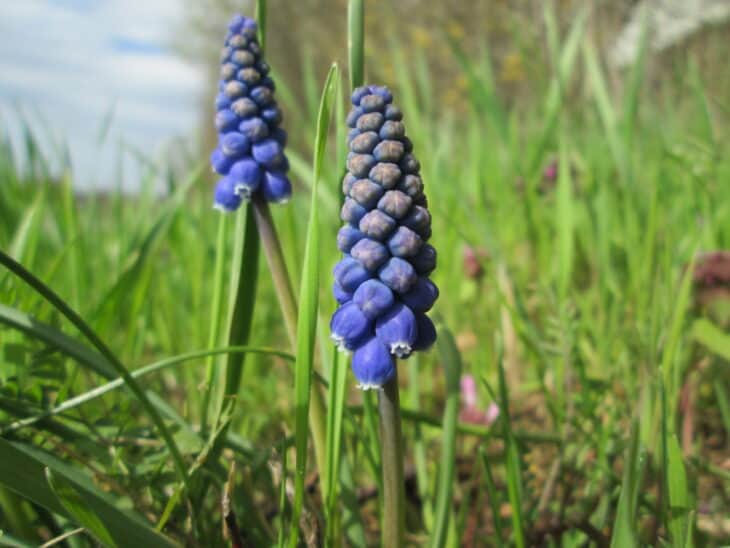
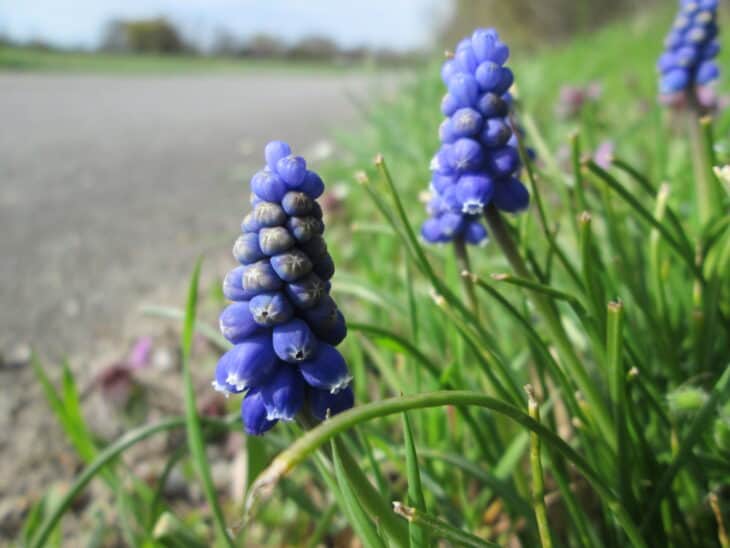
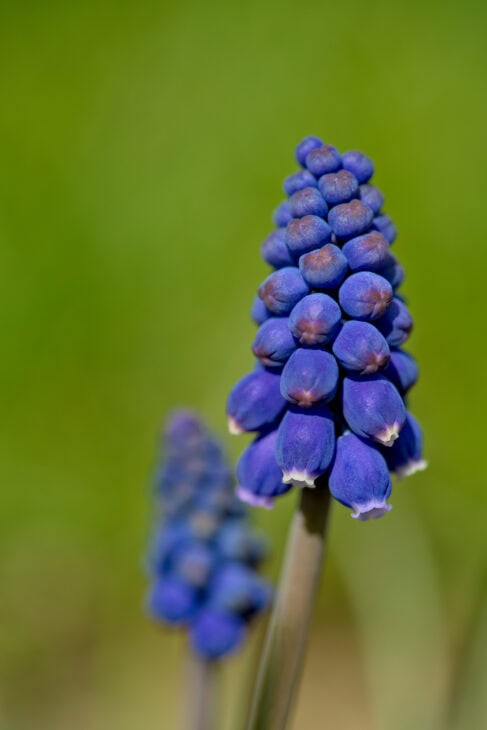
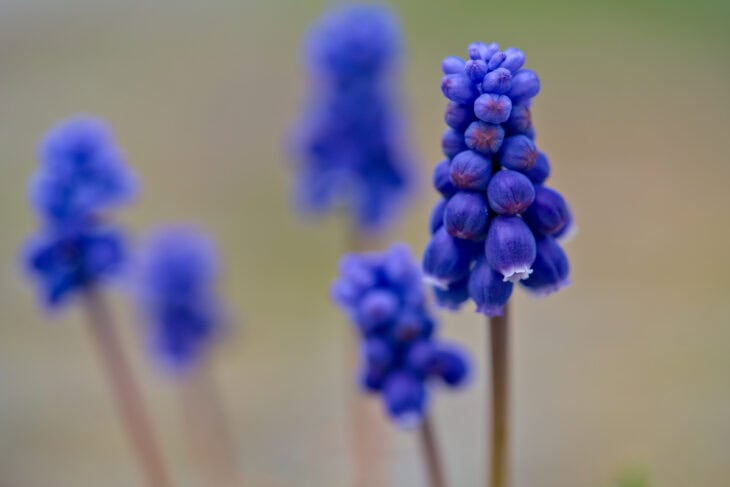
Short plants about 68 inches tall with straplike leaves and tight clusters of urn-shaped flowers. Flowers are typically blue though white and pale variants exist. A single clump typically spreads 48 inches before forming larger colonies over time.
Where to grow and common uses
Grows in full sun to part shade and performs best in sites that stay reasonably dry in summer. Use Grape Hyacinth at the front of mixed borders, in rock gardens, beneath deciduous trees where spring light reaches them, or allowed to naturalize in a lawn.
Soil and watering
Prefers welldrained garden soil of average fertility and tolerates neutral to slightly alkaline conditions. Avoid heavy wet soils since soggy conditions can cause bulb rot and poor naturalizing.
Planting and seasonal notes
Plants bloom in spring; exact months depend on local climate. Timing for planting and bulb handling varies by region because plants rely on a cool dormant period in temperate climates.
After-flowering care and propagation
Allow foliage to die back naturally before removing leaves so bulbs can refill their reserves. Propagate by lifting and dividing offsets for true clones, or by seed for variation though seedlings take several years to flower.
Controlling spread
Muscari forms offsets and spreads slowly by bulb division to make colonies if left undisturbed. To limit expansion lift and divide clumps when they become crowded or remove bulbs from areas where you do not want them to naturalize.
Hardiness and size
Generally cold hardy in USDA zones 48 with some regional variation; in milder areas plants may naturalize more aggressively. Typical height is 68 inches and a clump spread is commonly 48 inches.
Safety
Bulbs are reported to cause mild gastrointestinal upset if ingested. Use caution with pets and children and consult local poison control or the ASPCA for specific pet toxicity information.
Frequently asked questions
- How fast does Grape Hyacinth grow?
- It spreads slowly by producing offsets and will enlarge a clump into a colony over several seasons. Seedlings take several years to reach flowering size.
- Will Grape Hyacinth take over my lawn?
- It naturalizes and can form noticeable patches over time but spreads relatively slowly. In milder climates colonies may expand more quickly than in colder regions.
- What hardiness zones are suitable?
- Typically listed for USDA zones 4 to 8, though regional conditions can extend or restrict that range.
- Are Grape Hyacinth bulbs toxic to pets?
- Bulbs have been reported to cause mild stomach upset if eaten. Confirm specifics with local poison control or the ASPCA.
- When should I divide Grape Hyacinth?
- Divide clumps after flowering or lift bulbs once the foliage has died back to control size or to propagate.
Gallery
Related Plants


