
Key Facts
- Large genus of aromatic herbs and shrubs with wide horticultural diversity.
- Includes culinary sage and many ornamental species.
- Flowers typically tubular and attractive to bees, hummingbirds and other pollinators.
- Most species prefer well drained soils and do not tolerate waterlogging.
- Many salvias are drought tolerant once established.
- Growth habit and hardiness vary widely by species.
- Common propagation methods are seed, softwood cuttings and division.
- Foliage can be evergreen, semi evergreen or deciduous depending on species and climate.
Salvia (Salvia spp.) is a large genus of aromatic herbs and shrubs grown for foliage and long flowering spikes. Species range from low clump forming perennials to woody shrubs so choose varieties to match beds, borders or pollinator gardens.
Identification and garden role
Salvias typically have tubular flowers held on spikes that attract bees and hummingbirds. Foliage can be evergreen, semi evergreen or deciduous depending on species. Many garden varieties grow about 62 in (1590 cm) tall though some shrub types reach higher.
Where to grow and best uses
Plant salvias in full sun for the best flower display; some tolerate light afternoon shade in hot climates. Use compact clumping types as edging or groundcover and taller types in mixed borders or pollinator patches. In warmer regions some species remain evergreen and bloom longer while tender species are treated as annuals in colder climates.
Hardiness and bloom
Hardiness varies by species. Many ornamental and perennial salvias are reliably hardy in USDA zones about 49. Tender species are treated as annuals in colder climates and may persist in zones 911. Flowering season varies with species and climate but many ornamental salvias bloom from late spring through fall with peak display in summer.
Soil and light
Choose a well drained site. Salvias prefer moderate fertility and tolerate poor or rocky soils. Avoid heavy clay and waterlogged sites which encourage root rot.
Planting and spacing
Place plants so each has room to reach its mature spread. Many salvias form clumps roughly 62 in (1590 cm) across but shrubby types may need more space. Plant at the same depth they grew in the pot and firm soil around roots to remove air pockets.
Watering and common problems
Water regularly after planting until roots establish. Many salvias are drought tolerant once established and need less frequent watering. Poor drainage or overwatering leads to root rot and winter dieback in cold climates. Insufficient sun causes reduced flowering and leggy growth.
After flowering and maintenance
Deadhead spent spikes to prolong bloom on many types. In late season cut back frost damaged stems in colder areas and divide clump forming perennials in spring or autumn to rejuvenate plants and control spread.
Propagation
Common methods are seed for annuals and some perennials, softwood cuttings for many ornamental cultivars, and division for clump forming types. Choose the method suited to the species and time of year.
Safety and selection notes
Toxicity varies by species. Culinary sage (Salvia officinalis) is used as food but some salvias can cause mild stomach upset if ingested or rare contact irritation. Check ASPCA listings or local poison control for species specific guidance before planting where children or pets frequent.
Frequently asked questions
- How fast does Salvia grow?
- Growth rate varies by species and conditions. Some annual or tender types reach mature size in a single season. Clumping perennials may take one or more seasons to fill a space.
- When do salvias bloom?
- Bloom timing depends on species and climate. Many ornamental salvias flower from late spring through fall with strong summer display.
- What soil do salvias need?
- They prefer well drained soil of moderate fertility and tolerate poorer, rocky soils. Avoid waterlogged sites that cause root rot.
- Can salvias be grown in containers?
- Yes. Use a free draining mix and do not overwater. Choose a cultivar sized for pots and provide full sun for best flowering.
- How do I control spread or naturalizing?
- Divide clump forming salvias to reduce spread and remove unwanted seedlings. Check species notes for aggressive habits before planting.
Gallery
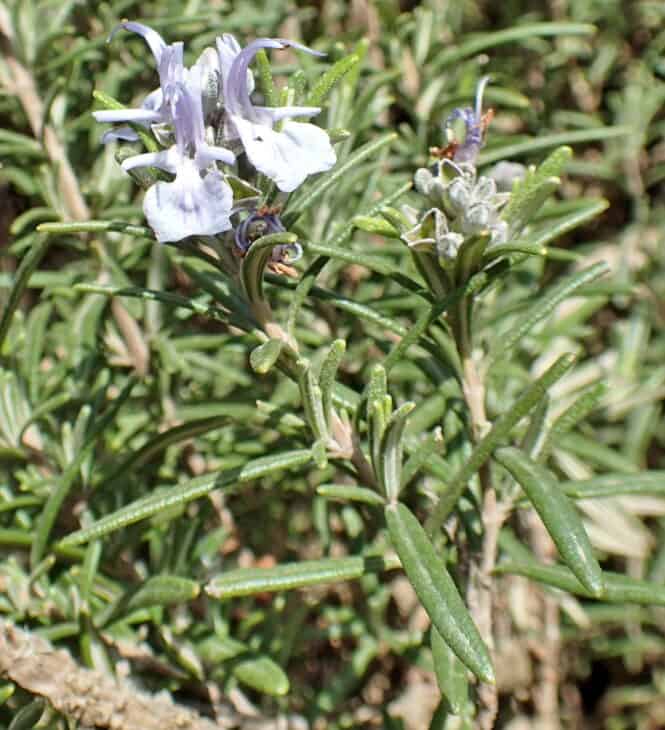
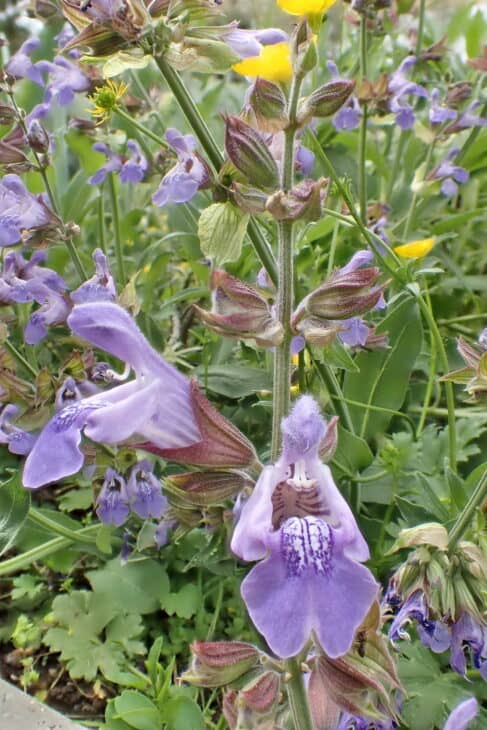
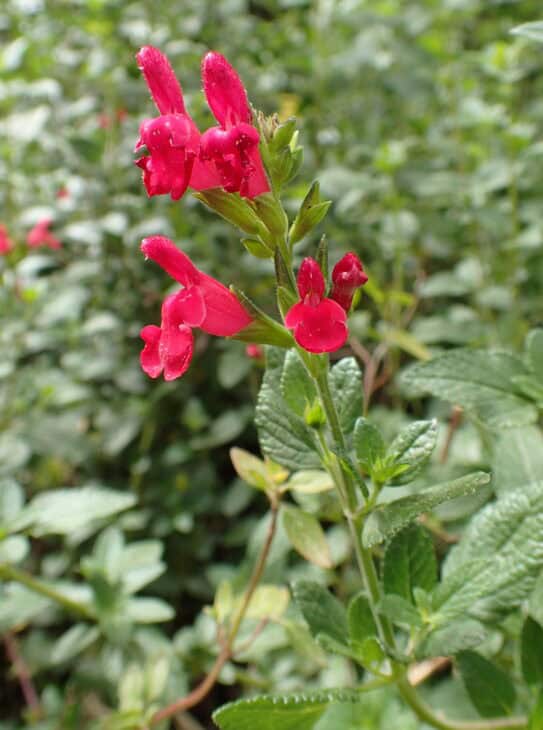
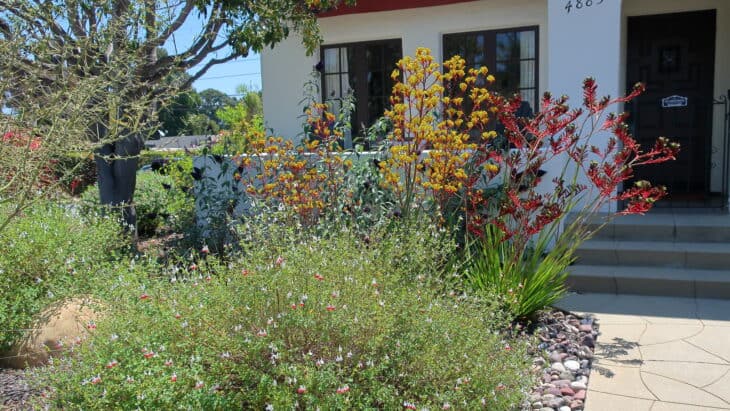
Related Plants


Mentioned In (2)
Plants
35 Beautiful Blue Perennials For Your Garden
Blue is one of the rarest flower colors in nature—and it’s also a longtime favorite with gardeners. That sense of…

Plants
Top 10 Plants to Attract Butterflies
Creating a butterfly-friendly garden starts with choosing the right plants. Butterflies need two kinds of plants: nectar sources for adult…