
Key Facts
- A tropical aroid commonly grown as a trailing or climbing houseplant.
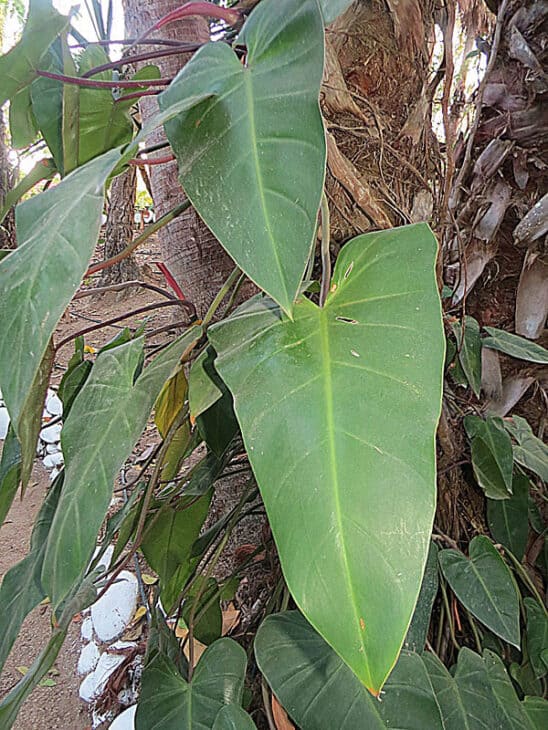
- Evergreen with glossy, heart shaped leaves on flexible vines.
- Prefers bright indirect light but tolerates lower light with slower growth.
- Likes a rich, well draining potting mix and regular moisture without waterlogging.
- All parts are irritating if eaten due to calcium oxalate crystals.
- Easily propagated from stem cuttings in water or soil.
- Rarely produces showy flowers when grown indoors.
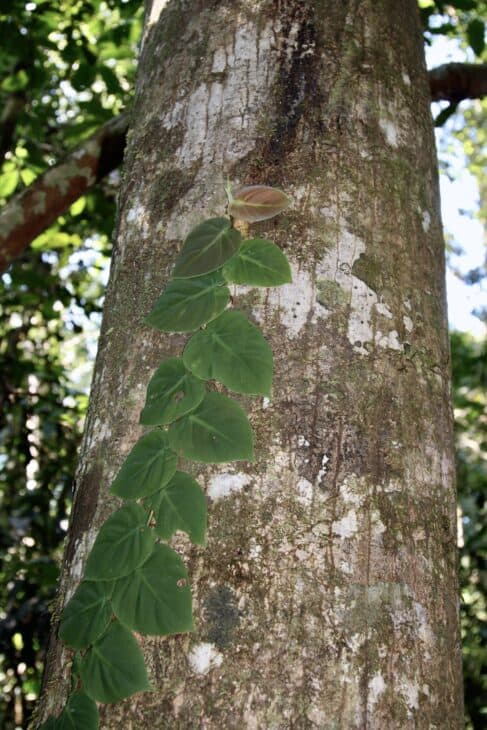
- Often grown on supports or allowed to trail from hanging baskets.
Heartleaf Philodendron is a tropical vining aroid prized for glossy, heart shaped leaves and easy training as a trailing or climbing houseplant. It offers lush green coverage in hanging baskets or on a moss pole while remaining manageable with regular pruning and proper light.
Identification and key traits
Evergreen vines carry flexible stems with glossy heart shaped leaves that range in size by cultivar and light. Vines indoors commonly reach about 1 to 6 feet depending on training and pruning. Flowers are not a typical feature of indoor plants.
Best uses and where to grow
Use as a trailing plant in hanging baskets, a climber on vertical supports, or a tabletop accent that spills over containers. Outdoors it can be planted in warm, frost free locations within USDA zones 9b to 11; in cooler areas keep it as a houseplant or seasonal container specimen. In warm climates it can be more vigorous and may spread if left unchecked.
Light and soil
Bright indirect light produces the healthiest foliage while lower light slows growth and causes legginess. Plant in a rich, airy potting mix that drains well and contains plenty of organic matter. Avoid heavy media that stay waterlogged because poor drainage leads to root decline.
Watering and visible response
Keep the potting mix evenly moist without letting the plant sit in standing water. Overwatering and poor drainage cause root rot and yellowing leaves. Soil that stays too dry for long periods will cause drooping and leaf drop.
Containers, support and pruning
Choose a container with drainage holes and a free draining mix. For a climbing habit use a moss pole or trellis and secure vines as they grow. Prune back long stems to encourage bushier growth and to control spread. Regular pruning keeps vines tidy and reduces the chance of the plant overwhelming nearby plants.
Propagation
Propagate easily from stem cuttings placed in water or a moist potting mix. Air layering works well for larger climbing stems and division suits multi crown plants. Use clean tools and keep cuttings warm and humid for best rooting success.
Toxicity and safety
All parts contain calcium oxalate crystals and are toxic if ingested. Ingestion causes oral irritation and gastrointestinal upset in people and pets. Skin contact can irritate sensitive individuals. Keep plants out of reach of children and pets and handle with care.
Frequently asked questions
- How fast does Heartleaf Philodendron grow?
- Growth varies with light and care. It grows moderately to quickly in bright indirect light and warm conditions and much more slowly in low light.
- Is Heartleaf Philodendron safe around pets?
- No. It is toxic to cats and dogs due to calcium oxalate crystals and should be kept where pets cannot chew the foliage.
- How should I root cuttings?
- Take a healthy stem cutting with at least one node and root it in water or a moist free draining mix. Keep cuttings warm and humid until roots form.
- Can it be grown outdoors?
- Yes in warm frost free areas within USDA 9b to 11. In colder zones it performs best as an indoor or seasonal container plant.
- Why are leaves turning yellow?
- Yellowing commonly results from overwatering or poor drainage. Check the soil moisture and pot drainage before changing light or fertilizer routines.
Gallery
Related Plants


Mentioned In (1)

Plants
8 Plants That Look Like Pothos / Devil’s Ivy (but are not)
Pothos (Epipremnum aurem), also known as devils ivy, are popular tropical vining plants. They are easy to care for and…