
Key Facts
- Not a true palm but a succulent member of the asparagus family.
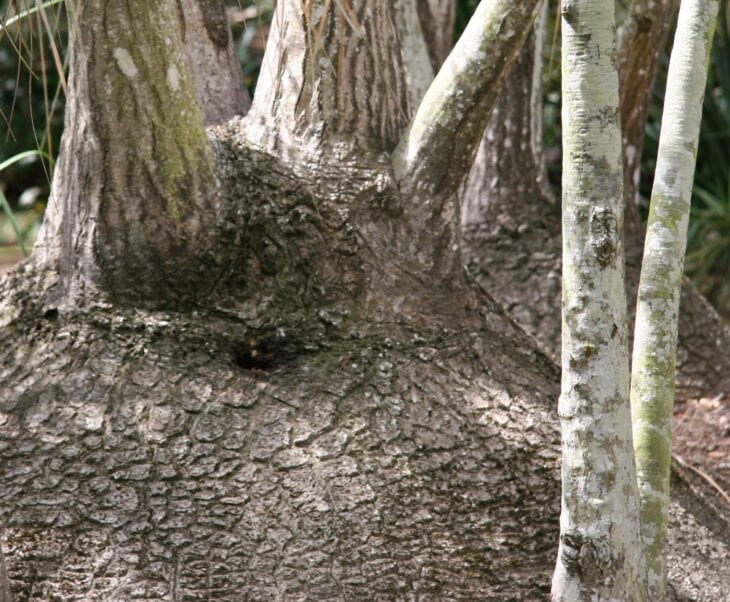
- Swollen trunk stores water so it tolerates drought.
- Popular as an easy houseplant with architectural foliage.
- Slow growing in containers.
- Prefers very well drained soil and dislikes standing water.
- Does well in bright light and tolerates full sun outdoors.
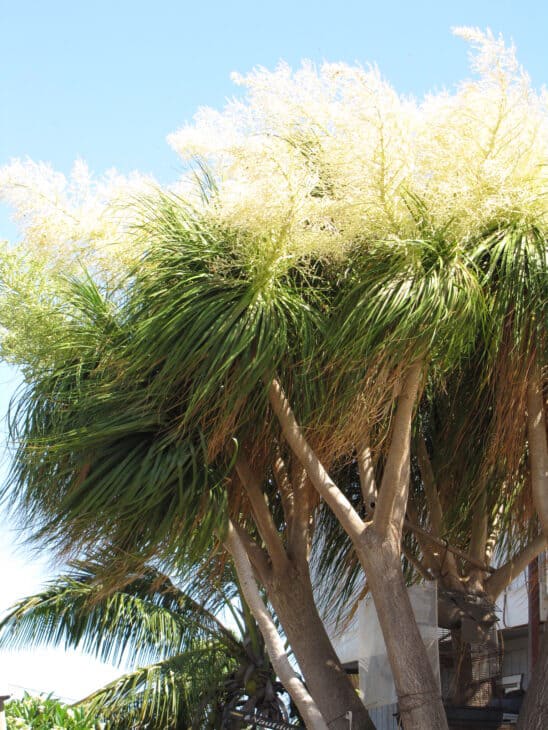
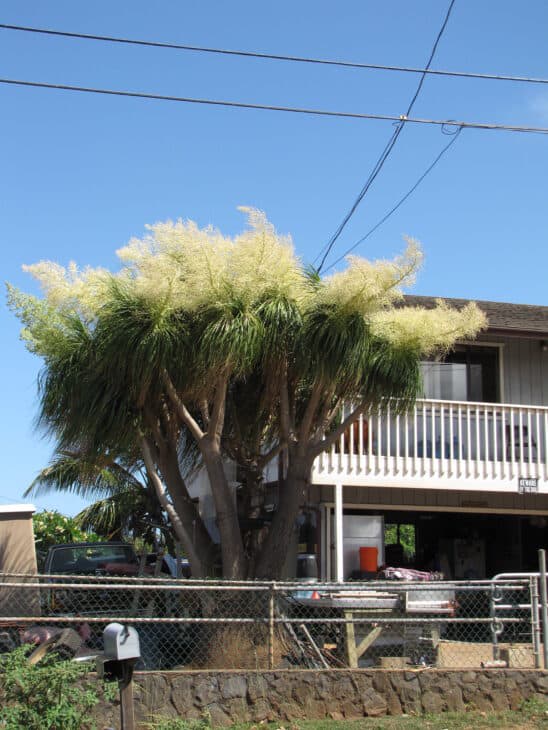
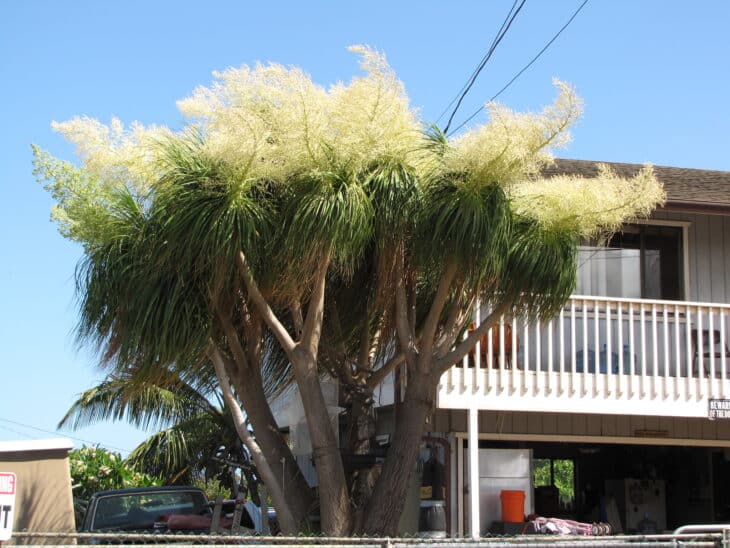
- Rarely flowers when grown as an indoor plant.
- Generally considered non toxic to cats and dogs.
Ponytail Palm is a drought tolerant succulent with a swollen water storing trunk and a tuft of arching leaves that resemble a ponytail. It is prized as an easy architectural houseplant but it grows slowly and will suffer if the soil stays wet.
Identification
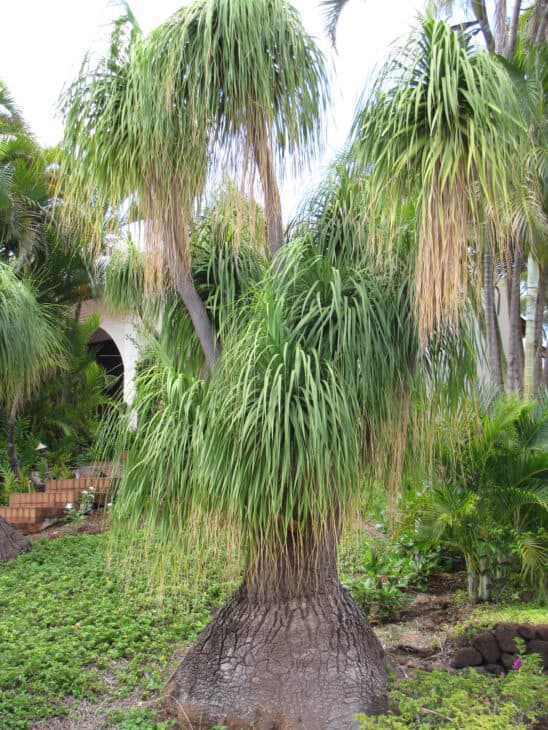
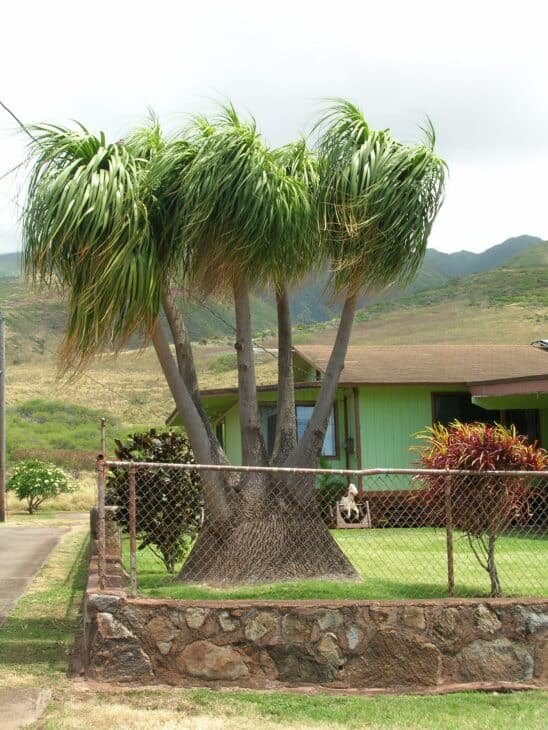
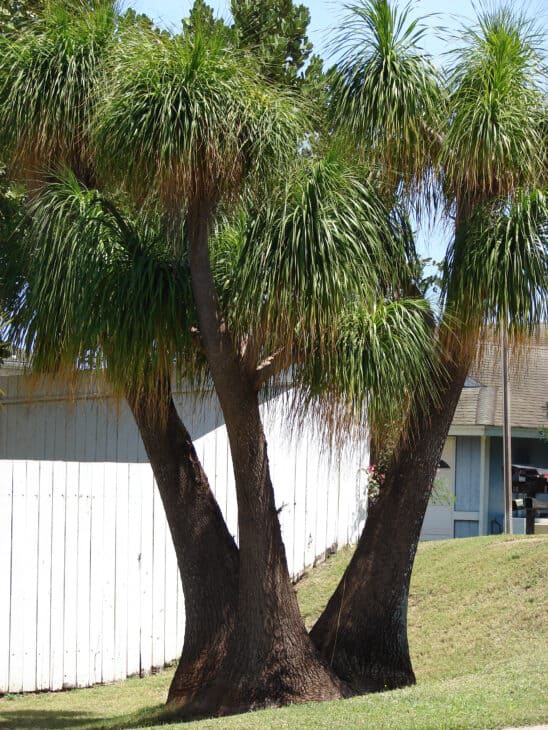
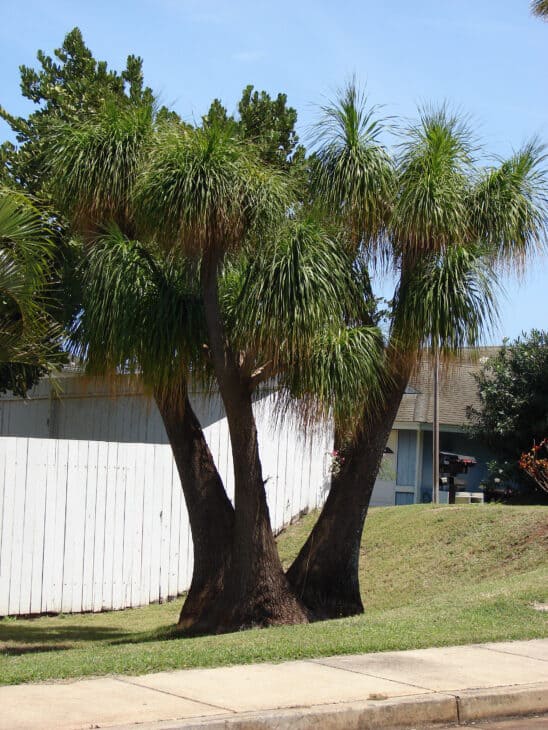
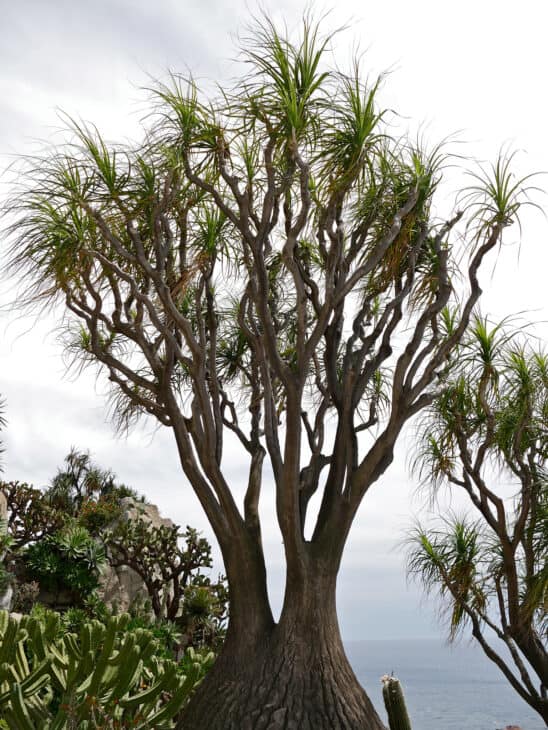
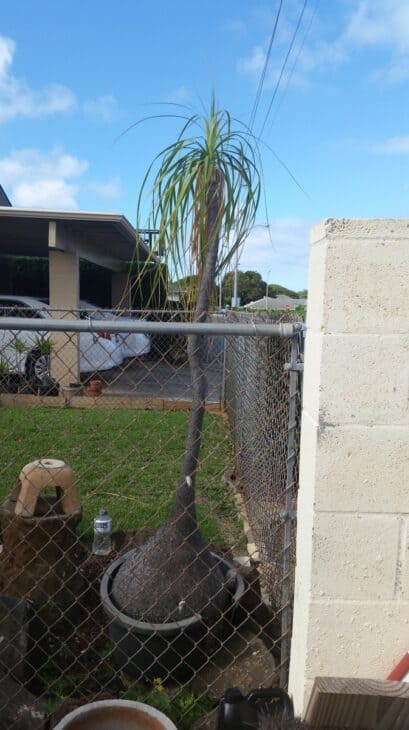
Not a true palm but a member of the asparagus family Beaucarnea recurvata has a noticeably bulbous base and narrow curved leaves that form a single crown. In cultivation plants are commonly between 3 and 10 feet tall and the foliage typically spreads about 2 to 6 feet depending on age and whether basal offsets develop.
Where to grow and best uses
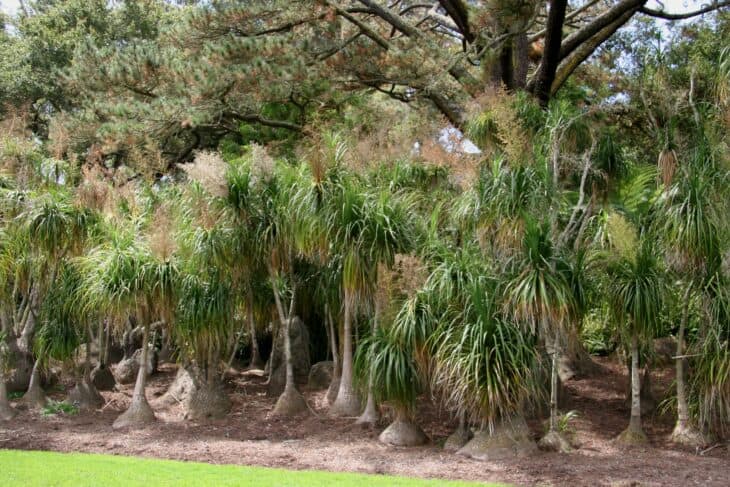
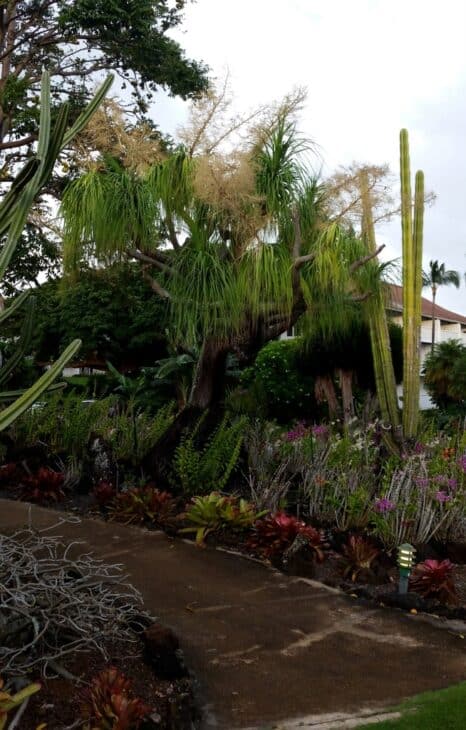
Use as a low maintenance container specimen for bright indoor spots or as a patio plant in warm climates. In mild frost free regions it can be planted outdoors and is usually given a USDA hardiness range of 9 to 11. Treat it as a tender plant in cooler areas and bring containers indoors when temperatures approach freezing.
Soil and watering
Plant in a very well drained sandy to loamy mix and avoid heavy clay that holds water. Allow potting mix to dry between thorough waterings. If soil remains wet the trunk and roots rot and the plant will decline. The swollen trunk stores water so infrequent watering is better than constant moisture.
Light and location
Place in bright light indoors or in full sun outdoors once the plant is acclimated. Insufficient light causes leggy slow growth while strong light encourages a compact crown of leaves.
Containers and maintenance
Ponytail Palm is slow growing in containers so repot only when the plant becomes root bound or the pot mix breaks down. Use a free draining potting mix and a container with drainage holes. Overpotting in a very large heavy container increases the risk of retained moisture and root problems.
Propagation
Most reliable propagation is by removing basal offsets or pups and potting them on in a free draining mix. Seed propagation is also used. Rooting large stem sections is less common and usually less reliable.
Pet safety
The species is listed as non toxic to cats and dogs by the ASPCA. Ingestion could still cause mild stomach upset so check with local poison control for concerns about children or individual animals.
Frequently asked questions
- How fast does Ponytail Palm grow?
- It is slow growing in containers and often stays compact for many years rather than rapidly increasing in size.
- Is Ponytail Palm safe for pets?
- Yes it is listed as non toxic to cats and dogs though eating leaves may cause mild gastrointestinal upset.
- Can I grow Ponytail Palm outdoors?
- Yes in warm climates. It is typically recommended for USDA zones 9 to 11 and should be protected from frost in cooler areas.
- How often should I water my Ponytail Palm?
- Water sparingly and allow the potting mix to dry between waterings. Keeping the soil too wet causes root and trunk rot.
- How do I propagate a Ponytail Palm?
- Remove basal offsets or pups and plant them in a free draining mix after the cut has callused. Seed propagation is an alternative for growers who can obtain viable seed.
Gallery
Related Plants


Mentioned In (1)

Plants
8 Plants That Look Like Yucca
With their starburst of spikey leaves, yuccas bring structure and texture to the garden. The genus encompasses many species –…