
Key Facts
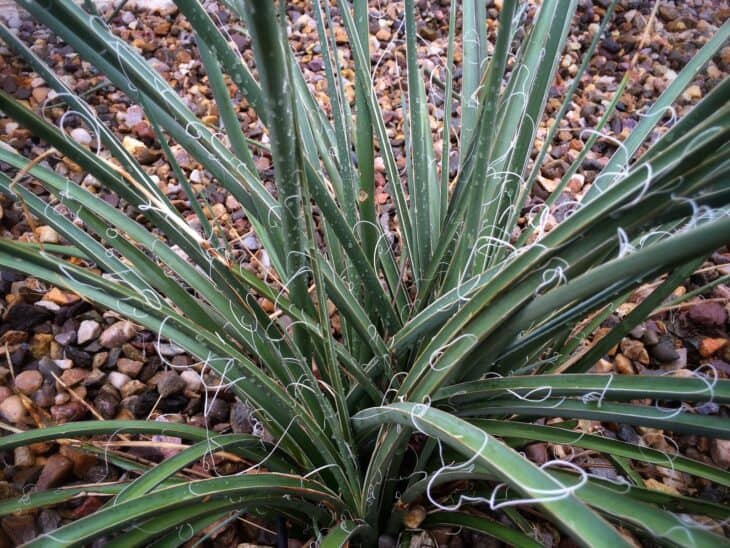
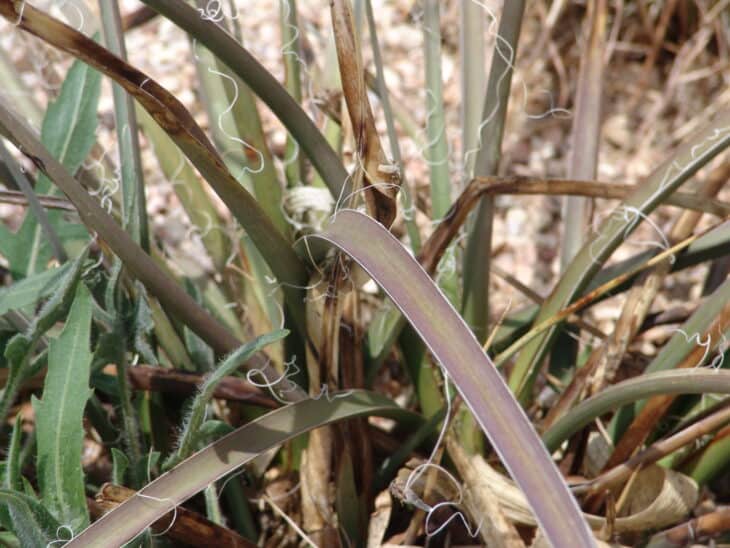
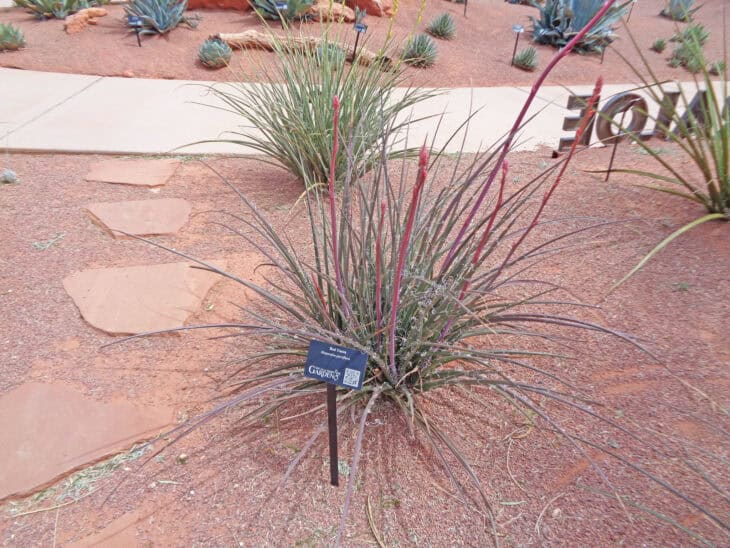
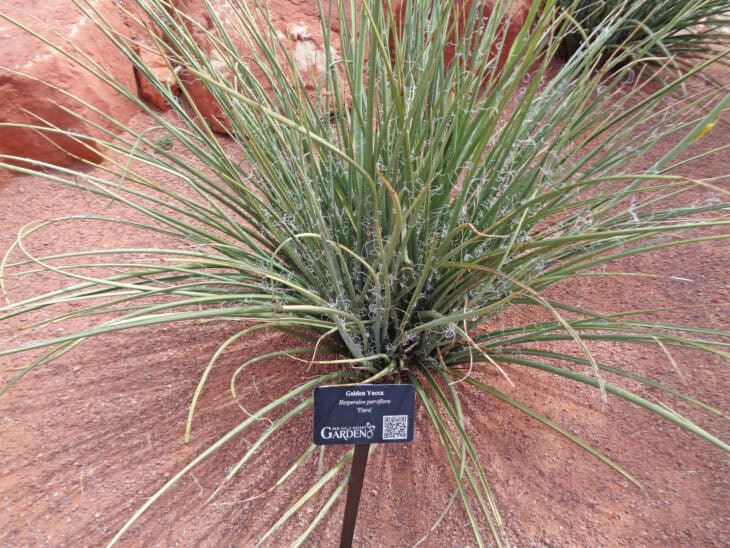
- Clumping, evergreen perennial with narrow, arching, succulent-like leaves.
- Native to Texas and nearby regions of northeastern Mexico.
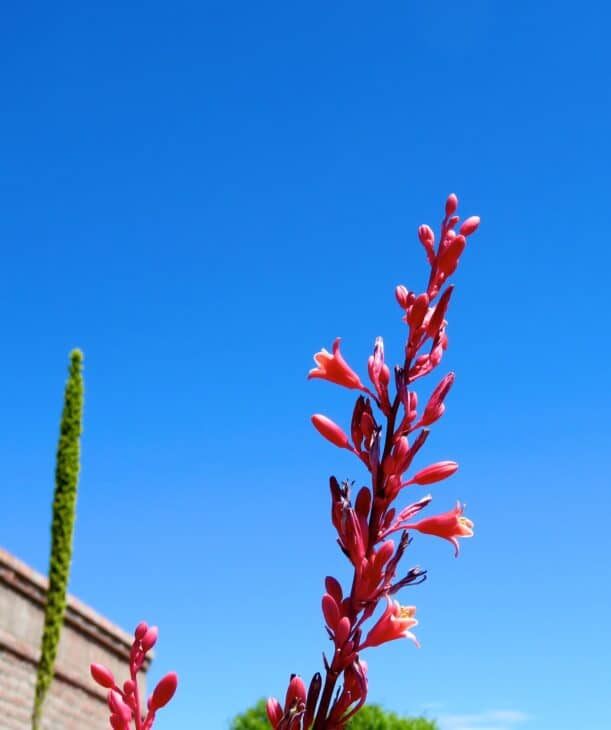
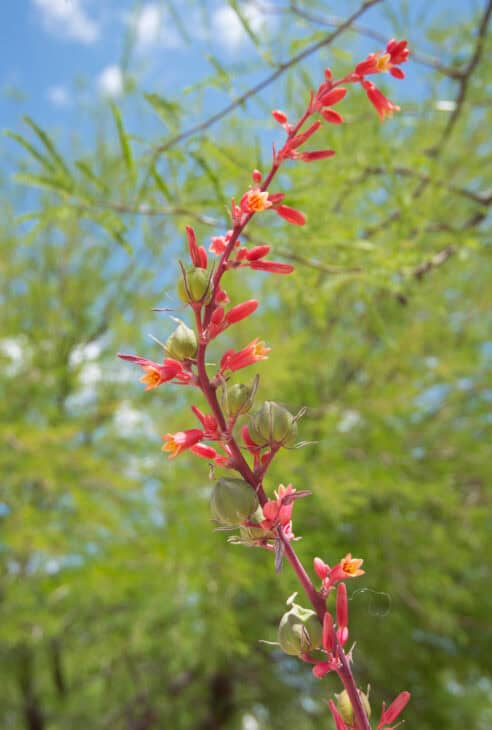
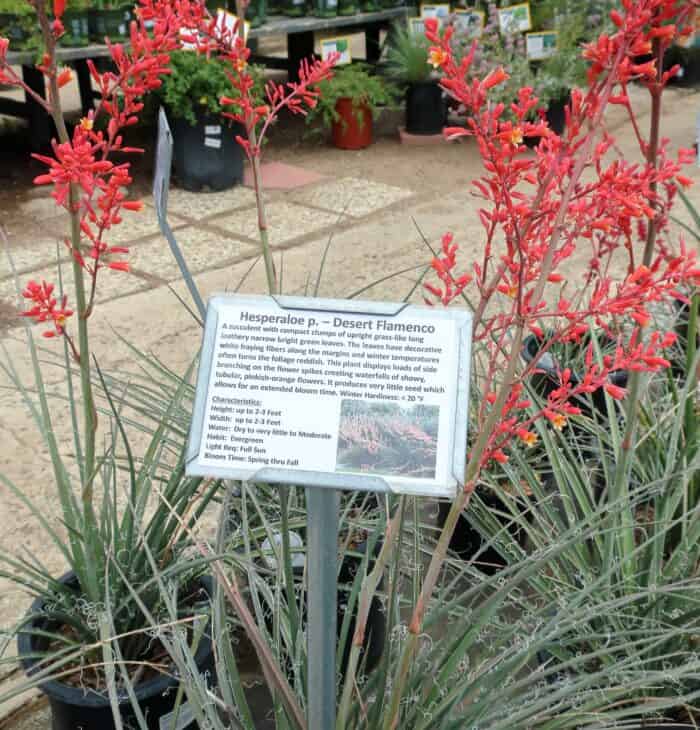
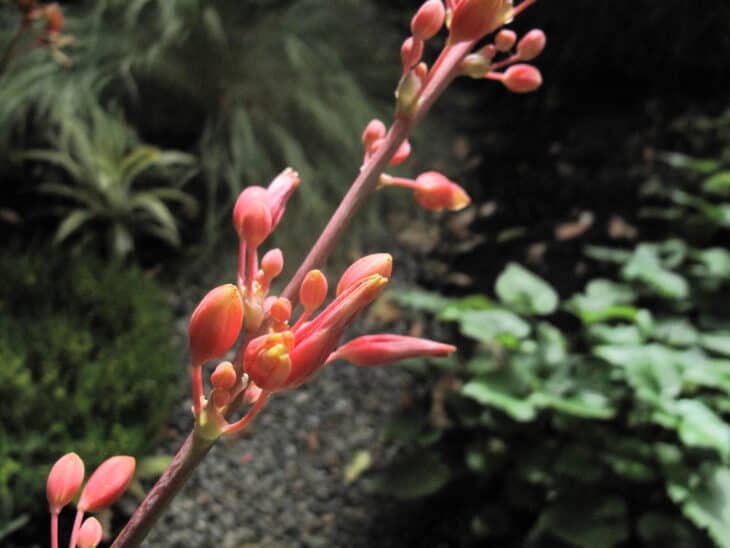
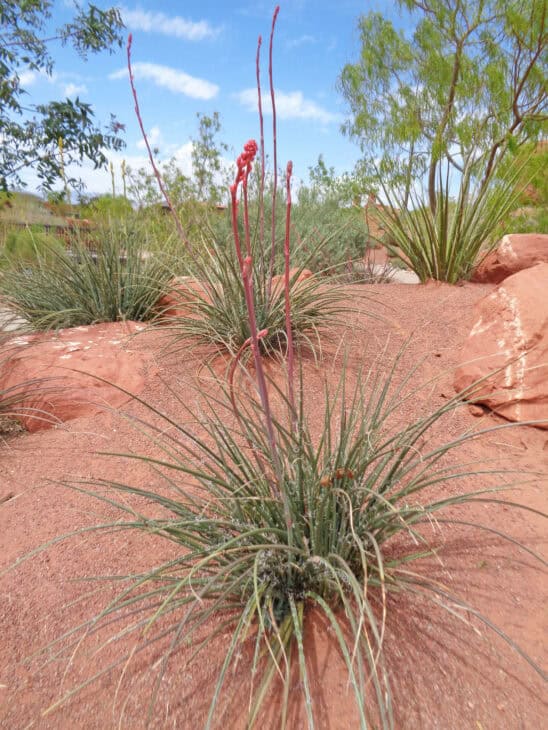
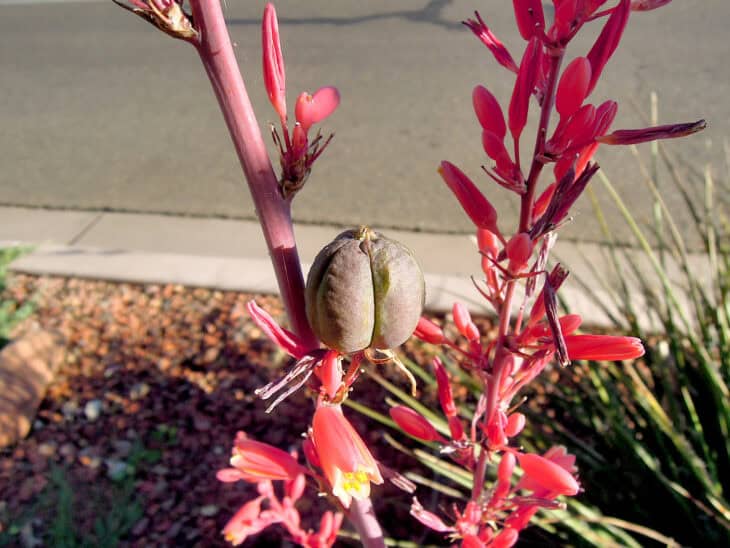
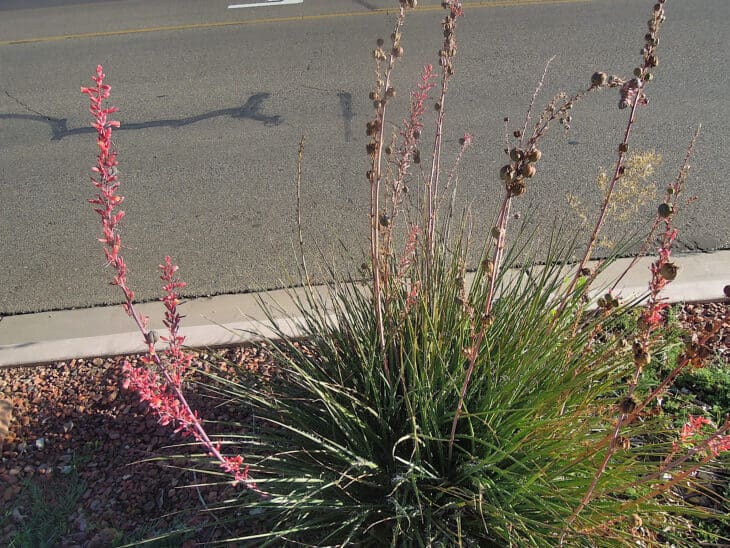
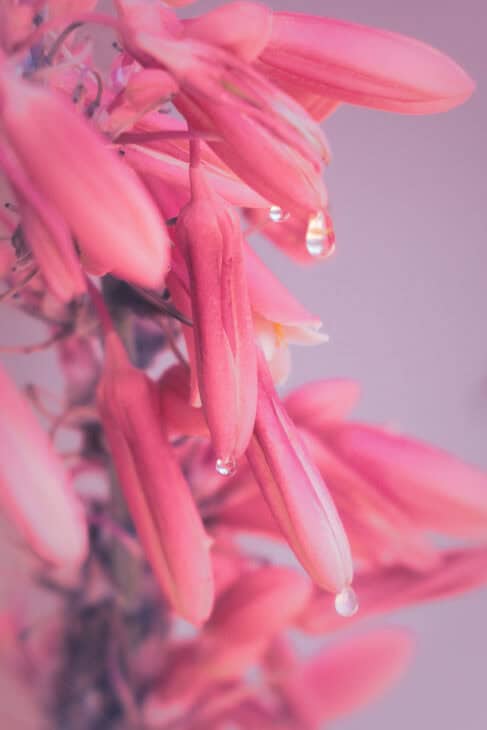
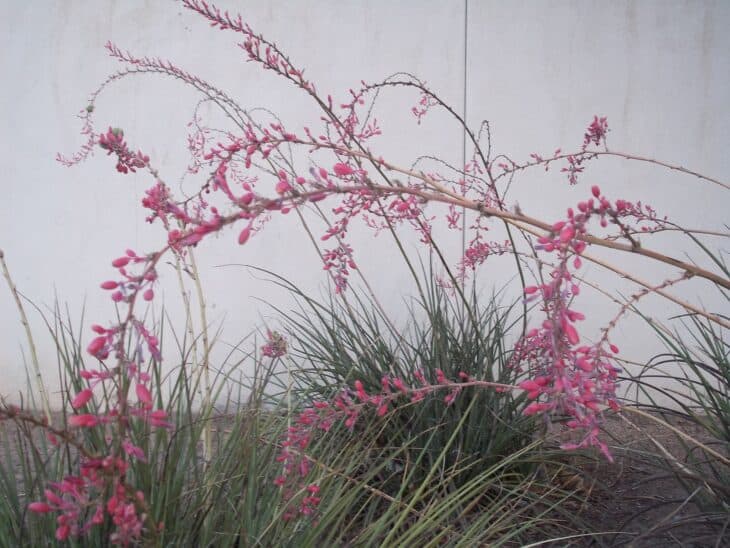
- Produces tall spikes of tubular red to coral flowers that attract hummingbirds.
- Highly drought tolerant and used in xeriscape and low-water gardens.
- Prefers well drained soils and tolerates poor, rocky substrates.
- Typically requires little maintenance once established.
- Propagated by seed and by division of clumps.
- Generally deer tolerant.
Red Yucca (Hesperaloe parviflora) is a clumping evergreen perennial prized for narrow arching leaves and tall spikes of tubular red to coral flowers that attract hummingbirds. It is widely used in dry landscapes because it tolerates poor rocky soils and needs little maintenance once established.
Identification
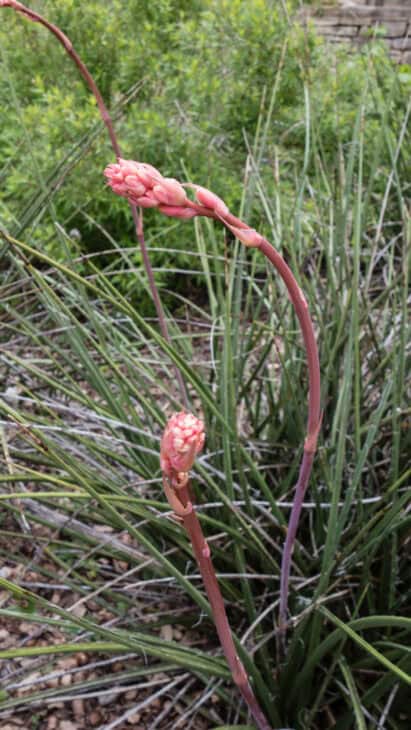
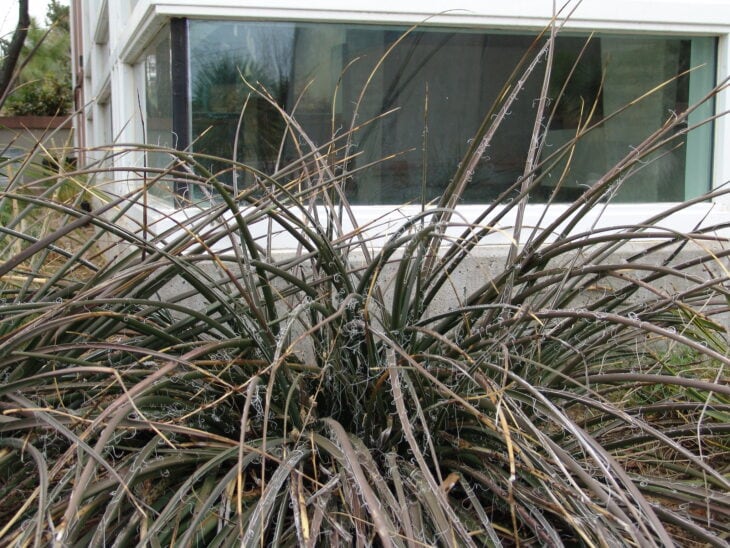
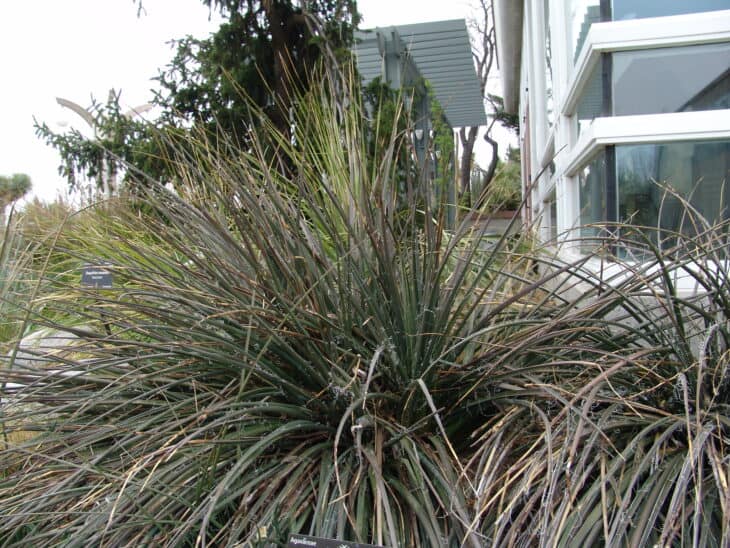
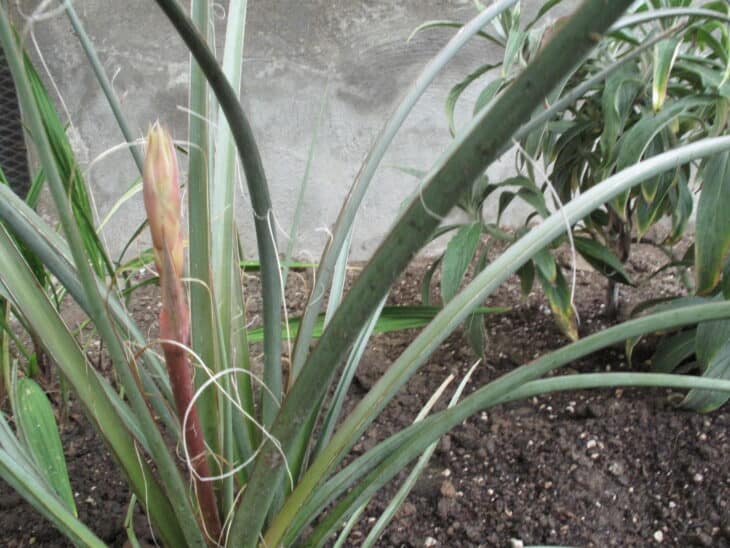
Clumps of narrow, succulent-like leaves produce multiple tall flower stalks rising above the foliage. Overall height including flower stalks is typically about 2 to 5 feet while the foliage mound is shorter. Mature clumps commonly reach about 3 to 4 feet across and spread slowly by basal offsets.
Where to grow and best uses
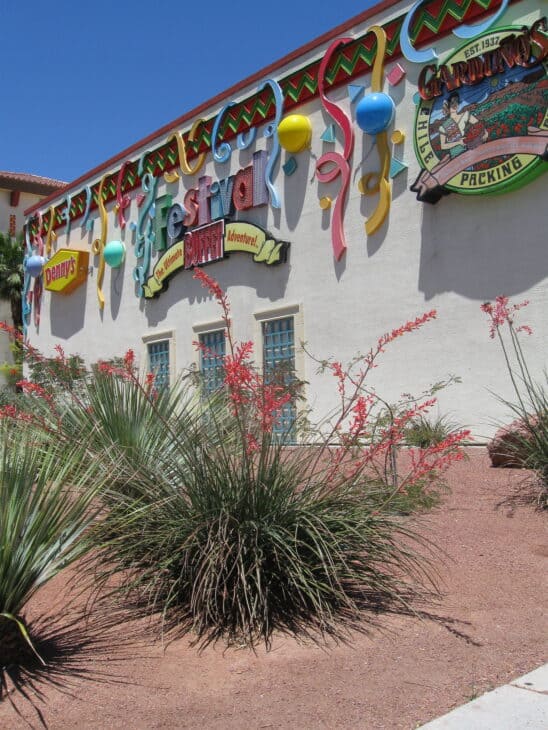
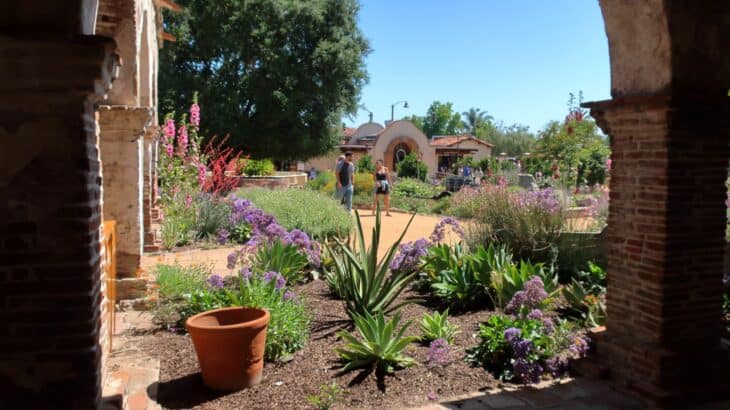
Use Red Yucca in xeriscape beds, low-water borders, massings and rocky slopes where drought tolerance and architectural foliage are desired. It performs best in full sun to light afternoon shade and is generally deer tolerant. The plant is native to Texas and nearby regions which suits warm, dry sites.
Soil, light and hardiness
Plant in well drained soil; sandy, rocky or poor substrates are acceptable but avoid sites that stay waterlogged. Flowers appear from late spring into summer with possible sporadic blooms later in warm climates. USDA hardiness is roughly zones 6b to 11 with regional variation and colder sites may show foliar damage or partial dieback.
Planting and spacing
Place plants where they will receive full sun for best flowering and space them about 3 to 4 feet apart to allow each clump room to develop. Choose a site with good drainage to reduce the risk of crown rot in wetter soils.
Watering and maintenance
Red Yucca is highly drought tolerant so water sparingly once established. Poor drainage or overwatering increases the risk of crown rot and can lead to winter losses in cooler climates. The plant typically requires little maintenance beyond occasional removal of damaged leaves and dividing overcrowded clumps.
After flowering and controlling spread
Remove spent flower stalks to tidy the planting if desired. The species spreads slowly by basal offsets so control is usually simple by dividing and replanting or discarding unwanted offsets. Clump size and spread can vary by cultivar and site fertility.
Propagation
Propagate by seed or division of clumps. Division is the quickest way to establish an identical plant, while some selections produce fewer offsets and are commonly grown from seed or purchased liners.
Frequently asked questions
- How fast does Red Yucca grow?
- Growth is slow to moderate. Plants spread slowly by basal offsets and commonly form a 3 to 4 foot clump over time.
- Will Red Yucca survive my winter?
- Hardiness varies by region. It is generally suited to USDA zones about 6b to 11. In colder sites expect some foliar damage and possible partial dieback.
- Is Red Yucca deer resistant?
- It is generally deer tolerant and is often chosen for landscapes where deer browsing is a concern.
- How much sun does it need?
- Flowers best in full sun and tolerates light afternoon shade. In shadier sites expect fewer flower stalks and a more open clump.
- How is Red Yucca propagated?
- By seed or by dividing clumps. Divisions produce identical plants more quickly than seed.
Gallery
Related Plants


Mentioned In (1)

Plants
8 Plants That Look Like Yucca
With their starburst of spikey leaves, yuccas bring structure and texture to the garden. The genus encompasses many species –…