
Key Facts
- Native to New Zealand and widely planted elsewhere as an ornamental.
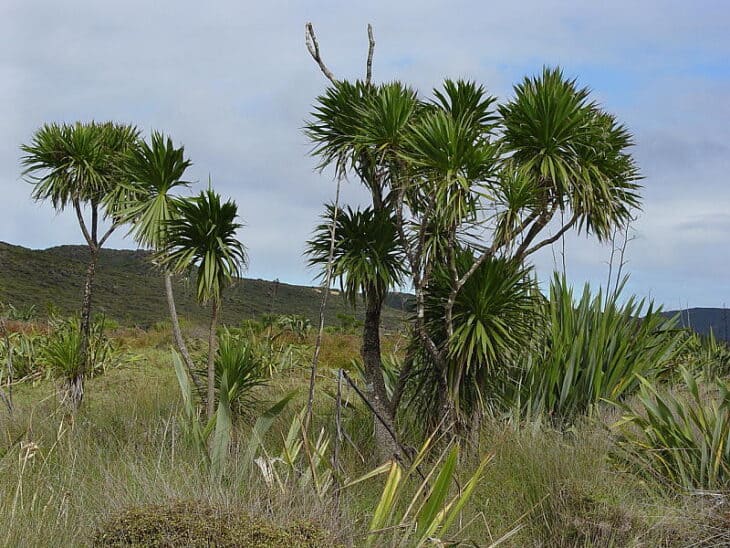
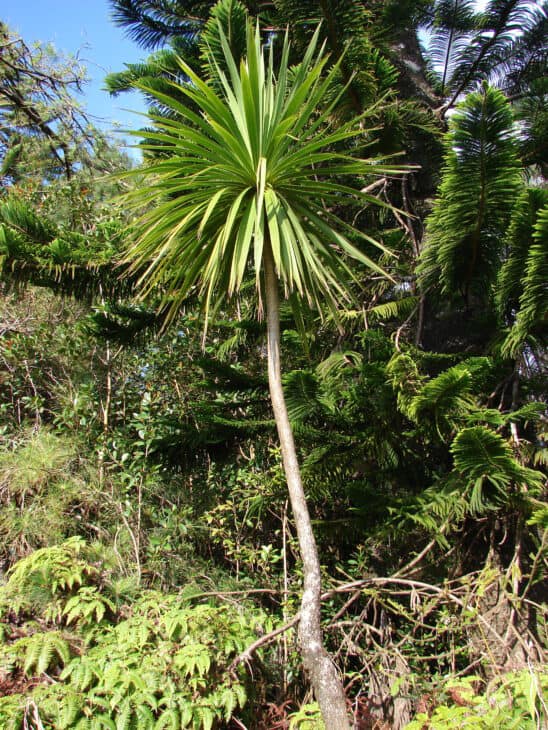
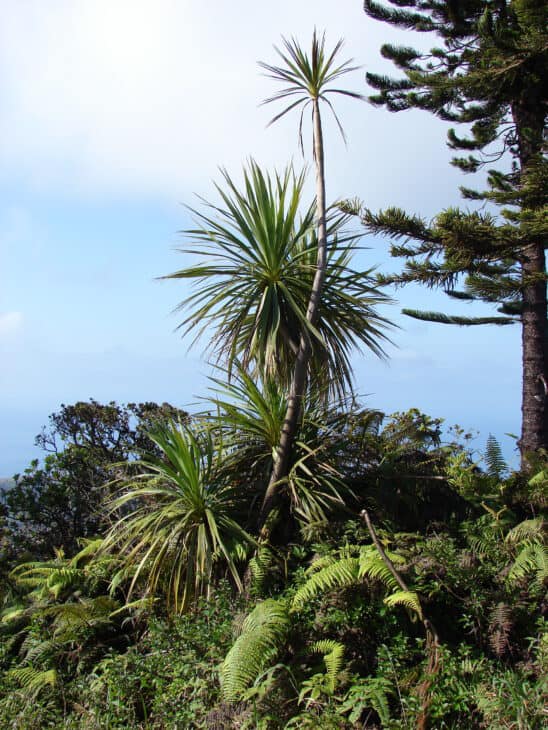
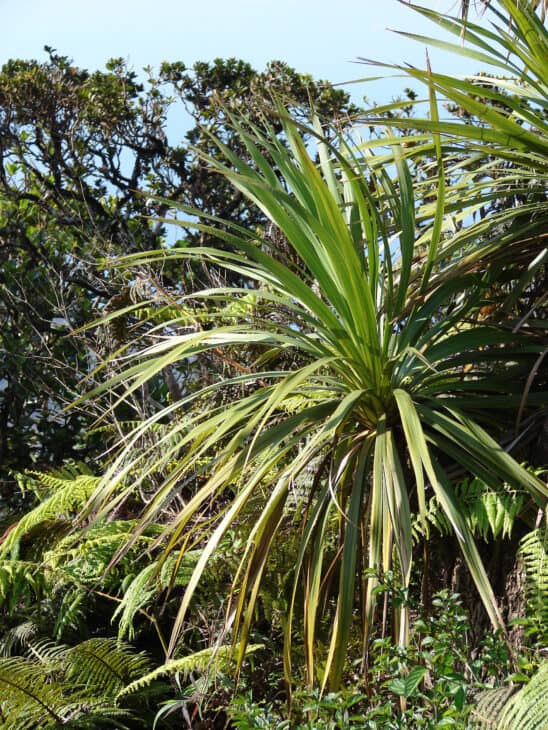
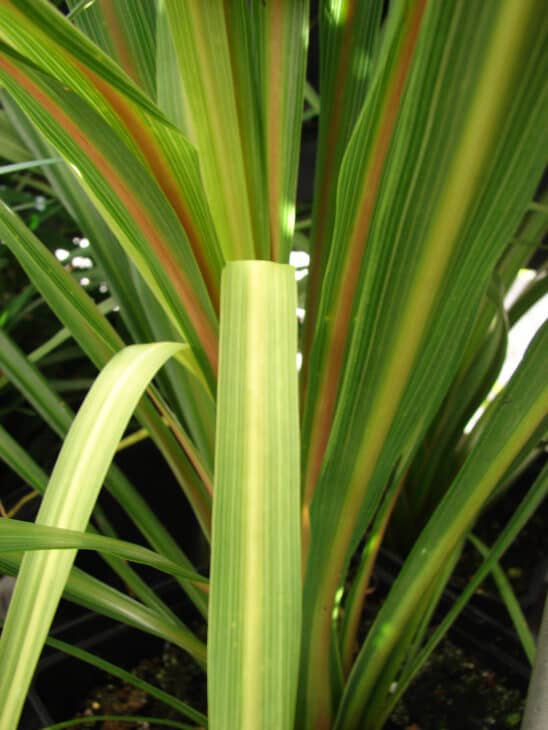
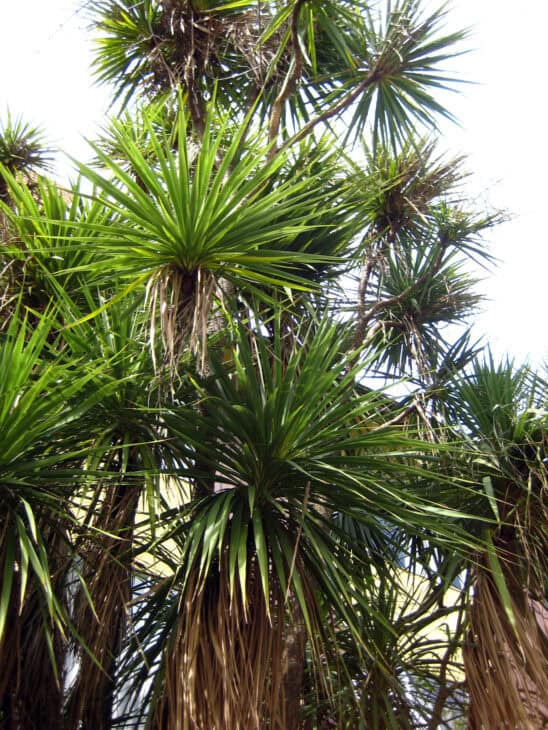
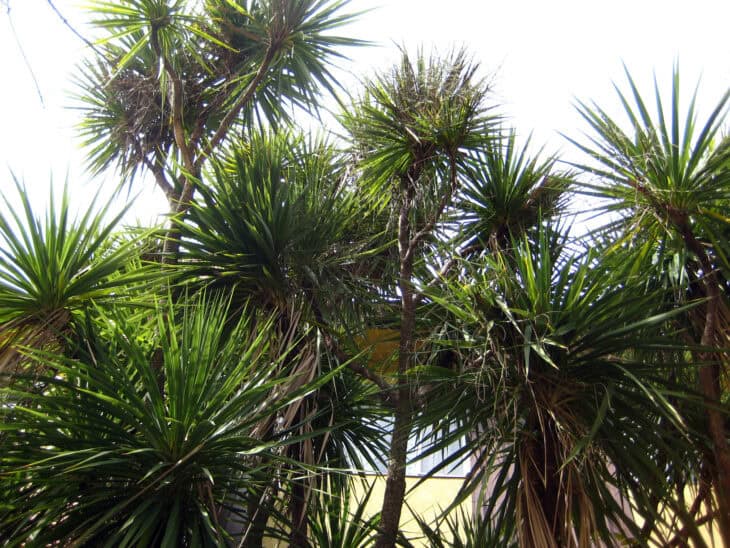
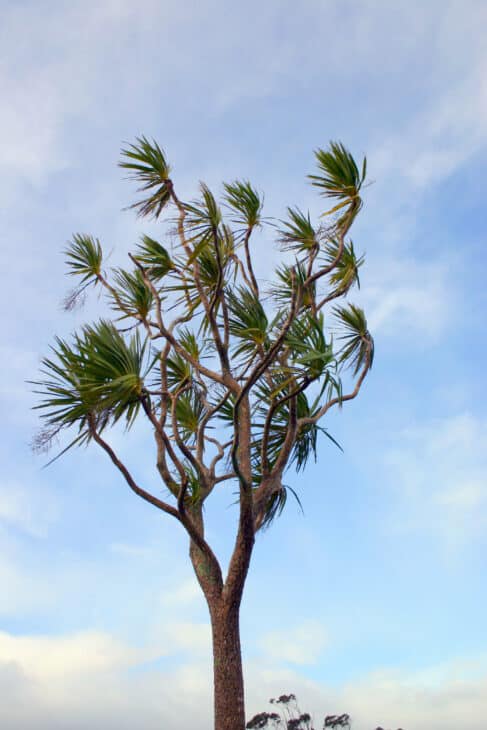
- Has a palm like trunk topped with a crown of long, sword shaped leaves.
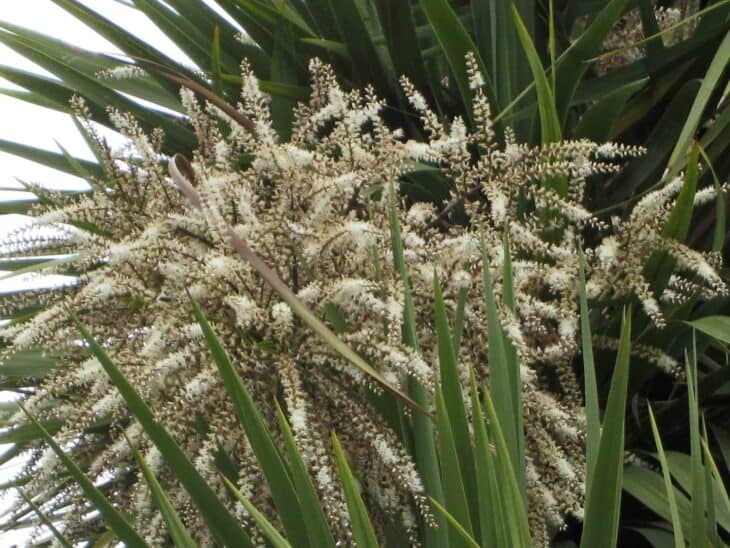
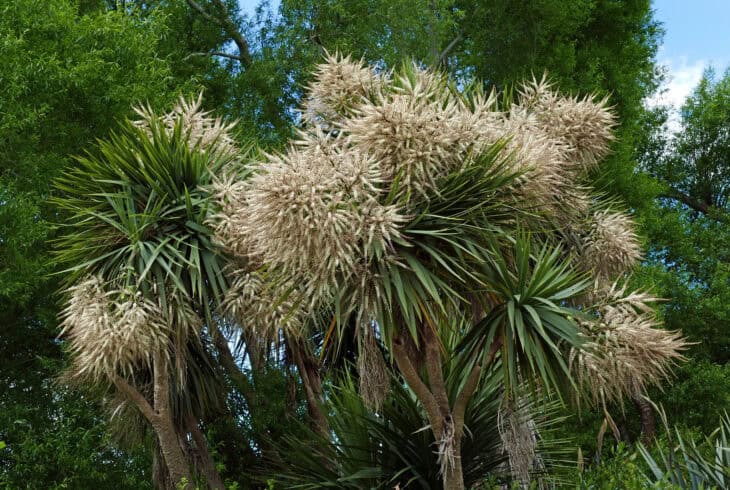
- Produces large sprays of fragrant white flowers followed by blue black berries.
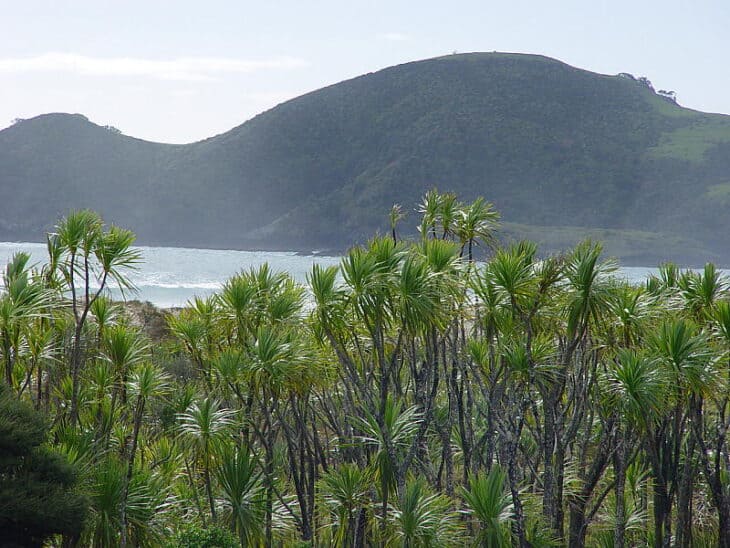
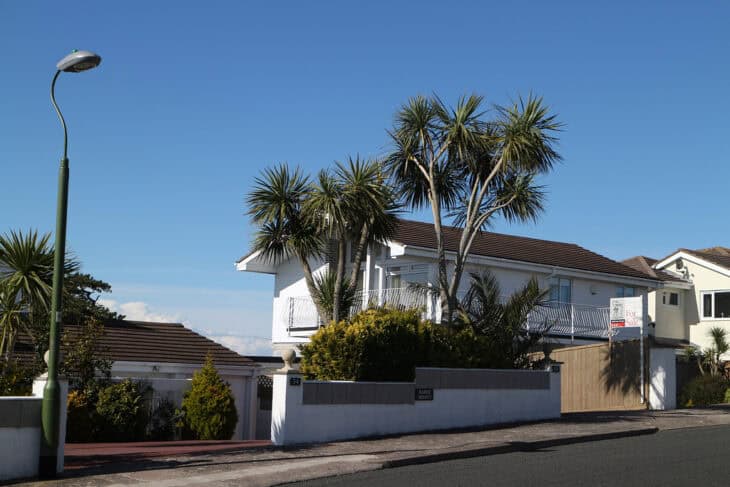
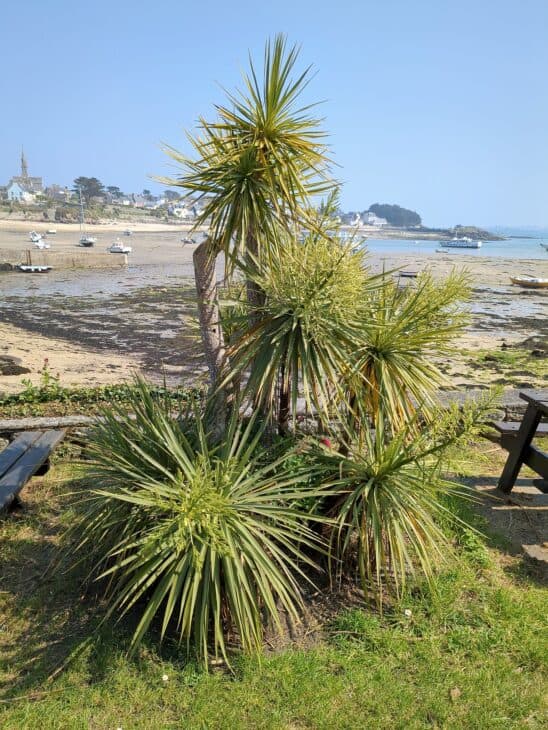
- Used as a specimen tree, in containers, and for coastal plantings.
- Tolerates a range of soils but will not tolerate standing water.
- Regenerates from basal shoots and can be coppiced or regrow after trunk damage.
- Prefers full sun to part shade and benefits from wind protection in hot climates.
Cabbage Tree is a New Zealand native grown for its architectural form and long, sword shaped leaves. It produces large sprays of fragrant white flowers and blue black berries and is most often used as a specimen plant, in containers, or in coastal plantings where soil drains freely.
Identification
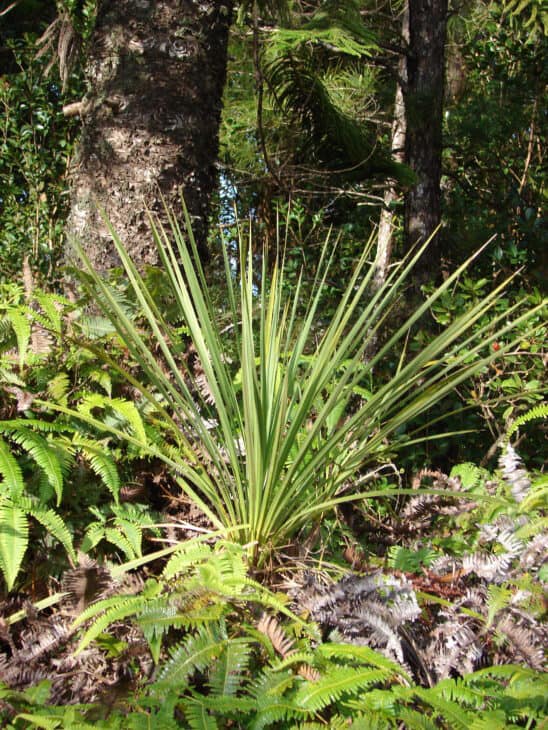
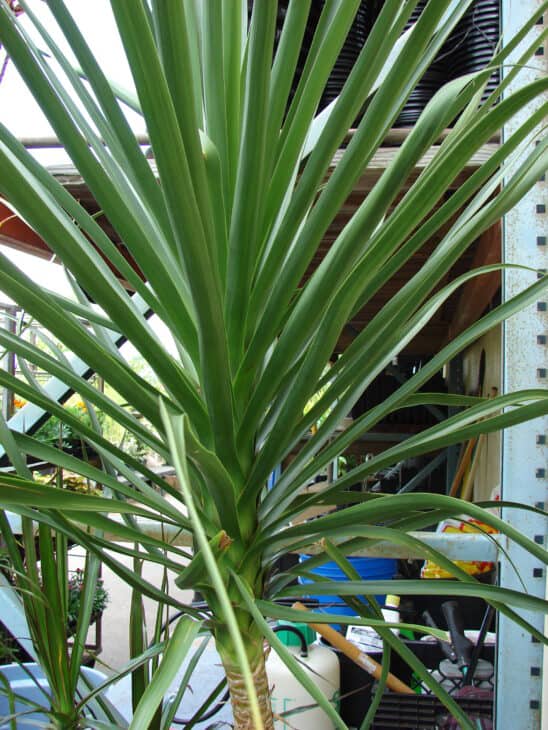
Look for a single or multi stemmed palm like trunk topped by a crown of long, narrow leaves. Mature plants produce large scented panicles of white flowers followed by blue black berries that attract birds.
Where to grow and best uses
Use as a focal specimen, a container specimen for patios, or in coastal gardens where salt tolerance is useful when sites are not waterlogged. Plants tolerate a wide range of soils but will not survive standing water. Choose a position in full sun to part shade and allow some wind protection in very hot climates to reduce leaf scorch.
Planting and spacing
Plant when soil is workable and risk of severe frost is low in your area. Space plants to allow the crown room to develop. Mature crowns in gardens commonly range from 2 to 6 m across so allow enough distance from structures and other plants to avoid crowding.
Soil and watering
Plant in fertile, well drained soil. Plants tolerate sandy and heavier soils but decline in poorly drained ground. Keep young plants watered until established and avoid prolonged wet feet which leads to root rot and decline.
Light and microclimate
Plants grow well in full sun to part shade. In hot inland locations a little afternoon shade or wind protection reduces leaf scorch and sun damage.
Size and growth
Typical cultivated height ranges from about 3 to 12 m depending on site and cultivar, with many garden specimens staying at the lower end of that range. Height, flowering and recovery after damage vary by climate and cultivar and tend to be quicker in warmer, milder sites.
Flowering and after flowering care
Flowering usually occurs in late spring to early summer in many climates and timing varies with hemisphere and local weather. Remove heavy spent flower panicles if they interfere with paths or views. Fruit is eaten by birds and may lead to natural seedlings under mature plants.
Propagation and regrowth
Propagate by seed, by lifting and dividing basal suckers, or by stem and tip cuttings. Cuttings root readily from nodes on healthy stems. Plants regenerate from basal shoots and can be coppiced or will reshoot after trunk damage which makes them easy to manage for renewal.
Container growing
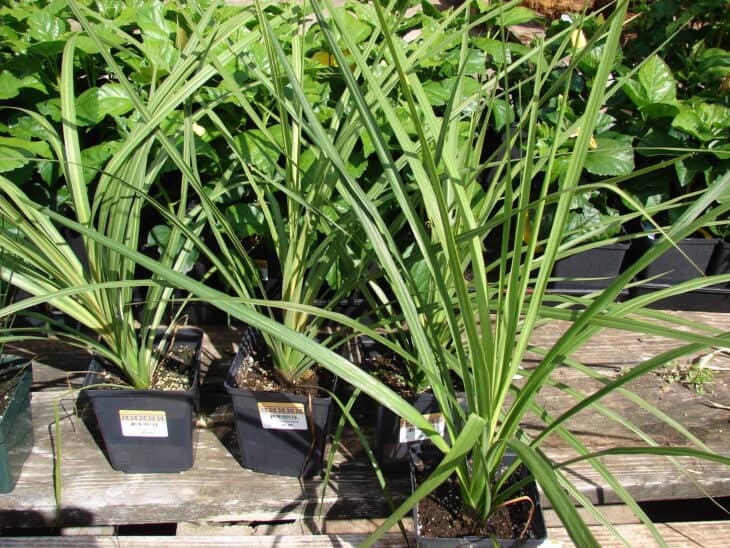
Cabbage Tree performs well in large containers when given good drainage and regular feeding. Containers will restrict ultimate height so use pruning and pot size to control scale on patios and decks.
Maintenance and control
Prune out dead or damaged stems and remove unwanted suckers to control spread. Avoid planting too close to walls or small trees where a developing crown might crowd or shade nearby plants.
Notes on safety
Sources vary on pet and human toxicity for this species. Verify current local guidance with a poison control center or the ASPCA before allowing pets or children to handle or ingest plant parts.
Frequently asked questions
- How fast does Cabbage Tree grow?
- Growth rate varies by soil, water, climate and cultivar. In suitable sites plants reach the typical cultivated height range of about 3 to 12 m over several years and often grow faster in warmer mild climates.
- Is Cabbage Tree hardy in my climate?
- Plants are commonly listed for USDA zones 8 to 11. Cold tolerance varies with cultivar and microclimate and plants in cooler than recommended zones can suffer trunk dieback.
- Can I grow Cabbage Tree by cuttings?
- Yes. Stem and tip cuttings root readily and basal suckers can be lifted and potted for new plants.
- Are Cabbage Trees suitable for coastal sites?
- They are frequently used for coastal plantings and tolerate a range of soils. In very exposed hot sites test local performance because some cultivars show wind scorch or sun damage.
- Can it be kept in a container?
- Yes. A large free draining container and regular feeding will keep a specimen healthy while restricting ultimate size.
- Are Cabbage Trees toxic to pets?
- Reports vary. Confirm specific toxicity information with your local poison control authority or the ASPCA before allowing pets access to plant material.
Gallery


Related Plants


Mentioned In (1)

Plants
8 Plants That Look Like Yucca
With their starburst of spikey leaves, yuccas bring structure and texture to the garden. The genus encompasses many species –…