
Key Facts
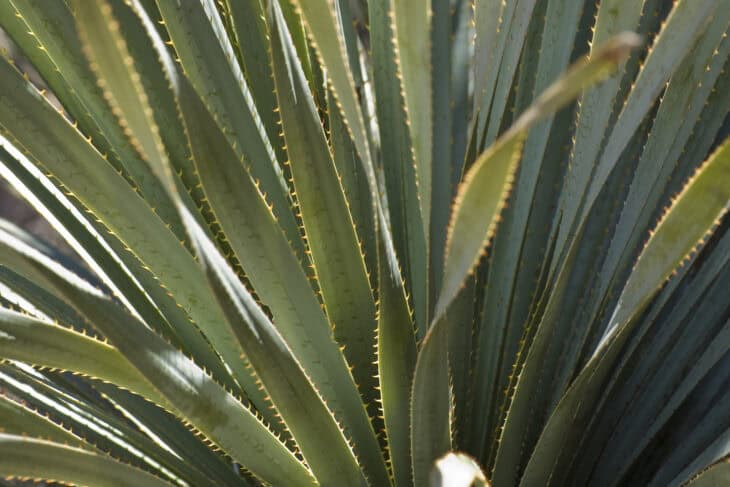
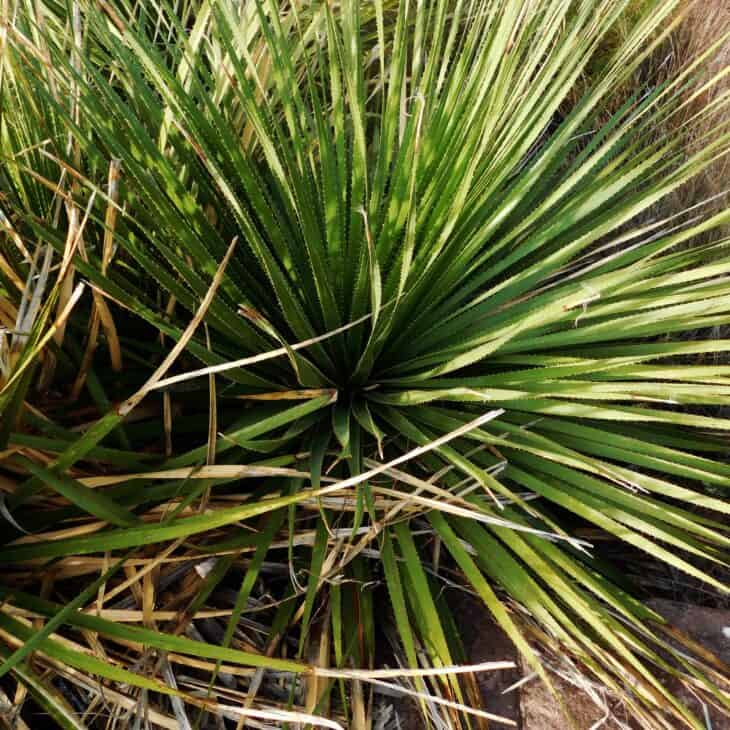
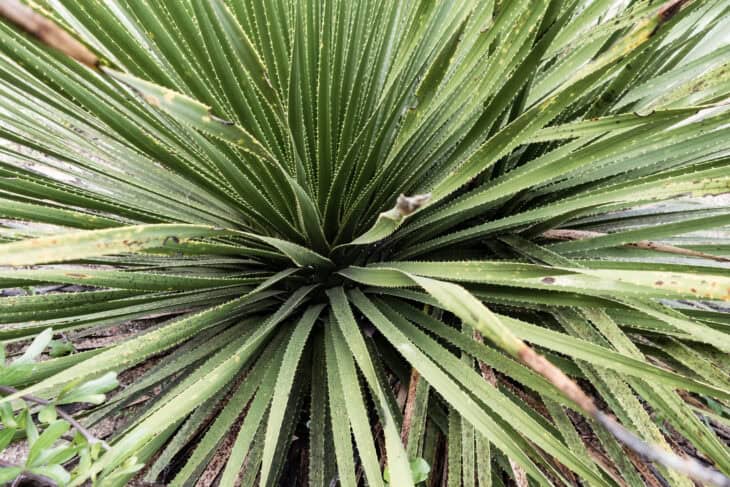
- Rosette forming perennial with stiff, narrow leaves and toothed margins.
- Native to northern Mexico and the US Southwest.
- Very drought tolerant and used in xeriscape planting.
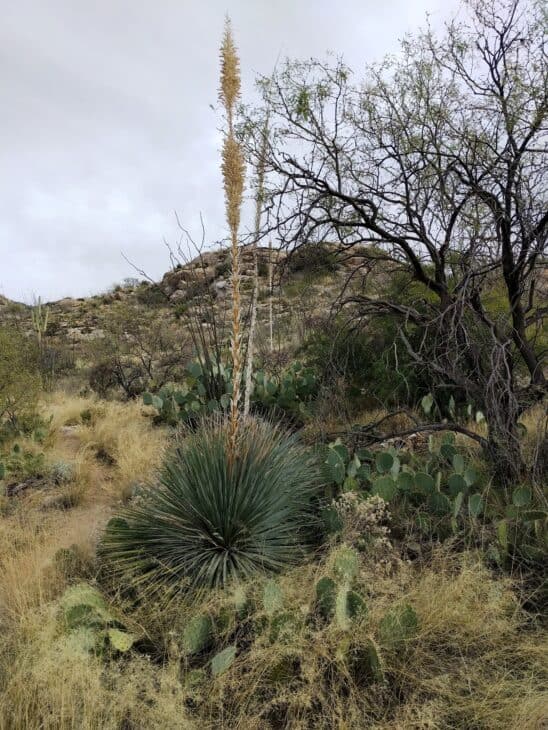
- Produces a tall flowering stalk with many small flowers.
- Prefers well drained soils and full sun to light shade.
- Leaves can cause mechanical injury from teeth or spines.
- Several species are cultivated and species traits vary.
- Often used in rock gardens, gravel beds, and dry slopes.
Sotol is a rosette forming perennial from northern Mexico and the US Southwest that is valued for its stiff narrow leaves and dramatic tall flowering stalks. It makes a strong architectural accent in xeriscapes and gravel gardens but the leaf margins have sharp teeth that can cut skin.
Identification
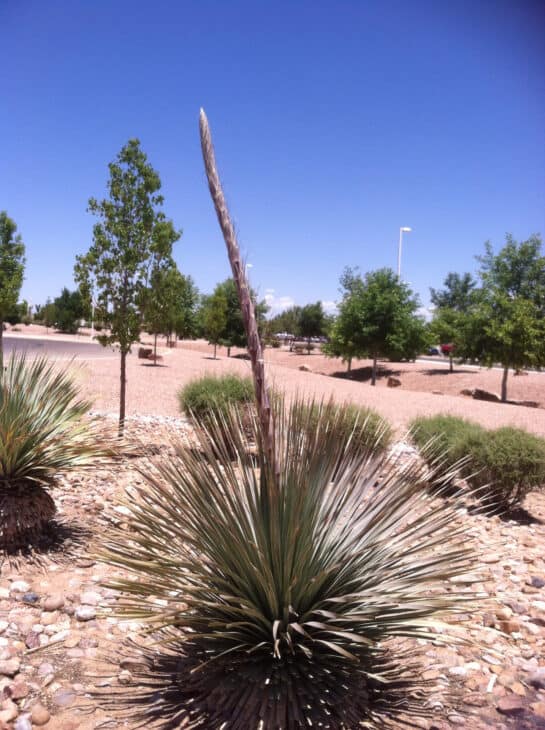
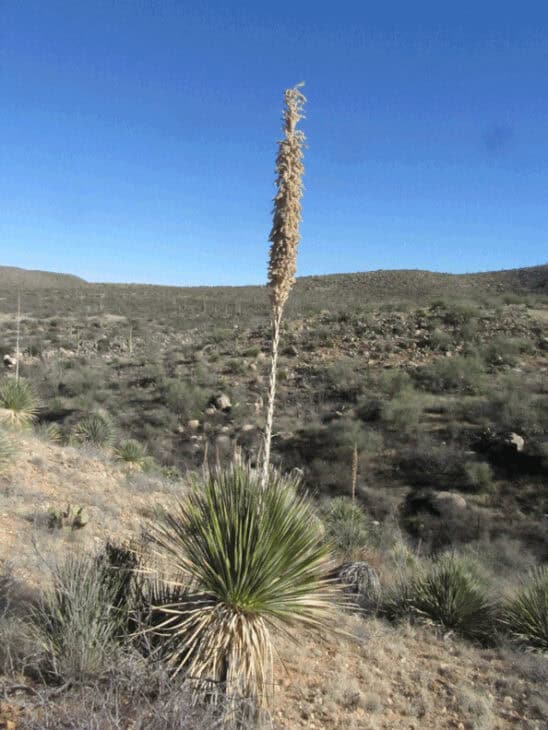
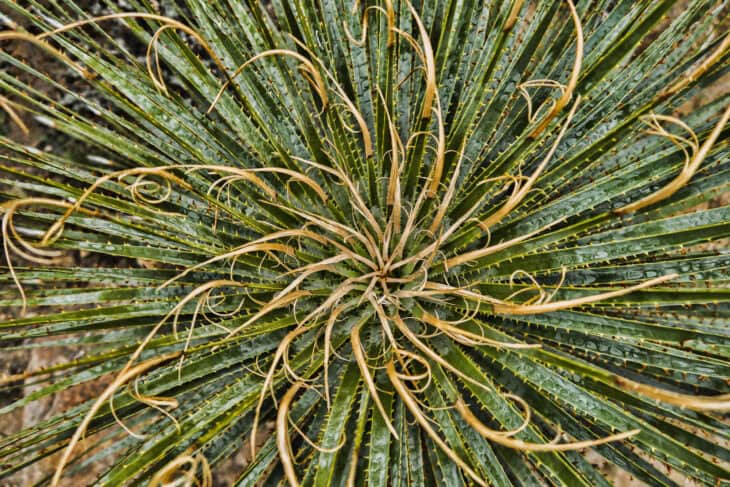
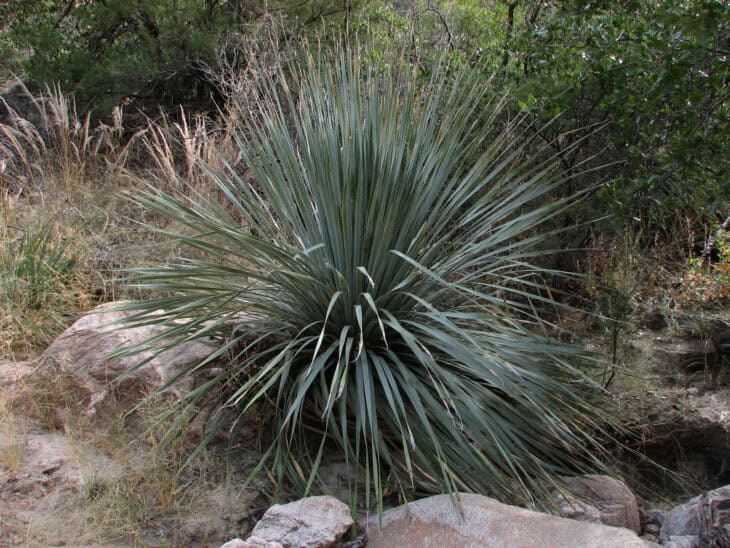
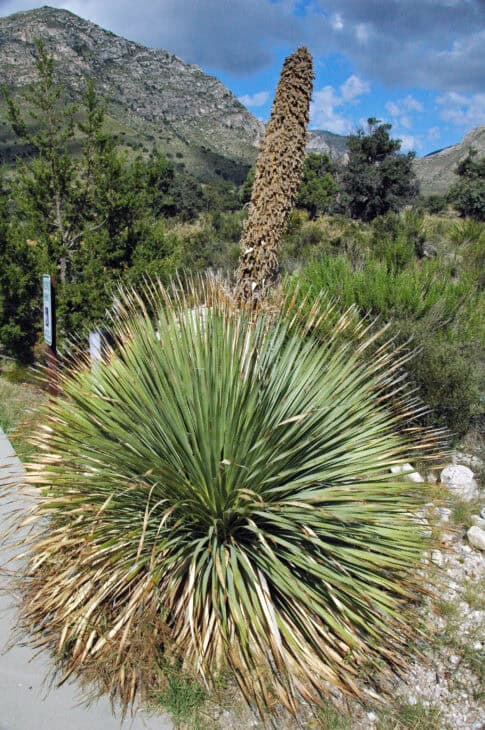
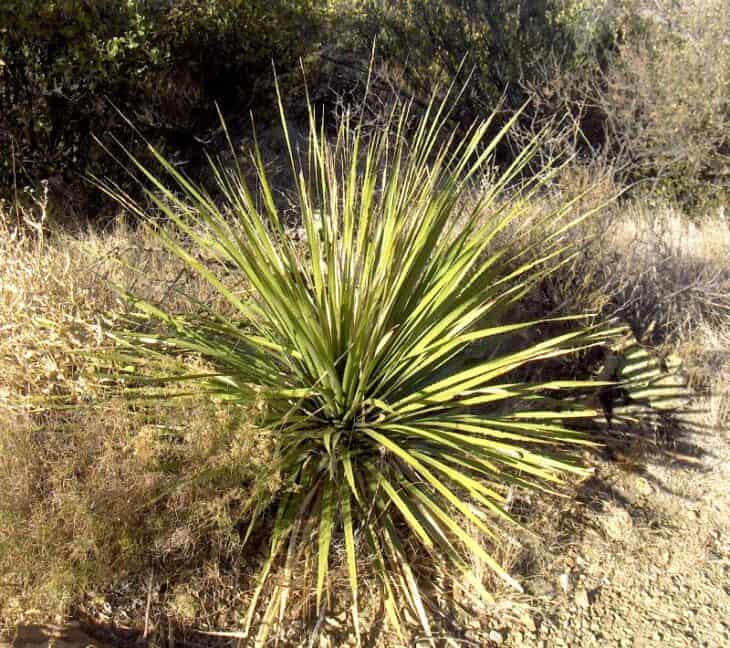
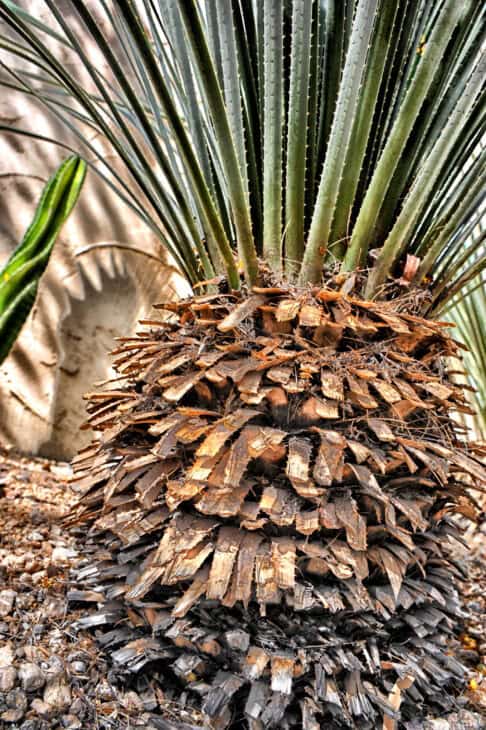
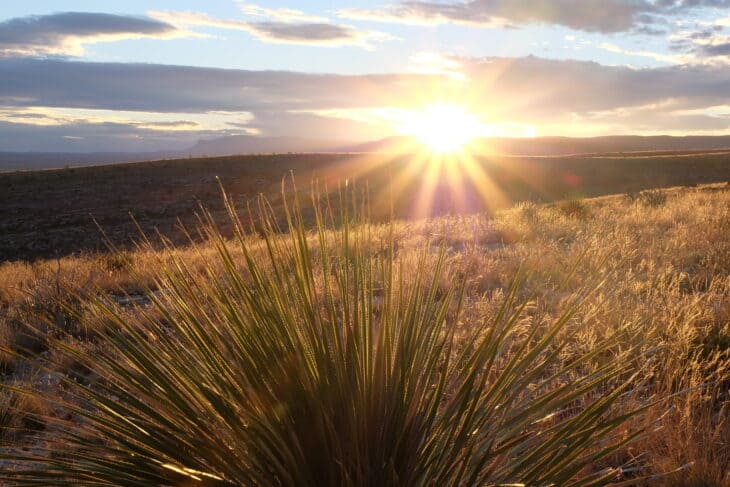
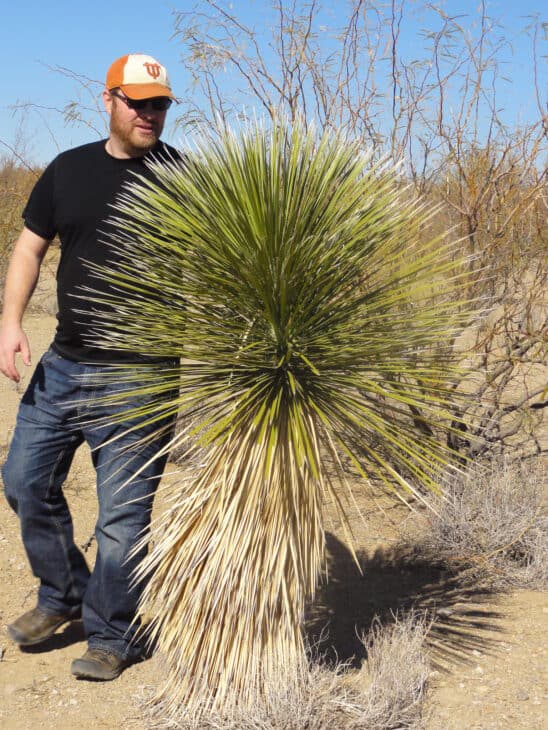
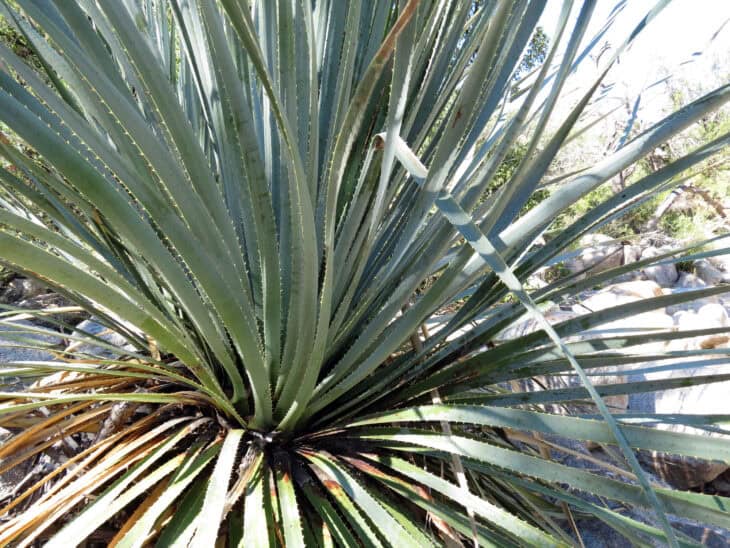
Sotol (Dasylirion spp.) grows as a stout rosette of rigid, narrow leaves with toothed margins. Rosette height commonly ranges from about 2 to 6 feet and spread typically reaches about 3 to 6 feet, while flowering stalks can extend well above the leaves. Many species produce a tall panicle of small flowers in spring to early summer in many climates.
Best uses and where to grow
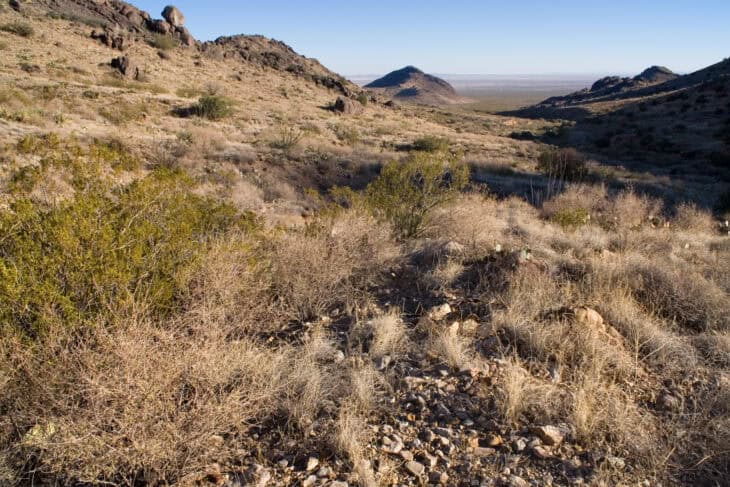
Use sotol as an accent plant in rock gardens, gravel beds, dry slopes and other xeriscape settings where its architectural form can be appreciated. It prefers full sun to light shade and performs in warm temperate to desert landscapes. USDA hardiness is commonly reported around zones 7 to 10 but cold tolerance varies by species and local microclimate.
Soil and planting
Plant sotol in very well drained soils such as sandy or rocky mixes. It tolerates poor and alkaline soils but will decline in heavy, waterlogged clay. Allow spacing that matches the mature rosette, roughly 3 to 6 feet apart depending on the species and site.
Watering and maintenance
Sotol is very drought tolerant once established and needs only minimal supplemental water in dry landscapes. Persistent wet soil or overwatering causes root decline and plant loss, so improve drainage in heavier sites. In shadier conditions the plant may grow more loosely and produce fewer flowers.
After flowering
Flower stalks are dramatic and may be left for winter interest or removed after seed set to tidy the plant. Seed production and flowering frequency vary by species and climate, and removing the stalk will not harm the rosette.
Propagation
Seed is the primary propagation method for Dasylirion and generally produces true plants. Some species produce basal pups or can be divided when offsets are present. Germination and any stratification needs vary by species, so confirm requirements for the taxon you are growing.
Safety and wildlife
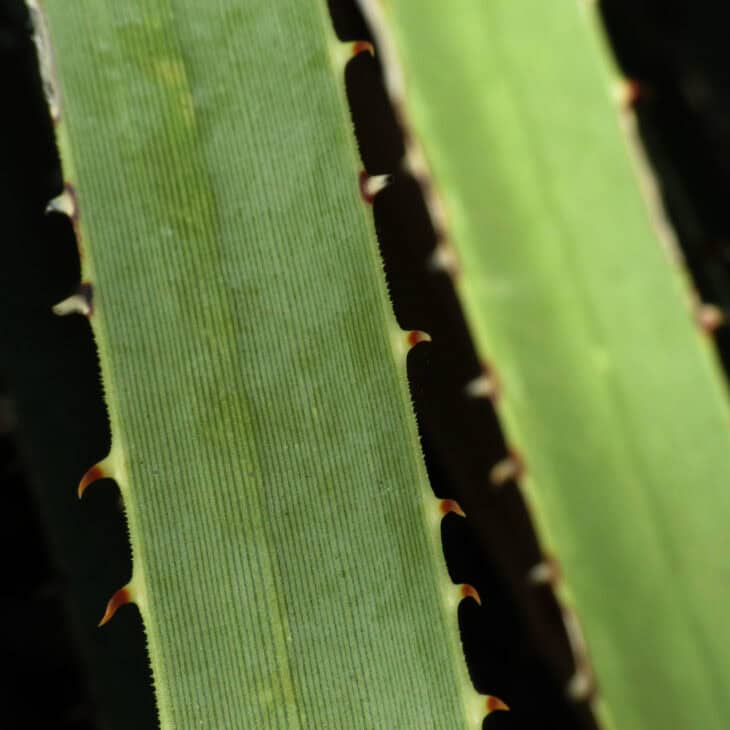
Sotol is not widely reported as chemically toxic but the leaf margins have sharp teeth that can puncture or cut skin. Some species have traditional edible uses but verify species identification and preparation from authoritative sources before consuming. Keep pets and children away from sharp leaf edges.
Frequently asked questions
- How fast does Sotol grow?
- Growth is generally slow to moderate. Many plants take several years to form a full 2 to 6 foot rosette. Rate varies by species, soil fertility, water and climate.
- Is Sotol drought tolerant?
- Yes. Sotol is very drought tolerant once established and is commonly used in xeriscape and desert-style plantings.
- Can I grow Sotol in a container?
- Smaller species can be grown in large containers if you use a very free draining mix and avoid winter wet. Larger species are better suited to the landscape.
- How should I control spread or volunteers?
- Sotol generally spreads slowly. Remove unwanted seedlings and, where present, pull or divide basal pups to limit local spread.
- Does Sotol flower every year?
- Sotol typically flowers in spring to early summer in many climates but exact timing and frequency depend on species and local conditions.
Gallery
Related Plants


Mentioned In (1)

Plants
8 Plants That Look Like Yucca
With their starburst of spikey leaves, yuccas bring structure and texture to the garden. The genus encompasses many species –…