
Key Facts
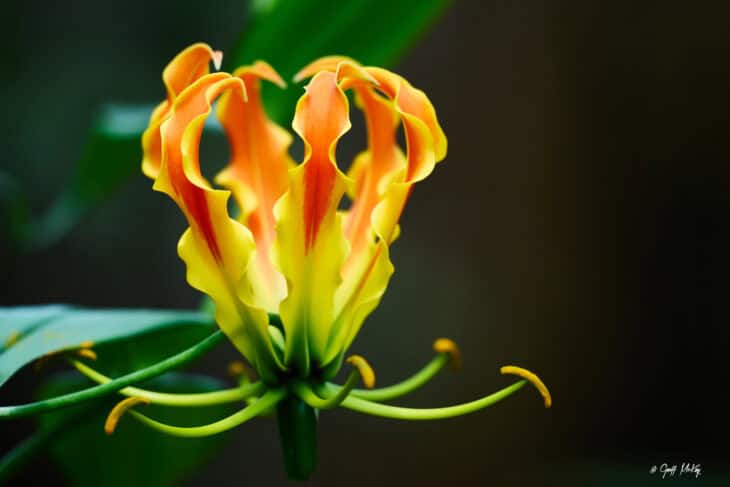
- Tuberous climbing perennial with showy reflexed petals.
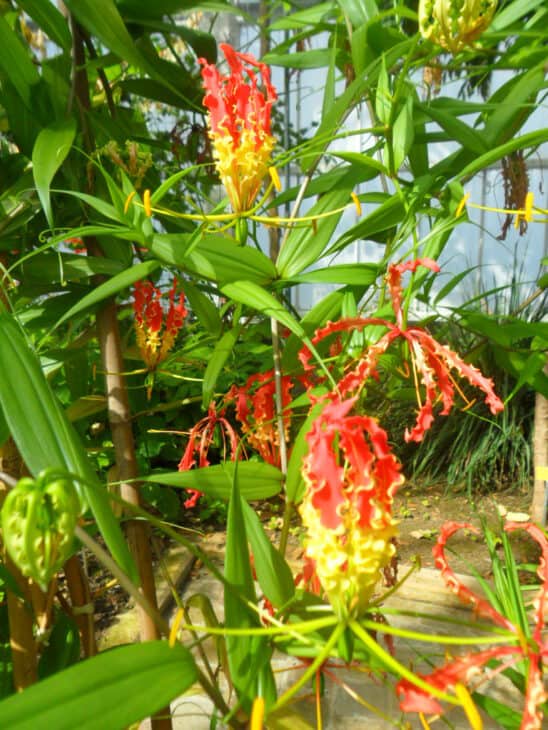
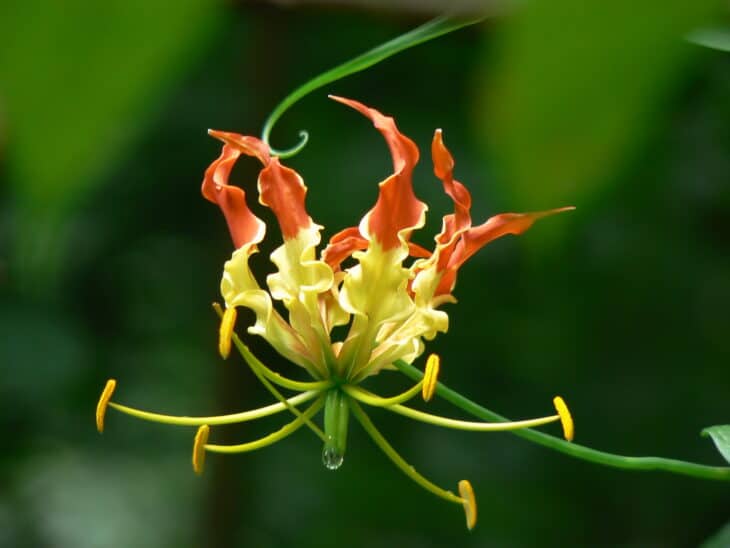
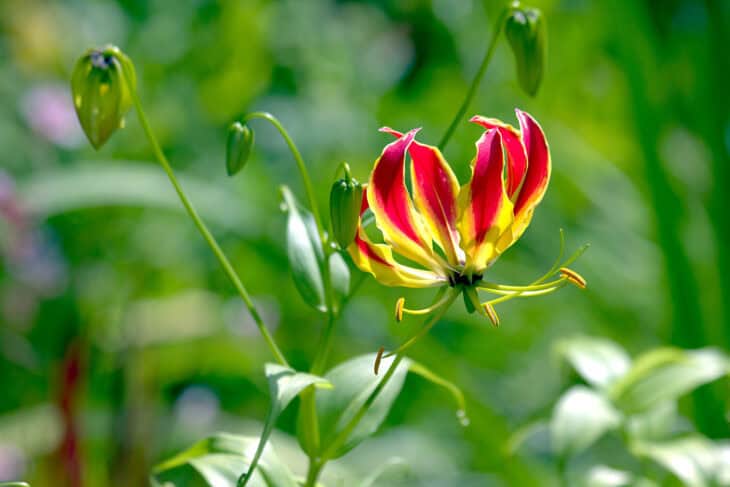
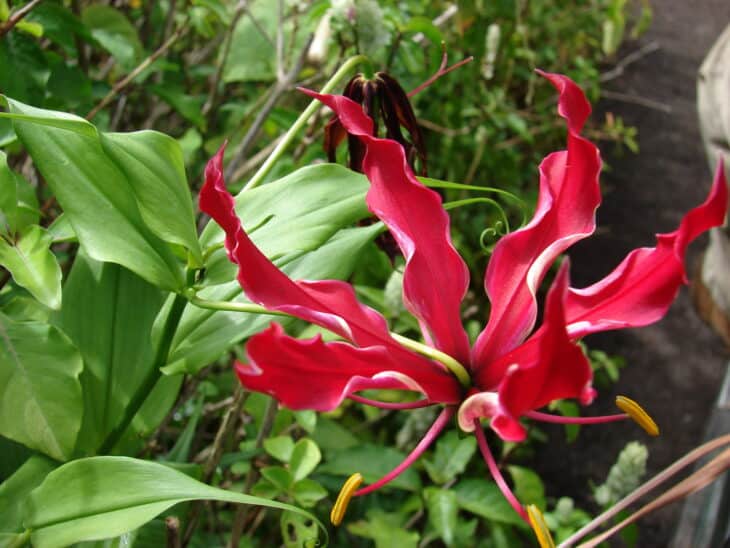
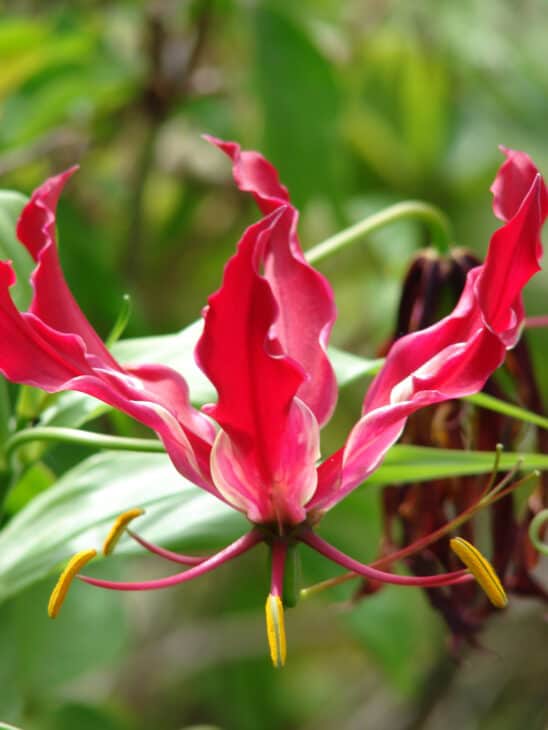
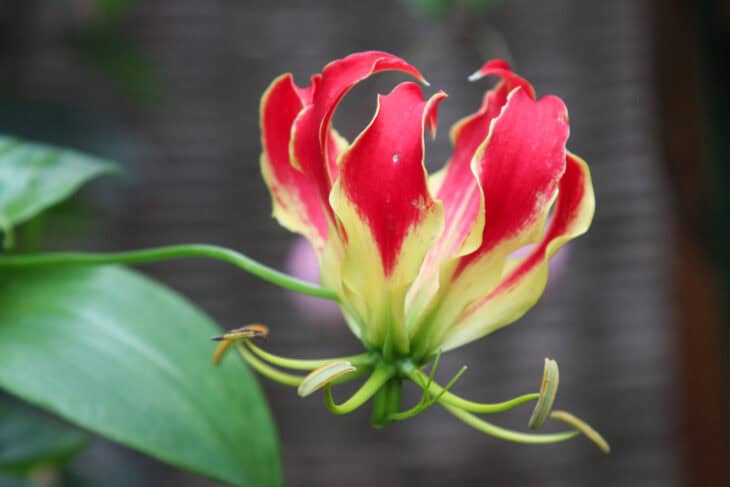
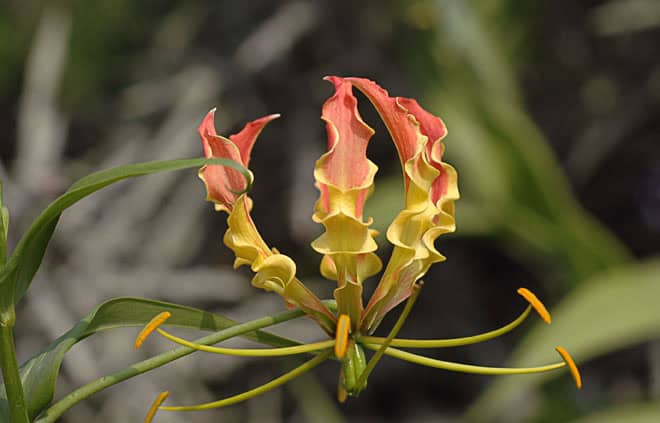
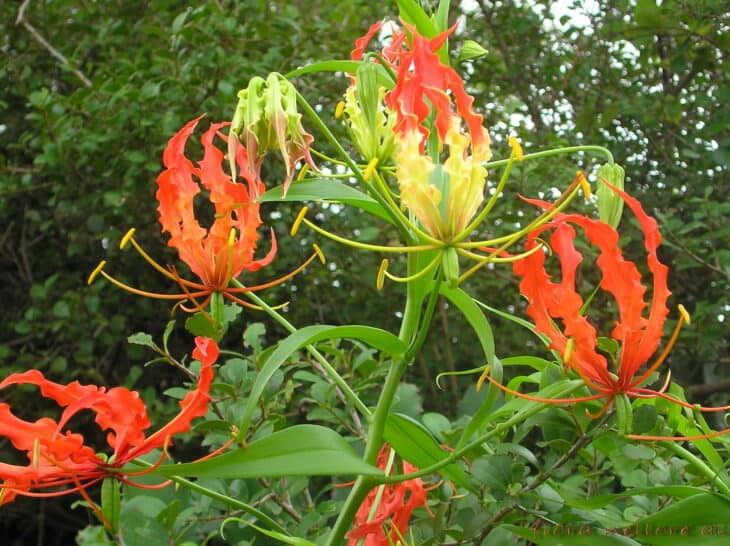
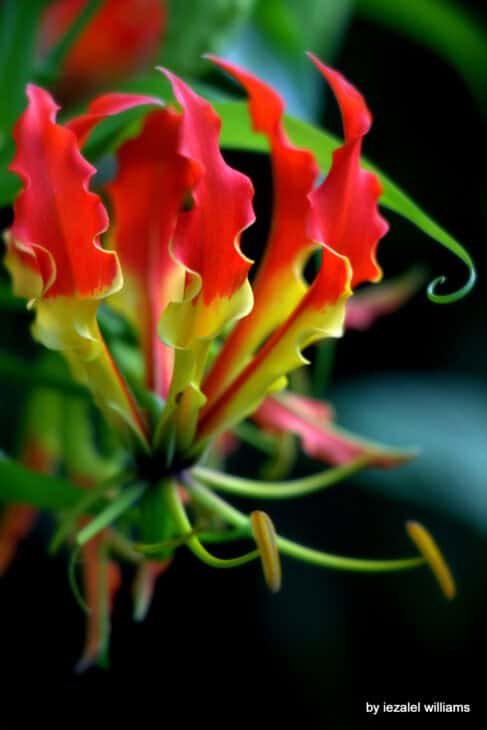
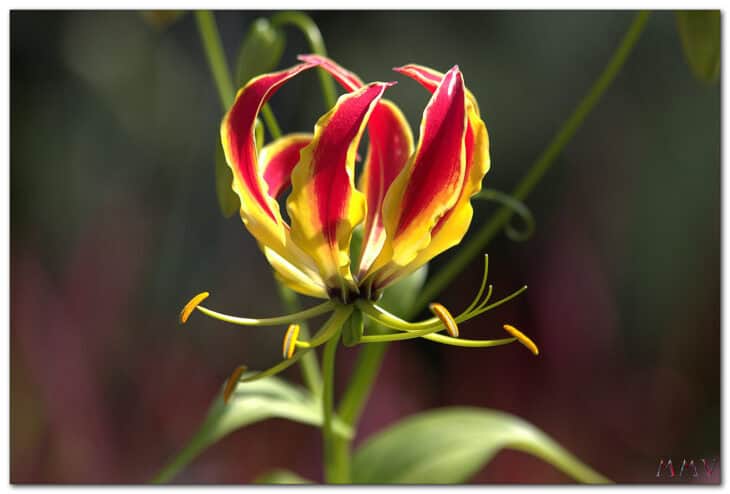
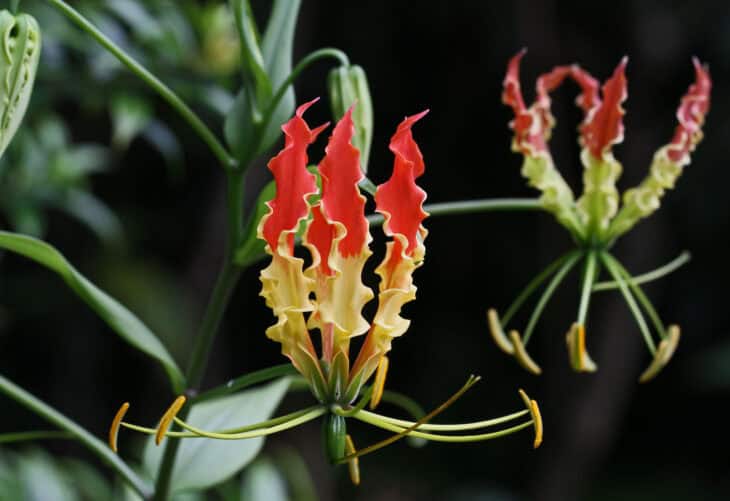
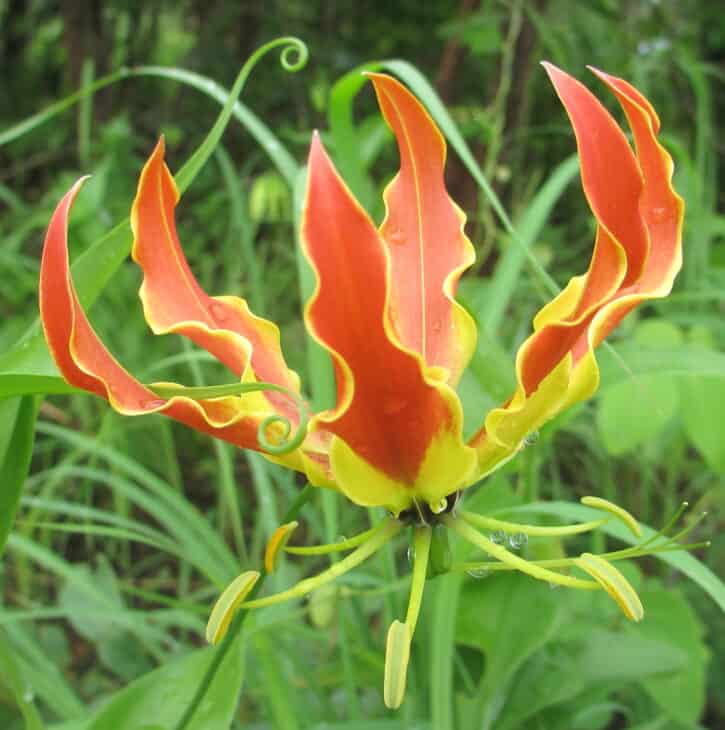
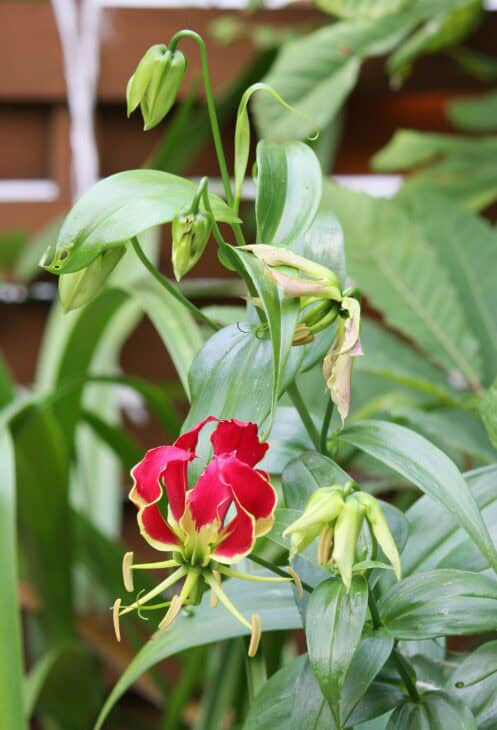
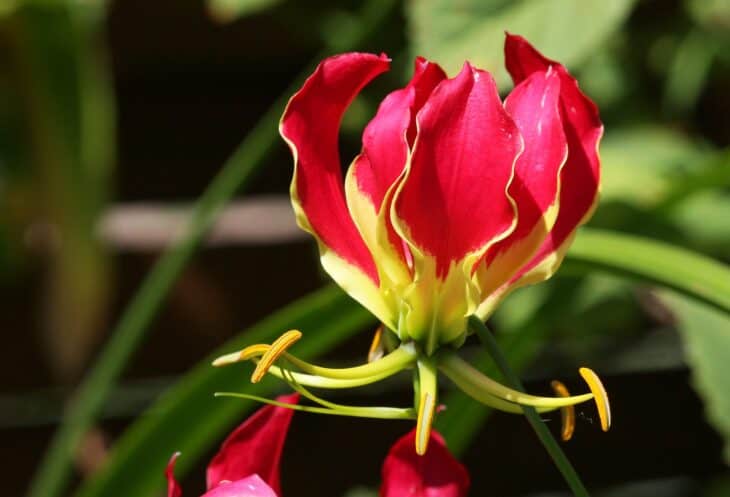
- Flowers are usually red, orange or yellow often with contrasting edges.
- Grows from underground tubers and can be propagated by division or seed.
- Prefers rich, well drained soil and regular moisture while growing.
- Suitable for frost free climates or grown as lifted tubers in cooler areas.
- Highly toxic to humans and animals due to colchicine and other alkaloids.
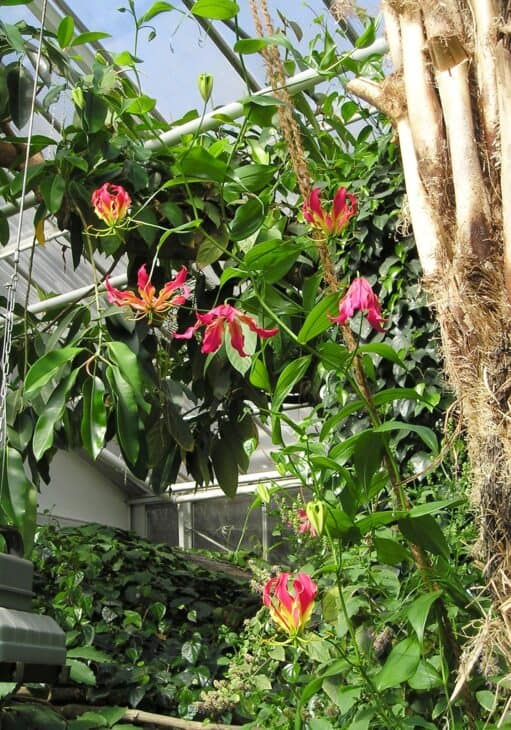
- Best placed where it can climb supports or be trained through other plants.
Gloriosa Lily is a tuberous climbing perennial prized for dramatic reflexed red, orange or yellow flowers and used on trellises or trained through other plants. It performs best in frost free gardens or as a container plant where tubers can be lifted and stored in cooler climates and is highly toxic to people and pets.
Identification
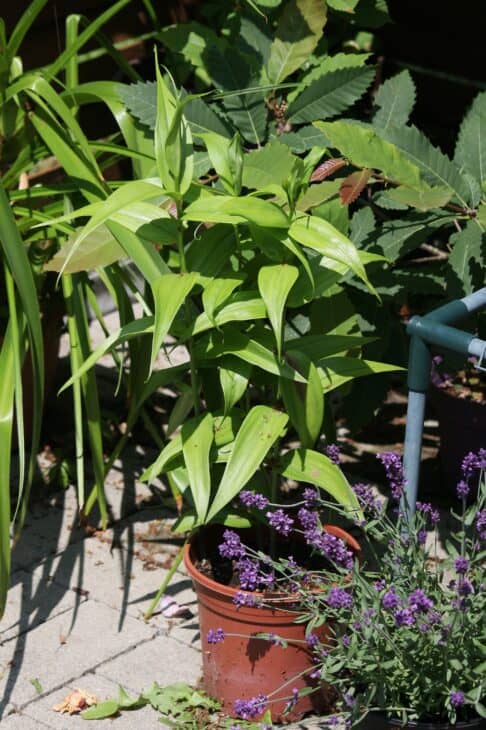
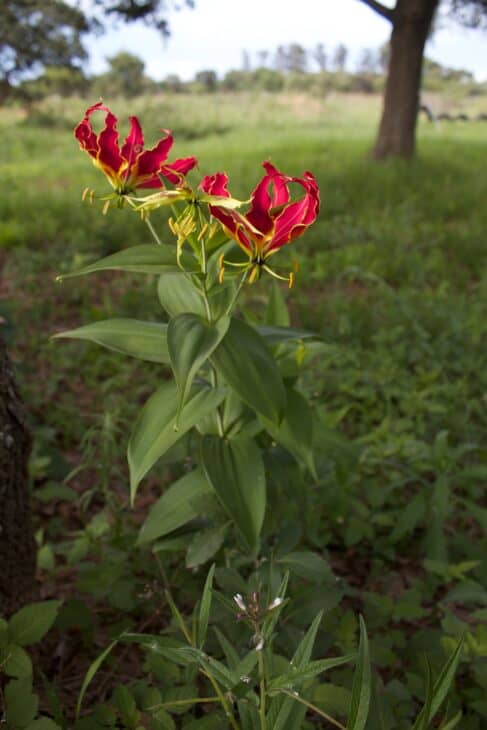
A climbing perennial that grows from underground tubers and produces showy reflexed petals in red, orange or yellow often with contrasting edges. Plants can reach several feet when given support and will form clumps of tubers that can be divided to produce more plants.
Where to grow and best uses
Place Gloriosa Lily where it can climb a trellis, obelisk or through neighboring shrubs so its flowers are displayed at eye level. Best in frost free climates where it returns as a perennial. In colder areas grow in containers or lift tubers for winter storage.
Planting and timing
Plant tubers in spring once soil warms and risk of hard frost has passed. In frost prone regions lift and store tubers over winter and replant in spring. Seed propagation is possible but seed grown plants can take years to flower.
Soil light and watering
Grow in rich humus rich, well drained soil with a neutral to slightly acidic pH around 6.0 to 7.0. Give full sun to part shade, protecting foliage from harsh afternoon sun in hot sites. Keep soil evenly moist while plants are actively growing because poor drainage or cold wet soils cause tuber rot and winter loss.
After flowering and winter care
Reduce watering as foliage dies back and allow tubers to go dormant. In USDA zones 9 to 11 the plant can remain in the ground; in colder zones lift tubers and store them in a frost free location until replanting in spring.
Propagation and controlling spread
Propagate by dividing tubers in spring or by seed. Plants can spread by tuber offsets and by seed in suitable climates so remove unwanted seedlings and lift tubers to prevent naturalizing in sites where persistence is unwanted.
Containers and moving tubers
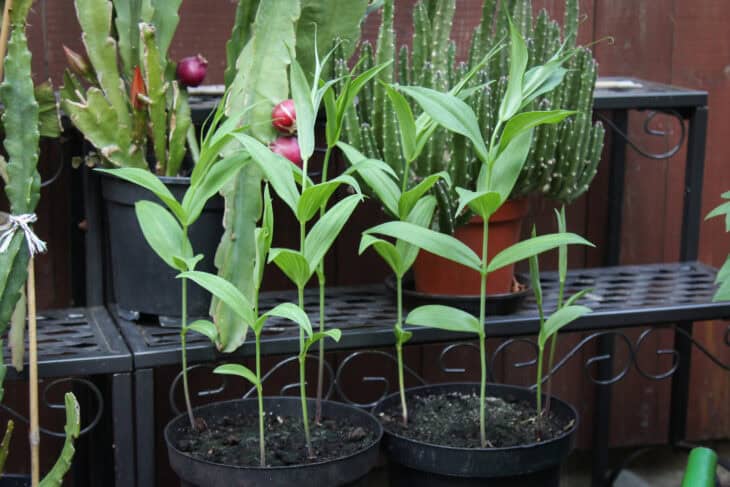
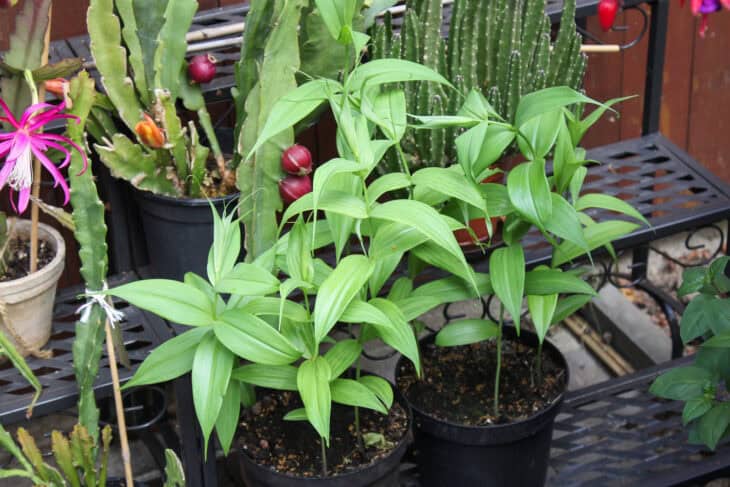
Gloriosa Lily adapts well to large containers that provide support for climbing. Containers let you lift and store tubers indoors in winter and protect plants from cold wet soils that cause rot.
Safety
All parts are highly toxic and contain colchicine and other alkaloids. Ingestion can cause severe illness or death. Wear gloves when handling tubers and keep plants away from children and pets. Seek immediate medical or veterinary advice in cases of exposure.
Frequently asked questions
- How fast does Gloriosa Lily grow?
- Growth is often vigorous when the season is long and a support is provided. Plants can reach several feet or more during a single growing season under favorable conditions.
- Is Gloriosa Lily poisonous?
- Yes. All parts are poisonous and contain colchicine and other toxic alkaloids. Handle with care and seek immediate medical or veterinary help after ingestion.
- What hardiness zones are suitable?
- Generally suited to USDA zones 9 to 11. In colder zones lift tubers and overwinter them indoors or grow as a summer container plant.
- How do I prevent tuber rot?
- Plant in rich, well drained soil, avoid cold wet sites and keep soil evenly moist rather than waterlogged. Lift tubers in areas with wet winters.
- How should I propagate Gloriosa Lily?
- Divide tubers in spring or grow from seed. Seed grown plants can take longer to reach flowering size.
Gallery
Related Plants


Mentioned In (2)

Plants
24 Poisonous Plants in Indiana
There are numerous advantages to having plants around, including the ability to beautify our surroundings while also serving as sources…

Plants
24 Poisonous Plants in Florida
When we think about plants, we usually think about how magnificent and beautiful they are. They are a source of…