
Key Facts
- Native to much of North America and adaptable to many habitats.
- Contains urushiol oil that causes allergic contact dermatitis in most people.
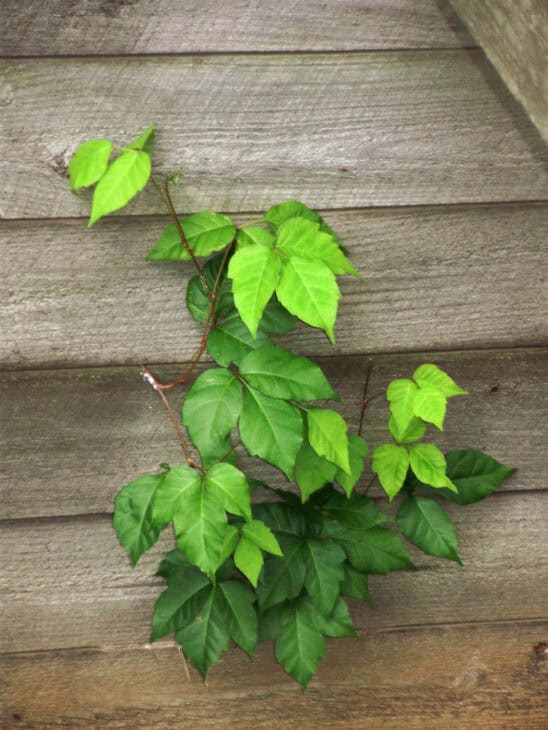
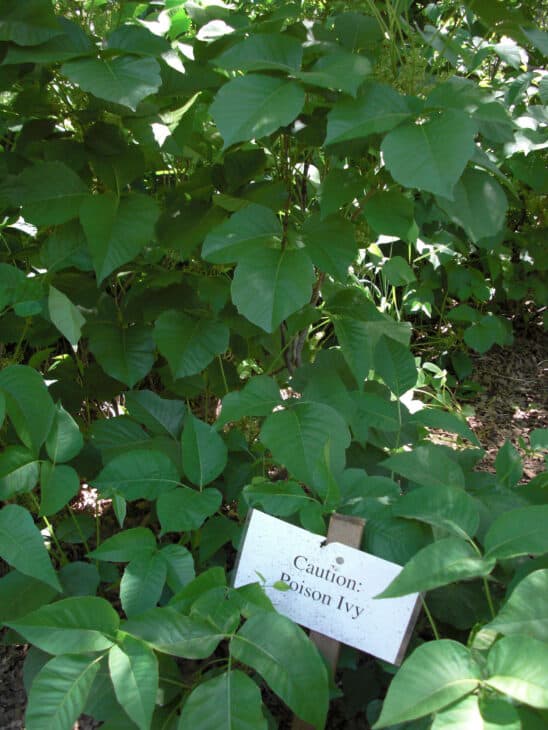
- Grows as a climbing vine shrub or groundcover depending on site.
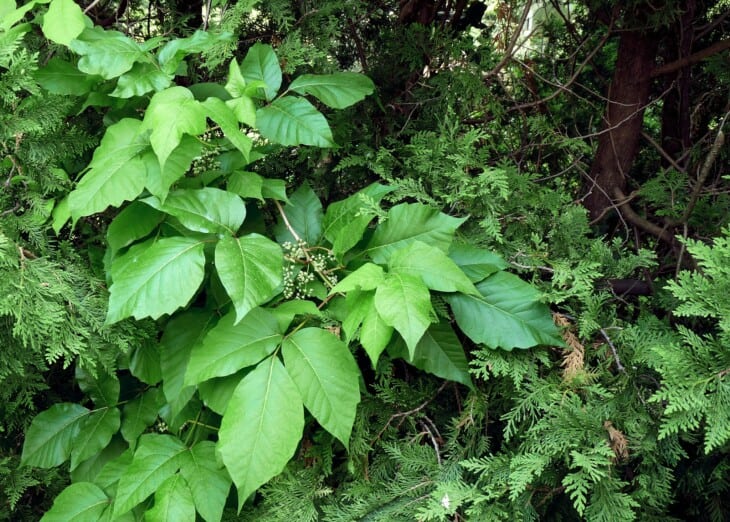
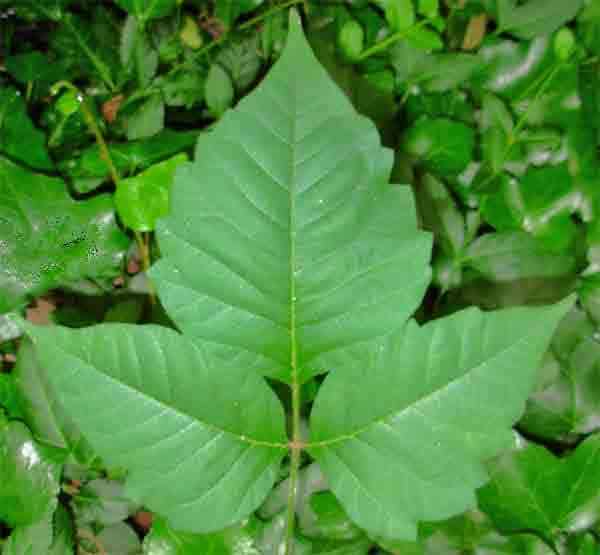
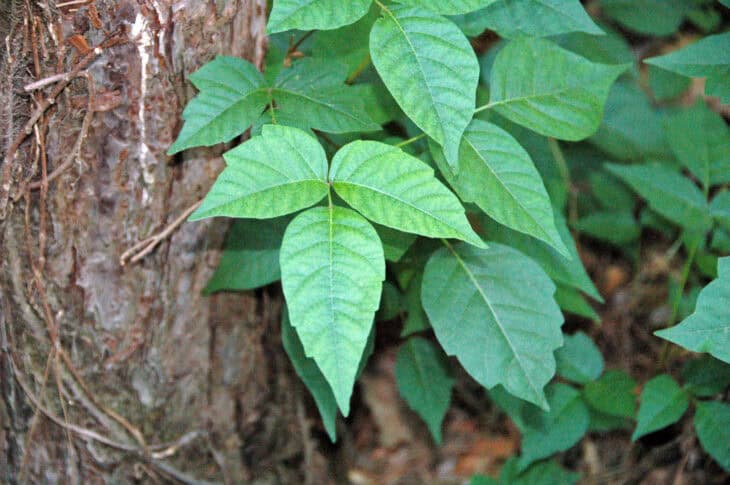
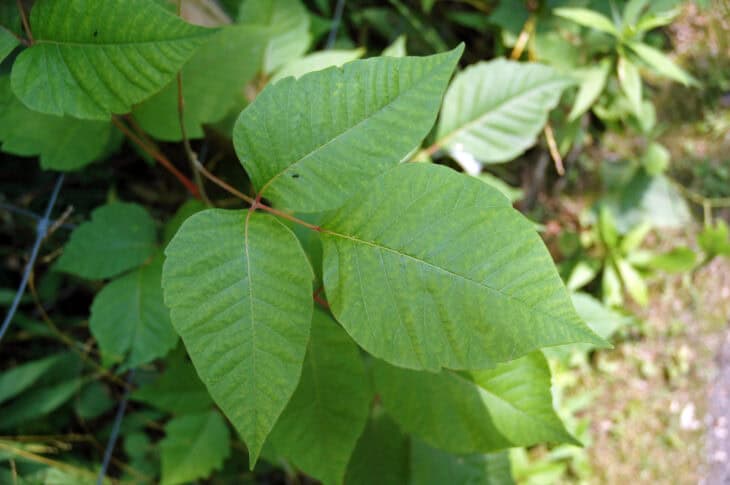
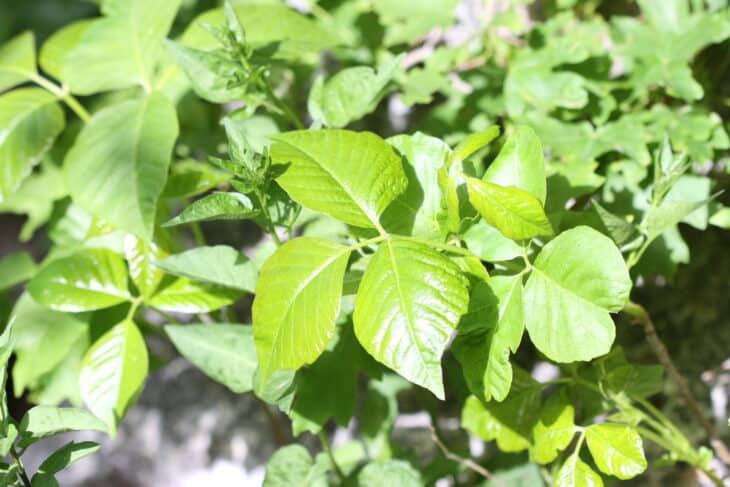
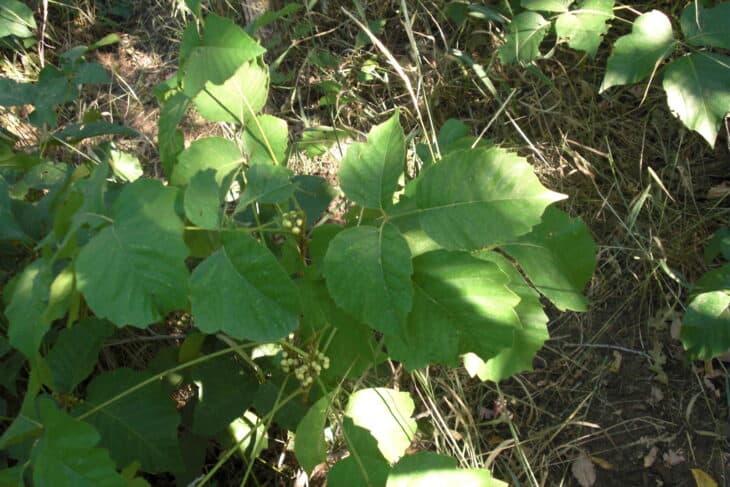
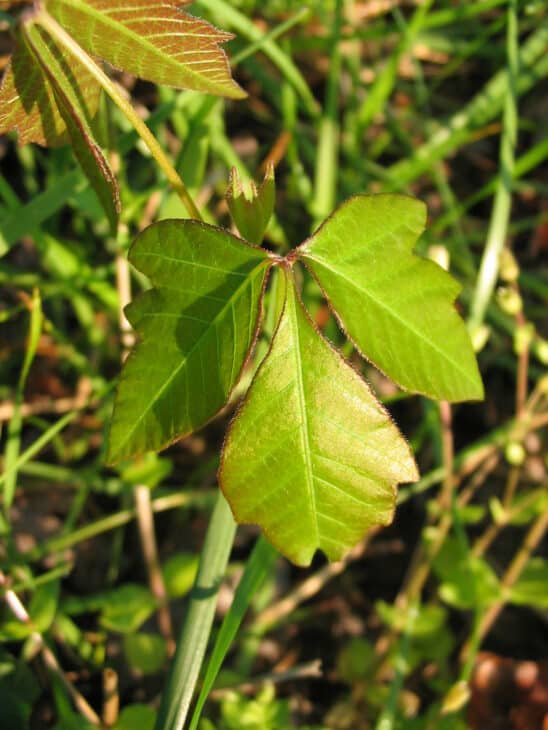
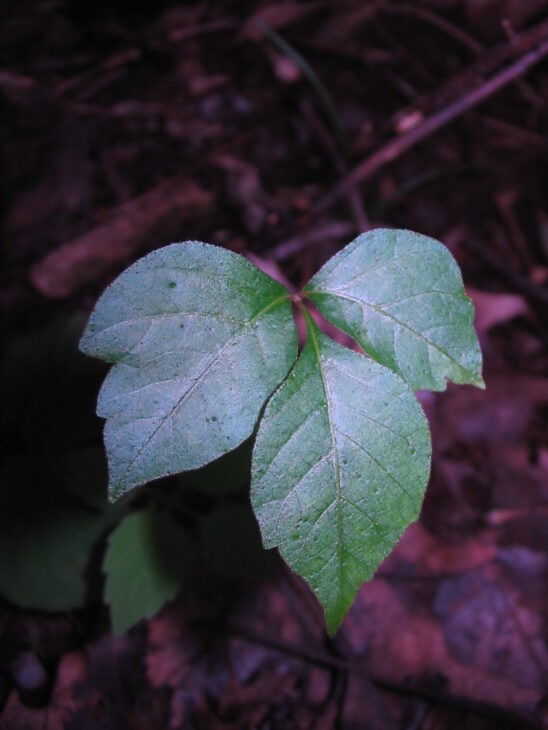
- Leaves are compound with three leaflets so remember leaves of three avoid me.
- Small greenish flowers appear in spring and produce white to grayish berries by fall.
- Propagates by seed and vegetative spread from roots and rooting stems.
- Wild birds eat the berries and help spread the plant.
- Urushiol can remain active on dead plants clothing and tools for months.
Poison Ivy is a common North American plant that worries gardeners because it produces urushiol oil that causes allergic skin reactions and because it can grow as a vine shrub or groundcover and spread both by seed and by roots.
Identification and common habits
Leaves are compound with three leaflets so remember leaves of three avoid me. Growth form varies with site, from low groundcover to woody shrub to climbing vine that can ascend trees and structures and reach many meters in length. Small greenish flowers appear in spring and fruit develops into white to grayish berries by fall.
Where it grows
Poison Ivy is native to much of North America and adapts to many habitats. It tolerates a wide light range, from full sun to deep shade, and is often found at forest edges and in understory situations.
Soils tolerated are broad, and the plant prefers well drained fertile soils but will persist in rocky or compacted areas. USDA hardiness zones are roughly 3 to 10, with top growth often dying back in colder zones and more persistent growth and spread in warmer zones.
Toxicity and safety
The plant contains urushiol oil that causes allergic contact dermatitis in most people. Urushiol can transfer from plants to clothing, tools, and other surfaces and remain active for months. Pets can carry oil on their fur and transfer it to people even if the animals do not show the same rash.
When working near suspected plants wear gloves and long sleeves, wash skin immediately after contact, and clean clothing and tools to avoid later exposure. For ingestion or severe reactions contact your local poison control or medical provider.
How it spreads and basic control principles
Poison Ivy spreads by bird dispersed seed and by vegetative means such as root sprouts, layering, and stems that root when they touch soil. Because both seedlings and root sprouts help reestablish plants, control plans should address seed sources and the root system.
For small patches dig out roots while wearing protective clothing and then wash tools and clothes. Removing fruiting stems or disturbed plants requires caution because urushiol remains on dead material. For large or persistent infestations consult local extension services for recommended control strategies and safety guidance.
Seasonal notes and care
Flowers are typically produced in spring to early summer, with fruit developing by late summer and peaking in fall. Berries are eaten by wild birds which helps disperse seed that can establish new plants the following season.
Because the species tolerates a wide range of soil moisture, watering is not usually required for plants that are already established. In landscapes where you want to discourage vigor avoid creating unusually fertile, well drained conditions that favor rapid growth.
Frequently asked questions
How fast does Poison Ivy grow? Growth rate varies by form and site. It can form colonies by root sprouts and spread several feet to many yards over time, and climbing vines can gain many meters of length under favorable conditions.
Can pets get Poison Ivy symptoms? Pets may carry urushiol on their fur and transfer it to people. Animals often do not show the same rash but do not rely on that as a sign of safety. Wash pets and any contaminated items if exposure is suspected.
How long does urushiol last on clothing and tools? Urushiol can remain active on clothing, tools, and dead plants for months. Clean or discard contaminated items and wash tools after handling plants.
Will Poison Ivy kill trees or structures? The plant can climb trees and structures and cover trunks and surfaces, and in doing so it competes with other plants. When heavy vines cover trunks they can add weight and shading, so monitor trees that host dense growth.
Sources and notes
- Penn State Extension guidance on Poison Ivy
- University of Minnesota Extension identification guide
- USDA PLANTS distribution and hardiness information
- Missouri Botanical Garden plant information
- Centers for Disease Control and Prevention on urushiol and dermatitis
- American Association of Poison Control Centers
Gallery
Related Plants


Mentioned In (31)

Plants
10 Plants That Look Like Virginia Creeper
The Virginia Creeper (Parthenocissus Quinquefolia) is a vine plant. It's part of the grape family and produces small, grape-like purple…

Plants
23 Poisonous Plants in Georgia
In Georgia, you do not only have to worry about dangerous pests that may be destroying your yard. Instead, you…
Plants
25 Poisonous Plants in Pennsylvania
Pennsylvania has a diverse landscape that grows many varieties of flora, including a large variety of vines, trees, and shrubs.…

Plants
25 Poisonous Plants in North Carolina
North Carolina is home to hundreds of different species of poisonous plants. While some of these plants are more common…

Plants
22 Poisonous Plants in Idaho
There are several beautiful types of plants in Idaho that can be dangerous or even fatal to touch or eat.…
Plants
25 Poisonous Plants in Washington State
Native and imported plants are abundantly found in Washington State. Animals and humans should avoid eating these plants since they…
Plants
24 Poisonous Plants in Alabama
There are dangers lurking in the world of toxic plants, even those that look harmless. Many plants contain poisons that…

Plants
25 Poisonous Plants in Colorado
Colorado is home to abundant species of plants, including some poisonous varieties that might appear benign but can do significant…

Plants
25 Poisonous Plants in Illinois
Want to increase your knowledge of the poisonous plants in Illinois? The Prairie State is home to a large variety…

Plants
24 Poisonous Plants in Tennessee
Interested in learning about the poisonous plants in Tennessee to protect yourself when hiking the great outdoors in the state?…
Plants
23 Poisonous Plants in Arkansas
Arkansas is home to a wide range of flora that may be found in backyards, fields, forests, and hiking routes.…

Plants
14 Poisonous Plants in South Carolina
South Carolina is blessed with a vast array of some of the most stunning flora and fauna, with vivid hues…
Plants
15 Poisonous Plants in Kentucky
Even though plants are an essential part of our world, and they add beauty, color, and uniqueness to diverse landscapes…

Plants
22 Poisonous Plants in Iowa
Hikers in Iowas must constantly be aware of the possibility of disaster in a natural environment, even if they are…

Plants
21 Poisonous Plants in Maryland
When the warmer weather nears, many people may look forward to spending more time outdoors, which also includes natural landscapes…

Plants
18 Poisonous Plants in Connecticut
Connecticut is home to a few varieties of poisonous plants. Some may look attractive, drawing more people, children, and animals…

Plants
17 Poisonous Plants in New Hampshire
New Hampshire's delicate beauty and innocent demeanor disabuse us of any preconceived notions. New Hampshire's fresh scents entice us, but…
Plants
16 Poisonous Plants in Maine
There are thousands of poisonous plant species in the world, and some might even be in your backyard, locality, city,…

Plants
14 Poisonous Plants in West Virginia
West Virginia is a great area to get in tune with nature because of its lush forests, rivers, and plentiful…

Plants
19 Poisonous Plants in Missouri
Accidental poisonings by toxic plants throughout the United States are extremely common, estimated to be about 2 million every year.…

Plants
15 Poisonous Plants in Mississippi
According to the American Association of Poison Control Centers, two individuals in the United States died as a result of…

Plants
14 Poisonous Plants in New York
You may find a variety of plants lurking in backyards, fields, forested areas, and hiking trails throughout New York. While…

Plants
24 Poisonous Plants in Indiana
There are numerous advantages to having plants around, including the ability to beautify our surroundings while also serving as sources…
Plants
20 Poisonous Plants in Minnesota
The presence of vegetation contributes to the survival of life. In our regular diet, we consume a variety of plants,…

Plants
24 Poisonous Plants in Oklahoma
You can find several types of poisonous plants in the state of Oklahoma in a variety of natural landscapes. So,…

Plants
12 Poisonous Plants in Oregon
There are numerous poisonous plants in the state of Oregon. They can be toxic to both animals and humans. Other…
Plants
22 Poisonous Plants in Michigan
Known for its beautiful outdoor adventures, tourists and locals love spending their time hiking in Michigan. The weather is always…
Plants
22 Poisonous Plants in Ohio
Ohio is home to some of the most interesting and unique wildflowers as well as some of the most dangerous…

Plants
21 Poisonous Plants in Wisconsin
Wisconsin has an abundant variety of flora, and summer is a great time to explore it all! If you love…
Plants
24 Poisonous Plants in Texas
If you live in Texas or are visiting and you love mother nature, be prepared to run into at least…

Plants
24 Poisonous Plants in Florida
When we think about plants, we usually think about how magnificent and beautiful they are. They are a source of…