
Key Facts
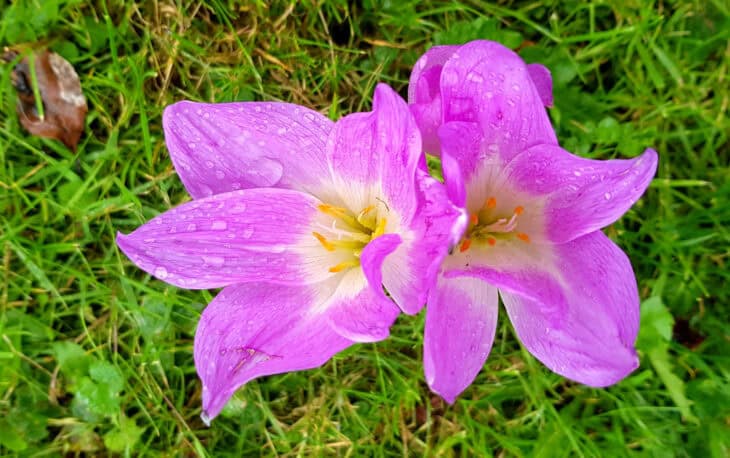
- A bulbous perennial that produces crocuslike flowers in autumn.
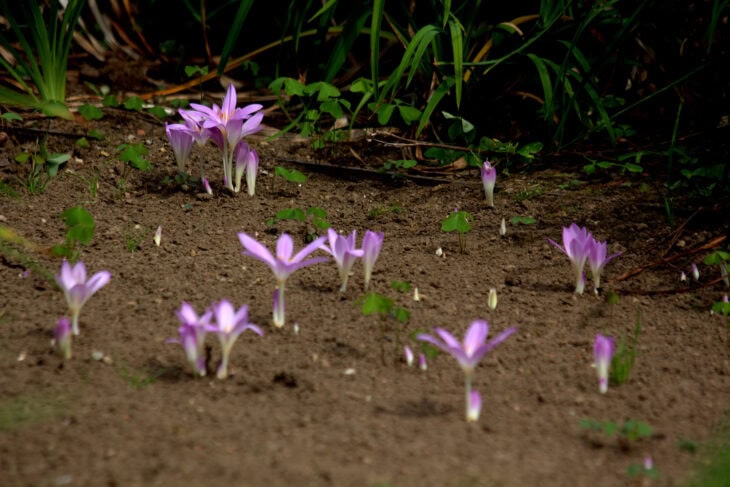
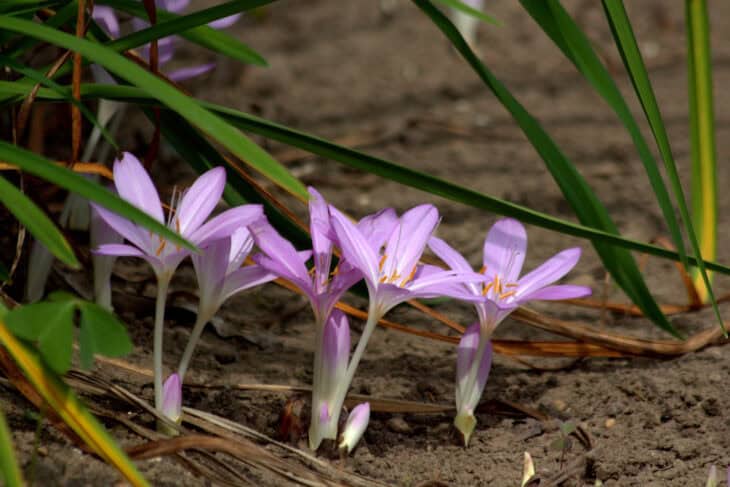
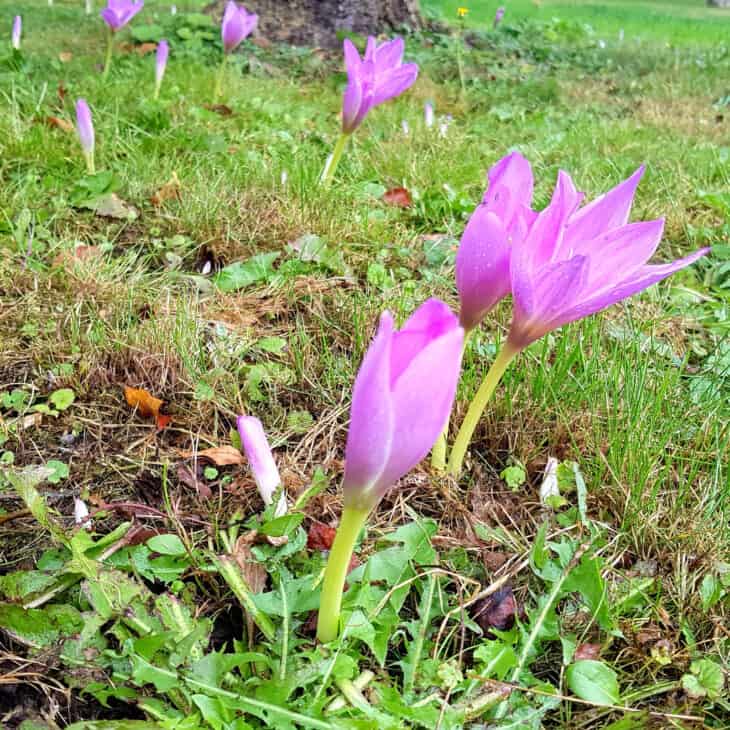
- Flowers usually appear without accompanying foliage.
- Leaves emerge in spring and die back before flowering.
- Contains the alkaloid colchicine and is highly toxic if ingested.
- Prefers well drained soil and can rot in poorly drained ground.
- Suitable for naturalizing in lawns and under trees where drainage is good.
- Propagated mainly by dividing corms after leaf dieback.
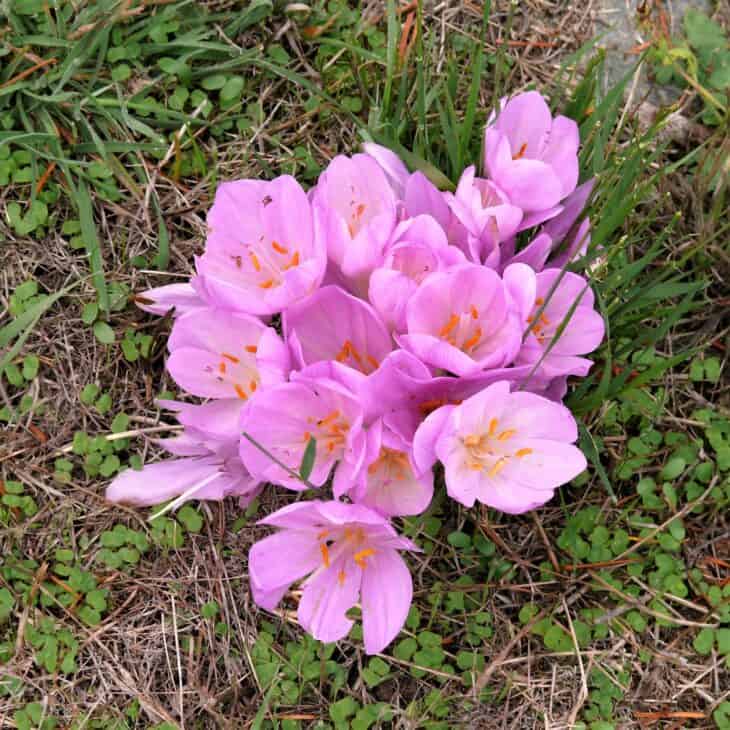
- Flowers are typically pink to lilac in garden selections.
Autumn Crocus is a bulbous perennial that produces crocuslike flowers in autumn, prized for late season color but highly toxic if ingested. Leaves emerge in spring and die back before the autumn blooms.
Identification
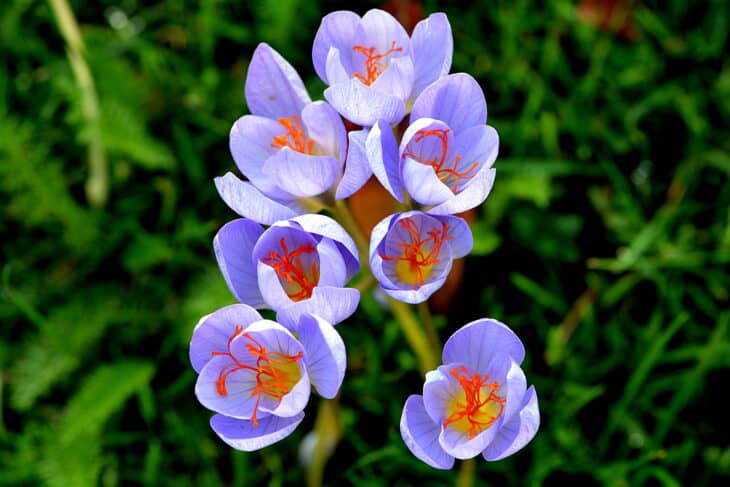
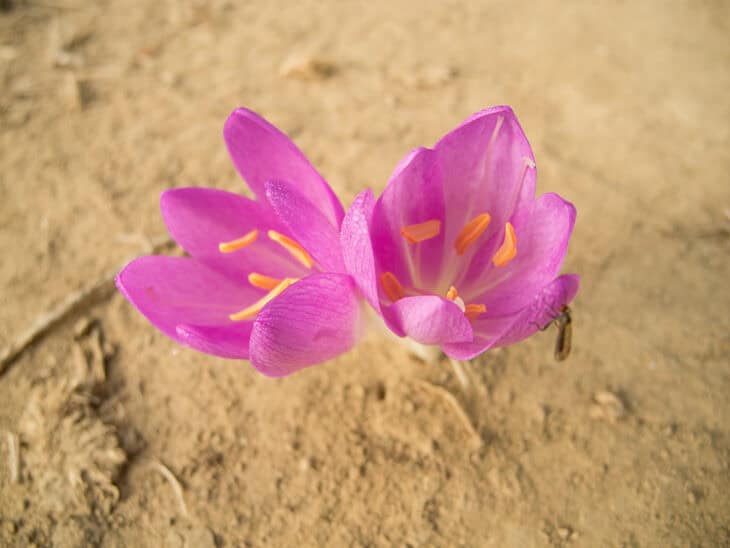
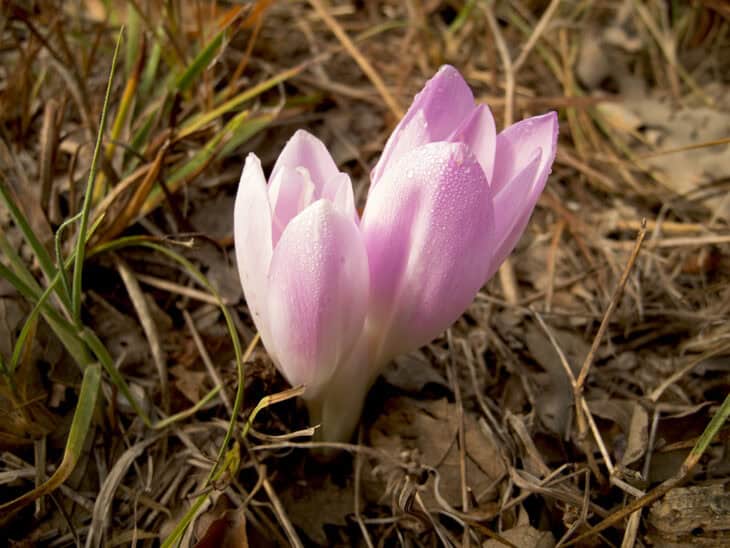
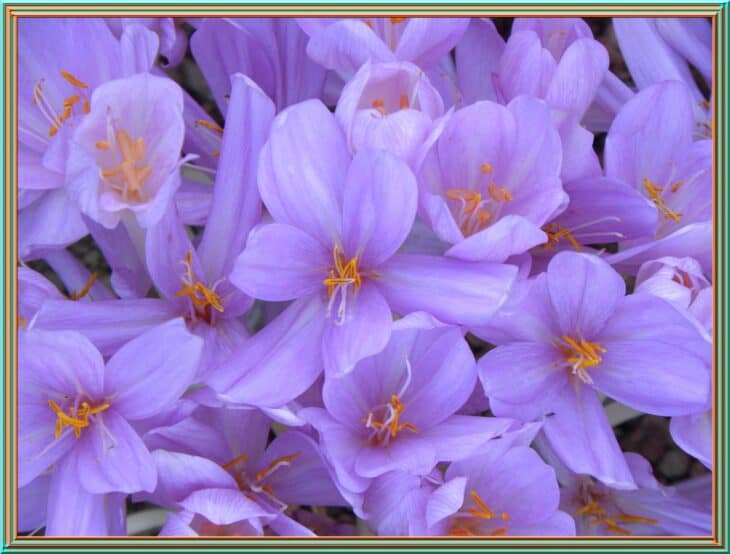
Flowers are crocuslike and typically pink to lilac in garden selections. Plants reach about 6 to 12 inches tall to the top of the flowers. Blooms usually appear without accompanying foliage.
Best uses and where to grow
Use Autumn Crocus to naturalize under trees and in lawns where drainage is good. It performs in full sun to part shade and afternoon shade helps in hot summers. Reported hardiness is USDA zones 4 to 8 so confirm local conditions for extremes of cold or heat.
Soil light and watering
Prefers fertile well drained soil and tolerates neutral to slightly alkaline pH. Poor drainage leads to corm rot so avoid waterlogged sites and improve drainage or plant on a slight rise in heavy soils.
Planting and propagation
Plants form small clumps often 4 to 8 inches across so allow that spacing when planting to naturalize. Propagate mainly by dividing corms after foliage has died back in spring. Seed raised plants are possible but seedlings take several years to reach flowering size.
After flowering care
Flowers appear after the foliage has died back so avoid disturbing the ground in autumn. Leave corms undisturbed and lift only for division after the spring foliage has finished and withered.
Controlling spread
Autumn Crocus naturalizes slowly over years. Divide corms every few years to maintain vigour and to control spread in mixed plantings.
Toxicity and handling
All parts are poisonous due to the alkaloid colchicine and can cause severe effects if ingested. Wear gloves when handling and keep plants away from children and pets. For any exposure contact local poison control or emergency services and verify species identification.
Frequently asked questions
- How fast does Autumn Crocus grow?
- It spreads slowly and naturalizes over several years. Seedlings take multiple years before they flower.
- Is Autumn Crocus poisonous?
- Yes. All parts are poisonous because they contain colchicine. Keep away from children and pets and use gloves when handling.
- When does Autumn Crocus bloom?
- Blooms in autumn. In the Northern Hemisphere typical months reported are September to October but timing varies with latitude and microclimate.
- How tall does Autumn Crocus get?
- About 6 to 12 inches to the top of the flowers.
- How do I propagate Autumn Crocus?
- Divide corms after the foliage dies back in spring. Seed is possible but takes years to produce flowering plants.
- Can I naturalize it in a lawn?
- Yes where drainage is good and mowing is timed so bulbs are not damaged. Avoid sites that stay waterlogged in winter.
Gallery
Related Plants


Mentioned In (7)

Plants
25 Poisonous Plants in Massachusetts
There are a few types of dangerous plants in Massachusetts. Some individuals, especially youngsters and animals, may be drawn to…
Plants
25 Poisonous Plants in Pennsylvania
Pennsylvania has a diverse landscape that grows many varieties of flora, including a large variety of vines, trees, and shrubs.…
Plants
24 Poisonous Plants in Alabama
There are dangers lurking in the world of toxic plants, even those that look harmless. Many plants contain poisons that…

Plants
24 Poisonous Plants in Indiana
There are numerous advantages to having plants around, including the ability to beautify our surroundings while also serving as sources…
Plants
22 Poisonous Plants in Michigan
Known for its beautiful outdoor adventures, tourists and locals love spending their time hiking in Michigan. The weather is always…

Plants
24 Poisonous Plants in Florida
When we think about plants, we usually think about how magnificent and beautiful they are. They are a source of…

Plants
12 Plants That Close At Night
It's always fascinating to see a plant with its leaves or flowers wide open and in full bloom during the…