
Key Facts
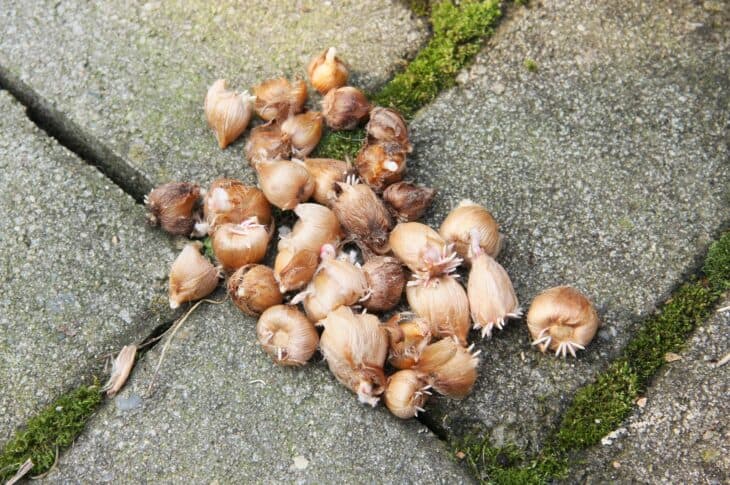
- Bulbous perennial often grown from small corms or bulbs.
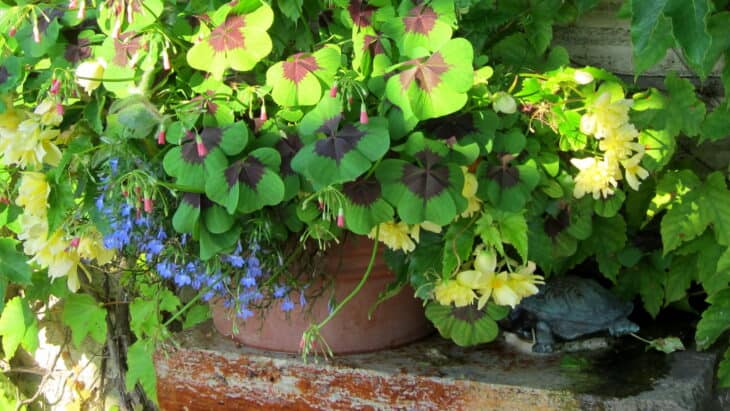
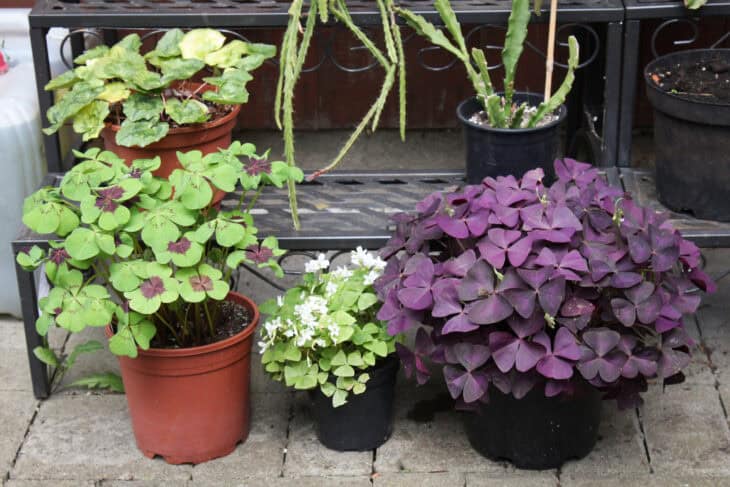
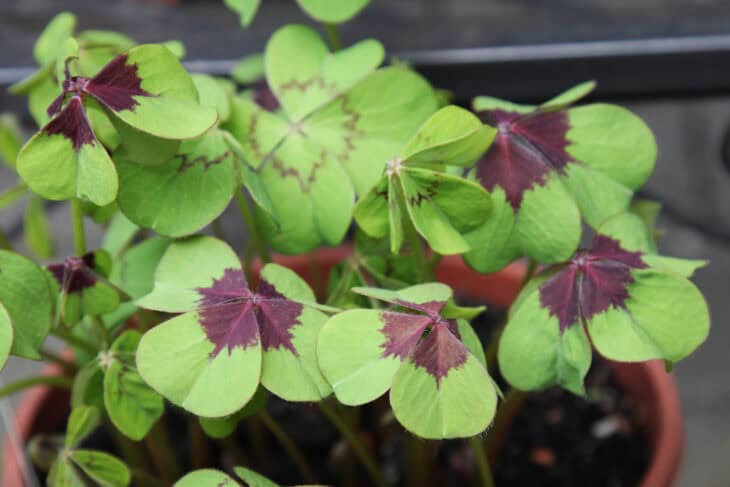
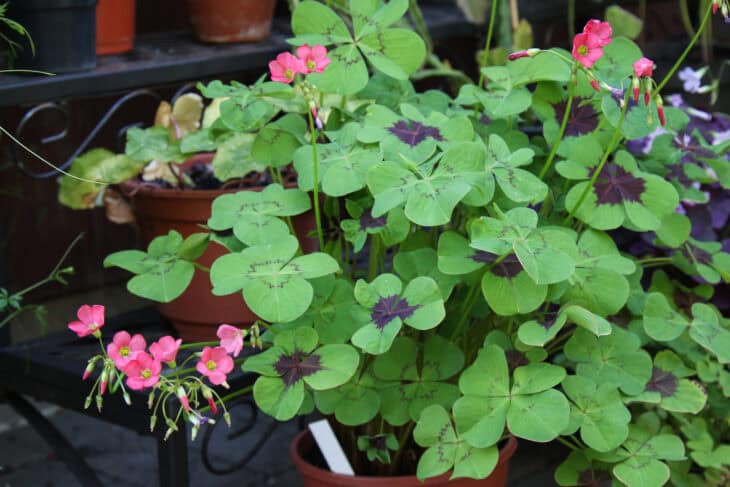
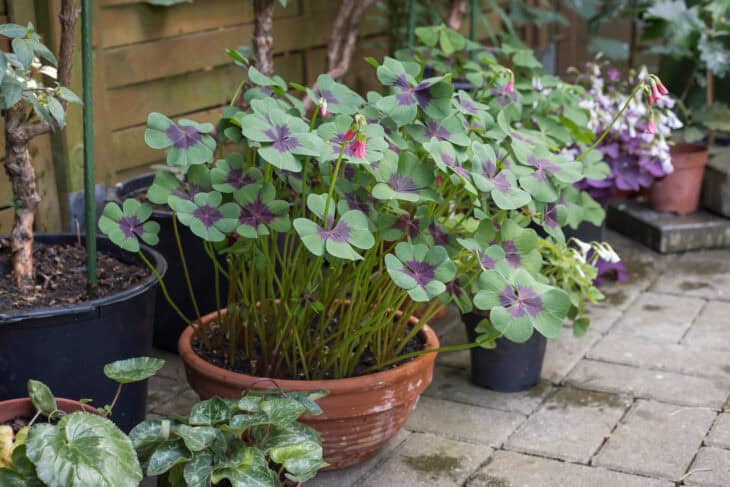
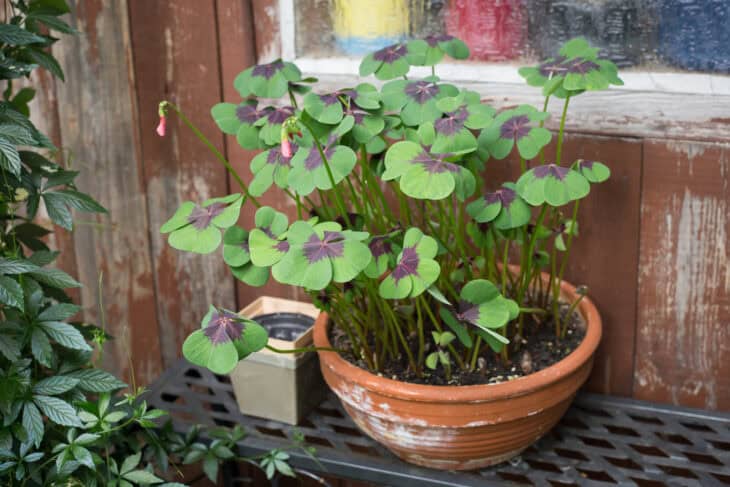
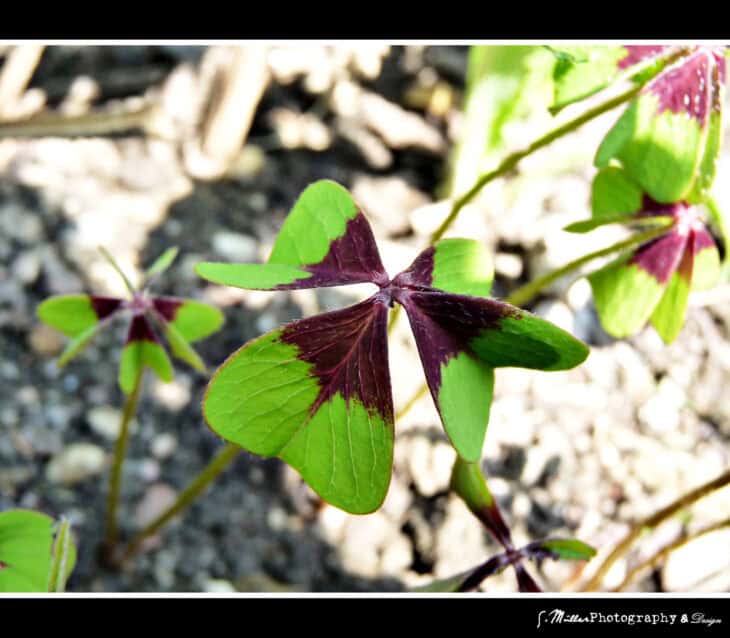
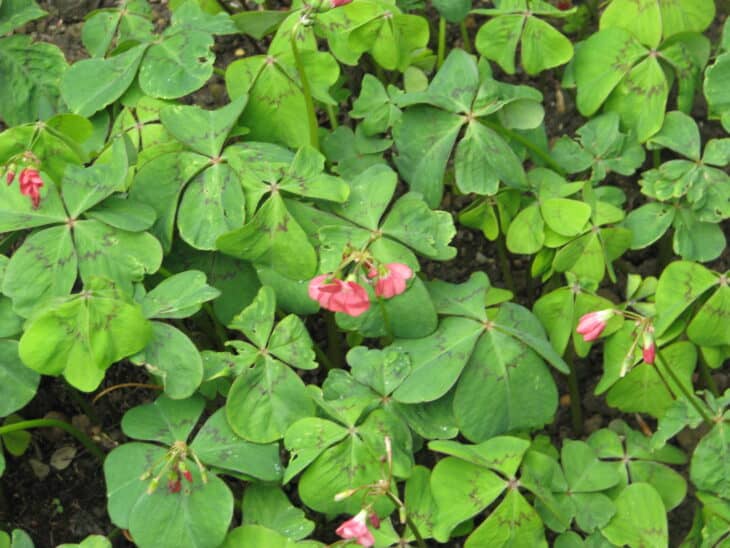
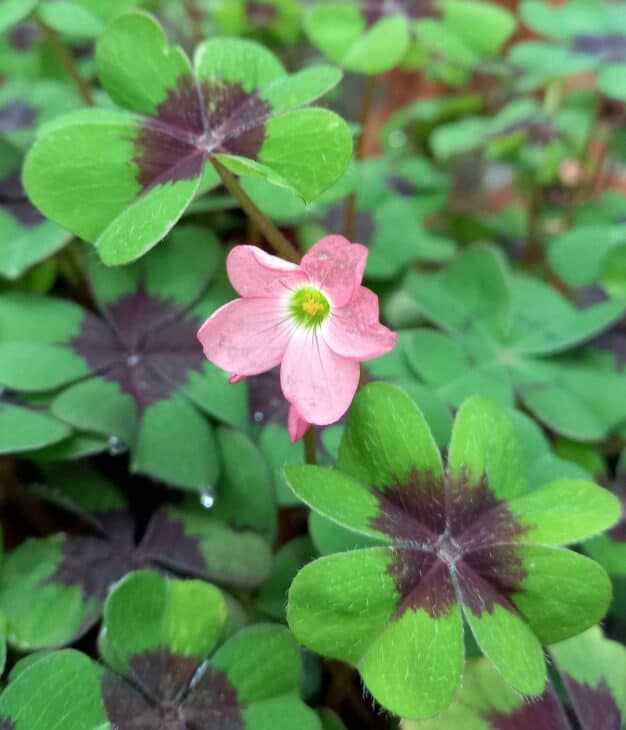
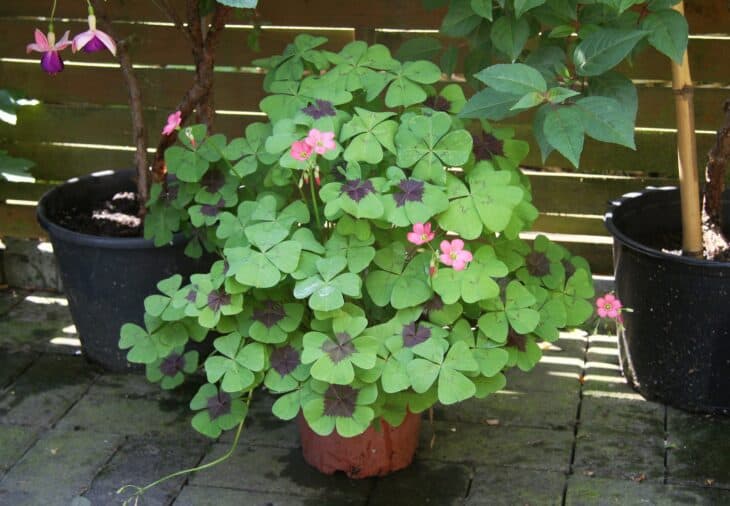
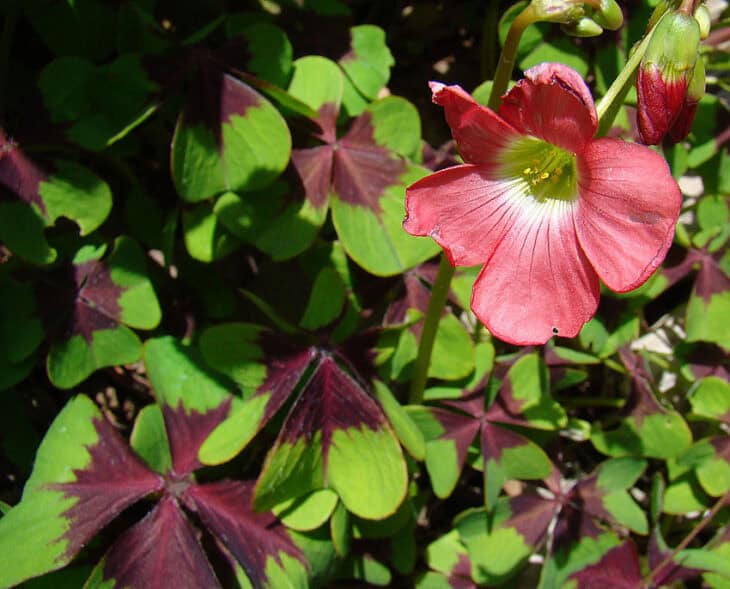
- Distinctive four‑leaf clover appearance with a dark purplish cross on each leaf.
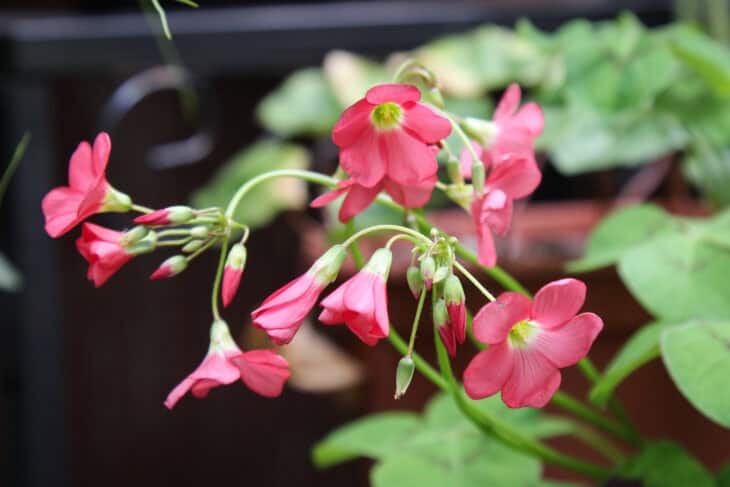
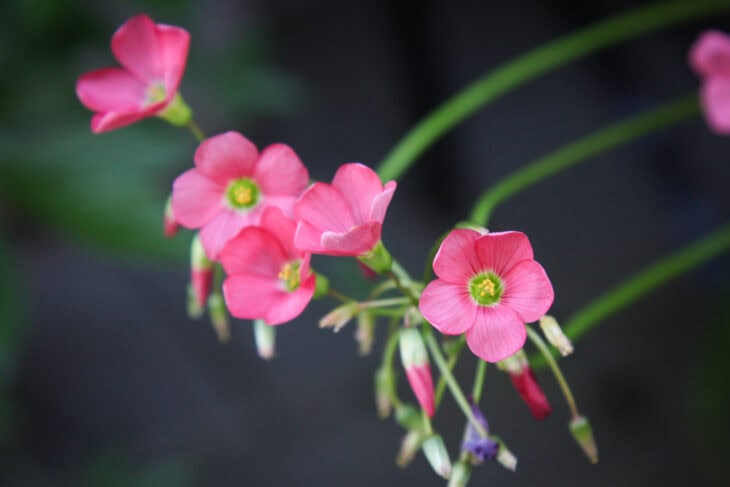
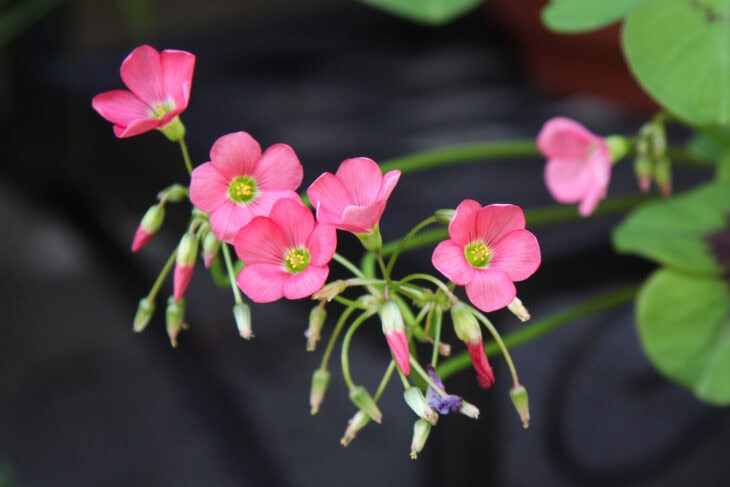
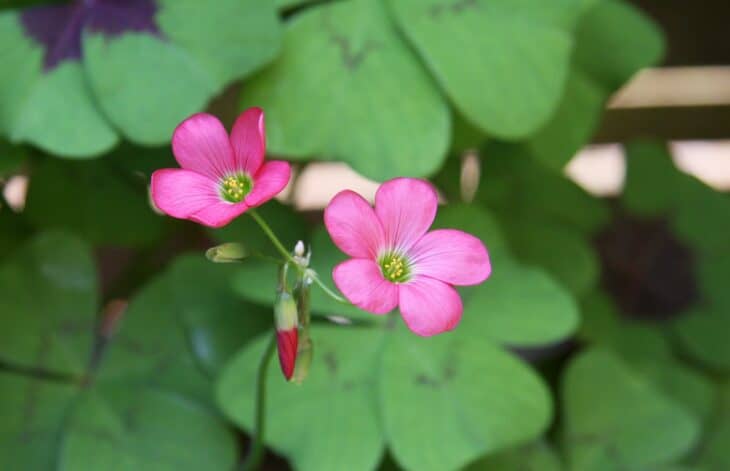
- Produces small pink to white five‑petaled flowers in season.
- Prefers well drained soil and will rot in waterlogged conditions.
- Tolerates light shade and performs best in partial sun.
- Propagates by dividing bulbs and by seed.
- Contains soluble oxalates and can be harmful if eaten in large amounts.
- Frequently treated as tender in cold climates and lifted or grown as an annual.
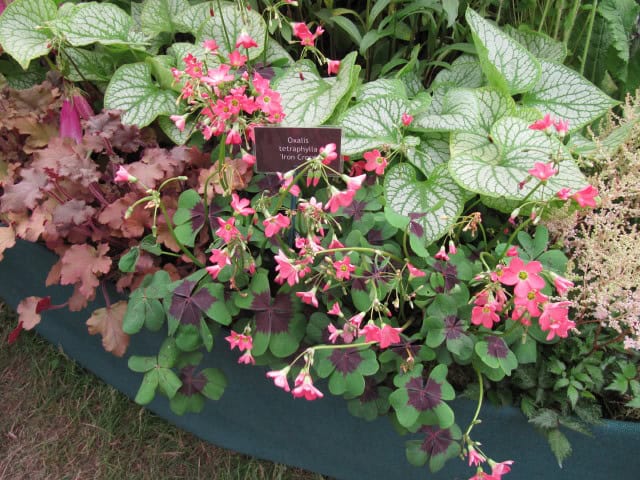
Iron Cross is a bulbous oxalis with fourleaf clover foliage marked by a dark purplish cross and delicate pink to white flowers. It forms low, compact clumps that suit bright borders and well drained garden pockets where partial sun is available and winter wet is avoided.
Identification
Leaves appear as fourleaf clovers with a distinctive dark purplish cross across each leaflet. Flower stalks rise just above the foliage with small fivepetaled pink to white blooms. Mature plants typically reach about 4 to 8 inches tall and form clumps roughly 6 to 12 inches across from corm offsets.
Where to grow and best uses
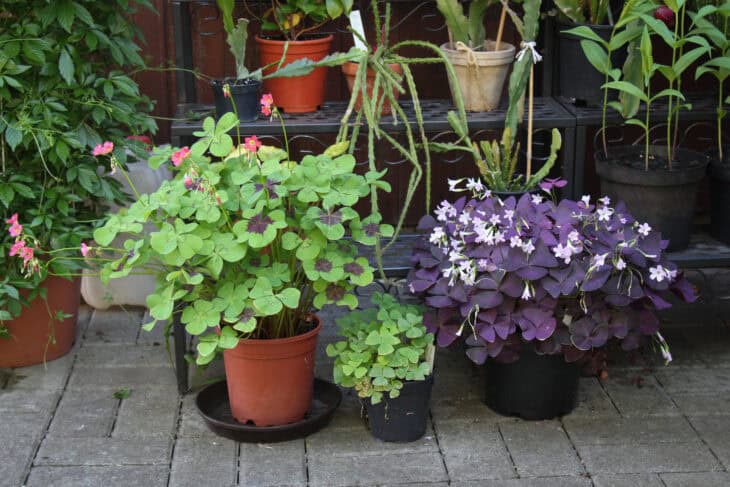
Choose sites with full sun to partial shade and reliably good drainage. The plant makes a low, clumpforming accent in rock gardens, front of border plantings and any locations where a compact, decorative groundlevel plant is desired. Treat as a tender perennial in milder winter areas or as an annual where frost is severe.
Planting and spacing
Plant corms so clumps have room to develop and space individual corms to allow a 6 to 12 inch spread between plants. Planting and dividing are commonly done in spring or autumn. Follow supplier directions for specific planting depth and timing since corm size and local climate influence how deeply bulbs should be set.
Watering and soil
Grow in well drained, moderately fertile soil. Water regularly while plants are actively growing but avoid waterlogged conditions because bulbs will rot in heavy wet soil. In poorly drained ground expect bulb decline; improving drainage or planting in raised beds prevents rot and keeps foliage healthy.
After flowering and maintenance
Remove faded flowers to tidy clumps and allow foliage to continue feeding bulbs. Divide crowded clumps by lifting and separating corms in spring or autumn to renew vigor and control natural spread. In colder climates lift and store corms or keep them dry until replanting to protect against winter wet and severe frost.
Toxicity and pet safety
Iron Cross contains soluble oxalates and is listed as toxic to dogs and cats. Leaves have a tangy flavor and are sometimes eaten in very small amounts but larger ingestions can cause irritation or oxalate poisoning. Keep plants away from pets and livestock and contact a veterinary poison control for specific guidance if ingestion occurs.
Frequently asked questions
- How fast does Iron Cross grow?
- Growth is moderate. It forms low clumps and spreads slowly by corm offsets to roughly 6 to 12 inches across over multiple seasons depending on conditions.
- Is Iron Cross hardy in my area?
- It is a tender perennial typically grown in USDA zones 7 to 10. In colder zones lift corms for winter or treat plants as annuals where frost is severe.
- Can I eat Iron Cross?
- The plant contains soluble oxalates. Small amounts have been eaten historically but larger amounts can be harmful. Keep away from pets and consult a vet for safety concerns.
- How do I propagate Iron Cross?
- Propagate by dividing corms or by seed. Division in spring or autumn is the fastest way to make identical plants. Seed-grown plants may not match named cultivars.
- How do I prevent bulb rot?
- Plant in well drained soil, avoid winter wet, and reduce watering if soil remains soggy. Improving drainage or planting in a raised area reduces the risk of rot.
Gallery
Related Plants


Mentioned In (1)
Plants
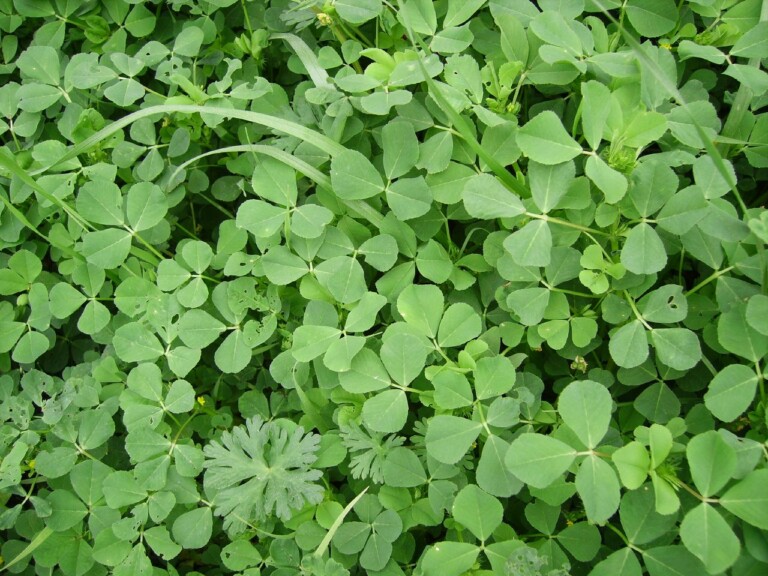
9 Plants That Look Like Clover (Including 2 That Are Clover)
The plants most often mistaken for clover are wood sorrels (Oxalis) and black medic. Wood sorrels have heart-shaped leaflets that…