
Key Facts
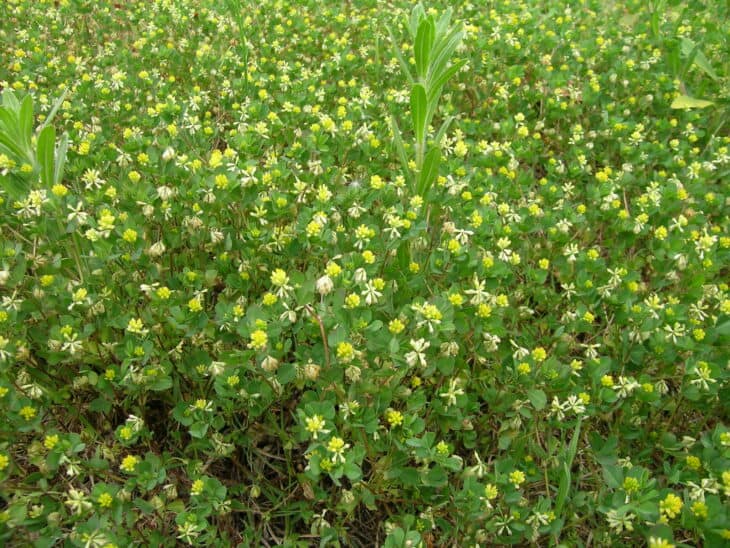
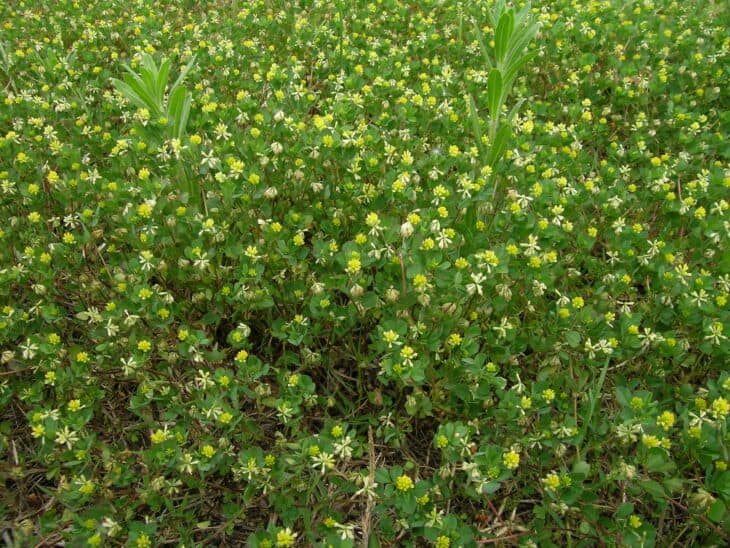
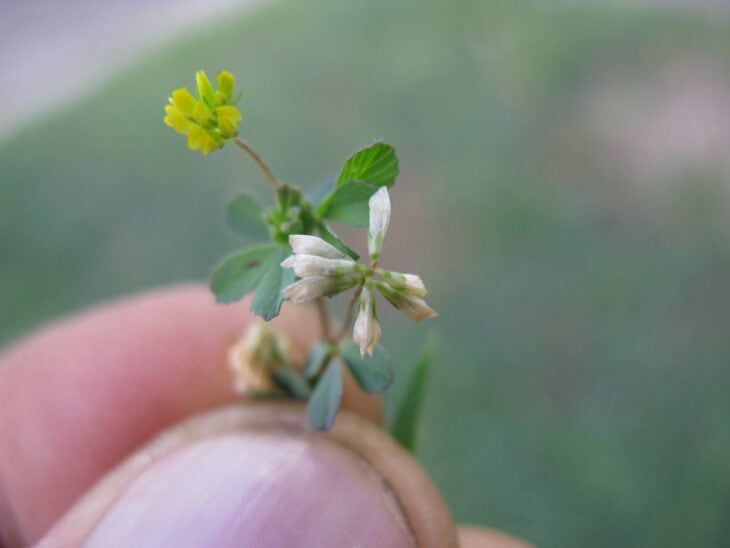
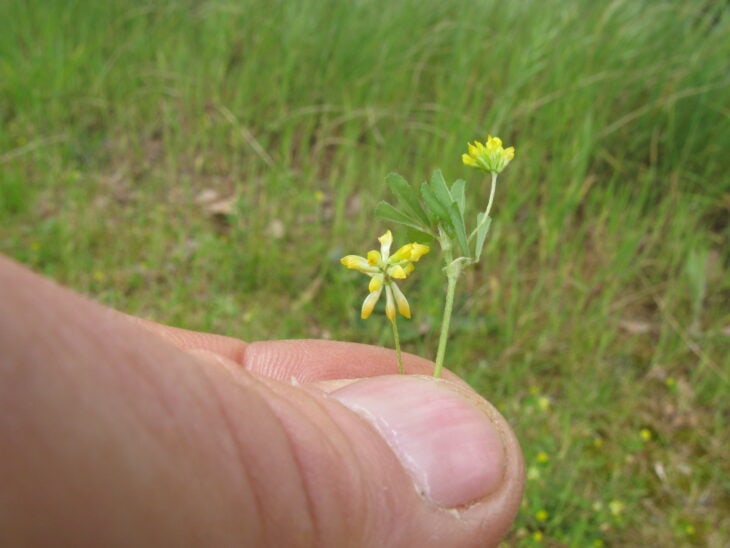
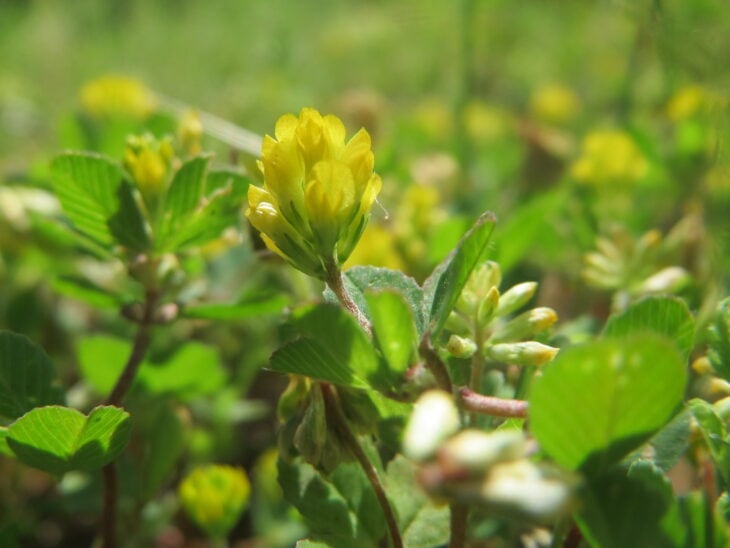
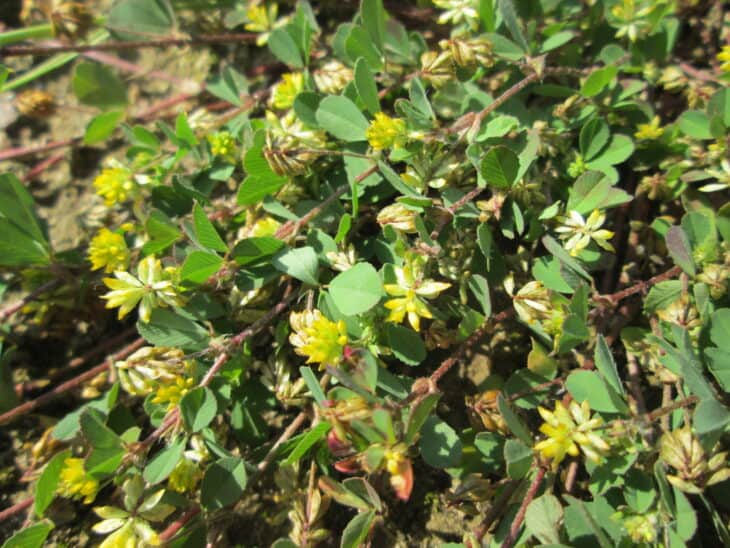
- Low growing clover with small yellow flowerheads.
- Native to Europe and widely introduced to temperate regions.
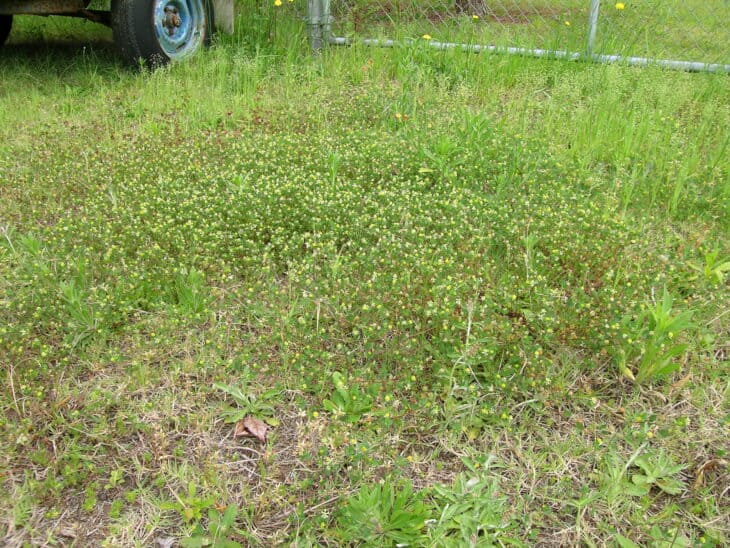
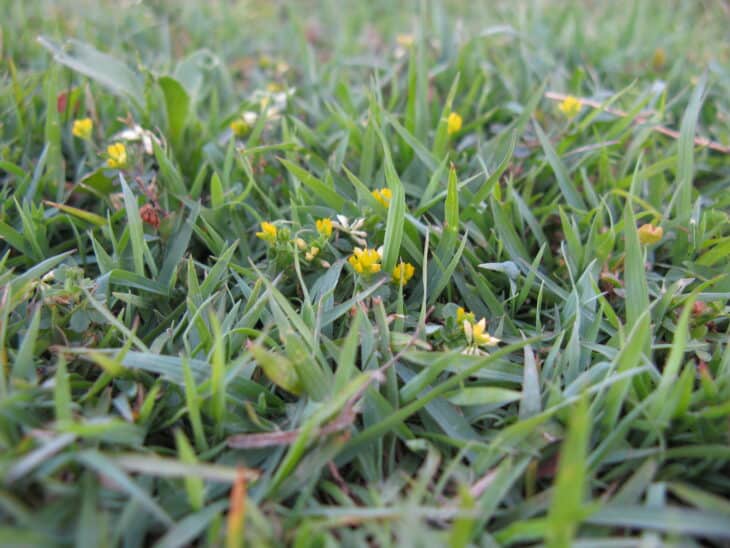
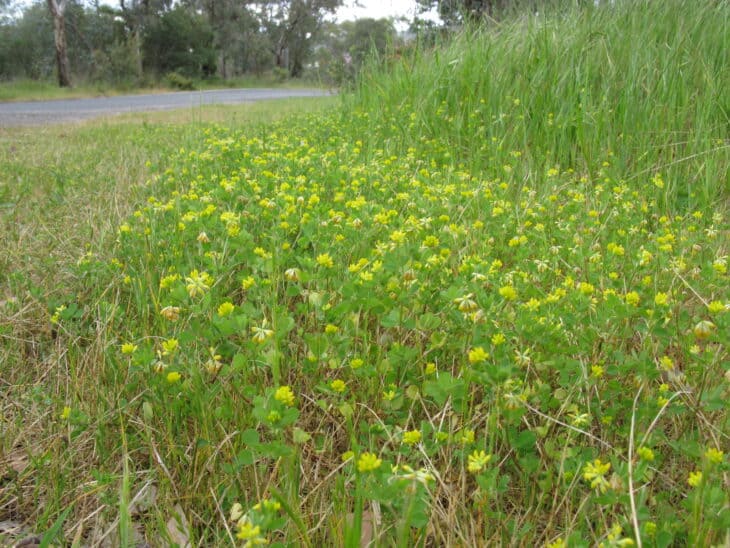
- Common in lawns, meadows and disturbed ground.
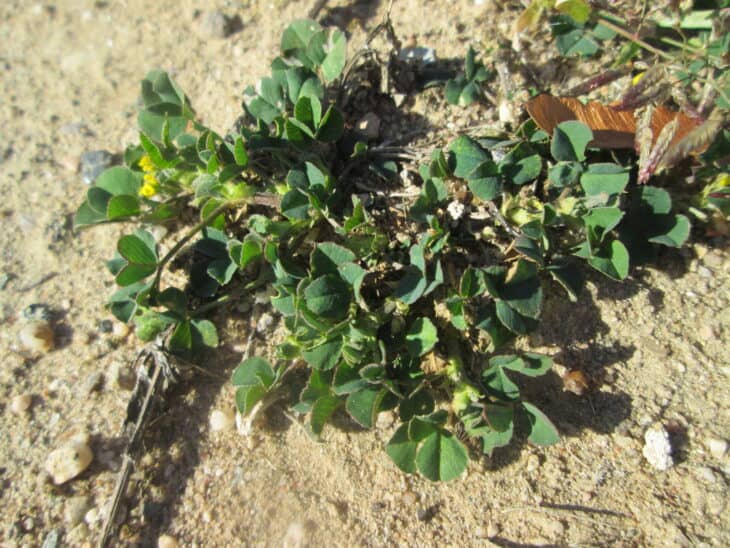
- Forms a low mat of three-part leaves.
- Fixes atmospheric nitrogen with root nodules.
- Reproduces primarily by seed and can self seed.
- Flowers typically appear in spring into summer.
- Tolerates poor and compacted soils but not prolonged waterlogging.
Suckling Clover is a low growing clover with small yellow flowerheads that appears in lawns, meadows and disturbed ground. It fixes atmospheric nitrogen and spreads mainly by seed, so it is useful as a low groundcover yet can self-seed into nearby turf or bare soil.
Identification
Compact, mat-forming clover with three-part leaves and clusters of small yellow flowerheads. Plants typically reach about 5 to 20 cm tall and form patches roughly 10 to 30 cm across. Flowers appear in the growing season and are small compared with common white clover, making identification easiest when blooms are present.
Where to grow and best uses
Grow in full sun to partial shade where a low nitrogen-fixing groundcover is wanted or where soil is thin and compacted. It tolerates poor and sandy soils and establishes readily in meadows and lawns. Avoid waterlogged sites because prolonged wetness reduces vigor and survival.
Planting and propagation
Reproduces primarily by seed and establishes by self-seeding in suitable places. Sow seed on the soil surface in autumn or spring for natural establishment, pressing seed lightly into contact with soil rather than burying deeply. Vegetative spread is limited compared with seed dispersal.
Watering and soil
Prefers well drained ground and tolerates compacted or poorer soils, so watering needs are modest once established. Avoid prolonged waterlogging which causes decline. Flowers and denser growth occur with more sun and drier conditions rather than constant wet soil.
After-flowering care
Allow seed to mature and drop if you want the plant to naturalize, or remove flowerheads before seeds set to limit spread. In lawns, maintaining dense turf and repairing bare spots reduces establishment. No heavy pruning is required for small patches; hand removal is effective for control.
Spread and control
Spreads mainly by seed and can self-seed into adjacent areas rather than by long stolons. Control by removing plants before seed set, hand-pulling patches, or keeping competing vegetation dense. Because it tolerates poor soils, improving soil and overseeding with desirable species reduces long-term colonization.
Frequently asked questions
- How fast does Suckling Clover grow?
- It grows as a low mat over the growing season, reaching typical height within weeks to months from germination. Spread is gradual and largely driven by seed production and local colonization rather than rapid vegetative runners.
- Is Suckling Clover invasive?
- It naturalizes readily in suitable temperate sites and self-seeds into lawns and disturbed ground. While not typically described as aggressively invasive like some weeds, it can establish widely where conditions suit it.
- Can I use it as a lawn alternative?
- Yes. It tolerates mowing short and forms a low mat, making it appropriate for informal low-input lawns and meadow-style areas, especially on poor soils where typical turf struggles.
- When does it flower?
- Flowers appear in the growing season from spring into summer in temperate regions. Exact timing varies with local climate and latitude.
- Is Suckling Clover toxic to pets or livestock?
- Regional information varies. For definitive guidance check local extension services or regional poison control resources, especially for livestock grazing management where legume-rich pastures can affect ruminants.
Gallery
Related Plants


Mentioned In (1)
Plants
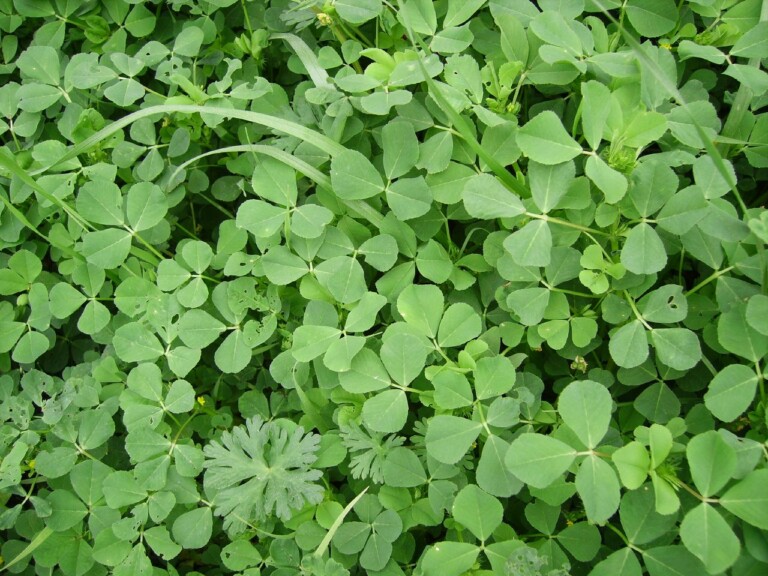
9 Plants That Look Like Clover (Including 2 That Are Clover)
The plants most often mistaken for clover are wood sorrels (Oxalis) and black medic. Wood sorrels have heart-shaped leaflets that…