
Key Facts
- A bromeliad that grows as an epiphyte or in loose potting mixes.
- Forms a basal rosette of glossy leaves and a central upright flower spike.
- After flowering the central rosette typically dies back and produces offsets.
- Native to the Caribbean and tropical Americas and grown as a houseplant.
- Prefers bright filtered light and high humidity.
- Propagated readily by removing and potting offsets.
- Not considered toxic to dogs and cats according to pet safety sources.
West Indian Tufted Airplant is an epiphytic bromeliad valued for its glossy basal rosette and colorful central flower spike. It makes a compact, long lived display when grown in a bright indoor spot or mounted on a bark slab with steady humidity.
Identification and habit
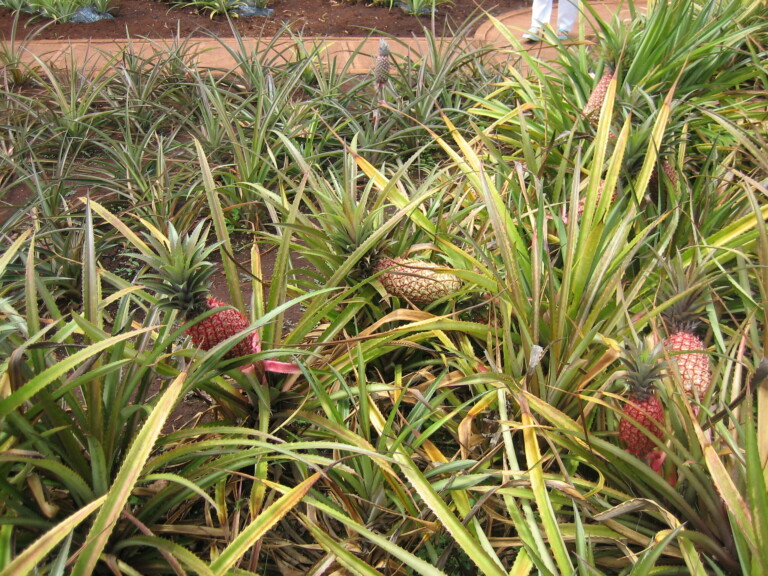
This bromeliad forms a basal rosette of glossy leaves with a central upright inflorescence when it blooms. In cultivation individual rosettes and their flower spikes commonly fall in the 6 to 18 inch range overall. After flowering the central rosette typically dies back and produces offsets that form a small clump over time.
Best uses and where to grow
Use as a houseplant, terrarium accent or mounted specimen where bright filtered light and humidity are available. Outdoors it suits warm frost free climates roughly USDA 10 to 11. In cooler regions keep it in a container and bring plants inside when temperatures approach cold or frost risk.
Light and soil
Provide bright indirect light and protect leaves from hot direct sun which causes scorching. Grow in a loose free draining epiphytic mix such as orchid bark with peat and perlite or a purpose made bromeliad mix. Neutral to slightly acidic pH is typical for these mixes and helps avoid poor drainage and rot.
Watering and humidity
West Indian Tufted Airplant prefers high ambient humidity and good air movement along with a freely draining potting medium. Avoid waterlogged mix because poor drainage leads to root and crown rot. Signs of overwatering include soft or mushy leaf bases and yellowing while low humidity can cause brown leaf tips.
After flowering and propagation
Each rosette usually flowers once then declines while producing offsets or pups at its base. Remove pups and pot them when they have a few roots and are large enough to handle. Seed propagation is possible but much slower and mostly used by growers producing new cultivars.
Containers and indoor care
Choose a small shallow pot or mount that gives good air circulation around the roots and rosette. Keep plants in bright filtered light and maintain humidity with a pebble tray or grouping with other humid plants. Protect from frost and avoid prolonged periods in dim conditions which reduce flowering and slow growth.
Spread and clump control
Plants increase spread by producing offsets that create a clump if left in place. Control spread by removing pups and repotting or discarding extras to keep single specimens neat. This method prevents overcrowding and helps maintain vigor in the parent plant.
Frequently asked questions
- How fast does West Indian Tufted Airplant grow?
- Growth is slow to moderate. Individual rosettes reach mature size in months to a couple of years depending on light humidity and temperature.
- Is it safe for pets?
- Major pet safety sources list bromeliads as generally non toxic to dogs and cats. Ingestion may cause mild stomach upset so check local poison control listings for updates.
- Can it be grown outdoors?
- Yes in warm frost free climates roughly USDA 10 to 11. In cooler areas grow it in containers and move plants indoors before cold weather.
- How do I propagate it?
- Propagate by removing pups once they have some roots and potting them on. Seed propagation is possible but slower and less common for home growers.
- Will the plant bloom again after the flower fades?
- Each rosette usually blooms once then declines while producing offsets. New rosettes grown from pups will eventually mature and produce their own flowers.
Related Plants


Mentioned In (1)
Plants
7 Plants That Look Like Pineapples
Pineapples form part of the Bromeliacae family and are native to tropical and subtropical America, and can be found worldwide.…