
Key Facts
- Evergreen rosette forming bromeliad with silvery banded leaves.
- Native to eastern Brazil and adapted to warm humid climates.
- Produces a long lasting central pink bract with tubular blue flowers.
- Grown as a houseplant and outdoors in frost free climates.
- Mostly epiphytic in habitat but commonly potted in a free draining mix.
- Flowers once on a mature plant then produces pups at the rosette base.
- Prefers bright indirect light and moderate humidity.
- Generally considered non toxic to cats and dogs by common references.
The Silver Vase is a compact silvery bromeliad valued for a long lasting pink central bract and tubular blue flowers. It makes a striking indoor specimen and can be grown outdoors in frost free climates, though it needs bright filtered light and a very free draining medium.
Identification
Evergreen rosette forming plant with stiff silvery banded leaves and a single central inflorescence. Mature plants reach roughly 12 to 24 inches tall including the bloom and form rosettes about 18 to 24 inches across.
Where to grow The Silver Vase
Use as a showy houseplant, a patio specimen, or in protected tropical planting beds in USDA zones 10–11. It is mostly epiphytic in habitat and adapts well to pots and mounted displays, but it will not tolerate frost or prolonged cold.
Light and location
Provide bright indirect light or filtered morning sun. In deep shade the silver banding on the leaves will fade, and hot midday sun can scorch the foliage.
Soil and potting
Pot in a light free draining mix such as an epiphytic or orchid style blend with bark and peat. Avoid heavy garden soil and any situation that keeps the potting mix waterlogged, because poor drainage leads to crown and root rot.
Watering and feeding
Keep the potting mix lightly moist but never soggy. Standing water in the crown or saturated soil encourages rot and leaf damage. Feed lightly with a balanced fertilizer during the growing season, applied at reduced strength for bromeliads.
After flowering and propagation
Each rosette blooms once then produces pups at the base. After the mother plant finishes flowering allow pups to grow until they are a reasonable size and then remove and pot them to start new plants. Seed propagation is possible but slower and uncommon for home growers.
Containers and outdoor planting
Choose pots with good drainage and a shallow but airy medium. Outdoors place where plants get bright filtered light and protection from frost. In cooler climates keep the plant as an indoor specimen and move it outside during warm months if desired.
Problems and safety
Cold temperatures cause leaf damage and can kill the plant. Crown rot is the main cultural problem when water is trapped or soil is poorly drained. The species is generally considered non toxic to cats and dogs by common references, though sap can cause minor skin irritation in sensitive people. Confirm toxicity with local poison control for medical or veterinary advice.
Frequently asked questions
- How fast does The Silver Vase grow?
- Growth rate varies with light humidity and temperature. It typically reaches about 12 to 24 inches tall as it matures and then produces pups after flowering.
- Is The Silver Vase frost tolerant?
- No. Treat as a tender bromeliad outdoors only in frost free locations such as USDA zones 10–11 or keep it indoors in cooler areas.
- How should I water to avoid rot?
- Keep potting mix lightly moist and avoid waterlogged soil or persistent standing water in the crown. Good drainage and an airy medium are essential.
- Can I grow it mounted or epiphytically?
- Yes. The plant is mostly epiphytic in habitat and adapts well to mounted displays or loose epiphytic mixes in containers.
- How do I propagate The Silver Vase?
- Propagate by removing and potting pups produced at the rosette base after the mother plant flowers. Seed propagation is possible but slower and less common.
Related Plants


Mentioned In (2)
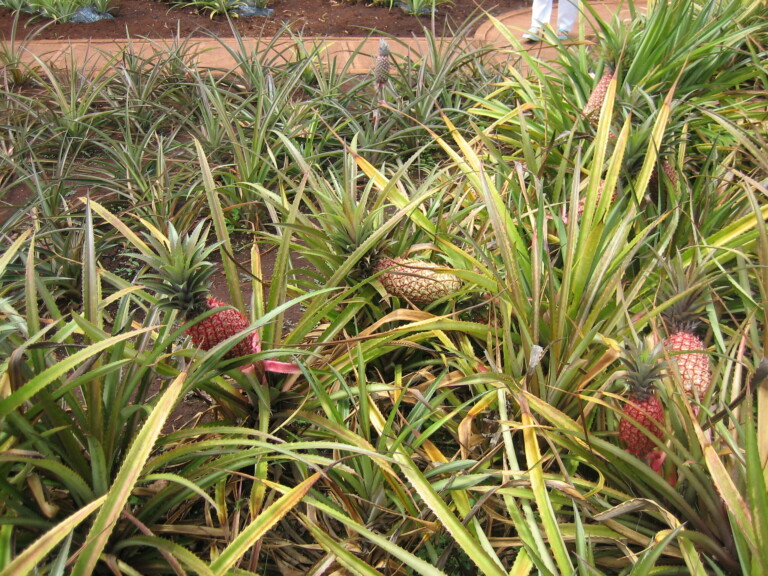
Plants
7 Plants That Look Like Pineapples
Pineapples form part of the Bromeliacae family and are native to tropical and subtropical America, and can be found worldwide.…

Plants
9 Plants That Look Like Snake Plants
The snake plant is often the first that inexperienced indoor gardeners searching for plants fall in love with, and with…