
Key Facts
- Alcantarea imperialis is a large terrestrial bromeliad native to Brazil.
- It forms a substantial rosette of leaves often grown for dramatic architectural form.
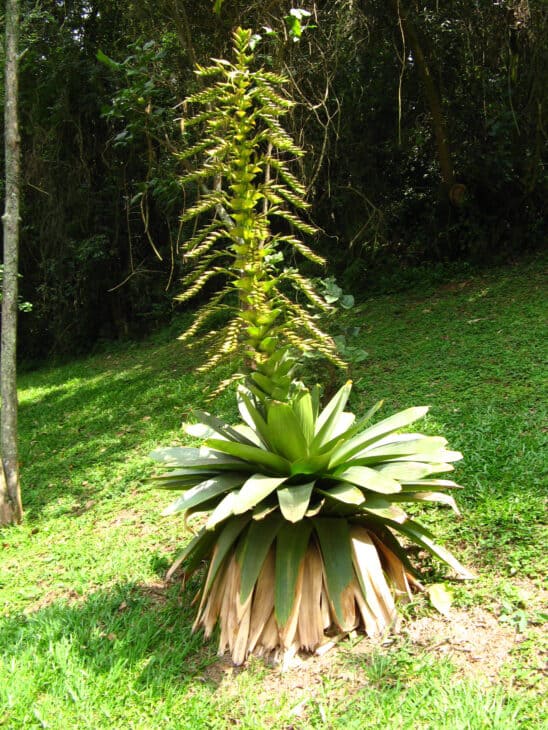
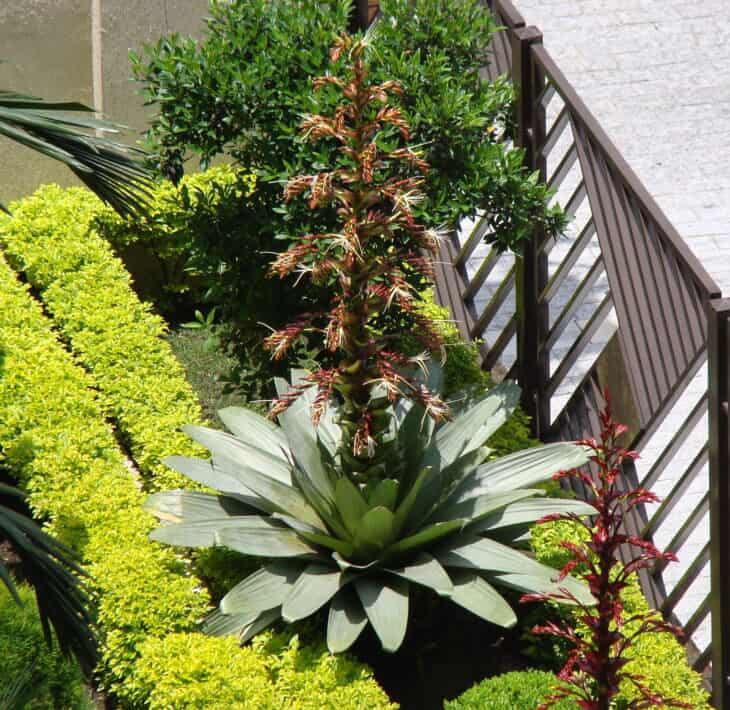
- Mature plants produce a tall central inflorescence followed by offsets or pups.
- Plants prefer rich organic, well drained media and do not tolerate waterlogged soil.
- Grow in bright light to part shade with protection from hot afternoon sun in warm climates.
- Generally considered frost sensitive and best grown where freezing is rare.
- Non toxic to cats and dogs according to ASPCA listings for bromeliads.
Alcantarea imperialis is a large terrestrial bromeliad grown for its dramatic rosette and a tall central flower spike. It makes a bold architectural specimen in frost free gardens but is frost sensitive and needs rich, well drained soil.
Identification
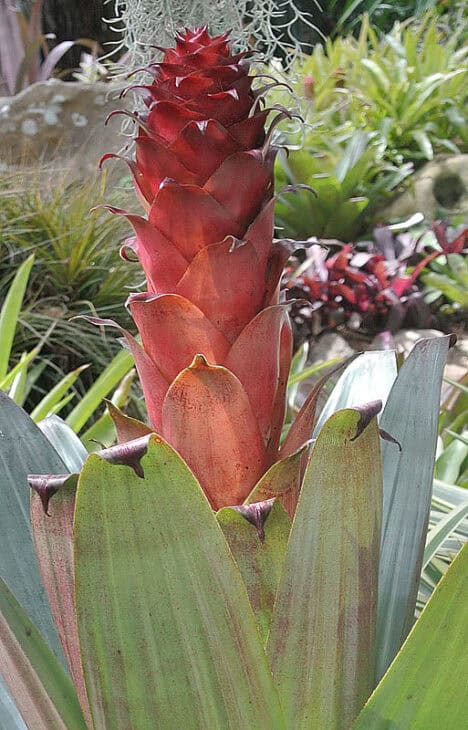
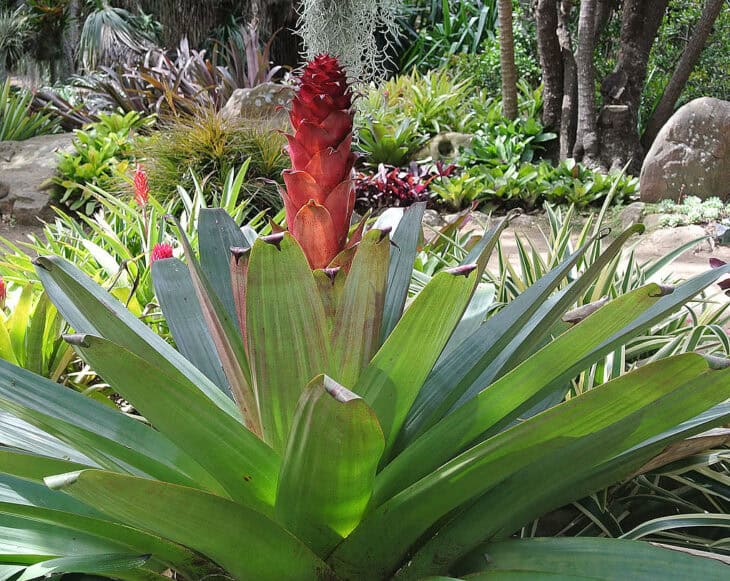
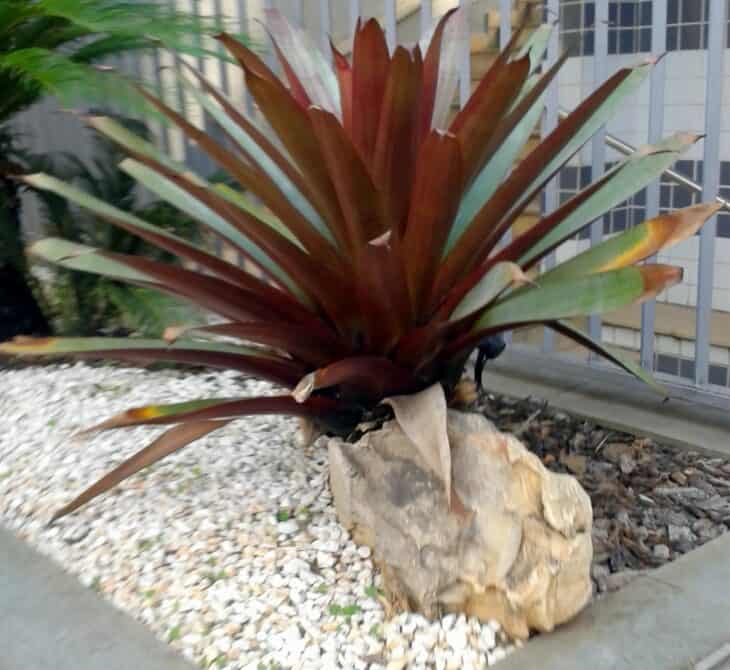
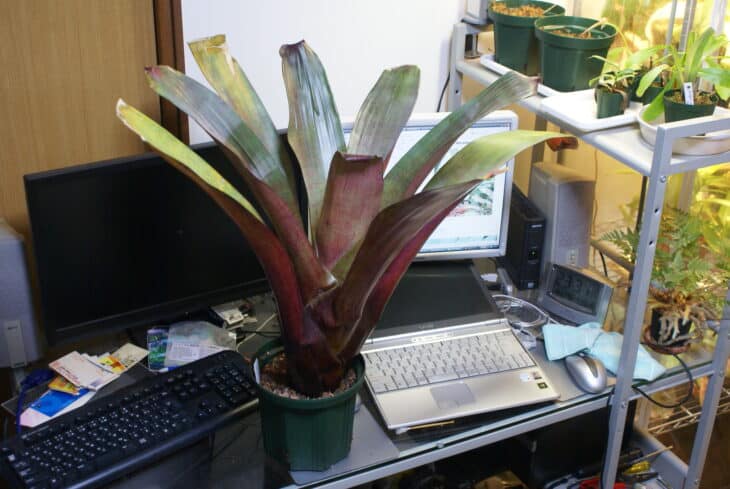
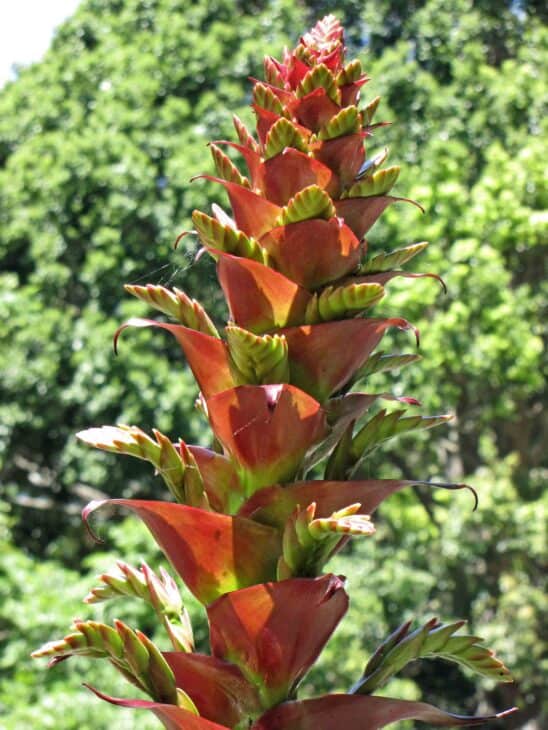
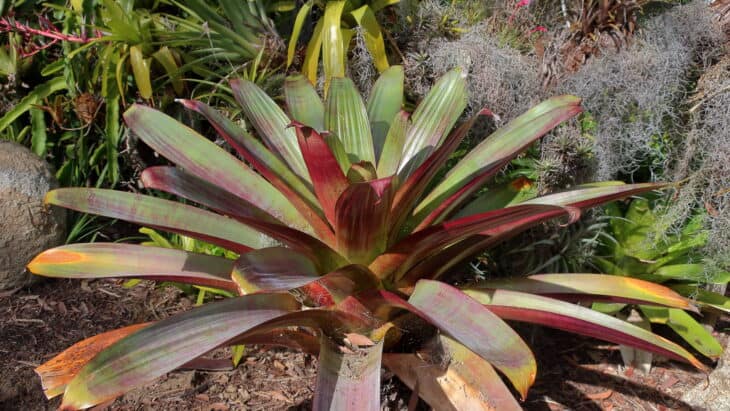
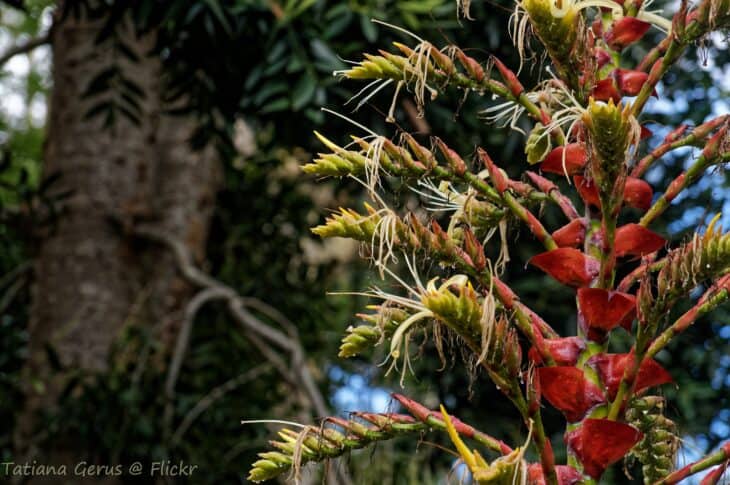
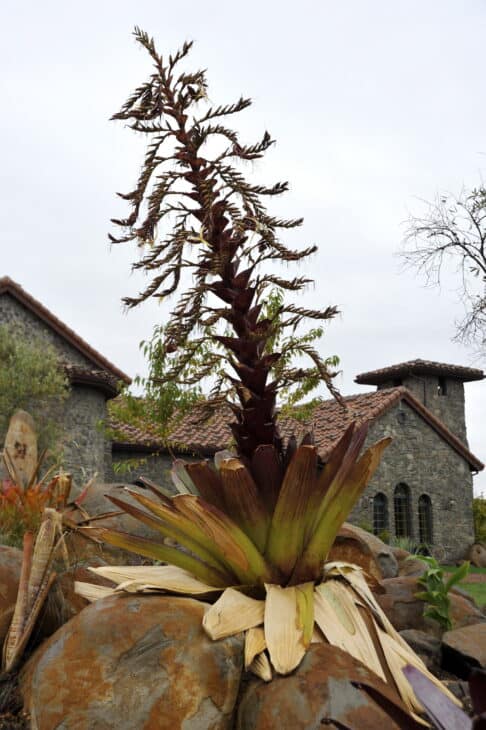
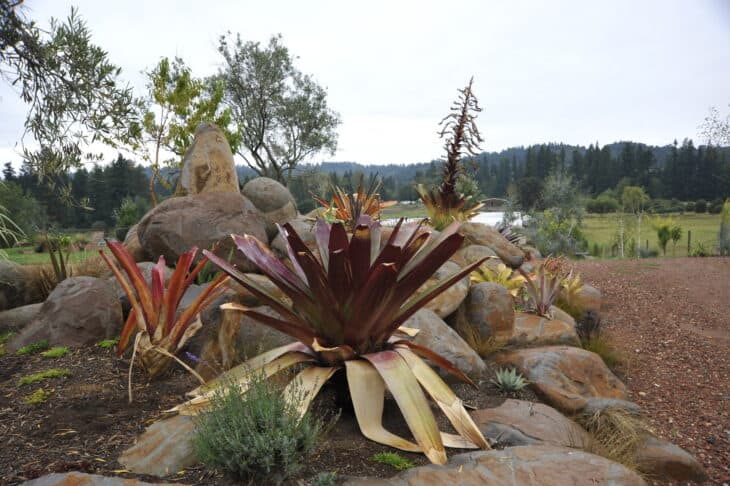
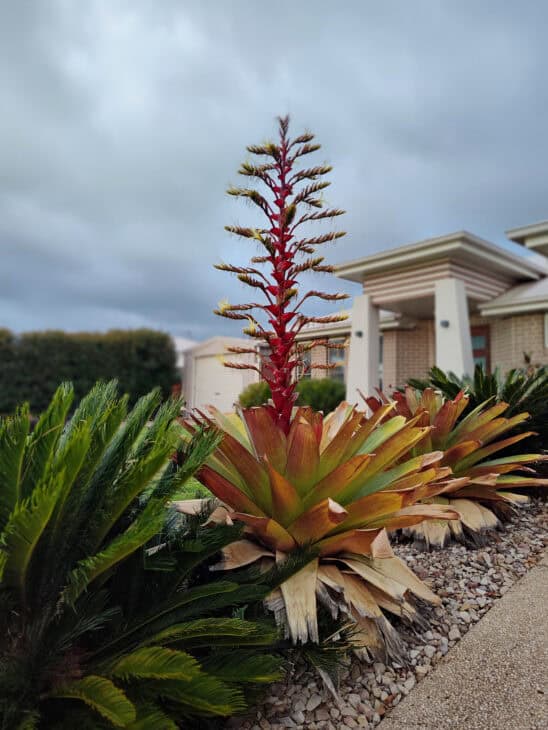
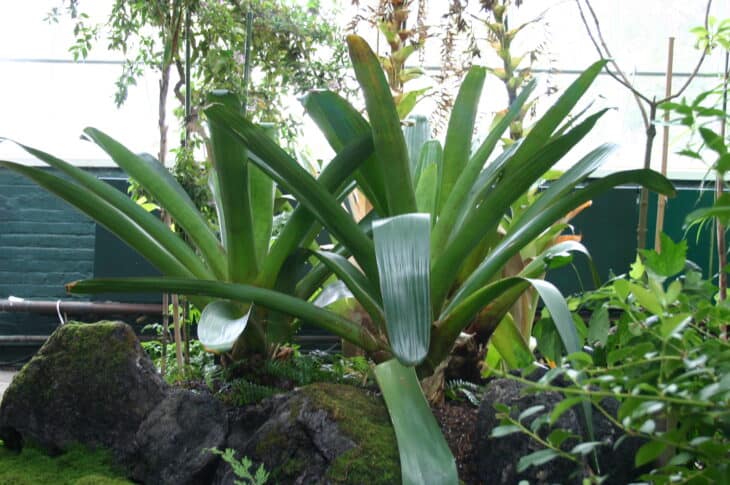
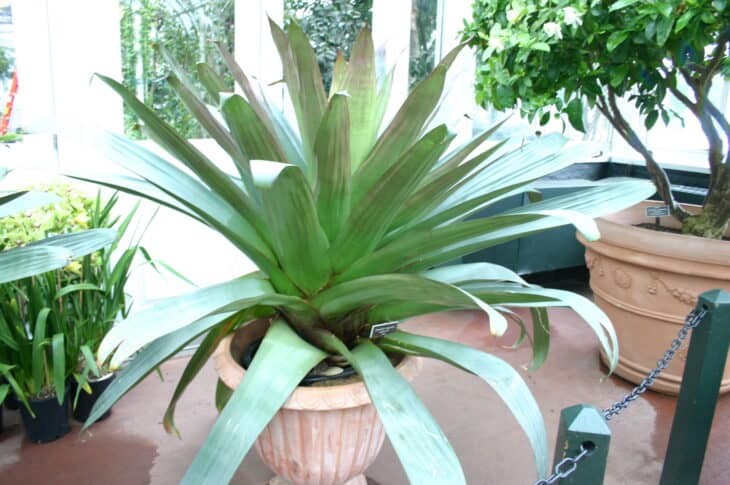
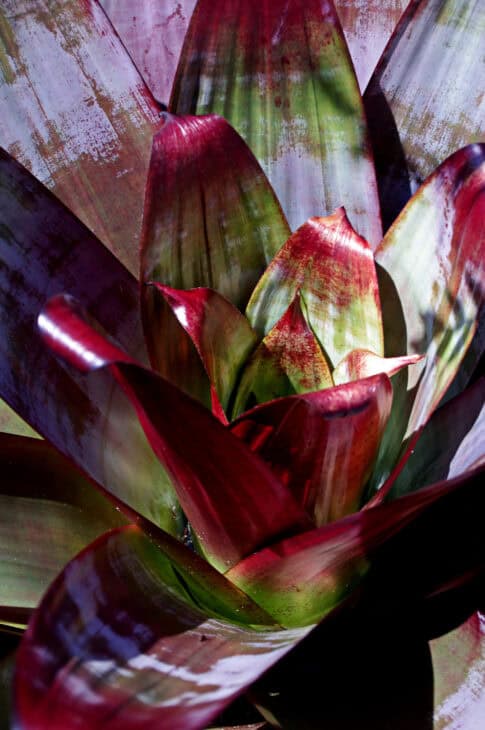
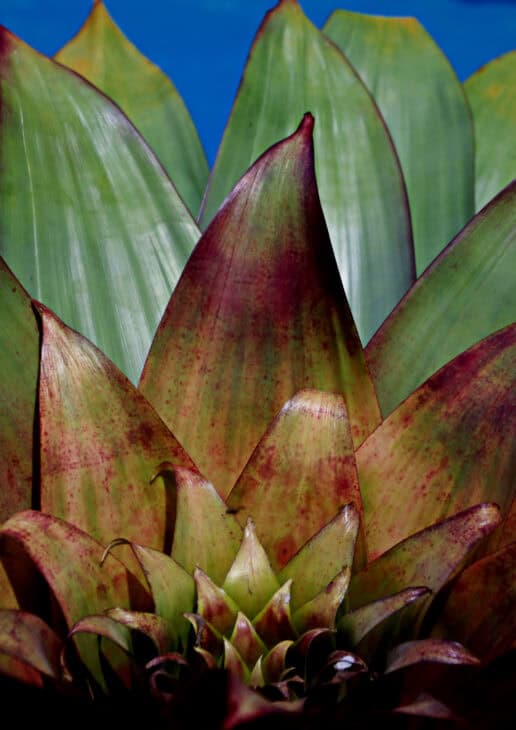
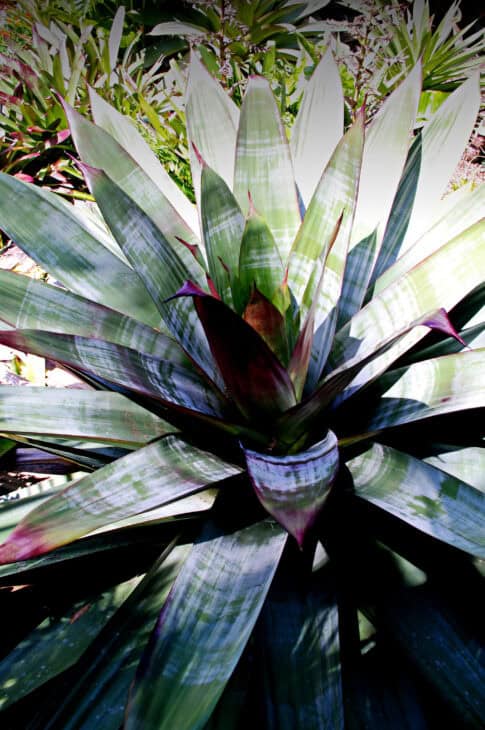
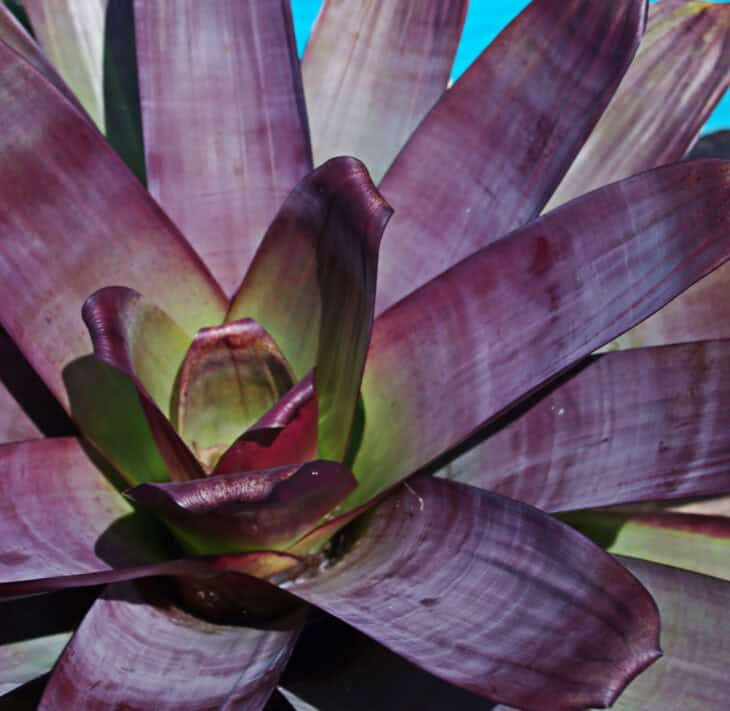
This species forms a substantial rosette of stiff leaves and can produce a very tall central inflorescence followed by offsets or pups. Mature rosettes commonly reach about 2 to 4 feet tall while flowering stalks can be much taller. Plants are valued for architectural form rather than fine foliage detail.
Where to grow and best uses
Use Alcantarea imperialis as a focal specimen in beds or large containers where freezing is rare. It performs best as an architectural focal point in sheltered gardens. In colder climates keep specimens movable so they can be sheltered from frost and hard freezes and prevent winter dieback.
Soil and planting
Plant in a rich, organic, well drained medium and avoid heavy clay and standing water. Good drainage prevents root rot and keeps plants vigorous. Set plants at the same depth they grew previously and mulch lightly to preserve organic matter while avoiding waterlogging at the crown.
Light and placement
Provide bright light to part shade and protect leaves from hot afternoon sun in warm climates to prevent leaf burn. In cooler sites plants tolerate stronger sun and may grow more compactly. Position for strong indirect light or morning sun for best leaf color and growth.
Watering and effects of poor drainage
Keep soil evenly moist but never waterlogged. Alcantarea imperialis does not tolerate standing water and poor drainage leads to root rot and reduced vigor. In containers use a free draining mix and ensure pots have drainage holes so excess water can escape quickly.
After flowering and propagation
Plants typically produce a single large inflorescence then set offsets. After flowering remove the spent flower spike and allow pups to grow until they are a substantial size before separating. Division of offsets is the fastest reliable way to multiply plants while seed propagation is slower and used for breeding.
Pests and common problems
Major concerns are frost damage in cool climates and root rot from poorly drained soil. Some individuals may experience mild skin irritation on contact. Regularly remove decaying leaves, check soil drainage, and shelter plants from freezing temperatures to reduce the main risks to plant health.
Frequently asked questions
- How fast does Bromeliad grow?
- Growth rate varies with light, soil fertility and climate. Plants grown in warm, rich, well drained sites grow faster. Seed grown plants take much longer to reach flowering size than pups removed from mature plants.
- Are Bromeliads toxic to pets?
- Bromeliads are listed as non toxic to cats and dogs by the ASPCA at the family level. Some people may experience mild skin irritation on contact so handle leaves with care if sensitive.
- Can Alcantarea imperialis survive winter outdoors?
- It is generally frost sensitive and best in areas where freezing is rare. It is typically grown reliably where conditions match USDA 9b to 11 when plants are sheltered from cold exposure.
- How do I propagate this bromeliad?
- Propagate by removing and potting offsets or pups after the parent flowers. Allow pups to reach substantial size before separating. Seed propagation is possible but slower and mainly used for breeding.
- How do I prevent root rot?
- Use a rich, well drained organic mix, avoid heavy clay, and do not allow water to pool at the crown. In containers ensure drainage holes and a free draining compost to keep roots healthy.
Gallery

Related Plants


Mentioned In (1)
Plants
7 Plants That Look Like Pineapples
Pineapples form part of the Bromeliacae family and are native to tropical and subtropical America, and can be found worldwide.…