
Key Facts
- Evergreen conifer native to the southeastern United States coastal plain.
- Valued for timber production and pine straw.
- Fast growing compared with many other southern pines.
- Prefers full sun and open sites.
- Performs best on well drained sandy or loamy acidic soils.
- Produces woody cones and wind pollinated pollen rather than showy flowers.
- Commonly established from seed or nursery grown seedlings.
- Used in reforestation, windbreaks, and plantations.
Slash Pine (Pinus elliottii Engelm) is a fast growing evergreen conifer from the southeastern United States coastal plain. It is planted for timber production and pine straw and performs best in open, sunny sites on well drained acidic soils.
Identification and key traits
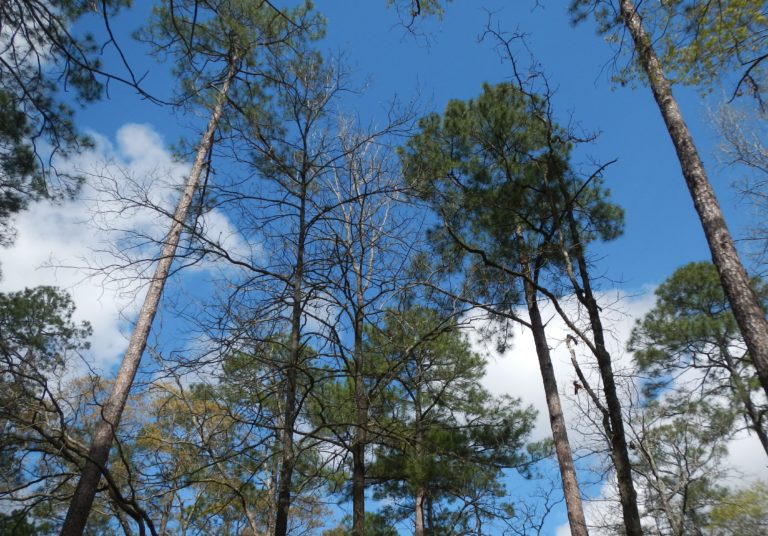
Slash Pine is an evergreen pine that produces woody cones and releases wind borne pollen in spring rather than showy flowers. Mature trees commonly reach 60 to 100 feet tall with a crown spread of about 20 to 40 feet. It is valued for rapid early growth compared with many other southern pines.
Where to grow and best uses
Grow Slash Pine in USDA zones 8 to 10 where warm coastal plain conditions are common. It suits reforestation, windbreaks, plantations and large landscape specimens where timber or pine straw are desired. Avoid sites colder than zone 8 and heavy poorly drained clay that can cause decline.
Planting and spacing
Establish Slash Pine from seed or nursery seedlings. Space trees to allow a mature crown spread of 20 to 40 feet depending on whether you want open grown specimens or denser plantation spacing. Plant so the root collar sits at finished grade and keep newly planted seedlings well mulched to protect roots while they establish.
Soil, water and light
Slash Pine prefers full sun on well drained sandy to loamy acidic soils and tolerates low fertility. It can handle some periodic wetness in native flatwoods but performs poorly in compacted or waterlogged heavy clay. Poor drainage increases the risk of root decline and reduced growth.
Maintenance and common concerns
Once established Slash Pine needs little maintenance beyond occasional pruning and debris management. Regular harvest of pine straw removes needles from the site. Fast growth can lead to crowded stands if not thinned and dense plantings are typical for timber production and windbreaks.
Frequently asked questions
- How fast does Slash Pine grow?
- Slash Pine is relatively fast growing compared with many other southern pines, with quicker height gain on fertile, well drained sites.
- How tall does Slash Pine get?
- Mature height commonly ranges from about 60 to 100 feet depending on site fertility, moisture and stand density.
- What soil does Slash Pine prefer?
- It prefers well drained sandy to loamy acidic soils and tolerates low fertility. Heavy, poorly drained clay is likely to cause decline.
- Is Slash Pine suitable for coastal windbreaks?
- Yes. It is commonly used in windbreaks and reforestation across its native coastal plain range where conditions match its light and soil preferences.
- Are Slash Pines toxic?
- Pinus species are not widely reported as highly toxic. Pine sap can irritate skin and effects can vary by animal, so consult local poison control or veterinary sources for definitive guidance.
Related Plants


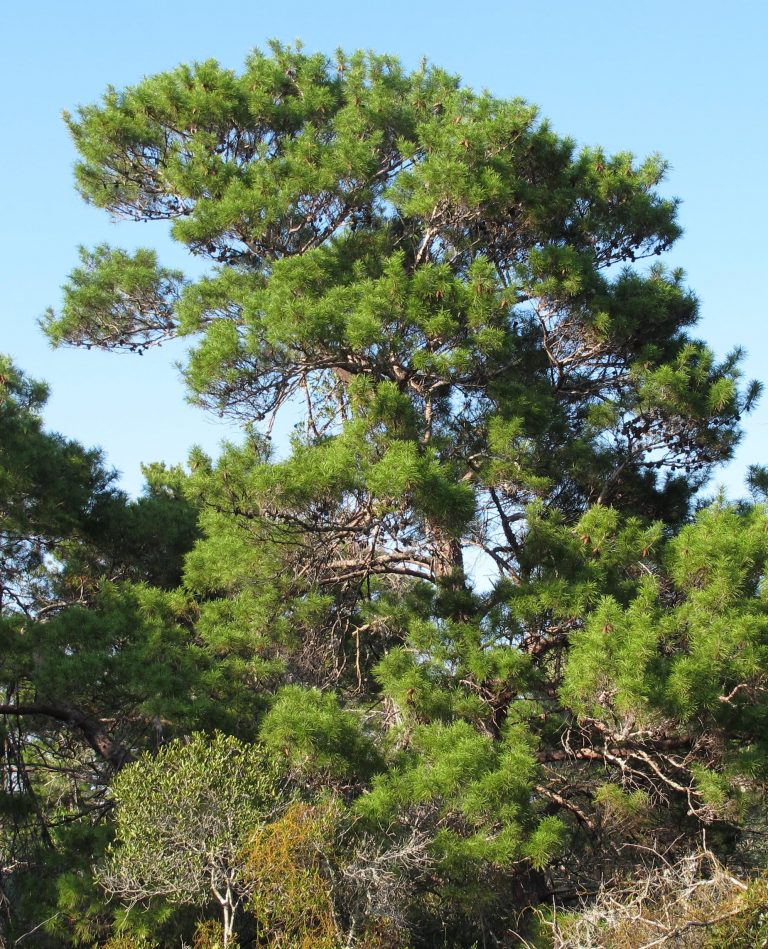
Mentioned In (8)

Trees
14 Evergreen Trees in Florida
Florida is a state that can experience all four seasons, but one thing that remains constant is the evergreen trees.…
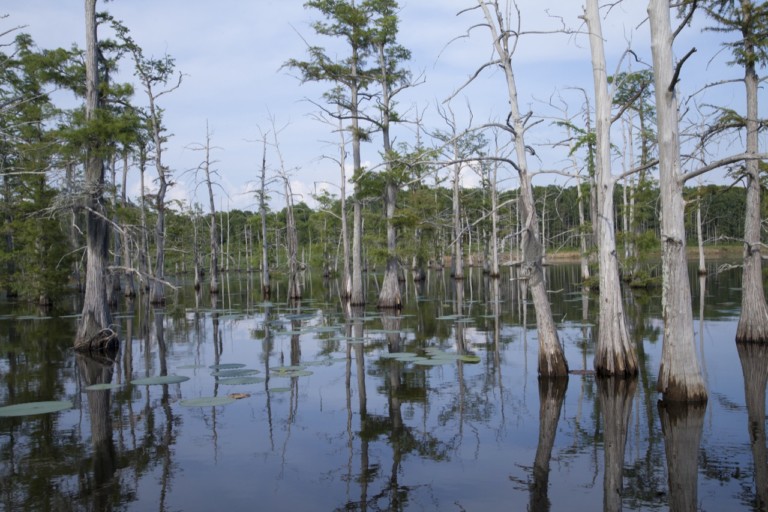
Trees
27 most common trees in Louisiana
In Louisiana, trees are plentiful. Louisiana is known for its lush green vegetation, which can be seen in Louisiana's state…
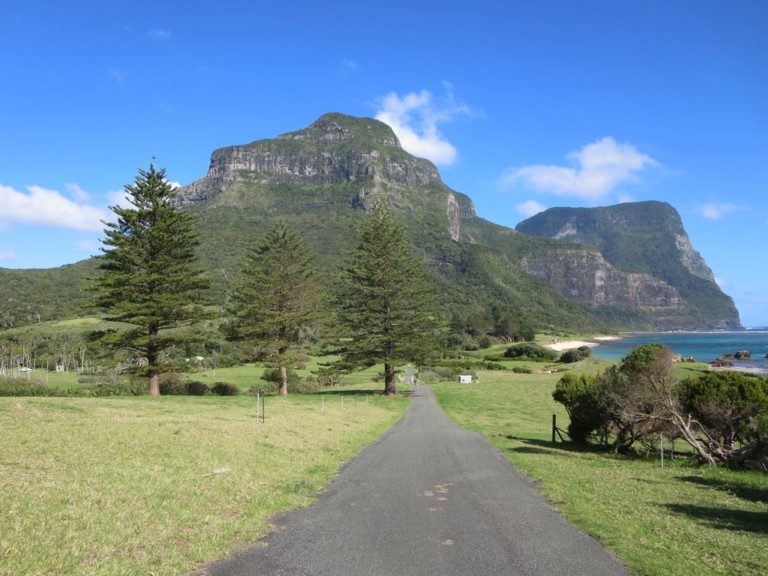
Pine
7 Common Types Of Pine Trees In Australia
Australia is a huge piece of land with a magnificent variety of flora and fauna that thrives even under extreme…
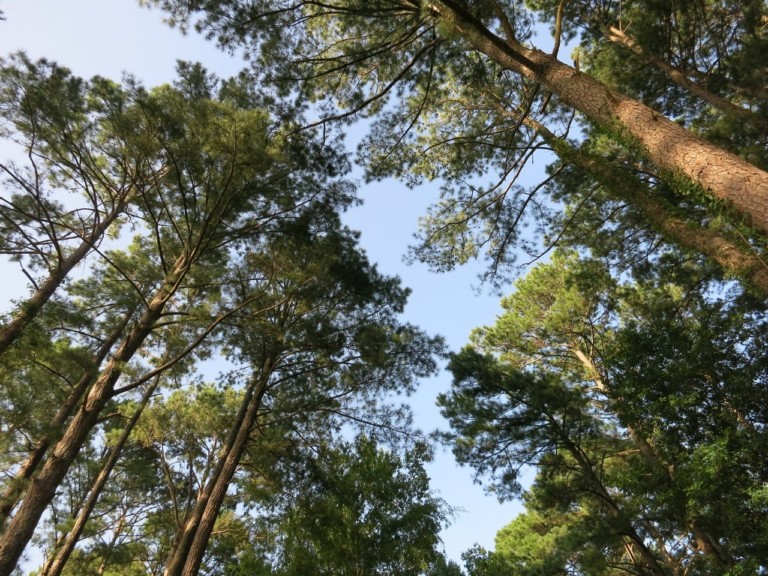
Pine
7 Types Of Pine Trees In Mississippi
Home to the Nottoway Plantation House, the Mississippi land has a rich history attached to flora and fauna thriving there.…
Pine
5 Typical Kinds of Pine Trees in Louisiana
Louisiana has been called a sportsman’s paradise, and indeed, if you love the outdoors, this is the place to be.…

Pine
51 Common Types of Pine Trees in North America (photos)
Wherever you go in North America, it is difficult not to see pine trees. These are tall, elegant trees that…

Pine
17 Common Types of Pine Trees in Georgia
If you’re unfamiliar with the many species of pine trees in existence, they may all look alike to you but…

Pine
9 Typical Types of Pine Trees in Florida
Thanks in part to the amount of sunshine it gets, the state of Florida is home to dozens of different…