
Key Facts
- Native to the southeastern United States.
- Small to medium deciduous maple valued for pale chalky bark.
- Makes a good understory or specimen tree.
- Leaves turn a modest range of fall color.
- Flowers are small and appear in spring before or with leaf-out.
- Prefers moist well drained soils and acidic to neutral pH.
- Propagated by seed and by nursery grafting.
Chalkbark Maple is a small to medium deciduous maple valued for its pale chalky bark and adaptable understory habit. It fits well as a planted specimen or a shade tolerant tree under larger canopy species and offers modest fall color with small spring flowers.
Identification
Chalkbark Maple is a compact maple species notable for pale, chalky bark that stands out in the landscape. Leaves provide a moderate range of fall color and small flowers appear in spring before or with leaf out. Mature height commonly reaches about 20 to 40 feet and the canopy often spreads roughly 15 to 30 feet.
Best uses and where to grow
Use this maple as an understory tree beneath taller oaks or pines or as a small specimen on a lawn where its bark can be seen. It performs in part shade to full sun and benefits from some afternoon shade in hotter sites. USDA hardiness is generally treated as zone 6 through 8 but check local extension guidance for your area.
Planting and spacing
Space Chalkbark Maple about 15 to 30 feet from other trees and structures to allow the canopy to develop. Set the root flare at soil level and avoid planting too deep. Plant during a cooler season to reduce transplant stress with exact timing depending on local climate and nursery availability.
Soil and light
This maple prefers moist well drained soils and acidic to neutral pH. It tolerates heavier clay and rocky soils but struggles in waterlogged ground which may cause root decline. Light ranges from part shade to full sun and leaf scorch or stress can increase on hot exposed sites without afternoon shade.
Watering and establishment
Keep soil evenly moist while the tree establishes to encourage deep root growth. Extended dry conditions can cause leaf scorch and reduced vigor while persistently wet soils invite root problems. Once established the species shows reasonable drought tolerance in favorable soils but will perform best with consistent moisture.
After flowering care
Flowers are small and appear in spring before or with leaf out and do not require special deadheading. Light structural pruning after flowering helps maintain a strong form and removes crossing branches. Avoid heavy pruning late in the growing season to reduce risk of winter stress in marginal climates.
Propagation methods
Propagation is typically by seed with cold stratification and by nursery grafting. Vegetative cuttings are generally less reliable. Nursery grafting is the common method for reproducing named stock and seed can be used where genetic variation is acceptable for landscape planting.
Pests and problems
Poor drainage and extended wet soil are the most common cultural issues leading to decline. In colder sites winter dieback can occur and in warmer sites vigor may be reduced. Monitor for typical maple pests and follow local extension recommendations for identification and treatment.
Controlling spread and maintenance
Chalkbark Maple does not typically naturalize aggressively. Canopy spread is manageable with formative pruning and root suckers if they appear can be removed to maintain a single trunk. Regular inspection and timely pruning keep the tree compact and suitable for smaller landscapes.
Frequently asked questions
- How fast does Chalkbark Maple grow?
- Growth rate is moderate and depends on site and soil. Expect a multi decade timeline to reach the typical 20 to 40 foot mature height with faster growth on richer moist sites.
- What soil pH does it prefer?
- It prefers acidic to neutral soil and tolerates heavier clay and rocky soils as long as drainage is adequate.
- Is it suitable for small yards?
- Yes it can be used in small yards as a specimen or understory tree provided you allow about 15 to 30 feet for mature canopy spread.
- When does it bloom?
- Bloom occurs in spring and exact timing varies with local climate and latitude.
- Is it safe around pets and livestock?
- Toxicity information varies and is not fully documented here. Check with local poison control or veterinary sources if animals will graze near the tree.
Gallery


Related Plants


Mentioned In (5)
Maple
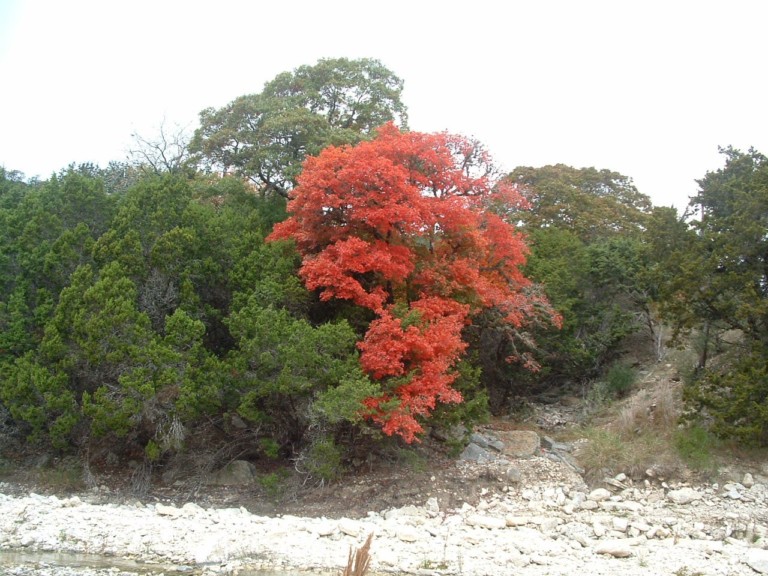
5 Common Types Of Maple Trees in Texas
There are approximately 100 different species of maple trees around the world. The weather in Texas is ideal for producing…

Maple
10 Types Of Maple Trees In South Carolina
Forests, one of the most prominent characteristics of the South Carolina environment, have played a significant part in the state's…

Maple
3 Gorgeous Types of Maple Trees in North Carolina
North Carolina is an interesting state because it is covered with mountains on the western part and is coastal on…
Maple
6 Prevalent Types of Maple Trees in Alabama
Because nearly 70% of the land in Alabama is forested, you’ll see a lot of trees when you visit the…

Maple
42 Common Types of maple trees Growing in the USA (photos)
Maple trees are quite common in the United States, so regardless of which state you visit, it’s very likely you’ll…