
Key Facts
- Large deciduous oak native to the southeastern and south central United States.
- Found naturally in moist bottomlands and along streams.
- Produces large acorns that are an important wildlife food.
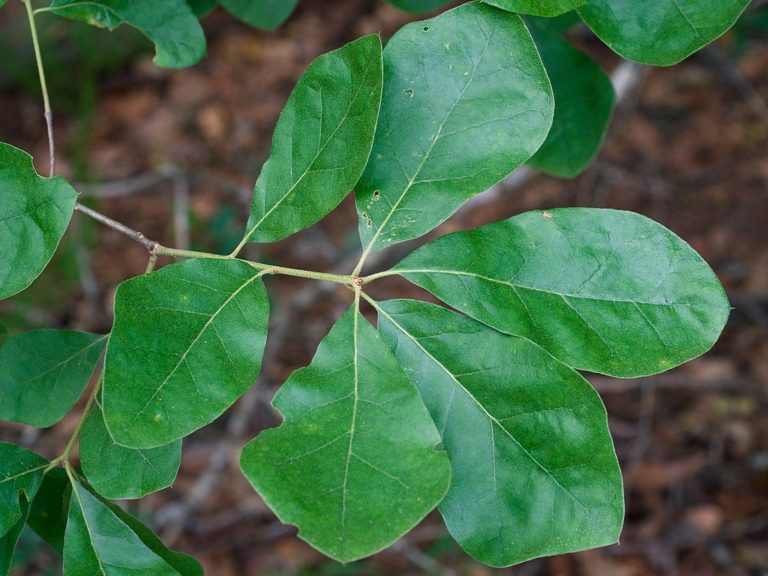
- Leaves are broad with rounded teeth and resemble chestnut leaves.
- Used as a shade and street tree where soil remains moist.
- Tolerates clay and periodic flooding better than many upland oaks.
- Wood is valued for lumber and furniture.
- Flowers as spring catkins before or with leaf emergence.
Swamp Chestnut Oak is a large deciduous oak native to the southeastern and south central United States. It prefers deep moist soils and produces large acorns that feed deer and other wildlife but can be risky to livestock if eaten in quantity.
Identification
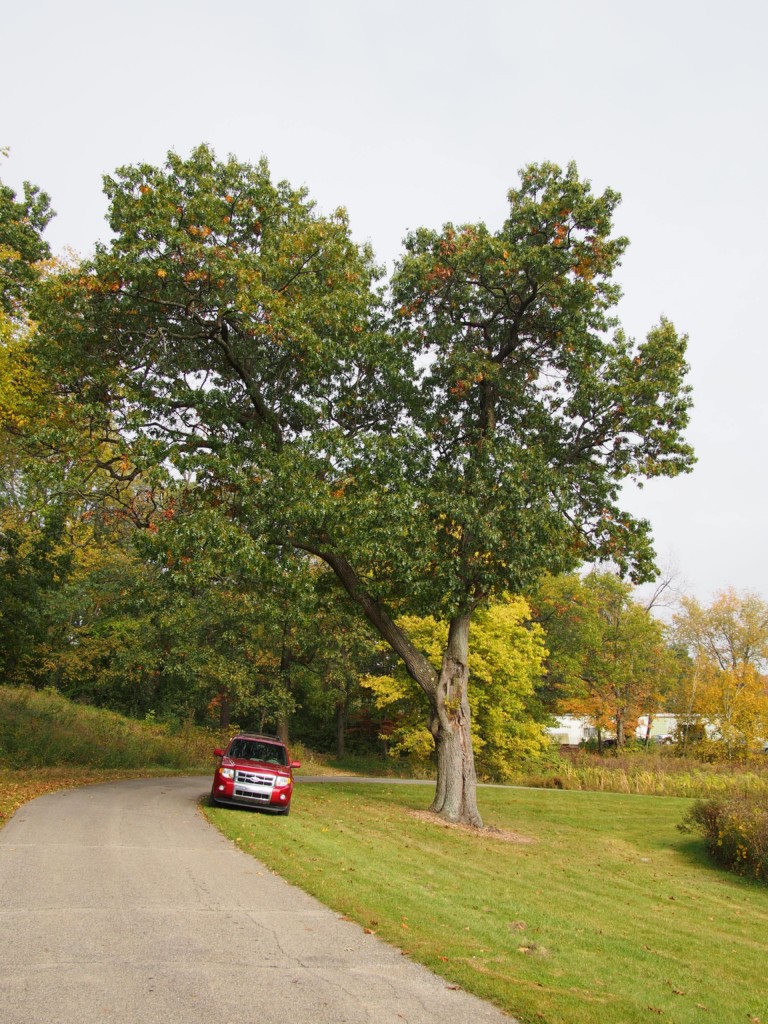
Leaves are broad with rounded teeth and resemble chestnut leaves rather than the deeply lobed leaves of some other oaks. Mature trees typically reach about 50 to 80 feet tall and develop a broad crown 40 to 60 feet across. Spring catkins appear with or just before the leaves and large acorns follow in fall.
Where to grow and best uses
Native to bottomlands and stream banks this oak is ideal for moist sites where a large shade tree is needed. It tolerates clay and periodic flooding better than many upland oaks so is a good street or park tree where soil stays moist. Avoid planting where soil remains waterlogged long term.
Planting time spacing and root placement
Sow acorns in fall or store fresh seed with cold stratification for spring sowing. Space trees to match their mature spread by allowing roughly 40 to 60 feet between specimens for a full crown. When planting transplants set the root flare at grade so roots are not buried too deep and mulch the root zone to retain moisture.
Soil and watering
Prefers deep moist loam but will tolerate heavier clay and occasional flooding. The tree does not tolerate prolonged standing water which leads to root decline. Young trees need regular watering to establish in drier sites and trees in shallow soils can show summer drought stress despite tolerance for wet conditions.
After flowering care and wildlife
After spring flowering the tree produces large acorns that support birds and mammals and that can create a seasonal litter. Acorns contain tannins and may be toxic to livestock in quantity and may upset pets. Prune for structure when young and avoid heavy pruning of mature trees to preserve strong form.
Propagation and establishment
Propagate from fresh acorns collected in fall by sowing directly or by cold stratification before spring planting. Seedlings are slow to establish so many landscapers use nursery grown transplants or grafted stock for a predictable form. Expect several years of slow growth before the tree develops a wide crown.
Pests and disease notes
This species is subject to the same range of oak pests and root problems found in its region. Trees on poorly drained soils are more likely to suffer root decline. Check with your local extension for common regional insects and pathogens and for recommended management that suits your climate.
Frequently asked questions
- How fast does Chestnut Oak grow?
- Growth is moderate overall and seedlings are slow to establish from seed. Trees reach mature height and crown spread over many decades rather than in a few years.
- What USDA zones will it grow in?
- Reported to perform well roughly in USDA zones 5 to 9 with variation by local climate and site moisture.
- Are the acorns toxic to pets or livestock?
- Acorns contain tannins that can cause gastrointestinal or kidney issues in livestock if large amounts are eaten. Pets may show stomach upset. Verify risks and treatment with a veterinarian or poison control for large animals.
- Can it tolerate wet soil?
- Yes it tolerates moist soils and periodic flooding better than many upland oaks but it will decline on sites with prolonged standing water.
- How should I propagate it?
- Collect acorns in fall and sow fresh or cold stratify for spring germination. Nursery transplants or grafted stock give a quicker and more predictable landscape tree.
Related Plants


Mentioned In (16)
Oak
9 Types of Oak Trees in New Jersey
If you want to grow Oak Trees in New Jersey, you’ve come to the right place! New Jersey is home…

Oak
8 Typical Types of Oak Trees in Kentucky
One of the best parts about being a gardener in Kentucky is the amazing variety of oak trees that you…
Oak
9 Common Types of Oak Trees in Minnesota
There are many different oak trees growing all across Minnesota, offering this state a gorgeous green cover for particularly sunny…

Oak
21 Grand Types of Oak Trees in Mississippi
Do you wish to grow Oak Trees in your home garden? Well, you will be pleased to know that Mississippi…

Oak
12 Common Types Of Oak Trees In Canada
Do you plan to grow Oak Trees in your garden? Well, you will be happy to know that there are…
Oak
19 Types of Oak Trees in Tennessee
Not only does the state of Tennessee have a lot of different trees, but the state is also home to…
Oak
15 Amazing Types of Oak Trees in Arkansas
Arkansas has more than 18 million acres of forests that account for nearly 60% of the state, so if you’re…
Oak
7 Common Types of Oak Trees in Virginia
The state of Virginia is home to dozens of tree types, and thanks to the mild temperatures experienced throughout most…
Oak
22 Types of Oak Trees in Alabama
The fact that Alabama has a lot of trees shouldn’t be a surprise to anyone. After all, nearly 70% of…
Oak
8 Types of Oak Trees in Ohio
The state of Ohio is home to more than 100 species of trees, and the most common tree in the…
Oak
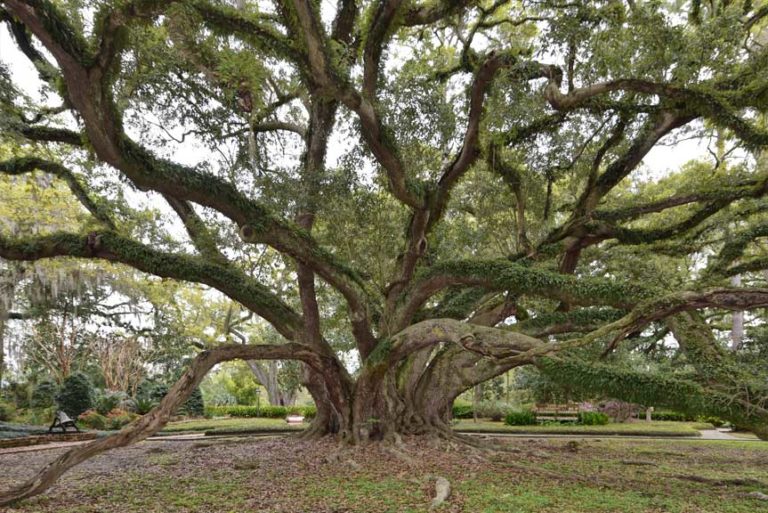
8 Common Types of Oak Trees in Louisiana
Louisiana’s warm weather means that there are lots of plants and trees in the state and you can even see…

Oak
15 Types of Oak Trees in North Carolina
There are hundreds of species of trees in North Carolina, in part because there are mountains on one side of…
Oak
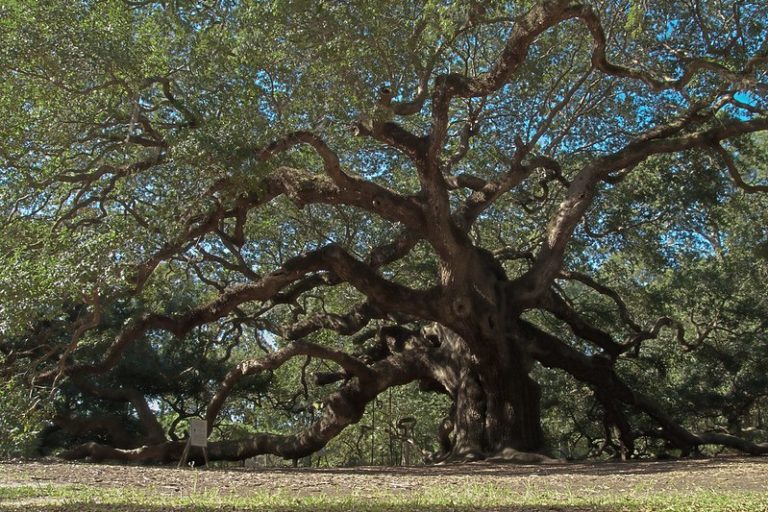
13 Types of Oak Trees in South Carolina
Not only is South Carolina home to tons of species of trees, but it also contains some of the largest…
Oak
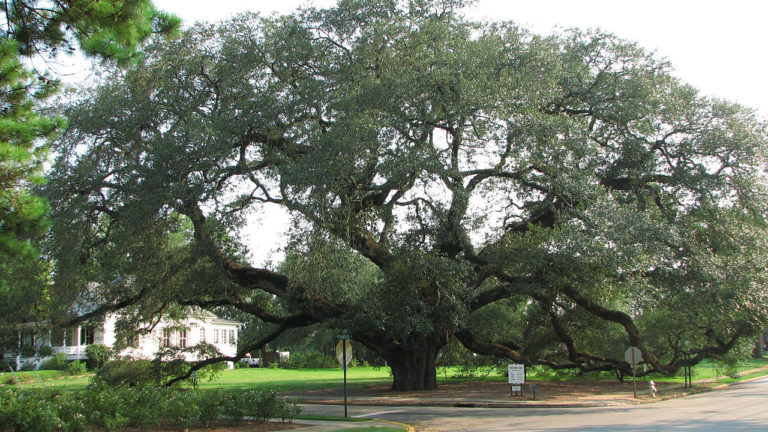
17 Great Types of Oak Trees in Georgia
That states like Georgia have a lot of trees should be no surprise to anyone. Because of its mild climate,…

Oak
16 Types of Oak Trees in Florida
With more than 16 million acres of forests and 180 state parks and forests, Florida is definitely a nature-lover’s paradise.…

Oak
76 Types of Oak Trees in North America (foliage photos)
Because of all the forests in North America, you can find just about every tree you can think of if…