
Key Facts
- Native to eastern and central North America.
- Prefers moist to wet soils and tolerates poorly drained sites.
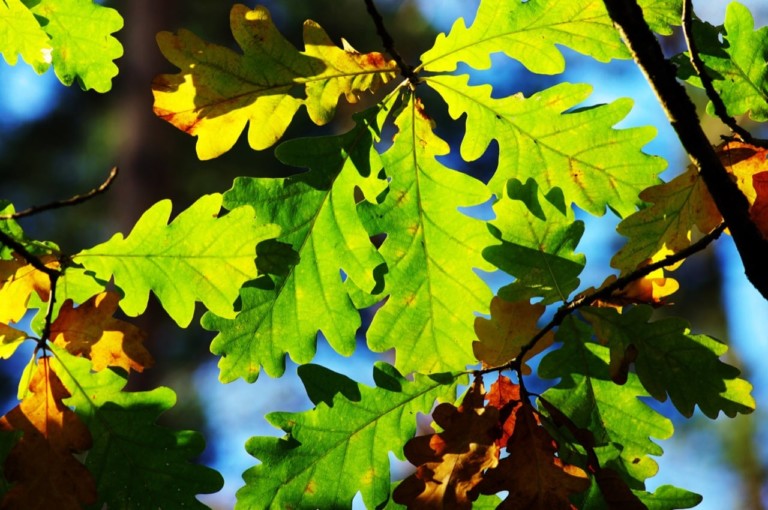
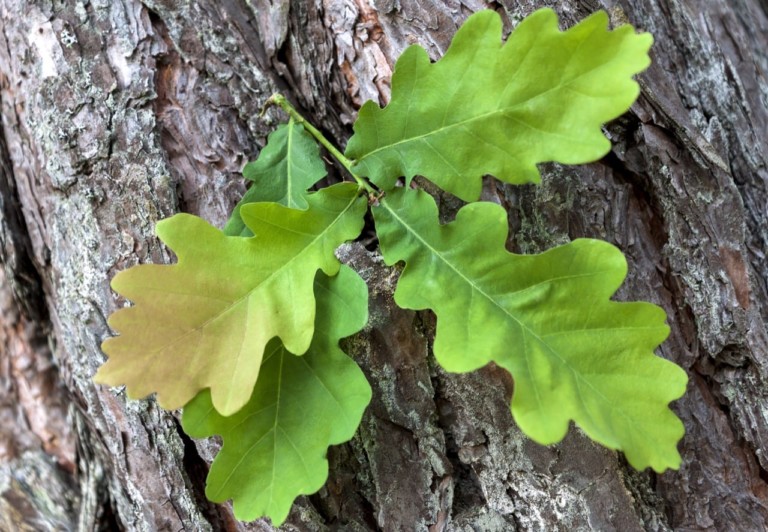
- Leaves are dark green above and pale or fuzzy beneath.
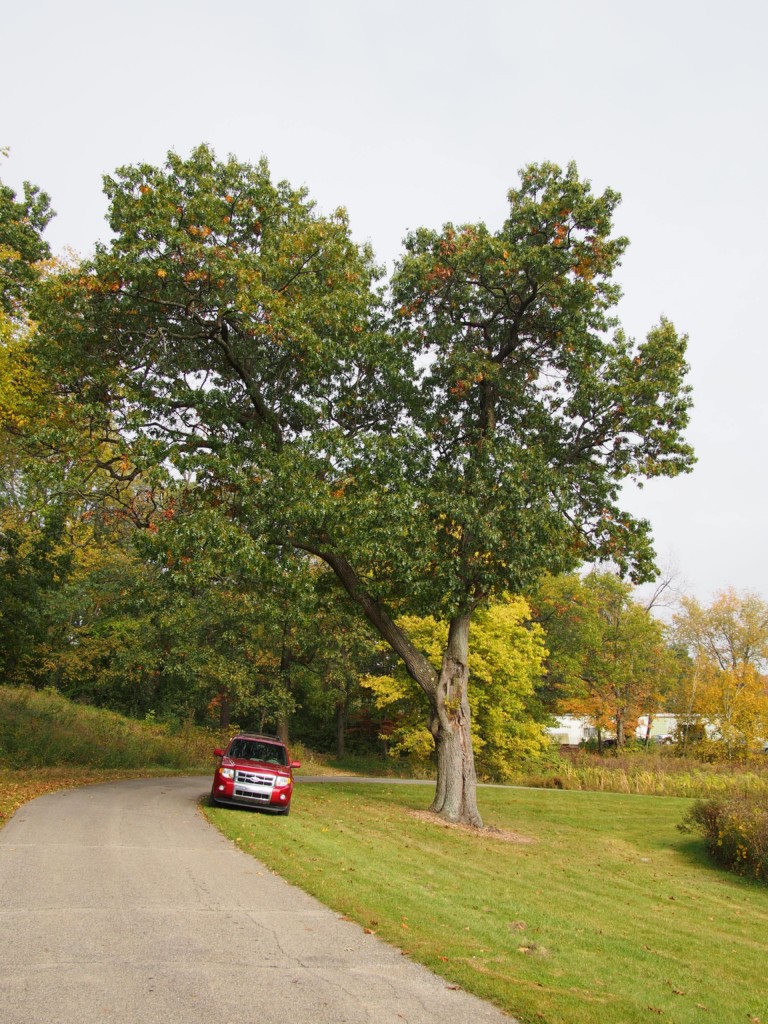
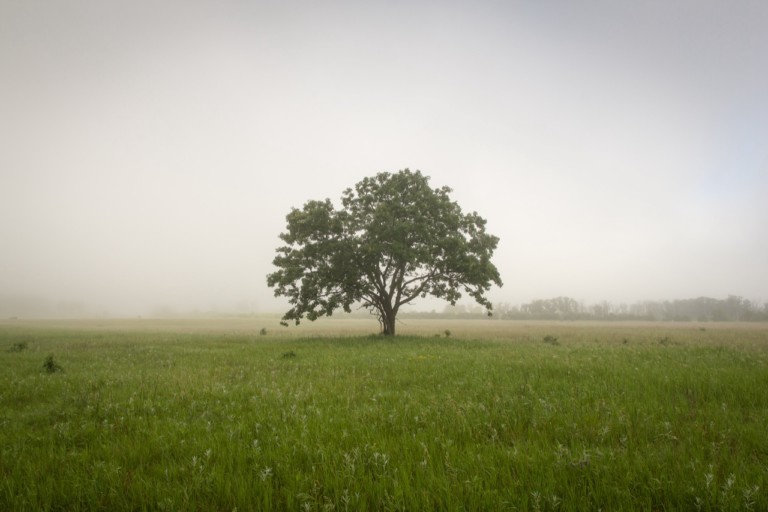
- Forms a broad rounded crown at maturity.
- Produces small acorns favored by wildlife.
- Used as a shade and street tree in suitable sites.
- Fall color is usually a muted brown to russet rather than bright.
- Relatively tolerant of urban conditions compared with some oaks.
Swamp White Oak is a medium to large native oak used for shade and wildlife habitat where soils stay moist. It tolerates clay and poorly drained sites but forms a broad rounded crown that needs room and produces small acorns favored by wildlife.
Identification
Leaves are dark green above and pale or fuzzy beneath, a useful field trait for identification. Mature trees typically form a broad rounded crown and reach about 40 to 60 feet tall with a similar spread. Flowers are inconspicuous spring catkins and the tree produces small acorns each season.
Best uses and where to grow
Native to eastern and central North America, Swamp White Oak performs well in parks, large lawns and suitable street tree sites where moisture is reliable. It tolerates wet, bottomland and clay soils better than many oaks and adapts to full sun or partial shade. Expect the best form and shade value in full sun.
Soil, light and moisture
This oak prefers moist to wet soils and tolerates poorly drained conditions common in swamps and bottomlands. It does best with consistent moisture and can suffer on very dry or compacted sites. Permanently waterlogged soils can stress the tree over time, so choose sites that retain moisture without remaining continuously flooded.
Planting and spacing
Propagate from acorns sown in fall or by nursery stock grown from seedlings or grafting. When planting for landscape use allow plenty of room for a mature canopy similar to its height, typically 40 to 60 feet of spacing between large trees. Avoid tight sites near structures or small yards where the broad crown would be restricted.
Watering and early care
Young trees need regular watering until established to support root growth, especially on sandy or well drained soils. Inadequate moisture leads to slower growth and increased stress while prolonged dry spells cause leaf browning and decline. The species tolerates clay and periodically wet soils but does not thrive on persistently dry compacted sites.
Maintenance and after-flowering care
Prune in the dormant season to develop good structure and remove crossing or weak branches. Avoid removing large limbs in a single year and allow space for the broad crown to develop. Monitor for typical oak pests and scale problems through local extension recommendations and address issues early to preserve canopy health.
Wildlife value and toxicity
Swamp White Oak produces acorns that are eaten by birds and mammals and support local wildlife. Acorns and fresh foliage contain tannins that can cause digestive upset or poisoning in livestock and pets if consumed in large amounts, so consult a veterinarian or extension service for species-specific risk before assuming safety.
Frequently asked questions
- How fast does Swamp White Oak grow?
- Growth rate varies with site and moisture. In moist, fertile soils it establishes and grows faster while colder or drier sites produce slower growth and smaller mature size.
- How large does Swamp White Oak get?
- Mature height and spread commonly reach about 40 to 60 feet with a broad rounded crown, though site quality and moisture availability affect final size.
- Can Swamp White Oak tolerate wet soil?
- Yes. It prefers moist to wet soils and tolerates poorly drained clay and bottomland conditions, but prolonged waterlogging can still stress the tree.
- Are the acorns toxic to pets and livestock?
- Acorns and fresh foliage contain tannins that can cause illness in pets and livestock if eaten in quantity. Check with a local veterinarian or extension service for species-specific guidance.
- How do I propagate Swamp White Oak?
- Propagate from acorns sown in fall or from nursery seedlings. Cold stratification improves germination when sowing for spring planting.
Related Plants


Mentioned In (13)
Oak
5 Types of Oak Trees in Massachusetts
Are you looking to diversify your property in Massachusetts with hardy, attractive trees? Well, you cannot do better than various…

Oak
9 Types of Oak Trees in Ontario
Do you plan to grow Oak Trees in your Ontario garden? Oaks are stately, tall, and attractive trees with dark…
Oak
9 Types of Oak Trees in New Jersey
If you want to grow Oak Trees in New Jersey, you’ve come to the right place! New Jersey is home…
Oak
9 Common Types of Oak Trees in Minnesota
There are many different oak trees growing all across Minnesota, offering this state a gorgeous green cover for particularly sunny…

Oak
21 Grand Types of Oak Trees in Mississippi
Do you wish to grow Oak Trees in your home garden? Well, you will be pleased to know that Mississippi…
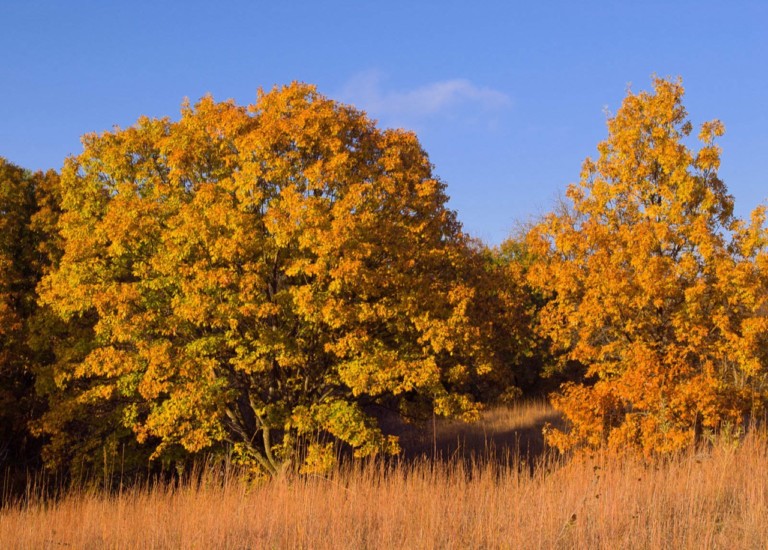
Oak
8 Common Types Of Oak Trees In Iowa
Do you want to plant an Oak Tree in your garden? Well, you will be pleased to know that you…

Oak
12 Common Types Of Oak Trees In Canada
Do you plan to grow Oak Trees in your garden? Well, you will be happy to know that there are…

Oak
19 Types of Oak Trees in Tennessee
Not only does the state of Tennessee have a lot of different trees, but the state is also home to…
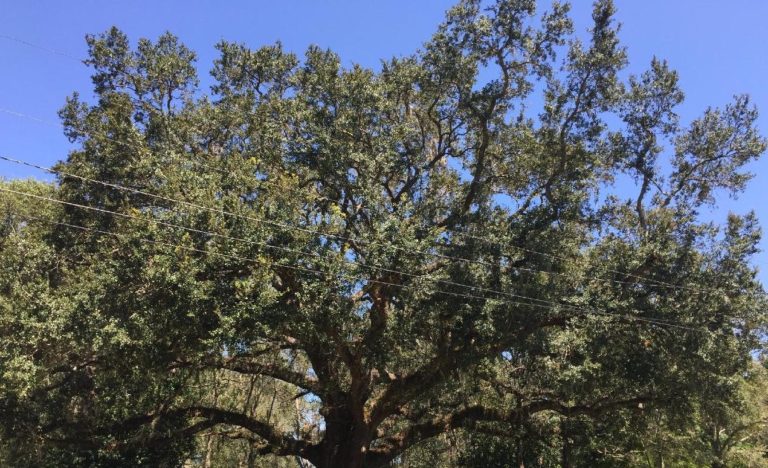
Oak
19 Beautiful Types of Oak Trees in Illinois
The state of Illinois is home to more than four million acres of forested land, making it home to a…

Oak
8 Wonderful Types of Oak Trees in Wisconsin
Within Wisconsin’s forests, more than 43% include ash and maple trees, but the state is home to many other trees…

Oak
8 Types of Oak Trees in Ohio
The state of Ohio is home to more than 100 species of trees, and the most common tree in the…

Oak
6 Common Types of Oak Trees in Michigan
The majestic oak tree is written about in novels and displayed across the screen in hundreds of movies, and there…
Oak
76 Types of Oak Trees in North America (foliage photos)
Because of all the forests in North America, you can find just about every tree you can think of if…