
Key Facts
- An upright, airy annual in the carrot family with lacy white umbels.
- Commonly grown for cut flowers and as a filler in mixed borders.
- Attractive to bees and other pollinators.
- Readily self-seeds where conditions suit it.
- Prefers well drained soil and full sun for best flowering.
- Can cause skin irritation and photosensitivity in sensitive people.
- Propagated mainly by seed and sown directly outdoors or started indoors.
Bishops Flower is an airy annual in the carrot family with lacy white umbels prized for cut flowers and as a filler in mixed borders. It attracts bees and pollinators but can cause skin irritation and photosensitivity so handle with care.
Identification
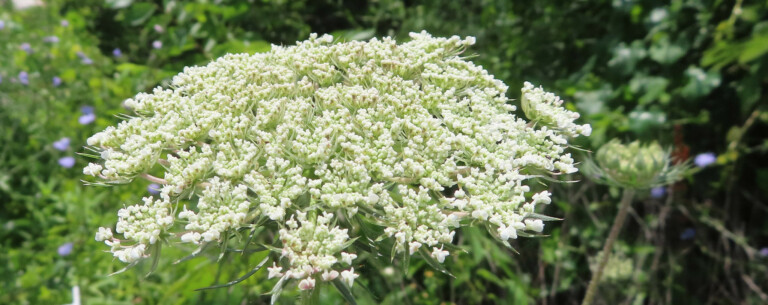
Bishops Flower forms upright, airy clumps with finely divided foliage and flat, lacy white umbels of small flowers. Plants typically reach about 60 to 120 cm tall and form clumps roughly 30 to 45 cm across. The delicate umbels give bouquets a soft, cloudlike texture while stems remain relatively slender.
Best uses and where to grow
Use Bishops Flower for summer mixed borders, cottage plantings and fresh cut arrangements where a light filler is wanted. It performs best in full sun and well drained soil. In warmer regions it can self seed and persist beyond a single season while in colder areas it is treated as a true annual.
Planting time and how to sow
Sow seed in spring after the last frost directly outdoors or start indoors for an earlier display. Plants flower in summer with bloom timing influenced by sowing date and climate. Sow so seedlings have the season to grow and set umbels by June through August in the northern hemisphere.
Spacing and container tips
Give plants room to form airy clumps by spacing them about 30 to 45 cm apart which matches a typical spread of 12 to 18 inches. It can be grown in large containers if the pot drains well but restricted root volume may reduce flowering compared with garden beds in full sun.
Soil and watering
Bishops Flower prefers well drained garden soil from average to moderately fertile. Avoid waterlogged heavy clay because excess moisture can reduce flowering and increase lodging. Regular moderate watering during dry spells supports growth but overly rich or wet soils can make plants floppy and less floriferous.
After flowering and controlling self seeding
Plants readily self seed where conditions suit them so remove spent umbels to limit volunteers or let some go to seed if you want naturalizing patches. Pull young seedlings where they are unwanted and thin clumps to maintain airflow and reduce crowding for the next season.
Safety and toxicity
Ammi majus contains compounds linked to phytophotodermatitis so sap can cause skin irritation and photosensitivity in sensitive people. Ingestion may cause gastrointestinal upset. Wear gloves when handling, wash skin after contact and keep seedlings and cut stems away from children and pets until verified safe for your situation.
Frequently asked questions
- How fast does Bishops Flower grow?
- It grows quickly in a single season, often reaching its typical 60 to 120 cm height and producing summer umbels when sown in spring and grown in full sun.
- When should I sow Bishops Flower?
- Sow seed outdoors after the last frost or start indoors earlier. Bloom occurs in summer with timing affected by local climate and sowing date.
- Will Bishops Flower come back every year?
- In most climates it is grown as an annual but it readily self seeds and can persist in warmer areas roughly USDA zones 8 to 10.
- Can I use it as a cut flower?
- Yes. The lacy white umbels are widely used in fresh bouquets and as filler stems while attracting pollinators in the garden.
- Is Bishops Flower toxic to pets?
- Ingestion may cause gastrointestinal upset. The plant can also cause skin photosensitivity so keep curious pets clear and verify veterinary guidance if ingestion is suspected.
Related Plants


Mentioned In (1)
Plants
12 Plants That Look Like Queen Anne’s Lace (Some Are Deadly)
The most dangerous plants that look like Queen Anne's lace are poison hemlock and water hemlock, which can kill if…