
Key Facts
- Member of the oak genus Quercus in the beech family Fagaceae.
- Reproduces by producing acorns.
- Associated with the Iberian Peninsula and nearby Mediterranean climates.
- Used as a specimen and landscape tree in suitable climates.
- Tolerates dry and rocky soils once established.
- Young growth and acorns contain tannins that can be harmful if ingested by livestock or pets.
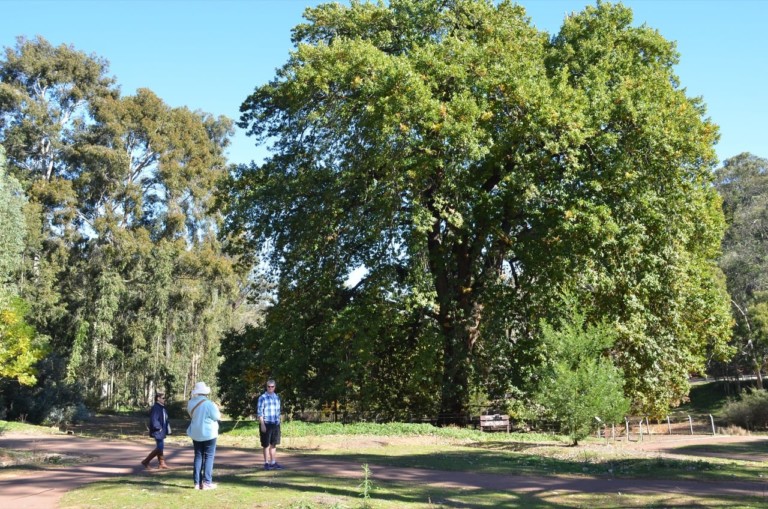
Portuguese Oak (Quercus lusitanica) is an oak associated with the Iberian Peninsula and nearby Mediterranean climates. It is planted as a specimen and landscape tree where winters are mild and soils are well drained, but performance varies by provenance and site conditions.
Identification
This oak belongs to the genus Quercus in the beech family Fagaceae and reproduces by producing acorns. Flowers appear in spring as the inconspicuous catkins typical of oaks. Young shoots and acorns contain tannins which give a bitter taste and can cause toxicity problems for livestock and pets if eaten in quantity.
Where to grow and best uses
Use Portuguese Oak as a specimen or landscape tree in Mediterranean and similar climates where drainage is good and summers are dry. It tolerates rocky and poor soils once established. Because mature size and cold tolerance vary by provenance, confirm local performance before planting near buildings or small garden spaces.
Planting and establishment
Plant nursery trees during cooler, less stressful periods to reduce transplant shock and give roots time to establish. Direct seeding from acorns is a standard route but pretreatment and timing vary by source. Avoid waterlogged planting sites since poor drainage can lead to root decline and long term health problems.
Soil and light
Portuguese Oak prefers well drained soils that are often rocky or low in nutrients and tolerates neutral to slightly acidic pH. It performs best in full sun to light shade in Mediterranean climates. Heavy clay or persistently wet soils increase the risk of root diseases and decline.
Watering and early care
Young trees need regular watering to develop a deep root system and resist summer drought. Once established the species tolerates dry conditions, but extended waterlogging will cause root loss and dieback. Mulch to conserve moisture while keeping mulch away from the trunk to reduce collar rot risks.
After flowering care and maintenance
After spring flowering the tree sets acorns that mature later in the season and can attract wildlife. Prune only to remove dead or crowded branches and to maintain structure. Limit heavy pruning on mature trees and avoid unnecessary fertilization which can promote weak fast growth that is vulnerable to stress.
Managing spread and wildlife interactions
Acorns provide food for birds and mammals and may give rise to volunteer seedlings in suitable conditions. Monitor for natural volunteers and remove seedlings if they appear in undesired locations. Remember acorns and young foliage contain tannins that can be harmful to livestock and pets if consumed in quantity.
Propagation
Propagation is commonly by acorn seed. Nurseries may raise seedlings or graft named material for consistent traits. Vegetative propagation is possible but can be difficult and techniques vary. Confirm species specific pretreatment and storage for acorns with a reliable regional source before attempting large scale propagation.
Frequently asked questions
- How fast does Portuguese Oak grow?
- Growth rate varies by provenance soil and climate. Some trees establish steadily and gain height over many years while others grow more slowly. Local nursery or arboretum observations give the best indication of growth rate in your area.
- Is Portuguese Oak poisonous?
- Yes young leaves and acorns contain tannins that can be toxic to livestock and pets if eaten in quantity. Effects depend on animal species amount ingested and other diet factors. Check with a poison control or veterinary source for specific concerns.
- Can this oak tolerate drought?
- Once established it tolerates dry and rocky soils typical of Mediterranean sites. Young trees need regular water to root in. Poor drainage is a greater risk than seasonal drought for long term health.
- Is it suitable for small gardens?
- That depends on provenance and site since mature height and spread vary. Confirm typical mature dimensions from a regional arboreal source before planting in confined spaces or near structures.
- How do I propagate Portuguese Oak?
- Propagate from acorns collected when ripe. Nurseries also use seedlings or grafting for named selections. Best practices for acorn storage and pretreatment vary so consult a local horticultural source.
Related Plants


Mentioned In (2)
Oak
9 Types Of Oak Trees In Australia
Did you know that there are over 600 Oak species in the world? Oaks are part of the Quercus genus. They…

Oak
76 Types of Oak Trees in North America (foliage photos)
Because of all the forests in North America, you can find just about every tree you can think of if…