
Key Facts
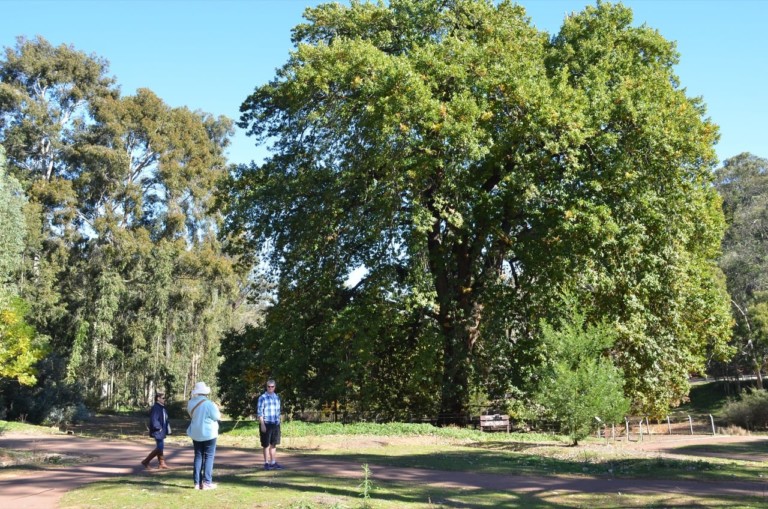
- Large deciduous to semi evergreen oak with a broad rounded crown.
- Native to parts of the western Mediterranean region.
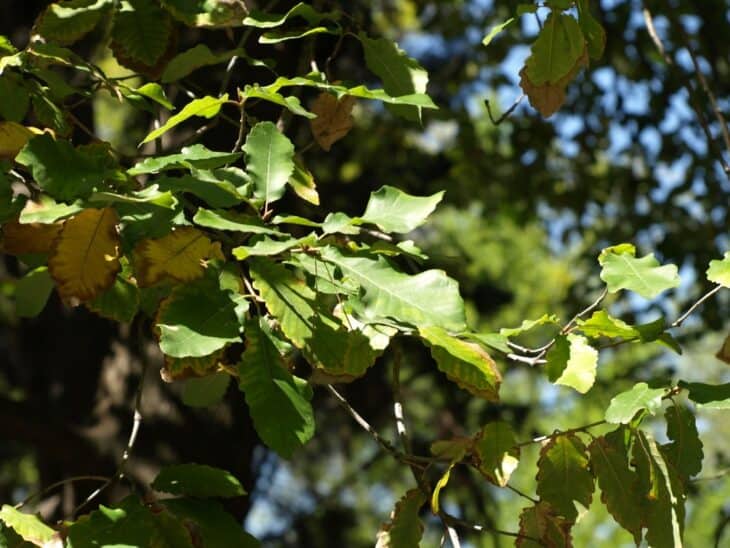
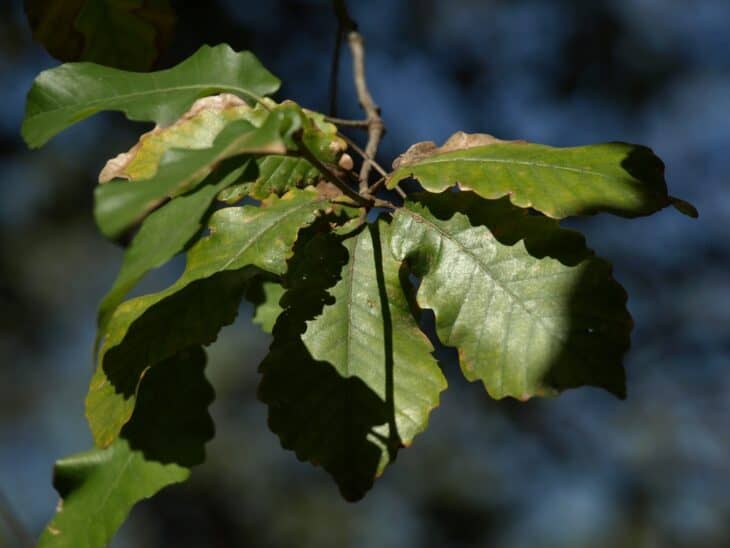
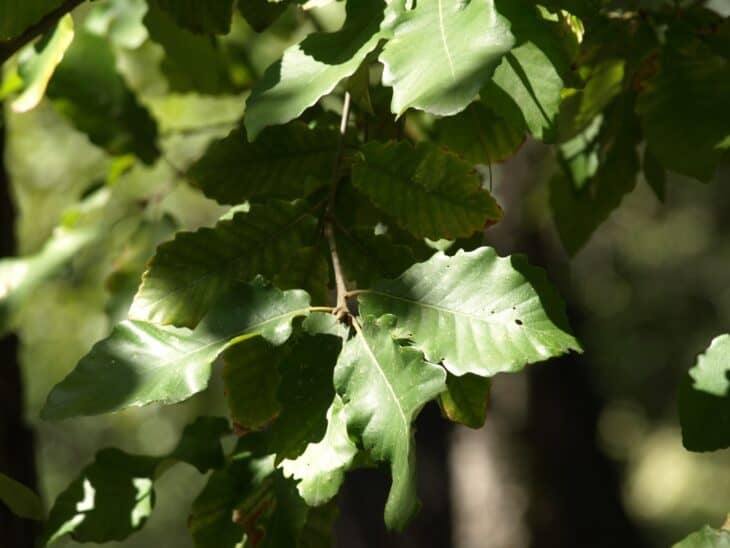
- Leaves are lobed and can be glossy depending on climate.
- Produces acorns that mature in a single season.
- Used as a specimen and street tree for shade.
- Tolerant of a range of soils including alkaline and heavier soils.
- Drought tolerant once established.
- Propagated readily by seed.
Algerian Oak (Quercus canariensis) is a large Mediterranean oak grown for a broad rounded crown and long lived shade. It performs well as a specimen or street tree where there is room for a wide canopy and reasonably good drainage.
Identification
This oak is deciduous to semi evergreen with lobed leaves that can appear glossy in milder climates. Mature trees develop a broad rounded crown and produce acorns that mature in a single season. Leaves and overall form vary by site and by local climate.
Best uses and where to grow
Use Algerian Oak as a park or street shade tree or as a specimen where a wide canopy is wanted. It tolerates a range of urban soils including alkaline and heavier soils and adapts to Mediterranean climates. Expect best performance in areas that do not experience extreme cold.
Planting and spacing
Plant container grown trees in cooler seasons when soil is workable to reduce transplant stress and allow roots to establish. Give planted trees plenty of room because mature spread commonly equals mature height. Plan spacing in the order of 40 to 80 feet or 12 to 25 meters between major canopy centers.
Soil light and watering
Algerian Oak prefers well drained to moderately heavy soils and tolerates clay and alkaline conditions but dislikes standing water. It grows best in full sun to light afternoon shade. Water regularly during the establishment period and reduce frequency once the tree is established because the species is drought tolerant.
After flowering care and pruning
Flowers appear as spring catkins and are followed by acorn development within the same season. Prune to remove dead wood and to manage canopy width for street planting. Light formative pruning during dormancy will help maintain structure and reduce the need for large corrective cuts later.
Propagation
Propagate Algerian Oak by seed using acorns sown fresh or after cold stratification. Grafting and root cuttings are used where cultivar identity must be preserved. Cuttings are generally less reliable for Quercus species so seed and grafting are the main methods used by growers.
Toxicity and safety
Acorns and young foliage contain tannins that can be poisonous to livestock so avoid grazing under trees where acorns accumulate. Household pet risk is lower but ingestion can cause gastrointestinal upset. Take care if planting near pastures and consult veterinary sources for pet specific guidance.
Frequently asked questions
- How fast does Algerian Oak grow?
- Growth rate varies with site fertility and climate. In favorable Mediterranean conditions it can reach the typical range of 40 to 80 feet over many years while growing more slowly in colder or compacted soils.
- Is it suitable for street planting?
- Yes. It is used as a street and specimen tree because it tolerates urban soils and develops a large shade canopy but it needs room for its broad crown.
- Will it keep leaves in winter?
- Leaf retention varies by climate. In milder regions trees can be semi evergreen while in colder areas they are fully deciduous and may show winter dieback.
- When do acorns form?
- Flowers are produced as spring catkins and acorns develop and mature in the same season following flowering.
- How should I propagate from acorns?
- Sow acorns fresh or after cold stratification. Seedlings will be variable so grafting is preferred for named cultivars.
Gallery
Related Plants


Mentioned In (2)
Oak
9 Types Of Oak Trees In Australia
Did you know that there are over 600 Oak species in the world? Oaks are part of the Quercus genus. They…

Oak
76 Types of Oak Trees in North America (foliage photos)
Because of all the forests in North America, you can find just about every tree you can think of if…