
Key Facts
- A low, mat forming perennial groundcover.
- Has small rounded leaves and very small inconspicuous flowers.
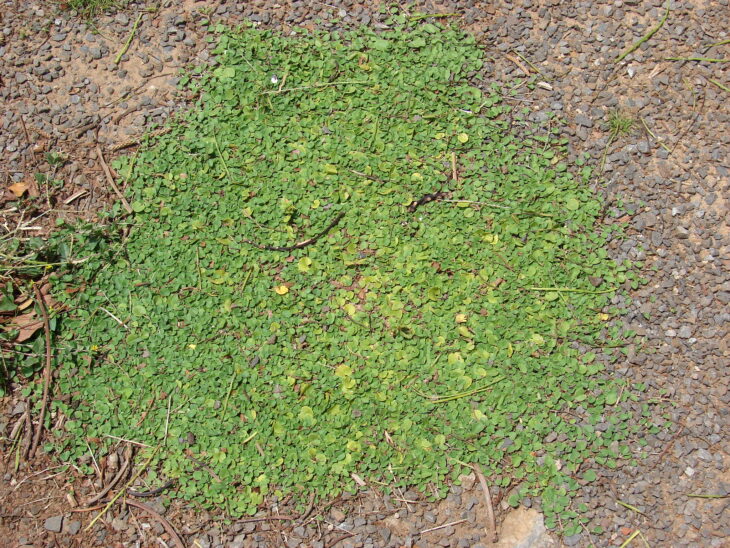
- Spreads by slender runners or stolons to form a dense carpet.
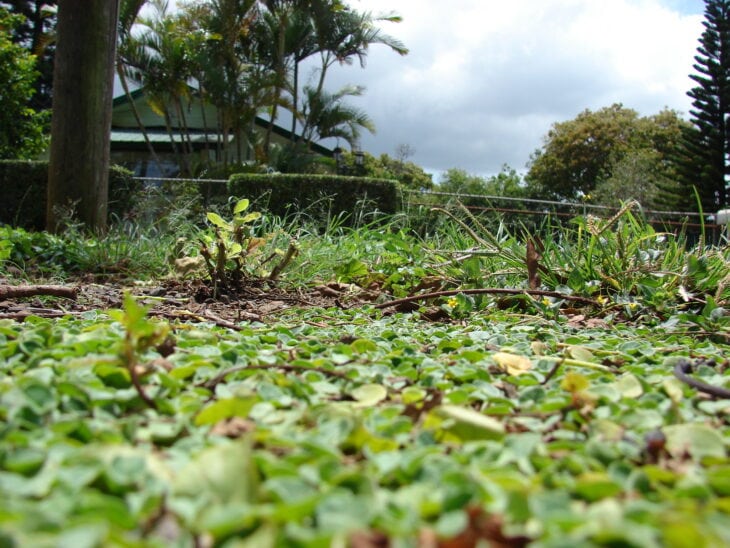
- Used as a lawn alternative or ornamental groundcover in warm climates.
- Prefers well drained soil and will decline in waterlogged conditions.
- Tolerates heat and humidity better than many cool season lawn plants.
- Is sensitive to hard frost and typically thins or dies back in cold weather.
Asian ponysfoot (Dichondra micrantha) is a low, mat-forming perennial groundcover used as a warm climate lawn alternative. It spreads by slender runners to form a dense carpet and has very small, inconspicuous flowers and rounded leaves.
Identification
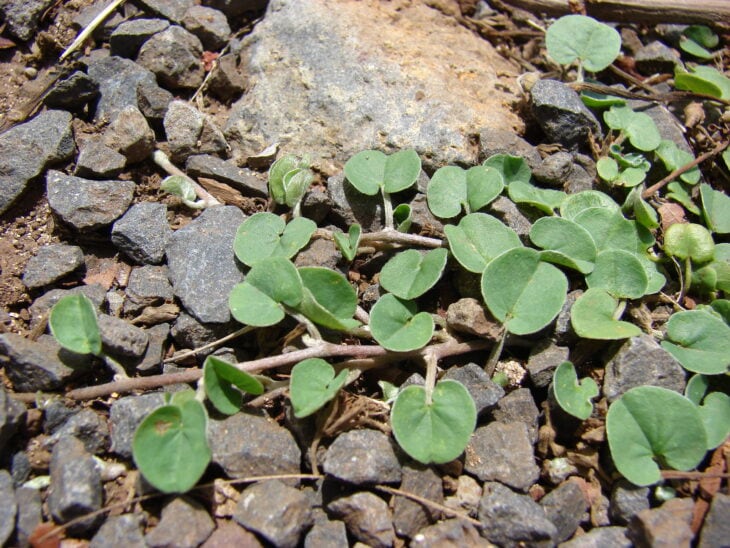
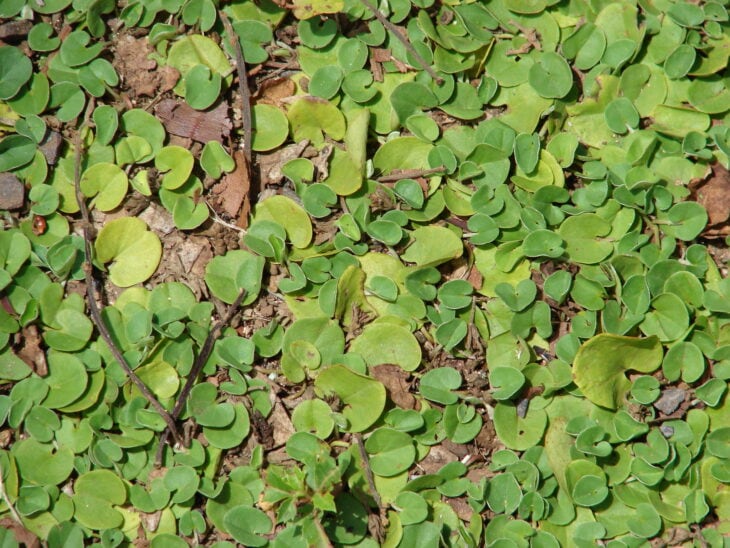
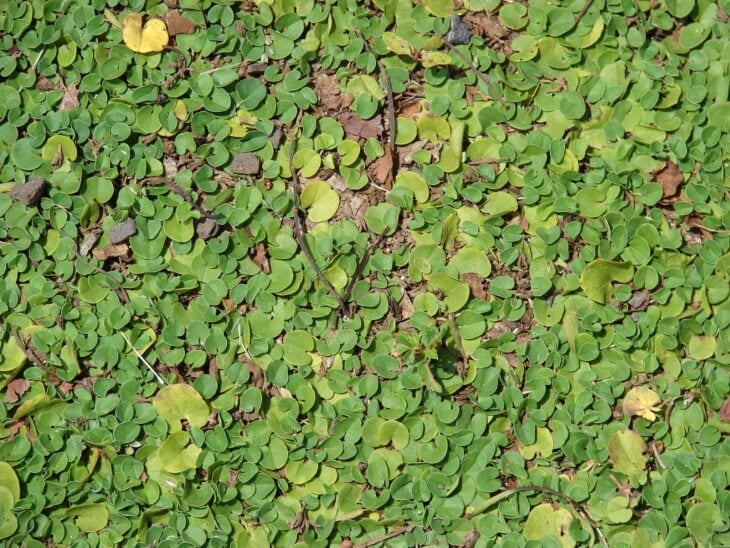
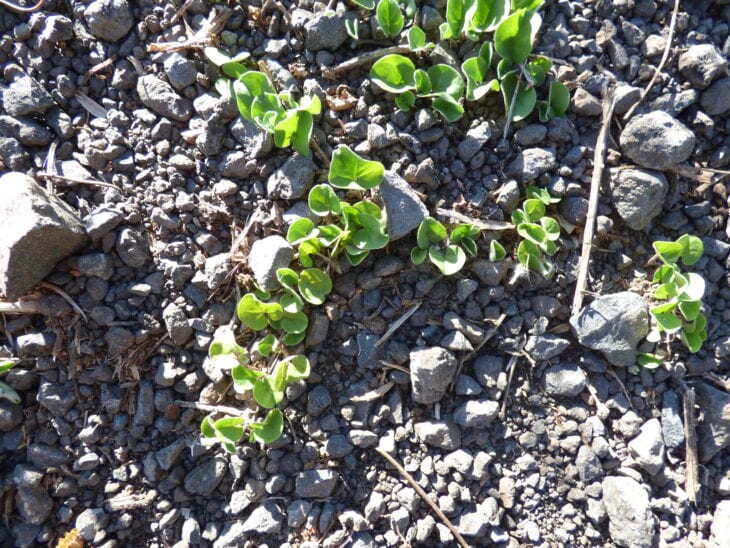
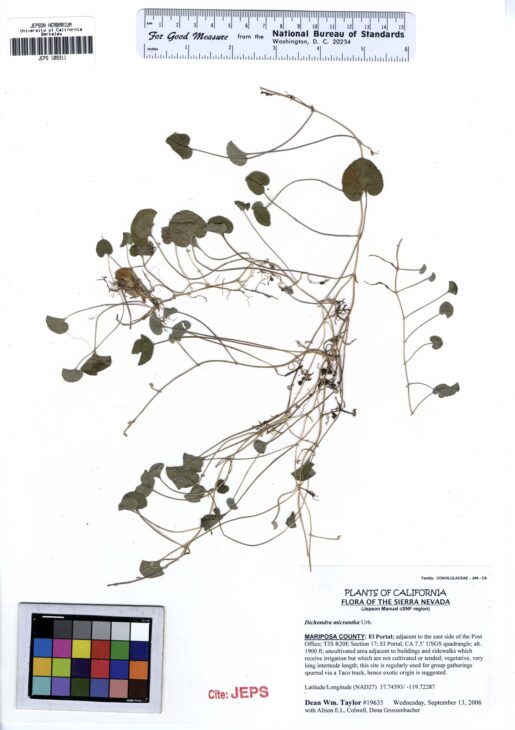
Look for a very low carpet of rounded, almost kidney-shaped leaves connected by slender stolons. Flowers are tiny and not a prominent feature. Taxonomy can be confused with other Dichondra species, so confirm identity with a regional flora or herbarium specimen when exact identification matters.
Best uses and where to grow
Use Asian ponysfoot as a lawn substitute, infill between pavers, or low ornamental groundcover in warm, frost-free landscapes. It performs best in USDA zones roughly 9 to 11 and tolerates heat and humidity better than many cool season lawn plants, but it thins or dies back with hard frost.
Planting and establishment
Establish from division, plugs or by encouraging existing runners in warm, frost-free months. Seed is sometimes available but vegetative methods are more reliable for quick coverage. Avoid planting into saturated soils and give new plantings time to root before dry spells or cold snaps.
Water and soil
Asian ponysfoot prefers well drained soils and tolerates light to moderately fertile conditions. It will decline in waterlogged settings, so improve heavy clay with organic matter or raised planting areas. It tolerates heat and humidity, but in very hot exposed sites some afternoon shade reduces stress.
Maintenance and control
The plant spreads by stolons to form a dense carpet and can naturalize where conditions suit it. Control spread with physical edging, removing unwanted runners and periodic trimming to keep edges neat. Expect thinning or dieback after hard frosts in cooler regions.
Propagation
Propagate most reliably by division, plugs or by transplanting runners into prepared soil. Seed propagation is possible but may be limited by availability. Vegetative propagation establishes a uniform cover faster than seed in landscaped areas.
Frequently asked questions
- How fast does Asian ponysfoot grow?
- It spreads by slender runners and forms mats often 1 to 3 feet where conditions are favorable. Spread is faster in warm, well drained, moist sites and slower in cool or dry climates.
- What hardiness zones suit Asian ponysfoot?
- It is suited to warmer regions roughly USDA zones 9 to 11 and typically thins or dies back after hard frost.
- How do I fix bare patches?
- Fill bare spots with plugs, divisions or by placing pieces of runner into moist, prepared soil and tamping gently to encourage rooting.
- Is Asian ponysfoot safe for pets and children?
- Toxicity is not well documented. Do not assume safety and check local poison control or veterinary resources for specific concerns.
- How do I prevent it from spreading into beds?
- Use solid edging, hand-weed runners at the perimeter and remove unwanted stolons before they root to limit spread.
Gallery
Related Plants


Mentioned In (1)

Plants
9 Plants That Look Like Lily Pads
Lily Pads are stunning water plants that paint a picturesque image of a lush and healthy pond or lake. When…