
Key Facts
- Tender annuals or short-lived perennials depending on climate.
- Edible leaves and flowers with a peppery flavor.
- Available in bush, trailing, and climbing habits.
- Prefers well drained soil and moderate fertility.
- Flowers from late spring through frost in many climates.
- Best flowering occurs in full sun or with light afternoon shade in hot regions.
- Grows easily from seed and is suitable for direct sowing.
- Frost will usually kill plants so they are grown as annuals in cold climates.
- Attractive to pollinators and beneficial insects.
Nasturtiums (Tropaeolum spp) are easy to grow ornamental and edible plants available as bush, trailing and climbing types. They flower from late spring through the first frost and are most often started from seed for quick color and salad ingredients.
Identification
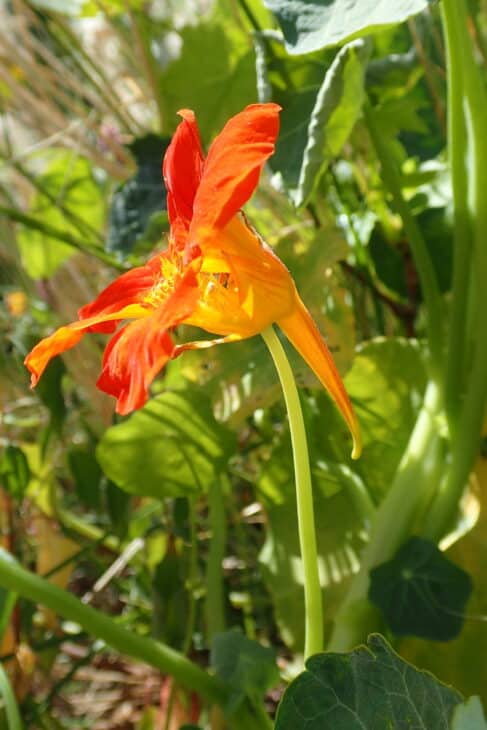
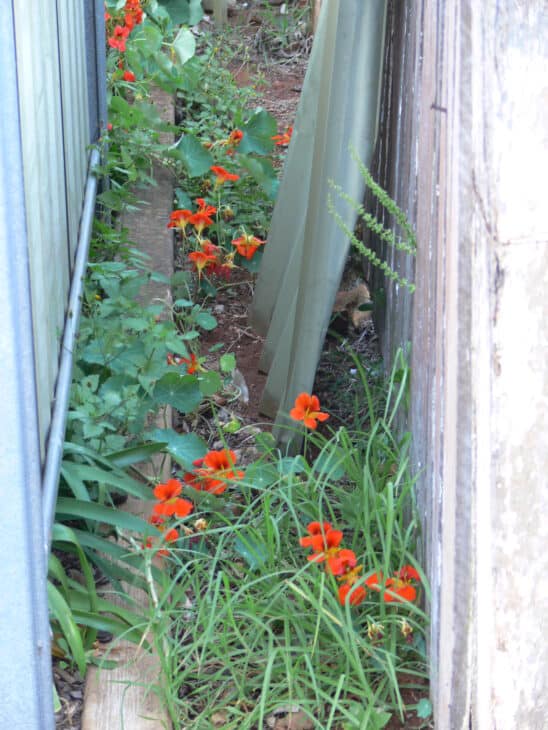
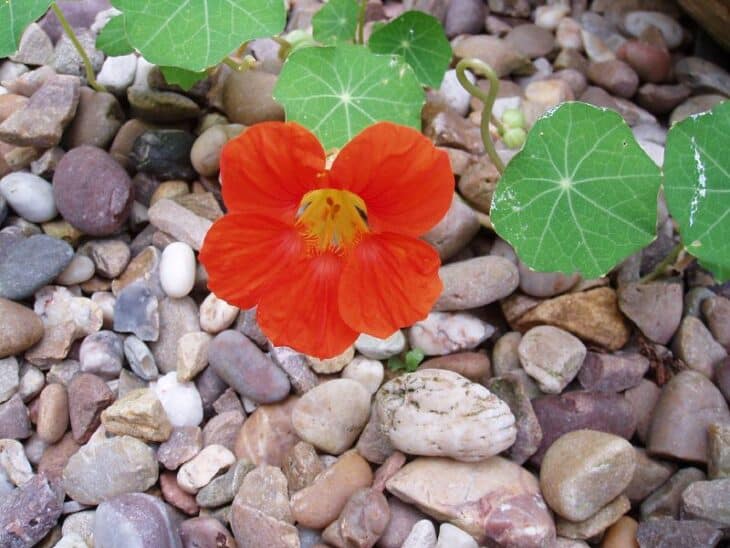
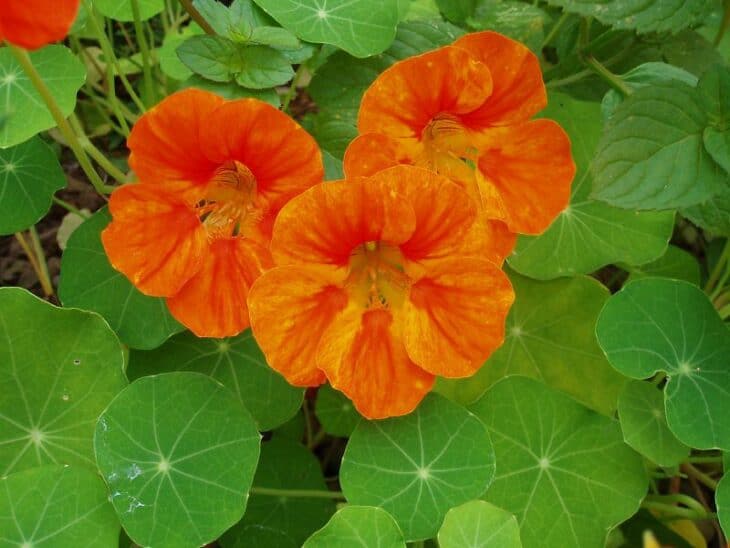
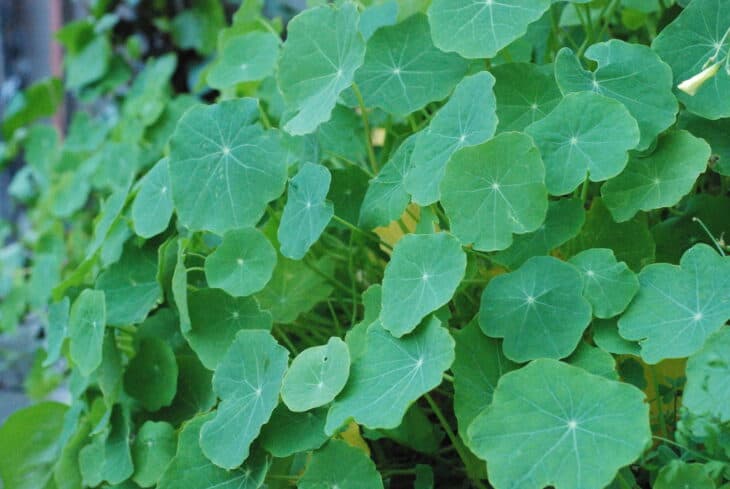
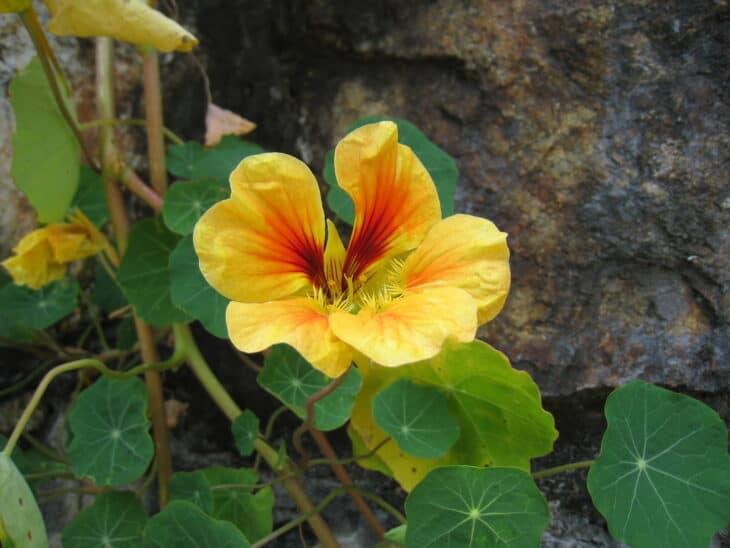
Tender annuals or short lived perennials depending on climate with edible leaves and flowers that have a peppery flavor. Plants occur as compact bush forms or long trailing and climbing types with heights ranging from about 15 to 300 cm and spreads commonly from 30 to 180 cm depending on cultivar.
Where to grow and best uses
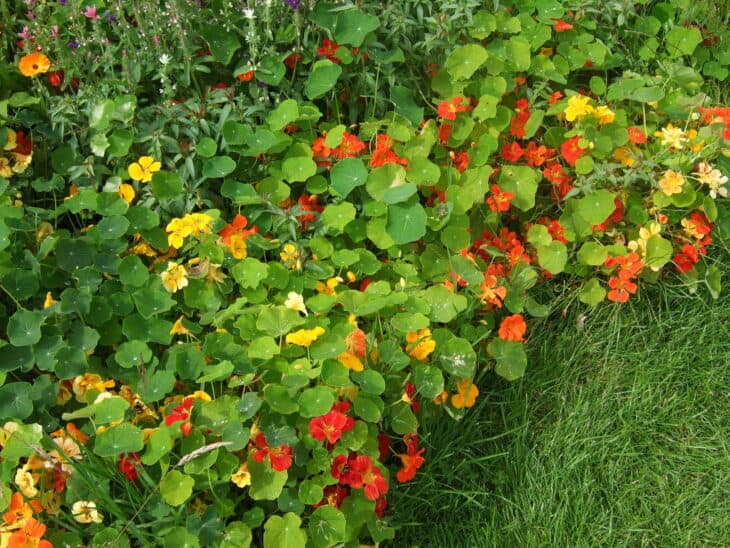
Grow in full sun for best flowering while allowing light afternoon shade in hot regions. Use bush varieties in borders and small beds, trailing types in hanging baskets and over walls, and climbers on a simple support. Attractive flowers also draw pollinators and beneficial insects.
Planting time and propagation
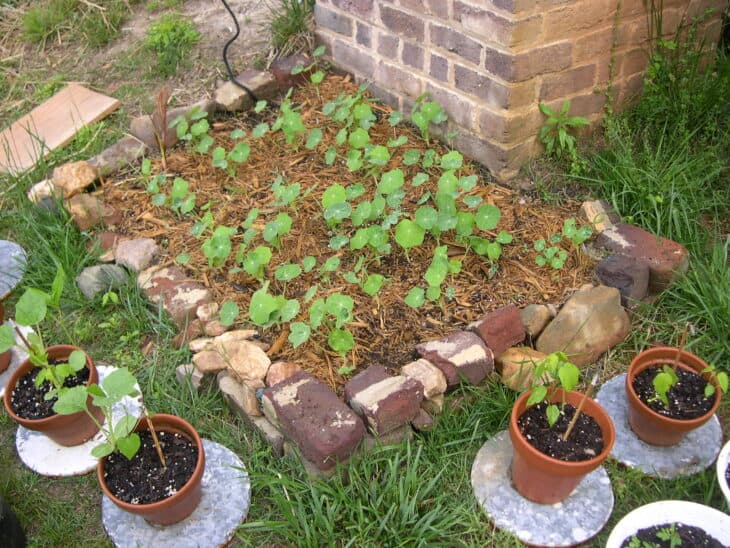
Direct sow outdoors after danger of frost or start indoors about three to six weeks before the last frost. Seeds germinate readily and establish quickly. Space plants relative to their mature spread with compact types closer together and trailing or vigorous types given room to trail.
Soil, light and watering
Prefer well drained soil of average to low fertility because rich soils promote foliage at the expense of blooms. Full sun produces the most flowers though light afternoon shade helps in very hot areas. Avoid waterlogged conditions which reduce flowering and can harm roots.
Containers and training
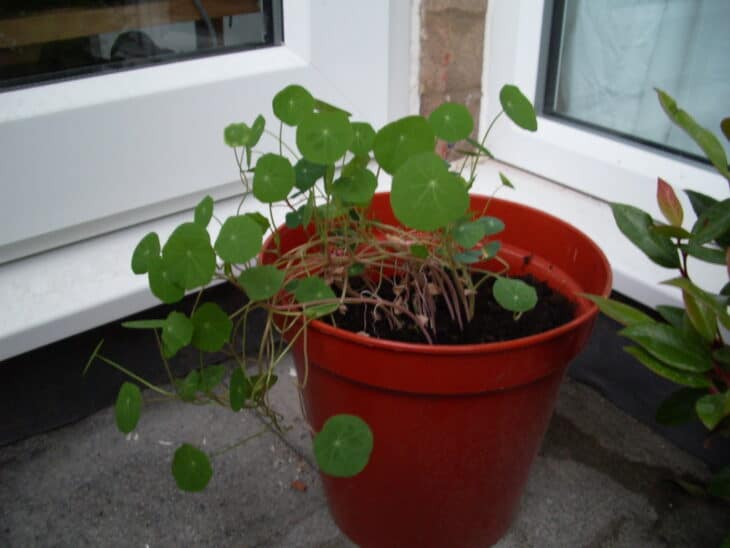
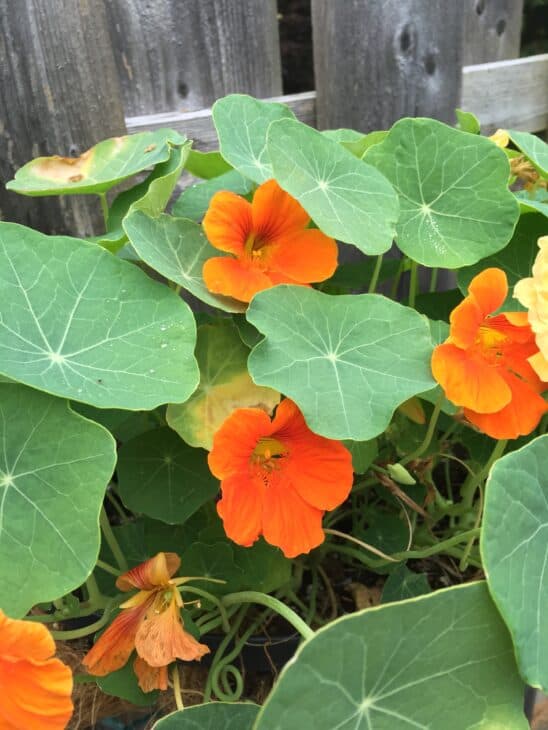
Suitable for containers, window boxes and hanging baskets with compact cultivars for small pots and trailing cultivars for baskets and edges. Climbers will use simple trellises or supports and can be trained to cover low fences or walls where space allows.
After flowering and winter care
Blooms continue until frost in many climates. Frost usually kills plants so they are treated as annuals outside cold zones. In USDA zones 9 to 11 plants may persist or self seed. Remove frost killed plants or leave seed heads to self sow for volunteers next year.
Controlling spread and naturalizing
Nasturtiums will self seed readily where allowed which can lead to naturalizing in favorable sites. To limit reseeding collect or discard seed pods before they open. To encourage volunteers allow seeds to ripen and drop where you want new plants the following season.
Frequently asked questions
- How fast does Nasturtiums grow?
- Seeds germinate quickly and plants can reach flowering size within a single season when sown after frost, with final size depending on cultivar habit.
- Are nasturtiums edible?
- Yes. Leaves and flowers are edible and have a peppery flavor. Confirm no pesticide residues before eating.
- Can nasturtiums be perennial?
- They are perennial in mild climates such as USDA zones 9 to 11. In colder zones they are usually grown as annuals because frost kills them.
- When should I sow nasturtium seed?
- Sow seed outdoors after danger of frost or start indoors three to six weeks before the last frost for earlier blooms.
- Do nasturtiums need rich soil?
- No. They perform best in well drained soils of average to low fertility because overly rich soil can reduce flowering.
Gallery
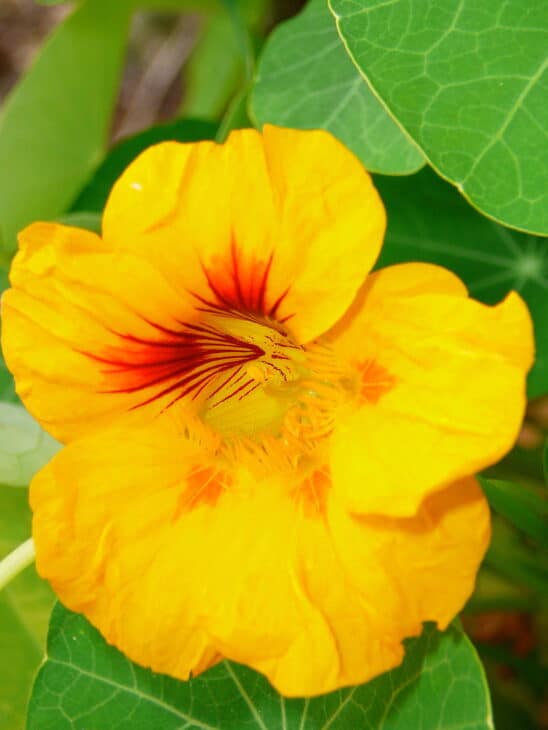
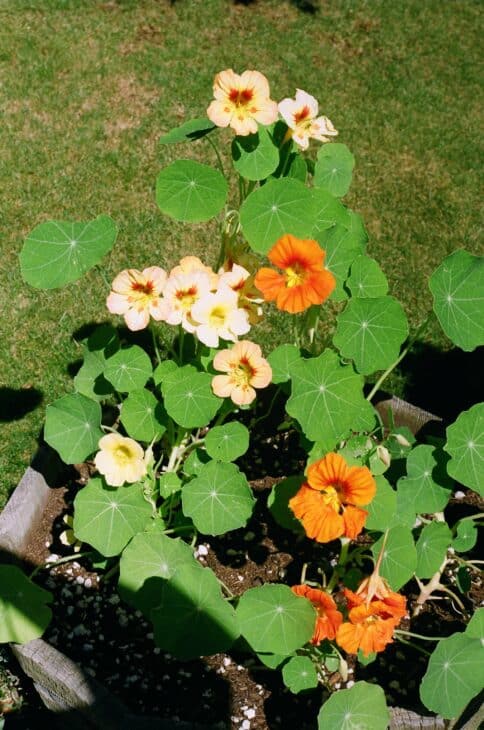
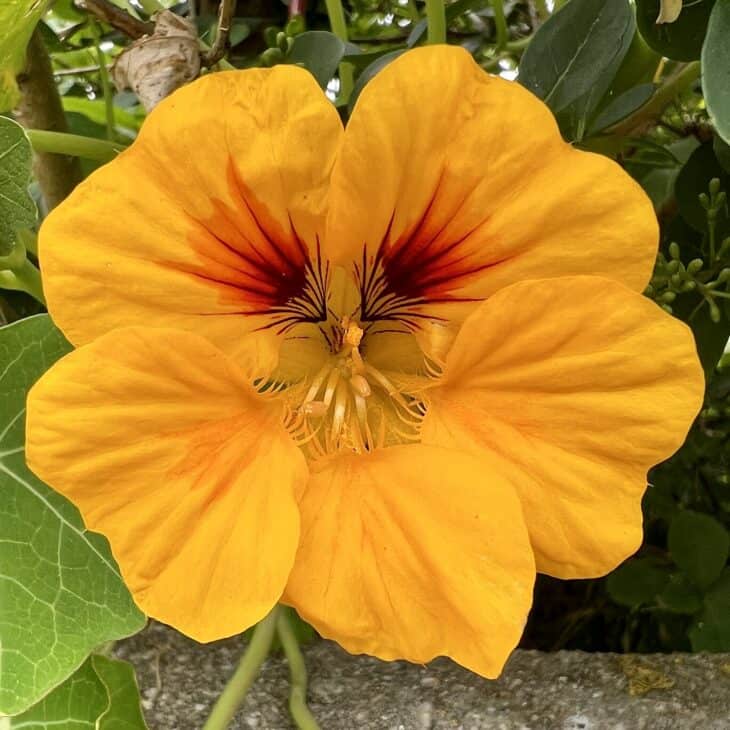
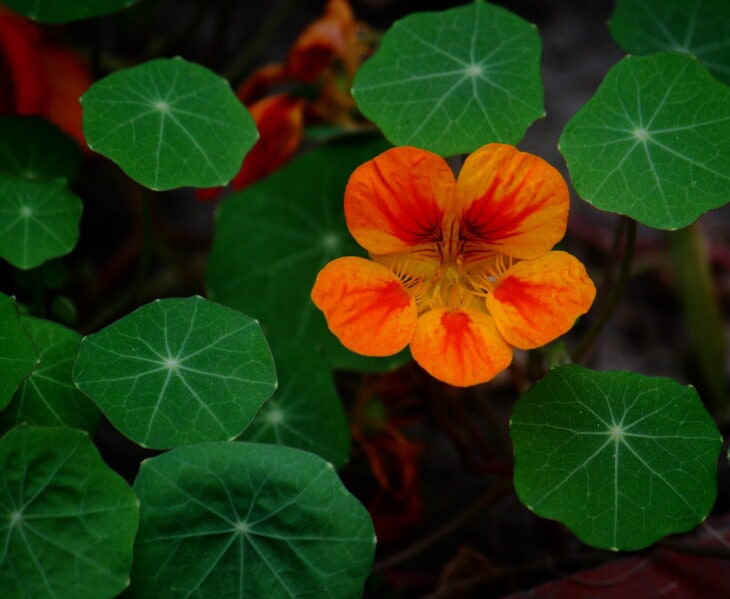
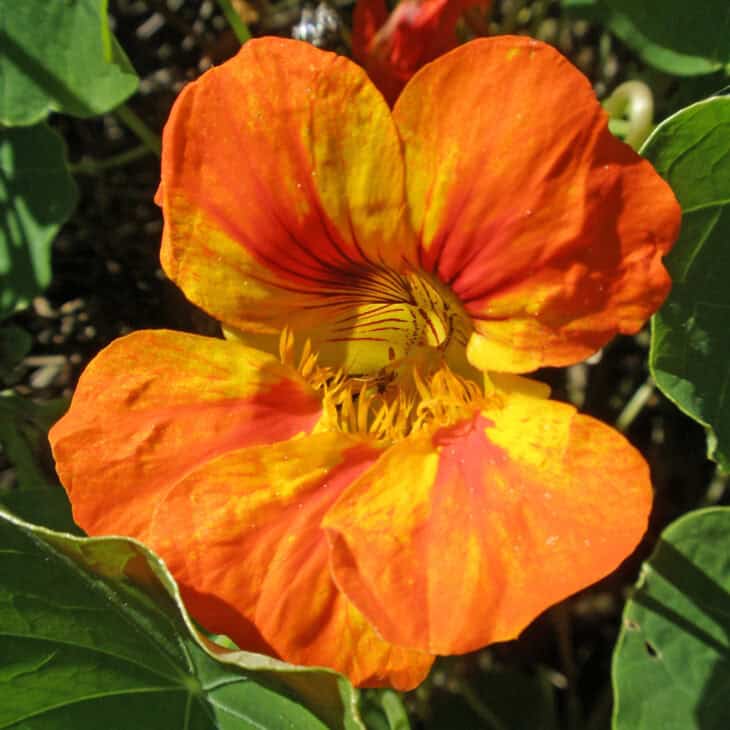
Related Plants
Mentioned In (8)
Plants
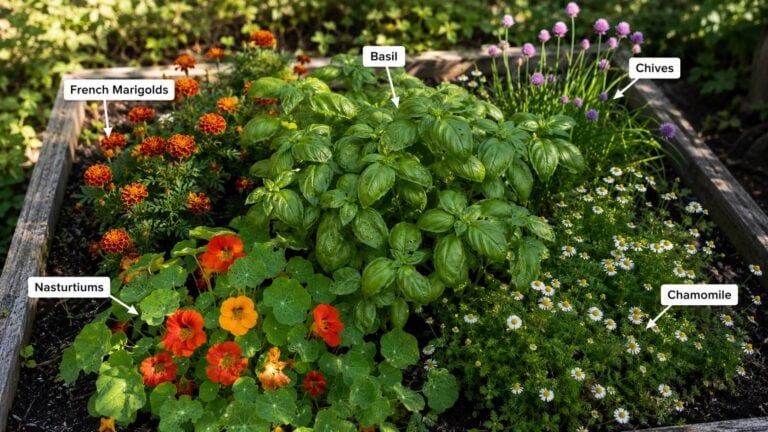
Companion Plants for Basil: What Works and Why
Basil bolts faster than almost any other herb in the summer garden, and once it flowers, the leaves turn bitter…
Plants
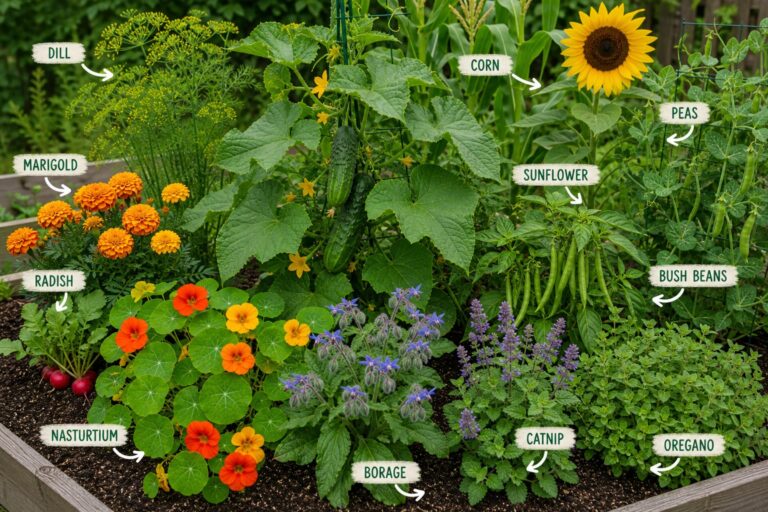
Companion Plants for Cucumber: What Works (and what Doesn’t)
Cucumber beetles are one of the most destructive forces in the vegetable garden — and they don't just eat foliage.…
Plants
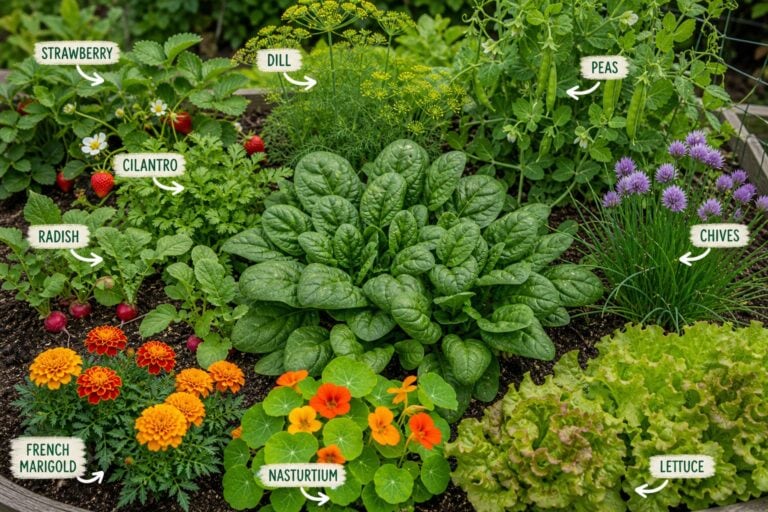
Companion Plants for Spinach: What Works and Why
Spinach growers fight a near-constant battle with leaf miners — tiny larvae that tunnel between the leaf surfaces and ruin…
Plants
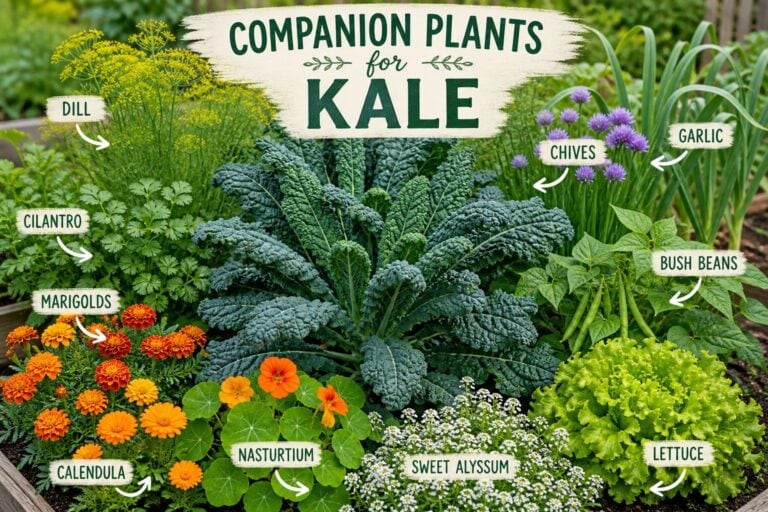
Companion Plants for Kale: What Works and Why
Kale is one of the easiest crops to grow — until the aphids arrive, the flea beetles strike, and the…
Plants
10 Plants That Look Like Pilea Peperomioides (Chinese Money Plant)
Pilea peperomioides got its common name, the Chinese money plant, from its leaves which are round and shaped like coins.…

Plants
9 Plants That Look Like Lily Pads
Lily Pads are stunning water plants that paint a picturesque image of a lush and healthy pond or lake. When…

Plants
Companion Plants for Tomatoes: What Works and Why
Companion planting can significantly improve the health and yield of your tomato plants, but choosing the right partners is key…
Plants
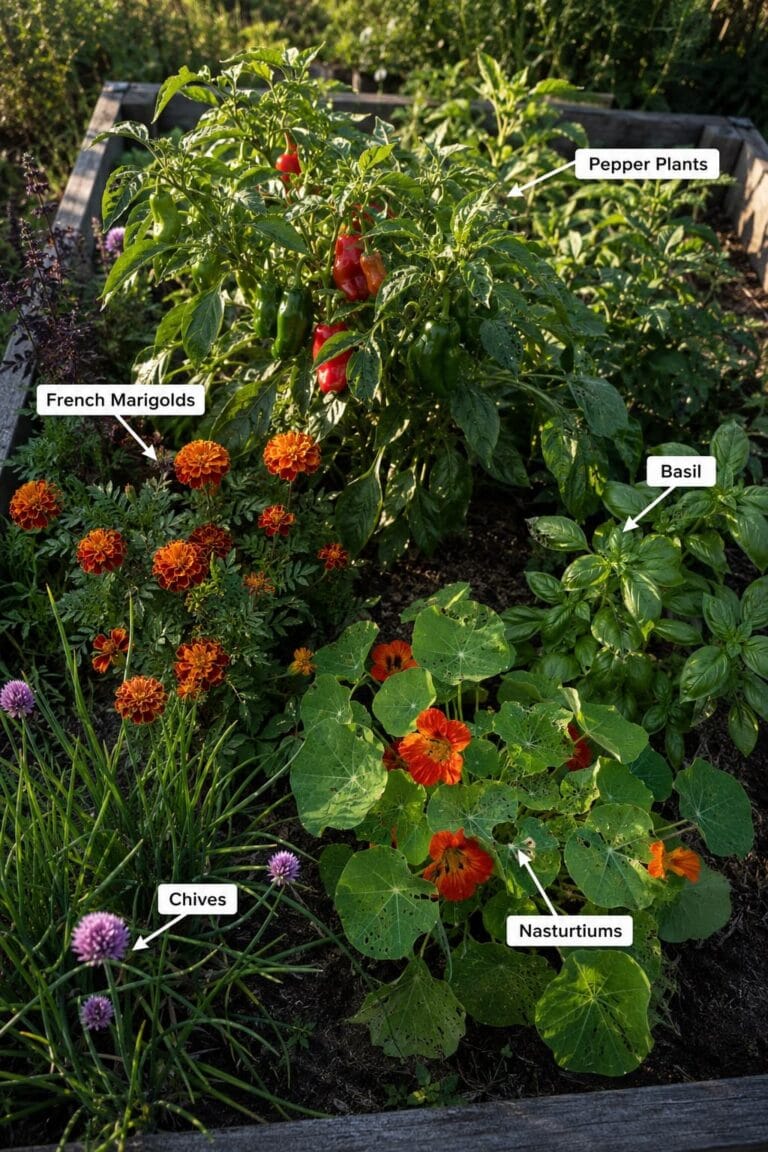
Companion Plants for Peppers: What Works and Why
Peppers are a magnet for aphids and thrips from the moment they go in the ground, and a plant this…